Source Diesel Fuel Injector for Jac for Trucks, Cars, and Engines
Find 30 Diesel Fuel Injector for Jac options with ISO certifications and steel bodies. Buyers can compare models like 0445110710 and 095000-6520, noting customization and new condition availability for repair purposes.
Key considerations
Products List


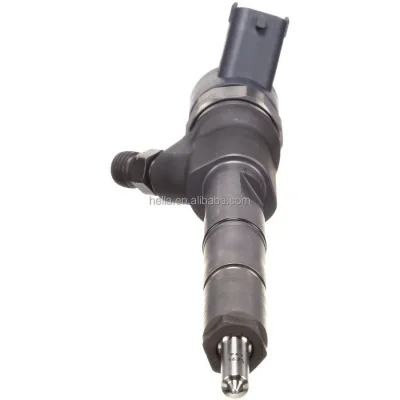
Common Rail Diesel Fuel Injector 0 445 110 738 0445110738 for JAC Injector
$67.86 - $74.65
MOQ: 4 Pieces




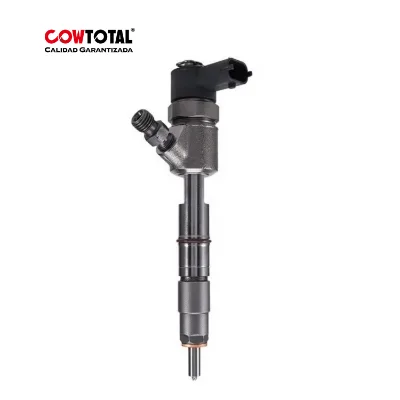
Diesel Engine Parts 85020455 Fuel Injector High Quality
$165.00 - $205.00
MOQ: 10 Pieces
Di Sai Long Electronic Fuel Injection System (Dongguan) Co.,Ltd.


Comprehensive Sourcing Guide
Strategic Sourcing Guide for Diesel Fuel Injectors for JAC Vehicles
Procuring diesel fuel injectors for JAC (Jianghuai Automobile) vehicles requires a disciplined approach that balances technical precision with supply chain reliability. The diesel fuel injection system is the heart of modern diesel engines, and the injector serves as the critical interface for delivering fuel with exact timing and atomization. For buyers targeting the JAC market, the search must focus on components that meet specific OEM standards while navigating a global market filled with varying quality tiers. This guide outlines the essential factors for sourcing these components, drawing on observed product attributes and industry standards to ensure a robust procurement strategy.
Technical Specifications and Model Identification
The foundation of any successful sourcing effort lies in the accurate identification of technical specifications. Diesel fuel injectors are not generic parts; they are engineered for specific engine geometries, pressure requirements, and control logic. In the current market, the observed product attributes reveal a diverse range of model numbers that correspond to different injection systems. Buyers must prioritize the exact match of the product model number to the vehicle's engine requirements.
The data indicates a prevalence of specific model identifiers such as 0445110710, 095000-6520, 095000-6070, and 295050-0640. These codes often correspond to Bosch or Denso manufacturing standards, which are frequently used in JAC diesel engines. Furthermore, the presence of OE numbers like 0445110710 and 0 445 110 738 is critical. These Original Equipment numbers serve as the primary verification tool to ensure compatibility. A mismatch in the nozzle model number, such as the Dlla150p2493 observed in listings, can lead to immediate engine failure or inefficient combustion.
Beyond the model number, the physical and functional specifications must align with the JAC engine's design. The observed attributes highlight that these injectors are typically "Multi-cylinder" devices designed for "4 Stroke" diesel engines. The body material is consistently noted as "Steel," which is essential for withstanding the high pressures and thermal stresses inherent in diesel combustion cycles. The "Standard" size and weight specifications suggest that these are replacement units designed to fit existing mounting points without modification. However, buyers must verify that the "Standard" dimensions match the specific JAC model year, as engine revisions often alter physical tolerances.
Compliance and Certification Verification
In the B2B automotive aftermarket, certification is not merely a formality; it is a risk mitigation tool. The supply chain for fuel injection devices is rife with counterfeit or sub-standard components that can compromise vehicle safety and emissions compliance. When sourcing diesel fuel injectors, buyers must rigorously verify the certification status of the supplier and the product.
The available data points to several certification claims, including ISO, ISOCE, and ISOTS. The ISOTS designation is particularly significant, as it likely refers to the ISO/TS 16949 standard (now IATF 16949), which is the global benchmark for quality management in the automotive industry. This standard ensures that the manufacturer has a robust system for continuous improvement, defect prevention, and variation reduction in the supply chain. The presence of an "ISO" certification alone indicates a baseline level of quality management, but the specific automotive-focused certifications provide higher assurance.
Buyers should also scrutinize the "Fuel Saver Type" claims. Some listings mention "Use Water as Raw Material" or "Electronic" types. These terms require careful interpretation. In the context of a standard diesel fuel injector, the primary function is mechanical or electronic fuel delivery. Claims regarding water usage as a raw material for the fuel itself often refer to emulsification additives or specific after-market systems rather than the injector's core function. Buyers must distinguish between the injector's mechanical capability and any ancillary fuel-saving technologies. The "Electronic" fuel saver type likely refers to the control valve mechanism, such as the F00vc01359 observed, which suggests an electronically controlled unit. Verification of these claims against the vehicle's ECU requirements is essential to ensure the injector can communicate correctly with the engine management system.
Cost Drivers and Pricing Dynamics
Understanding the cost structure of diesel fuel injectors is vital for budgeting and negotiation. The observed price range in the market spans from 1 to 1000 USD, a wide spectrum that reflects significant variations in quality, origin, and technology. This range is not arbitrary; it correlates directly with the complexity of the component and the reputation of the manufacturer.
The primary cost drivers include the precision of the nozzle manufacturing, the materials used for the body and internal components, and the level of testing performed. High-quality injectors with "High-Quality" ratings and "New" conditions command a premium. Conversely, lower-priced items may be remanufactured units or products from manufacturers with less stringent quality controls. The "Condition" attribute observed in the data includes both "New" and "Remanufacture." Remanufactured injectors can offer a cost-effective solution, but they require a thorough evaluation of the rebuild process to ensure they meet original performance standards.
Another significant factor is the Minimum Order Quantity (MOQ). The observed MOQ range is 1 to 100 units, with specific listings showing an MOQ of 4. This flexibility allows buyers to scale their orders based on immediate needs or long-term inventory planning. However, higher MOQs often correlate with better unit pricing. Buyers must balance the need for immediate stock against the cost benefits of bulk purchasing. Additionally, the "Customization" attribute, including options for logo, outer packaging, and pattern, adds a layer of cost. While neutral packaging is standard, customized branding requires additional setup and production time, which can influence the final landed cost.
Typical Applications and Compatibility
The application of diesel fuel injectors extends beyond a single vehicle model, but for JAC-specific sourcing, the focus must remain on the compatibility with JAC's diesel engine lineup. The "Purpose" of these injectors is explicitly stated as "for Replace/Repair," indicating their role in the maintenance and overhaul of existing fleets. The "Application" is broadly defined as the "Fuel Injection System," but the specific JAC models often utilize specific injection technologies, such as common rail or unit injector systems.
The observed product models, including 4061851, 4026222, and 4903319, suggest a wide range of compatibility. These numbers likely correspond to various JAC truck and light commercial vehicle models. The "Carburettor Type" listed as "Horizontal Draught" is an older terminology that may appear in legacy listings, but modern JAC diesel engines typically rely on direct injection systems without traditional carburetors. Buyers should be cautious of outdated terminology and focus on the specific engine code and injection pump compatibility.
The "Stroke" attribute of "4 Stroke" confirms that these injectors are designed for standard diesel engines, which are the dominant power source for JAC's commercial vehicle range. The "Fuel" type is consistently "Diesel," which simplifies the selection process but necessitates a strict adherence to the correct nozzle pattern and flow rate for the specific engine application. Mismatched injectors can lead to poor fuel economy, increased emissions, and potential engine damage.
Supplier Evaluation and Origin Analysis
Selecting the right supplier is as critical as selecting the right part. The "prod_origin" attribute indicates that the majority of these products originate from "China," with a specific mention of "Shandong" as a production hub. Shandong is a well-known manufacturing center for automotive parts, offering a concentration of suppliers with varying capabilities.
When evaluating suppliers, buyers should look for evidence of the "Customized Services" mentioned, such as the ability to provide logo printing or custom packaging. This indicates a supplier's flexibility and willingness to engage in a partnership rather than a simple transaction. The "prod_packing" attribute, ranging from "Neutral" to "Standard Export Packaging" and "Carton," is also a key indicator of logistics readiness. High-quality packaging is essential to prevent damage during transit, especially for precision components like fuel injectors.
Buyers must verify the supplier's ability to provide the "Standard" or "26X13X6 Cm" packaging dimensions if specific logistics constraints exist. The "Standard Package" and "STANDARD PACKAGE" labels suggest a baseline level of protection, but for international shipping, additional verification of the packaging integrity is recommended. The "Quality" attribute of "Hight-Quality" (noting the spelling variation in the source data) should be treated as a claim that requires validation through third-party testing or customer references.
Quality Control and Long-Term Procurement
Ensuring long-term reliability requires a robust quality control (QC) strategy. The "Condition" of the product, whether "New" or "Remanufacture," dictates the QC protocols required. For new injectors, the focus should be on verifying the "ISO" or "ISOTS" certification and ensuring the "Nozzle Model No." matches the specification exactly. For remanufactured units, the QC process must include pressure testing, leak testing, and flow rate verification to ensure they perform to original standards.
The "prod_standard" attribute, listed as "Standard" or "26X13X6 Cm," provides a baseline for dimensional consistency. However, buyers should not rely solely on these labels. Instead, they should implement incoming inspection protocols that verify the physical dimensions and the electrical characteristics of the control valve, such as the F00vc01359. The "OE Code" and "OE.No" should be cross-referenced with the vehicle's service manual to ensure compatibility.
Long-term procurement considerations also involve the stability of the supply chain. The "MOQ" of 4 allows for small-batch testing, which is ideal for validating a new supplier before committing to larger orders. As the relationship matures, buyers can negotiate better terms based on volume. The "Customization" options, including packaging and branding, can be leveraged to create a unique value proposition for the end customer, provided the supplier can maintain consistent quality across customized runs.
Comparative Analysis of Product Attributes
To facilitate decision-making, the following table summarizes the key attributes observed in the market for diesel fuel injectors suitable for JAC vehicles. This comparison highlights the variations in model numbers, certifications, and packaging that buyers must navigate.
| Attribute Category | Observed Values | Sourcing Implication |
|---|---|---|
| Product Model | 0445110710, 095000-6520, 4061851, Fuel Injector | Must match specific JAC engine code; generic "Fuel Injector" labels are insufficient. |
| Certification | ISO, ISOCE, ISOTS | ISOTS is preferred for automotive grade; verify validity with issuing body. |
| Condition | New, New/Remanufacture | Remanufactured units require rigorous pressure and leak testing. |
| Material | Steel | Essential for high-pressure durability; verify steel grade if possible. |
| Packaging | Neutral, Standard Export, Carton, 26X13X6 Cm | Ensure packaging prevents moisture and physical damage during transit. |
| Origin | China, Shandong | High concentration of suppliers; verify factory audit status. |
| Control Valve | F00vc01359 | Critical for electronic compatibility; verify with ECU requirements. |
| Nozzle Model | Dlla150p2493 | Must match exact spray pattern and flow rate for engine efficiency. |
Conclusion
Sourcing diesel fuel injectors for JAC vehicles is a complex task that demands a deep understanding of technical specifications, certification standards, and supplier capabilities. The market offers a wide array of options, from basic replacement units to high-precision electronic injectors, but the key to success lies in rigorous verification. Buyers must prioritize the exact match of model numbers and OE codes, validate certifications like ISOTS, and implement strict quality control measures for both new and remanufactured units. By focusing on these evidence-based criteria, procurement teams can secure reliable components that ensure the performance and longevity of JAC diesel engines, minimizing the risk of downtime and maintaining fleet efficiency. The journey from specification to delivery requires diligence, but the result is a supply chain that supports the operational needs of the diesel vehicle market.
FAQs
What certifications do diesel fuel injectors for JAC have?
Available certifications include ISO, ISOCE, and ISOTS standards. These quality marks indicate compliance with automotive industry benchmarks, though specific claims require verification against the supplier's documentation for each unit.
Which model numbers are compatible with JAC diesel engines?
Common model numbers include 0445110710, 095000-6520, and 0 445 110 738. Buyers must match these codes to their specific engine requirements to ensure proper fit and function within the fuel injection system.
Can I request custom packaging for these fuel injectors?
Yes, customization is available for logos, outer packaging, and patterns. Suppliers offer neutral or customized packing options, allowing buyers to tailor the presentation while maintaining standard export protection for the steel body components.
How is the condition of these diesel fuel injectors described?
Products are listed as either New or Remanufacture. Buyers should verify the specific condition status to ensure the component meets their operational needs, as remanufactured units undergo rebuilding processes to restore performance.
What is the minimum order quantity for these injectors?
The minimum order quantity ranges from 1 to 100 units, with some listings specifying an MOQ of 4. This flexibility allows buyers to scale orders based on immediate inventory needs or long-term procurement planning.
Where are these diesel fuel injectors manufactured?
The products originate from China, with specific production hubs noted in Shandong. This location information helps buyers assess logistics and supply chain reliability when sourcing components for replacement or repair purposes.
Which fuel type do these injectors support?
These injectors are designed specifically for Diesel fuel. They function as multi-cylinder devices for 4-stroke engines, ensuring precise atomization and delivery within the standard fuel injection system architecture.