Source Diesel LPG Transport Tanker Truck for Fuel, Gas, and Chemical Transport
Find 30 Diesel LPG Transport Tanker Truck units with capacities from 32,000 to 60,000 liters and payloads up to 500 tons. Buyers can compare specifications including tank thickness, pressure levels, and axle configurations from suppliers in China Shandong.
Key considerations
Products List


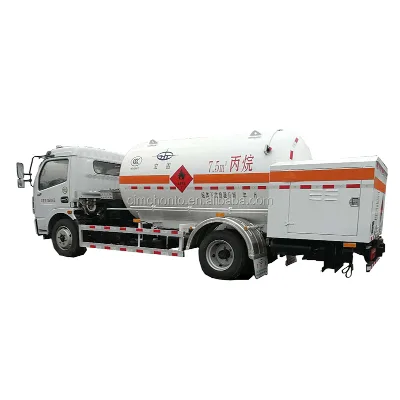


40000 Liter 6000 Gallon Diesel Transporter Used Tanker Truck for Sale
$11900.00 - $13900.00
MOQ: 1 Pieces

40000 Liter 6000 Gallon Diesel Transporter Used Tanker Truck for Sale
$11900.00 - $13900.00
MOQ: 1 Pieces


50m3 LNG Tank Truck Trailer 3 Axles Liquefied Petroleum Gas Transport
$6000.00 - $6500.00
MOQ: 1 Pieces
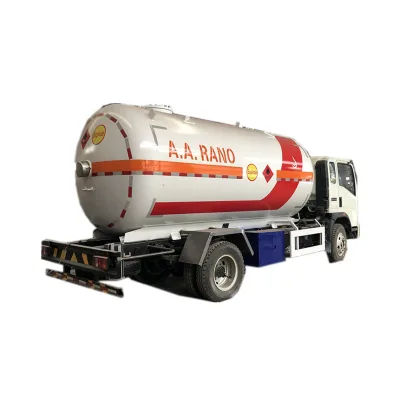
Used lpg Gas Transport Truck 15,000 Liters lpg Tanker Truck lpg Bobtail
$30128.13 - $30535.27
MOQ: 1 units


High-Safety LPG Transport Truck LPG Tanker Truck - Emergency Shut-off Valve & Fire Cap
$35315.00 - $38325.00
MOQ: 1 unit


28t 56000L LPG Delivery Storage Tank Truck Transport Gas Trailer for Sale
$16000.00 - $27000.00
MOQ: 1 Pieces


20ton LPG Lorry Gas Tank Truck Tanker Semitrailer for Sale Nigeria
$25000.00 - $50000.00
MOQ: 1 Pieces


40000L Fuel Storage Tank Semi Trailer LPG Tank Truck Gas Tanker Trailer
$15000.00 - $29999.00
MOQ: 1 Pieces

Comprehensive Sourcing Guide
Strategic Sourcing Guide for Diesel and LPG Transport Tanker Trucks
Understanding Technical Specifications and Configuration Variability
When sourcing diesel and LPG transport tanker trucks, buyers must first navigate a complex landscape of technical specifications that vary significantly based on the intended cargo and operational environment. The market presents distinct configurations, ranging from standard liquid fuel transporters to specialized pressure vessels designed for liquefied gases. A critical observation in the current supply base is the prevalence of aluminum alloy construction, specifically utilizing grades such as 5083, 5182, and 5454, often combined with carbon steel plates. This material selection is driven by the need to balance corrosion resistance with structural integrity, particularly for LPG applications where weight reduction is essential for maximizing payload capacity.
The physical dimensions and capacity of these units are not uniform. Buyers should expect to encounter tank trailers with capacities ranging from 32,000 to 60,000 liters for standard configurations, while specialized ISO tank containers and pressure vessels may offer capacities between 0.5 and 1,000 cubic meters, often customizable to specific client requirements. The design pressure is a pivotal specification; for many LPG transport units, the design pressure is observed at 1.61 MPa or 1.724 MPa, with working pressures generally kept below 1.61 MPa. However, some units are classified under medium pressure categories, operating between 1.6 MPa and 10.0 MPa, which necessitates rigorous verification of the vessel's intended use case.
Chassis and running gear specifications are equally critical for operational viability. The axle configurations typically vary between two, three, or four axles, with a common observation of 13-ton Fuwa brand axles. The tire design is predominantly radial, with a standard size of 12r22.5, which offers a balance of load-bearing capacity and fuel efficiency. The suspension systems observed in the market are primarily mechanical, paired with air brake systems that are standard for heavy-duty transport. The tare weight of these units is substantial, often falling between 8,000 and 12,800 kilograms, which directly impacts the legal payload limits on public roads. For high-capacity units, the load capacity can reach between 41 and 50 tons, requiring careful route planning and regulatory compliance checks.
Compliance and Certification Verification Protocols
Navigating the regulatory landscape is perhaps the most critical phase of the procurement process for hazardous material transport vehicles. Unlike general cargo trucks, diesel and LPG tankers are subject to stringent international and local safety standards. Buyers must verify that the supplier can provide a comprehensive suite of certifications that validate the vehicle's compliance with safety regulations. The observed certification landscape includes ECE (Economic Commission for Europe), GCC (Gulf Cooperation Council), ISO, and DOT (Department of Transportation) approvals. The presence of an ISO9001 certification for the manufacturing facility is a baseline indicator of quality management systems, but it does not automatically guarantee the safety of the specific vessel design.
For LPG and liquefied gas applications, the pressure vessel certification is paramount. The safety control systems must include a combination of safety valves, pressure meters, and cut-off valves. Specific attention should be paid to the safety release mechanisms; observed configurations include built-in full-lift spring safety valves and external angle-type emergency shut-off valves. The nominal pressure ratings, such as 2.5 Mpag, and the reseat pressure pH values, which should be greater than or equal to 1.557 Mpag, must be explicitly stated in the technical documentation. Buyers should not assume that a vehicle marketed for LPG transport meets the specific pressure requirements of their local jurisdiction without independent verification.
The material composition also plays a role in certification. The use of aluminum alloy 5083, 5182, or 5454 must be verified against the specific corrosion resistance requirements of the cargo. For instance, the corrosion allowance is often specified at 1mm, which is a critical factor in the vessel's design life. Additionally, the working temperature limits, typically under 50 degrees Celsius, must be respected in the operational manual. Buyers should request test reports that confirm the tank head thickness of 12mm and tank body thickness of 10mm, as these dimensions are essential for withstanding the internal pressures of liquefied gases. Without these specific data points, the risk of non-compliance with safety regulations is significant.
Cost Drivers and Pricing Structure Analysis
The pricing structure for diesel and LPG transport tanker trucks is highly variable, influenced by a multitude of factors including material costs, customization levels, and certification requirements. The observed price range in the market is extensive, spanning from approximately $5,088 to $10,000,000. This vast disparity is not indicative of a single product line but rather reflects the difference between basic chassis configurations and fully customized, high-specification pressure vessels. The minimum order quantity (MOQ) is typically one unit, allowing for flexible procurement strategies, but the unit price will fluctuate based on the specific configuration selected.
Material costs are a primary driver of the final price. Aluminum alloys, particularly grades 5083 and 5454, are significantly more expensive than carbon steel, yet they offer superior weight-to-strength ratios. A vehicle constructed primarily from aluminum will command a higher price point than a comparable steel unit. Furthermore, the level of customization available is a major cost factor. Buyers can often specify capacities ranging from 0.25 to 500 tons, and these customizations directly impact the manufacturing time and cost. The inclusion of advanced safety systems, such as complex emergency shut-off valves and integrated safety control systems, also adds to the overall expense.
Other cost drivers include the origin of the vehicle and the associated logistics. Most observed units originate from China, specifically the Shandong region, which is a major hub for heavy vehicle manufacturing. The lead time for delivery is typically within one month, but this can vary based on the complexity of the order and the current production schedule. The packing method, whether "nude" or "frame," can also influence shipping costs and insurance premiums. Buyers should be aware that the base price often excludes shipping, insurance, and import duties, which can significantly increase the total cost of ownership. Therefore, a detailed total cost analysis is essential before committing to a purchase.
Typical Applications and Operational Use Cases
The versatility of diesel and LPG transport tanker trucks allows them to serve a wide range of industrial applications, from fuel distribution to chemical processing. The primary application for these vehicles is the transport of liquefied gases, including LPG, which requires specialized pressure vessels designed to handle flammable and toxic media. The pressure level classification, ranging from low pressure (0.1 MPa to 1.6 MPa) to medium pressure (1.6 MPa to 10.0 MPa), dictates the specific use case. Low-pressure units are often used for standard fuel distribution, while medium-pressure vessels are required for more complex chemical processing or high-volume liquefied gas transport.
In addition to LPG, these tankers are frequently utilized for the transport of other hazardous materials, such as diesel fuel. The functional design of the vessel may include features for reaction, heat pressure, separation, or storage, depending on the specific industrial need. For example, a vessel designed as a reaction pressure vessel may be used in a chemical plant to transport intermediate products, while a storage pressure vessel might be used for bulk fuel storage and distribution. The operating mode is typically manual, requiring trained operators to manage the loading, unloading, and safety systems.
The payload capacity is another critical factor in determining the application. Units with a payload capacity of 0.25 to 500 tons can serve various sectors, from small-scale local distribution to large-scale industrial logistics. The choice of axle configuration, whether 2, 3, or 4 axles, is often determined by the specific road regulations of the operating region and the total weight of the cargo. For instance, a 4-axle configuration is often required for maximum payload capacity in regions with strict weight limits. Understanding these operational nuances is essential for selecting the right vehicle for the intended application.
Supplier Evaluation and Quality Assurance Standards
Evaluating suppliers for diesel and LPG transport tanker trucks requires a rigorous approach to ensure quality and reliability. Buyers should prioritize suppliers who demonstrate a clear understanding of the technical specifications and compliance requirements discussed earlier. The presence of ISO9001 certification is a positive indicator, but it should be complemented by specific product certifications such as ECE, GCC, and DOT. Buyers must verify that the supplier has a proven track record of manufacturing vehicles that meet the specific pressure and material requirements of the intended application.
Quality control processes are equally important. Buyers should inquire about the supplier's inspection protocols, including non-destructive testing of welds, pressure testing of the vessels, and material verification. The observed specifications, such as tank head thickness of 12mm and tank body thickness of 10mm, should be confirmed through independent inspection reports. Additionally, the supplier should provide a warranty, typically observed as a one-year warranty, which covers manufacturing defects and ensures accountability.
The supplier's ability to offer customization is also a key evaluation criterion. Buyers should assess the supplier's flexibility in adapting the vehicle to specific requirements, such as custom capacities, specialized safety systems, or unique material combinations. The lead time, typically within one month, should be realistic and communicated clearly to avoid delays. Finally, the supplier's location, often in China's Shandong region, should be considered in the context of logistics and after-sales support. A supplier with a strong local presence and a network of service centers can provide better long-term support for the vehicle.
Long-Term Procurement and Lifecycle Considerations
Procuring a diesel or LPG transport tanker truck is a significant investment that extends beyond the initial purchase price. Buyers must consider the long-term operational costs, maintenance requirements, and the vehicle's lifecycle. The warranty period, typically one year, is a starting point, but buyers should plan for ongoing maintenance and potential upgrades. The choice of materials, such as aluminum alloys, can influence the vehicle's longevity and resistance to corrosion, which is critical for maintaining the integrity of the pressure vessel over time.
Maintenance schedules should be established based on the manufacturer's recommendations and the specific operating conditions. Regular inspections of the safety systems, including safety valves, pressure meters, and emergency shut-off valves, are essential to ensure continued compliance and safety. The working temperature limits, typically under 50 degrees Celsius, should be monitored to prevent overheating and potential failure. Additionally, the tire and suspension systems require regular maintenance to ensure safe operation, especially given the high load capacities of these vehicles.
Buyers should also consider the resale value and the potential for future upgrades. Vehicles with high customization levels and robust safety systems may retain their value better than standard models. The ability to adapt the vehicle to changing regulatory requirements or new cargo types is also a valuable long-term consideration. By planning for the entire lifecycle of the vehicle, buyers can maximize the return on investment and ensure the continued safe and efficient operation of their transport fleet.
FAQs
What certifications are required for diesel lpg transport tanker trucks?
These trucks require ECE, GCC, ISO, and DOT certifications for safe operation. The manufacturing facility must also hold ISO9001 certification to ensure quality management systems are in place for hazardous material transport.
Which materials are used for the tank body construction?
The tank bodies are constructed from Carbon Steel Plate and Aluminum Alloy grades 5083, 5182, or 5454. This combination balances corrosion resistance with structural integrity for transporting flammable and toxic media.
Can the capacity be customized for specific transport needs?
Yes, the capacity is available as 32,000 to 60,000 liters or customized between 0.5 and 1,000 cubic meters. Customization also extends to payload capacities ranging from 0.25 to 500 tons based on client requirements.
How long is the delivery time for these tanker trucks?
The standard delivery time is within one month from the order date. This lead time applies to new units with standard configurations, though complex customizations may require specific scheduling verification.
What is the typical working pressure limit for these vessels?
The working pressure is generally less than 1.61 MPa or 1.724 MPa, depending on the specific model. Some units operate at medium pressure levels between 1.6 MPa and 10.0 MPa for specialized applications.
Which axle brands and configurations are commonly used?
The trucks typically use 13-ton Fuwa brand axles with 2, 3, or 4 axle configurations. The tire design is radial, specifically size 12r22.5, paired with mechanical suspension and air brake systems.
What warranty is provided for the Diesel LPG Transport Tanker Truck?
A one-year warranty is provided to cover manufacturing defects and ensure accountability. This warranty applies to the new condition of the vehicle and its primary components like the tank and chassis.