Source Diesel Mini City Bus for transit, school, and BRT routes
Compare 30 Diesel Mini City Bus listings from global suppliers. Buyers can evaluate specifications like speed, seating capacity, and emission standards for transit, school, and BRT applications.
Key considerations
Products List


New Brand Factory Price City Bus 20 Seats Manufacturer Coach Bus with Good Price
$21000.00 - $28000.00
MOQ: 1 Pieces

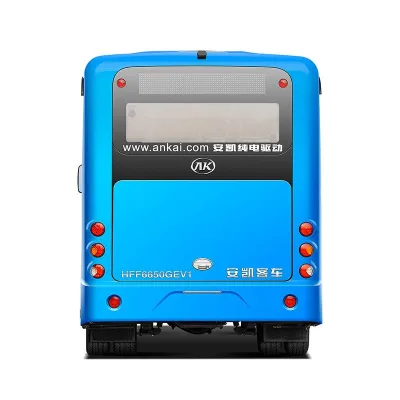
Euro 5 Mini Bus High Quality Ankai 15 Seats City Bus with Competitive Price
$28000.00 - $28500.00
MOQ: 1


$7000.00 - $7500.00
MOQ: 1 Pieces


23 Seats Mini Bus Diesel Engine High Quality Minibus Inner-City Bus
$13001.00 - $13501.00
MOQ: 1 Pieces


$11500.00 - $25500.00
MOQ: 1 Pieces

$68959.00 - $68960.00
MOQ: 1 Pieces


Comprehensive Sourcing Guide
Diesel Mini City Bus Sourcing Guide
Navigating the market for diesel mini city buses requires a clear understanding of the specific operational niches these vehicles fill, ranging from urban shuttle services to school transport and BRT (Bus Rapid Transit) feeder lines. The observed product landscape includes a diverse array of configurations, from articulated buses with high passenger capacity to single-deck, low-floor models designed for accessibility in dense city centers. Buyers must distinguish between brand-new units and second-hand imports, as the latter often originate from established markets like Japan and offer different value propositions regarding reliability and remaining service life.
The procurement strategy must account for significant variations in technical attributes, including engine displacement ranging from under 4 liters to 5.9 liters, and power outputs spanning from 96 kW to 243 kW. These mechanical differences directly influence fuel efficiency, maintenance cycles, and suitability for specific route profiles. Furthermore, the steering configuration—whether Left Hand Drive or Right Hand Drive—and the transmission type, predominantly manual in the observed listings, are critical factors that dictate compatibility with local traffic laws and driver training requirements.
Product Scope and Observed Listing Signals
The current market listings reveal a distinct segmentation based on vehicle structure and intended usage, with options ranging from standard sitting buses to specialized low-floor models. Buyers will encounter products explicitly labeled as "Second Hand Used Bus" alongside brand-new units, necessitating a careful review of condition reports and origin data. The observed data indicates origins in China, specifically Shantong and Hubei Province, as well as Japan, suggesting a global supply chain where regional manufacturing strengths and export policies play a major role in availability.
Listing signals also highlight specific model identifiers such as HYS5137GYYZ3, SYC6720, and Coaster, which serve as primary keys for verifying the exact configuration and age of the vehicle. The physical dimensions vary considerably, with some units measuring approximately 7005mm in length while others extend to 10800mm, directly impacting the ability to navigate narrow urban streets or fit into standard depots. Additionally, the packing methods, described as "Nude Packing" or "Bulk Shipping," provide early indicators of the logistical complexity and potential costs associated with transporting these heavy assets to the final destination.
Technical Specifications to Verify
Engine performance and fuel efficiency are paramount when selecting a Diesel Mini City Bus, as the observed data shows a wide spectrum of emission standards and engine capacities. Buyers must verify whether the unit meets specific Euro emission standards, noting that some listings reference "EuroFuel:Diesel" while others mention "Euro Engine Capacity:<4L," which may indicate different regulatory compliance levels or engine generations. The displacement of 5.9 liters in some models suggests a heavy-duty application, whereas smaller capacities are better suited for light urban duties, and this distinction must be matched against the expected passenger load and route topography.
Transmission and braking systems also require rigorous verification to ensure operational safety and driver comfort. The majority of observed units feature hydraulic braking systems and manual transmissions, which are robust but demand skilled operators for optimal performance in stop-and-go city traffic. Buyers should confirm the presence of integral power steering and air conditioning systems, as these features significantly enhance the driving experience and passenger comfort. Additionally, the maximum speed ratings, which range from 91-110 km/h to over 130 km/h, must be validated against local speed limits and the specific operational tempo of the intended service route.
Compliance and Safety Documentation
Regulatory compliance is a non-negotiable aspect of sourcing diesel buses, particularly given the varying emission standards and safety certifications observed in the market. Buyers must ensure that the vehicle possesses valid ISO certifications and that the engine meets the specific emission requirements of the destination country, as standards like "Euro" vary significantly in stringency across different regions. The presence of a certificate labeled "ISOCondition:New" for some units indicates a baseline of quality assurance, but this must be cross-referenced with local transport authority requirements to avoid import rejection or operational bans.
Safety documentation should also include detailed records of the braking system integrity and steering mechanism reliability, especially for second-hand units imported from Japan or China. The observed data mentions specific seat capacities ranging from 30 to 60 passengers, which must align with the vehicle's structural design and safety ratings. Buyers should request comprehensive inspection reports that verify the condition of the chassis, the functionality of the air conditioning, and the overall structural integrity of the single-deck or low-floor designs to ensure they meet local safety codes for public transport.
Cost Drivers and Commercial Terms
The total cost of ownership for a Diesel Mini City Bus is heavily influenced by the initial purchase price, which in the observed market ranges from $7,000 to $75,770, reflecting the vast difference between used and new units. This price variance is driven by factors such as the vehicle's age, origin, condition, and specific technical specifications like horsepower and engine displacement. Buyers must carefully evaluate whether the lower price point of a used bus justifies the potential for higher maintenance costs and shorter remaining service life compared to a brand-new unit with a full warranty.
Commercial terms such as Minimum Order Quantity (MOQ) and shipping logistics also play a critical role in the final cost calculation. The observed listings consistently show an MOQ of 1, offering flexibility for small transit agencies or private operators, but the shipping method—whether nude packing or bulk shipping—can significantly impact freight charges. Additionally, the origin location, whether Shantong, Hubei, or Japan, affects lead times and import duties, requiring buyers to factor in these logistical variables when budgeting for the acquisition and deployment of the fleet.
Supplier Qualification and Quality Control
Selecting a qualified supplier requires a thorough vetting process that goes beyond the basic product listings to assess the supplier's ability to deliver reliable vehicles and support. Buyers should prioritize suppliers who can provide transparent documentation regarding the vehicle's history, including maintenance records for second-hand units and manufacturing details for new ones. The origin of the bus, whether from China or Japan, should be verified against the supplier's reputation and track record in exporting similar vehicles to ensure they can handle the complexities of international trade and customs clearance.
Quality control measures must be established to verify the physical condition of the bus before shipment, particularly for units described as "Brand New" or "Second Hand Used." Buyers should insist on third-party inspection reports that confirm the accuracy of the listed specifications, such as the 150 HP or 191 kW power ratings and the 345 n.M torque figures. This due diligence helps mitigate the risk of receiving a vehicle that does not meet the expected performance standards, ensuring that the investment aligns with the operational needs of the transit service.
Long-Term Procurement Checks
Sourcing a Diesel Mini City Bus is not a one-time transaction but the beginning of a long-term relationship that requires ongoing monitoring of vehicle performance and maintenance needs. Buyers should establish a schedule for regular inspections to track the condition of critical components like the hydraulic braking system, the manual transmission, and the engine, ensuring they continue to operate within safe parameters. The observed data indicates a variety of seat capacities and structures, so maintenance plans must be tailored to the specific usage patterns, such as high-frequency BRT operations or school bus routes.
Future-proofing the procurement strategy involves staying informed about evolving emission standards and fuel efficiency technologies that may impact the resale value and operational viability of the fleet. As regulations tighten, the ability to adapt the fleet to new standards or replace aging units becomes crucial. Buyers should maintain a detailed inventory of all acquired vehicles, including their specific models like ZK6752 or Coaster, and their corresponding technical specifications, to facilitate efficient parts ordering and service scheduling over the vehicle's entire lifecycle.
FAQs
What is the typical seating capacity for a Diesel Mini City Bus?
Seating capacity varies by model, ranging from 30 to 60 seats. Some compact units offer 30 seats for urban routes, while larger mini buses accommodate 50 to 60 passengers. Buyers should verify specific seat configurations based on their transit needs and local regulations.
Can I customize the Diesel Mini City Bus for specific routes?
Customization is available for many Diesel Mini City Bus models. Buyers can often select features like air conditioning, steering types, and interior layouts. Confirming specific customization options with the supplier ensures the vehicle meets operational requirements and passenger comfort standards effectively.
What is the maximum speed of a Diesel Mini City Bus?
Maximum speeds typically range from 91 to 130 km/h depending on the model. Some units reach up to 130 km/h, while others are limited to lower speeds for safety. Check the specific product specifications to ensure the speed meets your route requirements.
Which emission standards do diesel mini city buses meet?
Diesel mini city buses often comply with Euro emission standards. Some models are designed to meet specific regional environmental regulations. Buyers should verify the exact emission standard for each model to ensure compliance with local laws and environmental policies in their operating area.
How is the Diesel Mini City Bus packed for shipping?
Packing methods include nude packing, bulk shipping, or containerized options. Dimensions vary, with some units packed in standard container sizes. Buyers should confirm the packing method with the supplier to ensure safe transport and efficient loading at the destination port or facility.
What is the minimum order quantity for diesel mini city buses?
The minimum order quantity is often one unit for many suppliers. This allows buyers to purchase single vehicles for testing or specific route needs. Confirm the MOQ with the supplier to understand pricing tiers and availability for single-unit purchases effectively.