Source Digital Display Charge Counter for Industrial, Kitchen, and Universal Uses
Find 30 Digital Display Charge Counter options for industrial, kitchen, and universal applications. Buyers can compare specifications like voltage, material, and customization to select the right device for their needs.
Key considerations
Products List


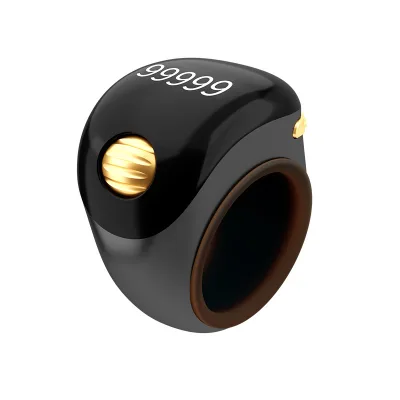

High Precision Digital Display Meter Counter for Cable Wire Length Measurement
$400.00 - $589.00
MOQ: 1 Pieces


Comprehensive Sourcing Guide
Digital Display Charge Counter Sourcing Guide
Sourcing digital display charge counters requires a disciplined approach to aligning technical specifications with operational requirements. These devices serve as critical components in industrial automation, energy management, and process control systems, providing precise measurement and monitoring capabilities. Buyers must navigate a complex landscape of product variations, from simple mechanical counters to sophisticated digital units with wireless connectivity and multiple voltage inputs. The decision-making process involves evaluating not only the immediate functional needs but also long-term reliability, compliance with international standards, and the total cost of ownership.
This guide provides evidence-based procurement strategies for sourcing digital display charge counters. It focuses on verifying technical attributes, understanding cost drivers, and establishing robust supplier qualification processes. By adhering to these guidelines, procurement professionals can mitigate risks associated with component failure, non-compliance, and supply chain disruptions. The following sections detail the essential steps for evaluating products, suppliers, and commercial terms to ensure a successful sourcing outcome.
Product Scope and Observed Listing Signals
The market for digital display charge counters encompasses a wide range of devices, including addition counters, subtract counters, and reversible counters. Observed listings indicate a diverse product portfolio, with models such as TC0708, CVR, Hb962, H7ec, and Dh48s-S representing different functional capabilities and form factors. These devices vary significantly in their carry modes, with some operating as synchronous counters and others utilizing mechanical mechanisms. Buyers should carefully review product descriptions to distinguish between purely digital displays and hybrid systems that may include mechanical components or wireless connection features.
Listing signals also reveal variations in physical specifications and packaging. Standard dimensions such as 4.44.43 cm and 1KG or 2KG packaging weights are observed, alongside customized sizing options. Materials range from metal constructions to ABS plastic, with color options including black and white. Packaging methods vary from OPP bags and color boxes to inner plastic bags within outer carton boxes. These details are crucial for logistics planning and integration into existing assembly lines. Buyers must verify that the observed specifications match their specific application requirements, particularly regarding mounting types such as buckle mounting and environmental operating ranges.
Technical Specifications to Verify
Voltage compatibility is a primary technical consideration when selecting a Digital Display Charge Counter. Observed specifications include a wide range of input voltages, such as DC12V-48V, AC24V-380V at 50Hz, and specific ratings like 36V, 48V, 110V, 220V, and 380V. Buyers must ensure that the selected device matches the power supply characteristics of their target application. Additionally, load current ratings, such as 5A, and power expenditure figures like DC1.0W or AC1.0VA, are critical for energy efficiency and thermal management. Verifying these electrical parameters prevents operational failures and ensures compatibility with existing infrastructure.
Display and connectivity features also require careful verification. Some models feature LED displays for clear readouts, while others offer wireless connection capabilities for remote monitoring. Accuracy tolerances, such as <1*0.00001, indicate high-precision requirements for specific applications. Operating temperature ranges, typically spanning from -20°C to 50°C, define the environmental limits of the device. Buyers should also check for additional features like reset devices, output states (e.g., NC type), and PLC compatibility, such as SF PLC integration. These technical details determine the device's suitability for specific industrial or commercial environments.
Compliance and Safety Documentation
Certification status is a key indicator of product quality and regulatory compliance. Observed listings mention ISO certification, which suggests adherence to international management system standards. However, buyers must verify the specific scope and validity of these certifications, as they may not cover all aspects of product safety or performance. Additionally, standards such as JIS and DIN are referenced, indicating potential compliance with Japanese and German industrial standards. Buyers should request documentation to confirm that the products meet the specific regulatory requirements of their target markets, including electrical safety and electromagnetic compatibility directives.
Safety documentation should also include detailed technical manuals and test reports. Buyers should verify that the manufacturer provides comprehensive information on installation procedures, maintenance requirements, and troubleshooting guides. For devices with wireless connectivity, data security and privacy compliance should be assessed. Additionally, material safety data sheets (MSDS) may be required for components containing specific plastics or metals. Ensuring that all necessary compliance documents are available and up-to-date reduces legal risks and facilitates smoother customs clearance and market entry.
Cost Drivers and Commercial Terms
Pricing for digital display charge counters varies significantly based on specifications, customization options, and order volume. Observed price ranges span from $0.33 to $1390, reflecting the diversity of products from basic mechanical counters to advanced digital units with multiple features. Minimum order quantities (MOQs) also vary, ranging from 1 to 5000 units, allowing for flexibility in procurement strategies. Buyers should consider the total cost of ownership, including shipping, tariffs, and potential customization fees, rather than focusing solely on the unit price.
Customization is a significant cost driver, with many suppliers offering tailored solutions for logo printing, packaging, and specific technical requirements. Sample times of 3-5 days indicate a relatively quick turnaround for prototyping, which can be beneficial for testing and validation. Buyers should negotiate clear terms for customization, including additional costs and lead times. Additionally, payment terms, warranty periods, and after-sales support services should be clearly defined in the contract to protect against potential defects or performance issues.
Supplier Qualification and Quality Control
Supplier qualification is essential for ensuring consistent product quality and reliable supply. Buyers should verify the supplier's manufacturing capabilities, quality management systems, and production capacity. Observations indicate that products originate from regions such as China, Shenzhen, and Zhejiang, which are known for their electronics manufacturing hubs. Buyers should conduct on-site audits or request third-party inspection reports to assess the supplier's adherence to quality standards and production processes. Additionally, checking the supplier's history of compliance with international standards and certifications is crucial.
Quality control measures should be established throughout the procurement process. Buyers should implement incoming inspection protocols to verify that delivered products meet the specified technical requirements. This includes checking physical dimensions, electrical performance, and display functionality. Statistical process control (SPC) data from the supplier can provide insights into production consistency. Additionally, establishing a clear process for handling non-conforming products, including returns and replacements, is vital for maintaining operational continuity. Regular communication with the supplier regarding quality feedback and continuous improvement initiatives can further enhance product reliability.
Long-Term Procurement Checks
Long-term procurement success depends on continuous monitoring of supplier performance and product reliability. Buyers should establish key performance indicators (KPIs) to track metrics such as on-time delivery, defect rates, and responsiveness to issues. Regular reviews of these metrics help identify potential problems early and facilitate corrective actions. Additionally, staying informed about technological advancements and market trends in the Digital Display Charge Counter sector is essential for maintaining a competitive edge. Buyers should periodically reassess their sourcing strategies to ensure they align with evolving business needs and regulatory requirements.
Sustainability and ethical sourcing practices are increasingly important considerations. Buyers should evaluate suppliers' environmental policies, waste management practices, and labor standards. Ensuring that the supply chain adheres to ethical guidelines reduces reputational risks and aligns with corporate social responsibility goals. Furthermore, building strong relationships with suppliers through collaborative planning and joint development initiatives can lead to improved product quality and innovation. By focusing on long-term partnerships rather than transactional relationships, buyers can secure a stable and reliable supply of digital display charge counters.
FAQs
What customization options are available for digital display charge counters?
Customization is available for logos and product specifications. Buyers can request tailored designs while the standard models support universal and time counter usage with synchronous carry modes.
Which voltage ranges do these digital counters support?
These devices support a wide voltage range including DC12V to 48V and AC24V to 380V at 50Hz. Specific models also handle 36V, 48V, 110V, 220V, and 380V for versatile industrial applications.
How is the sample time determined for these products?
The sample time typically ranges from 3 to 5 days for standard orders. This duration allows for quality verification before bulk production begins for customized or universal counter units.
What materials are used to construct these digital counters?
Manufacturers use metal and ABS plastic for durability. Some models feature specific materials like ABS for the housing while others utilize metal components for enhanced mechanical strength and longevity.
Can these counters be used for both addition and subtraction?
Yes, many models function as addition, subtraction, and reversible counters. They are designed for multifunctional use including summation metering and time counting in various industrial settings.
What packaging methods are used for shipping these items?
Products are packed in OPP bags, color boxes, or inner plastic bags within carton boxes. Some specific models are packaged in cartons with a standard weight of 1KG or 2KG.
Which certifications apply to these digital display charge counters?
Certifications include ISO standards and compliance with JIS and DIN specifications. These ensure the products meet international quality and safety requirements for industrial and universal counter applications.