Source Digital Display Wire Payoff Machine for Cable Production
Find and compare 30 Digital Display Wire Payoff Machine options from Chinese suppliers. Evaluate pneumatic and electric driven types with automatic grades, varying bobbin sizes, and tension control features for scaling and payoff wire applications.
Key considerations
Products List

$1200.00 - $4100.00
MOQ: 1 Pieces


Take-up and Pay-off Machine with High Precision Rewinding Function of Cable Wire
$3500.00 - $4790.00
MOQ: 5 Pieces

Pnd630-800mm Automatic Shaftless Pay off Machine for Cable and Wire Applications
$4000.00 - $4276.00
MOQ: 1 Pieces


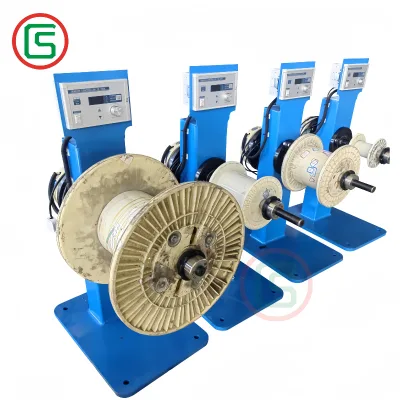
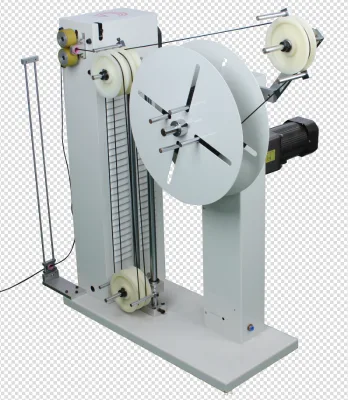

Factory Directly Price Take up and Pay off 300mm Spool Wire Pay off Machine
$1650.00 - $1680.00
MOQ: 1 acres


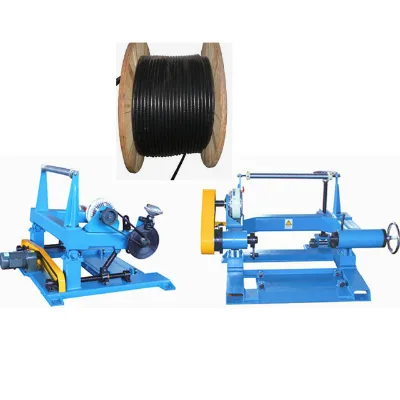
Wire Pay-off Rack Stand Cable Feeding Cable Pay off Machine Connect with Stripping Machine
$1350.00 - $1550.00
MOQ: 1 Pieces


Comprehensive Sourcing Guide
Digital Display Wire Payoff Machine Sourcing Guide
The Digital Display Wire Payoff Machine serves as a critical component in modern wire manufacturing and processing lines, specifically designed to manage the tension and unwinding of wire coils with precision. These systems are essential for applications requiring consistent wire feed rates, such as in cable extrusion, winding, and packaging operations. The integration of digital displays allows operators to monitor real-time parameters like speed and tension, ensuring that the wire is paid off without slack or excessive tension that could damage the conductor. Buyers should recognize that while the core function remains consistent, the specific implementation varies significantly based on the wire diameter, material type, and the required throughput of the production line.
When sourcing these machines, procurement teams must navigate a market where product attributes vary widely, from pneumatic to electric driven types and from manual to fully automatic grades. The observed product listings indicate a diverse range of models, including tension-type and passive pay-off machines, each tailored to specific bobbin sizes and wire diameters. It is crucial for buyers to distinguish between general wire payoff racks and specialized units equipped with digital interfaces, as the latter often command different price points and require specific technical verification. Understanding these distinctions ensures that the selected equipment aligns with the operational needs of the facility, preventing mismatches between the machine's capabilities and the production requirements.
Product Scope and Observed Listing Signals
The product scope for digital display wire payoff machines encompasses a variety of configurations, ranging from single-head racks to multi-head systems capable of handling different wire gauges. Listings frequently highlight specific models such as the 400mm Tension Type and the 630mm variants, which are designed to accommodate bobbin sizes between 200mm and 630mm. These machines are often marketed for their ability to handle soft wires with diameters ranging from 0.3mm to 1.5mm, as well as heavier gauges up to 8.0mm depending on the specific model. Buyers should carefully review the listed specifications to ensure the machine's bobbin capacity and wire diameter range match their current inventory and future production plans.
Observed listing signals reveal that these machines are available in various packaging formats, including waterproof plastic film, wooden boxes, and containers, which can impact shipping costs and protection during transit. The origin of these products is predominantly China, with specific manufacturing hubs noted in Hebei, suggesting a concentration of supply chain resources in that region. Additionally, the presence of customization options for color and dimensions indicates that suppliers are willing to adapt the physical footprint of the machine to fit existing production lines. However, buyers must verify that the "customized" attributes do not compromise the standard structural integrity or the reliability of the digital display components.
Technical Specifications to Verify
Technical verification begins with the driven type and automatic grade, as these factors dictate the level of automation and the power source required for the machine. Listings show a mix of pneumatic and electric driven types, alongside automatic, semi-automatic, and manual grades, meaning the buyer must confirm which drive system is compatible with their facility's power infrastructure and control logic. The speed capabilities are another critical specification, with some models boasting maximum speeds of up to 12m/s, while others operate at specific RPM rates like 850 Rpm/Min. It is imperative to validate that the stated speed and drive type align with the production line's cycle time requirements to avoid bottlenecks or inefficiencies.
Dimensional and weight specifications are equally vital for facility planning and logistics. The physical footprint of these machines can vary significantly, with standard dimensions observed around 120010005500mm for larger units and more compact configurations like 680500960mm for specific rack models. Weight is a key factor for floor loading and transportation, with observed weights ranging from 670kg to 1150kg depending on the model and build quality. Buyers should cross-reference the listed dimensions and weight against their factory floor plans and crane capacities to ensure the machine can be installed and moved safely without requiring costly structural modifications.
Compliance and Safety Documentation
Compliance and safety are paramount when integrating industrial machinery into a production environment, and the presence of certifications like CE and ISO is a strong indicator of adherence to international safety standards. While some listings explicitly mention CE certification, others may only list ISO, and buyers must verify the specific scope of these certifications to ensure they cover the digital display and control systems of the machine. The absence of a specific certification in a listing does not necessarily imply non-compliance, but it requires the buyer to request formal documentation from the supplier before finalizing the purchase to mitigate liability risks.
Safety features such as tension control mechanisms, including the use of tension guns, are essential for preventing wire breakage and ensuring operator safety during the payoff process. The condition of the machine, typically listed as "New," should be verified through detailed inspection reports or video evidence to confirm that the digital displays and mechanical components are in pristine working order. Buyers should also inquire about the warranty terms, which are commonly offered for 12 months, to understand the supplier's confidence in the product's durability and their commitment to post-sales support. Ensuring that the machine meets local safety regulations in addition to international standards is a necessary step before deployment.
Cost Drivers and Commercial Terms
The cost of a Digital Display Wire Payoff Machine is influenced by several factors, including the automatic grade, the complexity of the digital interface, and the specific technical specifications such as speed and wire diameter capacity. The observed price range of 300 to 39,000 USD reflects the vast difference between basic manual racks and advanced, fully automatic systems with high-speed capabilities. Buyers should be aware that the price is not solely determined by the machine's size but also by the level of customization, the inclusion of specific features like multi-head configurations, and the quality of the materials used in construction.
Commercial terms such as Minimum Order Quantity (MOQ) and lead times are critical components of the procurement strategy, with observed MOQs ranging from 1 to 5 units. While some suppliers may offer flexible MOQs for standard models, customized units often come with stricter quantity requirements or longer lead times. The packaging method, whether it is a wooden box, plastic film, or container, can also affect the final landed cost due to variations in shipping volume and weight. Buyers must negotiate these terms clearly to ensure that the total cost of ownership, including shipping and potential customs duties, fits within the project budget.
Supplier Qualification and Quality Control
Supplier qualification involves assessing the company's experience and track record in manufacturing wire payoff machines, with some suppliers highlighting over 10 years of industry experience. This tenure can be a proxy for reliability and technical expertise, suggesting that the supplier has refined their manufacturing processes and understands the nuances of wire tension control. However, buyers should not rely solely on marketing claims and must verify the supplier's production capacity and quality control protocols to ensure consistent output across multiple units.
Quality control measures should be a central part of the supplier evaluation process, focusing on the precision of the digital displays and the robustness of the mechanical components. Buyers should request detailed inspection reports that cover the assembly process, the calibration of tension controls, and the functionality of the automatic or semi-automatic features. The condition of the machine upon delivery is a key quality metric, and suppliers should provide evidence of pre-shipment testing to confirm that the machine operates within the specified parameters. Establishing a clear quality agreement with the supplier helps in managing expectations and ensuring that the delivered product meets the required performance standards.
Long-Term Procurement Checks
Long-term procurement checks focus on the sustainability of the supply relationship and the availability of spare parts for the Digital Display Wire Payoff Machine. Buyers should verify the supplier's ability to provide ongoing technical support and the availability of replacement parts for critical components like the tension control systems and digital interfaces. The warranty period, typically 12 months, is a starting point, but buyers should negotiate extended support agreements to cover the machine's operational lifecycle and minimize downtime in the event of a failure.
Regular performance audits and maintenance schedules are essential for maintaining the efficiency of the wire payoff machine over time. Buyers should establish a protocol for periodic inspections to check the wear and tear on mechanical parts and the accuracy of the digital readouts. This proactive approach ensures that the machine continues to operate at peak performance and prevents unexpected disruptions in the production line. By maintaining a strong relationship with the supplier and adhering to a rigorous maintenance plan, buyers can maximize the return on their investment and ensure the longevity of the equipment.
FAQs
What automatic grades are available for wire payoff machines?
Available automatic grades include automatic, manual, and semi-automatic options. Buyers can select the grade that matches their production line requirements, with specific models like the 400mm Tension Type offering semi-automatic functionality for scaling and payoff wire applications.
Which driven types are offered for these machines?
The machines are available in both pneumatic and electric driven types. This variety allows buyers to choose the power source that best fits their facility infrastructure, ensuring compatibility with existing systems while maintaining high performance for wire processing tasks.
Can buyers request customized colors for the equipment?
Yes, customized colors are available for these wire payoff machines. Manufacturers offer this flexibility to match corporate branding or facility aesthetics, ensuring the equipment integrates seamlessly into the production environment without compromising on the standard 12-month warranty coverage.
What is the typical warranty period for these units?
The standard warranty period provided is 12 months for the equipment. This coverage applies to the automatic grade machines and ensures protection against manufacturing defects, giving buyers confidence in the reliability of the pneumatic or electric driven systems sourced from Hebei, China.
How is the product packed for international shipping?
Products are packed using waterproof plastic film, wooden boxes, or containers depending on the model. This robust packaging ensures the machines remain protected during transit, with specific options like wooden cases for multi-head pay-off racks to prevent damage from handling.
Which certifications do the machines typically hold?
Many machines hold CE and ISO certifications to meet international safety and quality standards. These certifications verify that the equipment, such as the 400mm Tension Type, complies with regulatory requirements, making them suitable for export to various global markets without additional compliance hurdles.
What wire diameter range can these machines handle?
The machines can handle wire diameters ranging from 0.3mm to 8.0mm depending on the specific model. Soft wire applications start at 0.3mm, while larger capacity units support up to 8.0mm, accommodating diverse production needs for scaling and payoff operations effectively.