Source Digital Direct Mounting Inflatable Pump for Scooters, Bikes, Cars
Find a Digital Direct Mounting Inflatable Pump among 30 available options for kick scooters, electric scooters, and passenger cars. Buyers can compare specifications like voltage, pressure range, and power source to select the right tire inflation solution.
Key considerations
Products List


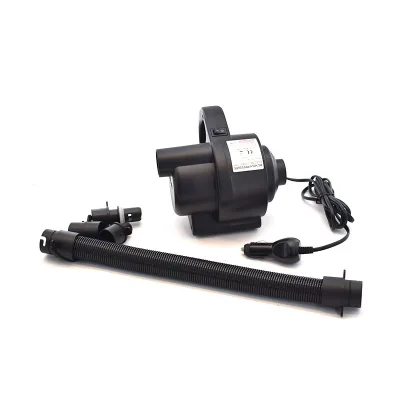


16psi Sup Air Pump with LCD Digital 110W 12 Volt Quick Air Electric Inflator
$24.00 - $26.00
MOQ: 1 Sets




Comprehensive Sourcing Guide
Strategic Sourcing Guide for Digital Direct Mounting Inflatable Pumps
Understanding Technical Specifications and Performance Metrics
When evaluating digital direct mounting inflatable pumps, buyers must first establish a clear baseline of technical performance to ensure the equipment meets operational demands. The core functionality of these devices relies on precise voltage and power delivery systems. Observed market data indicates a variance in power supply types, with many units operating on USB connectivity, while others utilize dedicated battery systems or DC power sources. Voltage specifications are not uniform across all listings; observed ranges include 7.4V, 8.4V, and 12V configurations. This variation is critical for compatibility with different vehicle electrical systems or portable power stations.
Power output is another significant differentiator. While some units are rated at 100W, others may operate at lower wattages depending on the motor and pump design. The inflation rate is a direct function of the motor and pump assembly, with specific observed data pointing to rates of 20L/Min. Buyers should verify that the continuous working time aligns with their usage patterns. Data suggests continuous operation times can range from 5 to 20 minutes for certain models, while others may offer up to 30 minutes of sustained use before requiring a recharge. The charging time for battery-operated units typically falls between 2 to 3 hours, a factor that influences downtime in high-volume environments.
The pressure capabilities of these pumps are equally vital. The maximum pressure output observed in the current market data spans from 0 to 120psi, with specific models capable of reaching 101-150psi. This range determines the suitability of the pump for various tire types, from small bicycle tires to larger motorcycle or vehicle tires. The inclusion of a digital display is a standard feature in this category, providing real-time pressure readings and often integrating additional functions such as tire pressure monitoring, LED lighting, and power indicators. The physical construction often involves a combination of materials, including ABS, PC, aluminum alloy, and natural rubber, ensuring durability against the rigors of inflation tasks.
Compliance and Certification Verification
Navigating the compliance landscape is essential for B2B procurement, particularly when importing goods across international borders. The supply chain for digital direct mounting inflatable pumps presents a mix of certifications that buyers must verify on a per-supplier basis. Observed product attributes list several key certifications, including CE, FCC, PSE, UL, ISO9001, ROHS, and UN38.3. Additionally, some listings reference TUV certification and management certifications such as ISO and IATF 16949.
It is crucial to treat these certifications as observations of specific listings rather than universal guarantees for every product in the category. For instance, while UN38.3 is listed for battery safety, a buyer must confirm that the specific battery capacity and voltage of the unit they are purchasing have undergone this specific testing. Similarly, the presence of CE or FCC markings implies compliance with electromagnetic and safety standards in specific regions, but the validity of these marks depends on the supplier's ability to provide the underlying test reports.
Management certifications like ISO9001 and IATF 16949 indicate a supplier's commitment to quality management systems, which is a strong indicator of process stability. However, these do not automatically certify the final product's safety or performance. Buyers should request current, valid certificates for the specific model number, such as ZLT01 or MS-B001, rather than accepting generic company-level certifications. The absence of a specific certification in a product listing does not necessarily mean the product is non-compliant, but it requires the buyer to initiate a verification process to ensure the product meets the regulatory requirements of the destination market.
Cost Drivers and Pricing Dynamics
The pricing structure for digital direct mounting inflatable pumps is influenced by a complex interplay of factors, including material composition, power specifications, and certification status. The observed price range in the market is extensive, spanning from $0.20 to $2,000 USD. This wide disparity suggests that the category includes everything from basic, low-power units to high-end, industrial-grade systems with advanced digital interfaces and robust power supplies.
Material costs play a significant role in the final price. Units constructed with high-grade materials such as aluminum alloy, stainless steel, and natural rubber typically command higher prices compared to those made primarily of standard ABS plastic or PVC. The inclusion of advanced core components like PLCs (Programmable Logic Controllers), pressure vessels, and high-efficiency motors also drives up the cost. Furthermore, the battery capacity, such as the observed 2000mAh 7.4V configuration, adds to the manufacturing expense.
Minimum Order Quantity (MOQ) is another critical cost driver. The observed MOQ range spans from 1 to 1000 units. Suppliers with lower MOQs may charge a premium per unit to cover setup and logistics costs, whereas larger orders often benefit from economies of scale. Customization options, including OEM, ODM, and OBM support, are available but will invariably increase the unit cost due to tooling and design requirements. Buyers must balance the initial unit price against the total cost of ownership, considering factors like lead time, warranty, and the potential for bulk discounts.
Typical Applications and Usage Scenarios
The versatility of digital direct mounting inflatable pumps allows them to serve a wide array of applications across different sectors. The observed usage data highlights compatibility with a diverse range of vehicles and equipment, including kick scooters, electric scooters, motorcycles, passenger cars, and trucks. This broad applicability makes these pumps suitable for both personal use and commercial fleet maintenance.
Specific features like spark-proof design and waterproof capabilities are particularly relevant for outdoor or industrial environments where safety and durability are paramount. The inclusion of a digital screen and multifunctional capabilities, such as tire pressure monitoring and LED lighting, enhances the user experience in low-light conditions or for users requiring precise pressure control. The device's portability, often achieved through cordless designs and compact dimensions (e.g., 1075cm), makes it ideal for roadside assistance kits, mobile repair services, and home garage use.
The intended use cases also extend to recreational equipment, with listings mentioning usage for bicycles, balls, and kids' scooters. This suggests that the pumps are engineered to handle varying pressure requirements, from the low pressures needed for inflatable toys to the higher pressures required for vehicle tires. The ability to customize the product for specific applications, such as adding specific color schemes or branding, further expands their utility for corporate fleets or promotional campaigns.
Supplier Evaluation and Customization Capabilities
Selecting the right supplier requires a rigorous evaluation of their capabilities beyond the basic product listing. Buyers should prioritize suppliers who offer robust customization support, including OEM, ODM, and OBM services. This flexibility allows businesses to tailor the product to their specific brand identity or operational needs, such as customizing the color (Black, Yellow, Gray, or Custom) or integrating specific branding elements.
The supplier's ability to handle small orders is also a key indicator of their flexibility and customer service orientation. While some suppliers may have high MOQs, others accept small orders, which is beneficial for startups or companies testing the market. The condition of the product, typically listed as "New," should be verified to ensure that the units are not refurbished or returned items.
When evaluating suppliers, buyers should look for evidence of a stable supply chain and the ability to meet lead times. Although specific lead times are not provided in the data, the availability of core components like motors, pumps, and bearings suggests a mature manufacturing ecosystem. Suppliers with a history of producing units with specific model numbers like WK-BL01 or MS-B001 demonstrate a track record of consistency. It is advisable to request samples to verify the build quality, digital display accuracy, and overall performance before committing to a large order.
Quality Control and Long-Term Procurement Considerations
Ensuring long-term reliability requires a focus on quality control measures and the durability of the product. The observed features, such as being cordless, durable, and eco-friendly, suggest a design philosophy centered on longevity and environmental responsibility. However, these attributes must be validated through rigorous testing protocols. Buyers should inquire about the testing procedures for the digital display, the accuracy of the pressure sensor, and the longevity of the battery.
The construction materials, including ABS, Metal, PVC, and Aluminum alloy, contribute to the product's resistance to wear and tear. However, the specific combination of materials used in a particular model can affect its performance in different environments. For example, the presence of natural rubber and steel components may enhance durability in harsh conditions, while plastic components might be more susceptible to degradation over time.
Long-term procurement considerations also involve the availability of spare parts and after-sales support. Suppliers who offer comprehensive warranties and have a network for servicing the pumps can significantly reduce the total cost of ownership. Additionally, the ability to upgrade firmware or replace battery packs can extend the lifespan of the device. Buyers should establish clear communication channels with suppliers to address any quality issues promptly and ensure that the supply chain remains stable over the long term.
Comparative Analysis of Product Attributes
To facilitate informed decision-making, the following table summarizes key attributes observed across the product listings, highlighting the variability that buyers must navigate.
| Attribute Category | Observed Values / Options | Procurement Consideration |
|---|---|---|
| Voltage | 7.4V, 8.4V, 12V | Match with vehicle or power source requirements. |
| Power Output | 100W (specific models) | Verify against inflation rate needs. |
| Max Pressure | 0~120psi, 101-150psi | Ensure coverage for target tire types. |
| Continuous Working Time | 5-20 Min, 30 Min | Assess suitability for high-volume tasks. |
| Materials | ABS, PC, Metal, Rubber, Steel | Balance durability vs. weight and cost. |
| Certifications | CE, FCC, UL, ISO9001, UN38.3 | Verify specific model compliance for target market. |
| Customization | OEM, ODM, OBM, Color Custom | Determine branding and feature requirements. |
| MOQ | 1 - 1000 Units | Align with budget and inventory strategy. |
This comparison underscores the importance of detailed specification matching. A buyer seeking a high-pressure pump for commercial trucks will have different requirements than one looking for a portable unit for electric scooters. By carefully analyzing these attributes, buyers can select the most appropriate product for their specific needs while avoiding the pitfalls of assuming uniformity across the category.
FAQs
What certifications do these pumps typically have?
Many models carry CE, FCC, PSE, UL, ISO9001, ROHS, and UN38.3 certifications. Some listings also reference TUV certification and management standards like IATF 16949. Buyers must verify specific certificates for each model rather than assuming all units possess every mark.
How is the power supply configured for these devices?
Power sources vary between battery, USB, and DC power options. Observed voltage configurations include 7.4V, 8.4V, and 12V systems. Some units feature a 2000mAh battery capacity, while others rely on direct USB connectivity for operation.
Which materials are used to construct these pumps?
Common materials include ABS, PC, aluminum alloy, natural rubber, and steel. Specific models may combine these with PVC or stainless steel components. The choice of material impacts durability and resistance to environmental conditions during inflation tasks.
Can these pumps handle different tire pressure requirements?
Yes, maximum pressure capabilities range from 0 to 120psi, with some models reaching 101-150psi. This allows usage on kick scooters, electric scooters, motorcycles, and passenger cars. The digital display assists in monitoring precise pressure levels for various applications.
What is the continuous working time for battery models?
Continuous working hours typically range from 5 to 20 minutes for certain models, while others offer up to 30 minutes. Charging times generally fall between 2 to 3 hours. Buyers should match these durations to their specific operational needs.
How do suppliers support product customization requests?
Suppliers offer OEM, ODM, and OBM customized support options. Buyers can request specific colors like black, yellow, or gray, or custom branding. This flexibility allows for tailored solutions but may influence the unit cost and minimum order quantities.
What is the price range for these inflatable pumps?
The observed price range spans from 0.20 to 2000 USD. This wide variance reflects differences in power output, material quality, and certification levels. Higher-end models with advanced features like PLCs or pressure vessels command higher prices.