Source Digital Display Jewelry Scale with Tray for Labs, Shops, and Collectors
Find 30 Digital Display Jewelry Scale with Tray options from Chinese manufacturers. Compare stainless steel and ABS models with capacities up to 500g and accuracies of 0.01g to 0.1g for precise weighing needs.
Key considerations
Products List

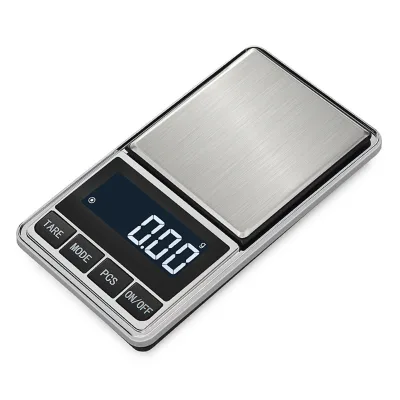
Professional Mini Electronic Digital Weighing Pocket Jewelry Scale with Tray
$3.00 - $3.80
MOQ: 1000 Pieces


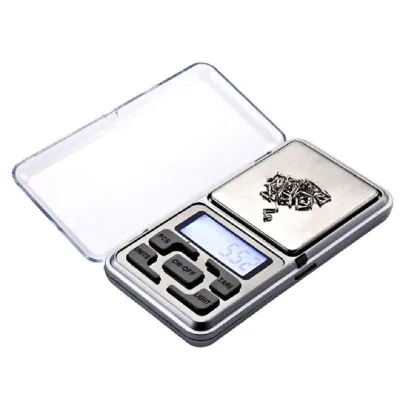
Hot Selling Electronic Digital Multi-Function Pocket Scale Jewelry Scale
$3.80 - $4.50
MOQ: 1000 Pieces






Comprehensive Sourcing Guide
Digital Display Jewelry Scale with Tray Sourcing Guide
Sourcing precision weighing instruments for high-value items requires a rigorous approach to technical verification and supplier qualification. The Digital Display Jewelry Scale with Tray represents a specialized category of electronic scales designed for measuring small, high-value commodities such as precious metals, gemstones, and pharmaceuticals. Buyers must navigate a market where specifications vary significantly between models, ranging from pocket-sized units to larger platform scales. This guide provides evidence-based procurement strategies to ensure that the selected equipment meets the stringent accuracy and durability requirements necessary for professional weighing applications.
The procurement process for these devices involves balancing capacity, readability, and physical form factor against commercial terms and compliance standards. Observed market data indicates a wide range of product attributes, including capacities from 100g to 1000g and accuracies down to 0.01g. Understanding these variations is critical for aligning product selection with specific operational needs, whether for retail jewelry sales, laboratory analysis, or industrial quality control. This guide outlines the key technical, commercial, and compliance factors that influence successful sourcing decisions in this niche sector.
Product Scope and Observed Listing Signals
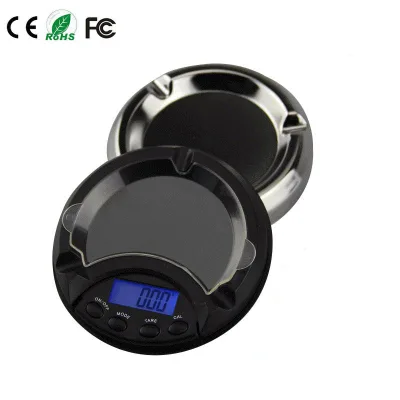
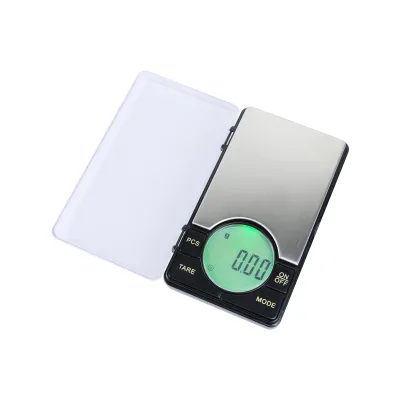
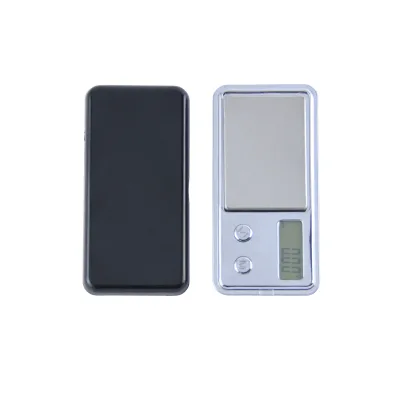
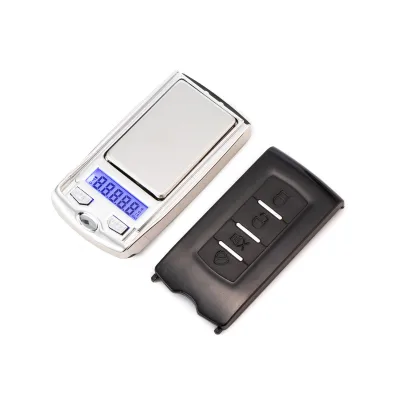
The product landscape for digital jewelry scales includes diverse form factors, from compact pocket scales to larger stainless steel platform units. Observed listings reveal a variety of materials, with stainless steel platforms being a common feature for durability and corrosion resistance, often combined with ABS plastic housings for lightweight portability. The shape of the weighing platform also varies, with square and polygon designs available, catering to different aesthetic and functional preferences. Buyers should carefully evaluate the physical dimensions and weight of the unit, as these factors impact portability and shelf space in retail or laboratory environments.
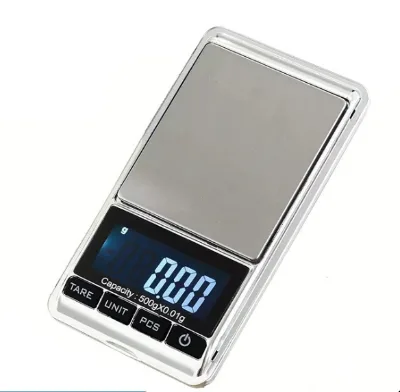
Capacity and readability are the most critical performance indicators for these scales. Market observations show capacities ranging from 100g to 1000g, with corresponding readability options of 0.01g or 0.1g. For instance, a 500g capacity scale might offer 0.1g readability, while a 100g or 200g capacity model may provide 0.01g precision. This trade-off between capacity and precision is essential to understand, as higher precision often comes with a lower maximum weight limit. Buyers must select a model that aligns with the typical weight range of their items to ensure optimal accuracy without risking overload damage.
Technical Specifications to Verify
Accuracy and resolution are paramount when sourcing jewelry scales, as even minor deviations can lead to significant financial discrepancies. Buyers should verify that the scale’s accuracy meets the required standard, typically 0.01g for high-value items like gold and diamonds. The display type is another crucial specification, with LCD and digital displays being the most common. It is important to confirm the visibility and clarity of the display, as well as the availability of multiple unit options such as grams, ounces, carats, and troy ounces. This versatility allows for seamless integration into various international markets and trading practices.
Power supply and battery requirements are essential technical considerations that affect operational continuity and maintenance costs. Most observed models operate on battery power, with some requiring specific configurations such as two AAA batteries. Buyers should verify whether the scale includes a button battery for memory retention or if it relies solely on main power sources. Additionally, the presence of automatic measurement features and tare functions can enhance usability and efficiency. Confirming these technical details ensures that the selected scale meets the operational demands of the intended application without unexpected downtime or compatibility issues.
Compliance and Safety Documentation
Certification status is a critical factor in ensuring that the purchased scales meet international safety and quality standards. Observed listings frequently mention CE and RoHS certifications, indicating compliance with European health, safety, and environmental protection standards. Buyers should request valid certification documents from suppliers to verify that the products have undergone appropriate testing and meet regulatory requirements. This documentation is particularly important for importing goods into regions with strict compliance mandates, as it mitigates legal risks and ensures market access.
Material safety and construction quality are also key aspects of compliance. Stainless steel platforms are preferred for their hygienic properties and resistance to corrosion, which is essential for maintaining accuracy over time. Buyers should verify that the materials used in the scale’s construction are free from harmful substances, as indicated by RoHS compliance. Additionally, the structural integrity of the scale, including its electronic components and housing, should be assessed to ensure durability and reliability. Proper documentation of these safety and quality attributes provides confidence in the product’s performance and longevity.
Cost Drivers and Commercial Terms
Pricing for digital jewelry scales varies based on capacity, accuracy, and additional features such as trays or specialized displays. Observed price ranges in the market span from $1.90 to $60.00, reflecting the diversity of product offerings and quality levels. Buyers should consider the total cost of ownership, including shipping, tariffs, and potential maintenance costs, rather than focusing solely on the unit price. Higher-priced models may offer superior accuracy, durability, or additional features that justify the investment for high-volume or high-value applications.
Minimum Order Quantity (MOQ) and customization options are significant commercial factors that influence procurement strategy. MOQs can range from 1 to 1000 units, allowing for flexibility in order sizes based on inventory needs and budget constraints. Customization options, such as OEM branding or specific packaging requirements, may be available but could impact lead times and costs. Buyers should negotiate clear terms regarding pricing tiers, payment methods, and delivery schedules to ensure a smooth transaction process. Understanding these commercial dynamics helps in planning inventory levels and managing cash flow effectively.
Supplier Qualification and Quality Control
Supplier qualification is essential to ensure that the sourced scales meet the required quality and performance standards. Buyers should verify the supplier’s manufacturing capabilities, quality control processes, and track record in producing electronic scales. Observations indicate that many suppliers are located in Guangdong, China, a region known for its electronics manufacturing expertise. However, buyers should conduct due diligence to confirm the supplier’s reliability, including their ability to provide consistent product quality and timely delivery.
Quality control measures should be implemented throughout the procurement process, from initial sampling to final inspection. Buyers should request product samples to test accuracy, durability, and ease of use before placing large orders. Additionally, establishing clear quality acceptance criteria and inspection protocols helps in identifying and addressing potential defects early in the supply chain. Regular audits and performance reviews of suppliers can further ensure ongoing compliance with quality standards. These proactive measures reduce the risk of receiving substandard products and enhance overall supply chain resilience.
Long-Term Procurement Checks
Long-term procurement success depends on continuous monitoring of product performance and supplier reliability. Buyers should establish key performance indicators (KPIs) to track metrics such as accuracy drift, battery life, and customer satisfaction. Regular feedback from end-users can provide valuable insights into the scale’s real-world performance and identify areas for improvement. Maintaining open communication with suppliers allows for timely resolution of issues and fosters a collaborative relationship that supports continuous improvement.
Adapting to market changes and technological advancements is crucial for staying competitive in the jewelry scale industry. Buyers should stay informed about new product developments, such as improved accuracy, enhanced connectivity, or sustainable materials. Regularly reviewing and updating procurement strategies ensures that the organization remains aligned with evolving customer needs and regulatory requirements. By prioritizing long-term relationships and continuous improvement, buyers can secure a reliable supply of high-quality digital jewelry scales that support their business objectives.
FAQs
What is the accuracy of the Digital Display Jewelry Scale with Tray?
The scale offers high precision with an accuracy of 0.01g for smaller capacities like 100g or 200g. Larger capacities such as 500g or 1000g typically provide 0.1g accuracy, ensuring reliable measurements for various weighing needs.
Can I customize the color of the Digital Display Jewelry Scale with Tray?
Yes, customization is available for the product color to meet specific branding requirements. Buyers can request OEM color options, allowing for tailored appearances while maintaining the standard stainless steel platform and electronic structure features.
Which certifications do the Digital Display Jewelry Scale with Tray products hold?
The products are certified with CE and RoHS standards to ensure safety and environmental compliance. These certifications verify that the electronic scales meet international regulatory requirements for electrical equipment and restriction of hazardous substances.
How is the power source configured for the Digital Display Jewelry Scale with Tray?
The scale operates using two AAA batteries as its primary power source. This battery configuration ensures portability and ease of use without requiring a constant external power connection, making it suitable for various weighing environments.
What is the typical capacity range for the Digital Display Jewelry Scale with Tray?
Available capacities include 500g with 0.1g accuracy and 100g or 200g with 0.01g accuracy. These ranges cater to different weighing applications, from general items to precise jewelry measurements, ensuring versatility for diverse user needs.
Which material is used for the platform of the Digital Display Jewelry Scale with Tray?
The platform is constructed from stainless steel to provide durability and resistance to corrosion. This material choice ensures a stable weighing surface that can withstand frequent use while maintaining hygiene and structural integrity over time.
What is the origin location for the Digital Display Jewelry Scale with Tray products?
The products originate from Guangdong, China, a major manufacturing hub for electronic scales. This location supports efficient production and logistics, ensuring that buyers receive high-quality items with reliable supply chain management and competitive pricing.