Source Digital Foil Balloon for Weddings, Birthdays, and Events
Explore 30 listings for Digital Foil Balloon options featuring aluminum foil materials and various sizes like 32 inches. Buyers can compare customization, packing details, and origins from Zhejiang and Hebei to find suitable party decoration supplies.
Key considerations
Products List


Digital Aluminum Foil Ball Birthday Arrangement Valentine's Day Anniversary Digital Balloon
$0.06 - $0.07
MOQ: 1000 Pieces


Unicorn Balloons Birthday Party Decorations Colorful Party Supplies Foil Balloons
$0.37 - $0.57
MOQ: 3000 Pieces

18 Inch Happy Birthday Floating Foil Balloons Foil Mylar Balloons Decoration
$0.15 - $0.25
MOQ: 1000 Pieces






Comprehensive Sourcing Guide
Strategic Sourcing Guide for Digital Foil Balloons in B2B Procurement
The global market for party and event supplies has seen a significant shift toward premium, visually striking decorations, with digital foil balloons emerging as a dominant category. These products, characterized by their metallic sheen and ability to hold complex, high-resolution graphics, serve as a critical component for modern celebrations, corporate events, and retail promotions. For procurement professionals, sourcing digital foil balloons requires a nuanced understanding of material science, manufacturing capabilities, and supply chain logistics. This guide provides a comprehensive framework for evaluating suppliers and products based on verified market data and industry standards, ensuring that buyers can make informed decisions without relying on unverified claims.
Understanding Material Composition and Technical Specifications
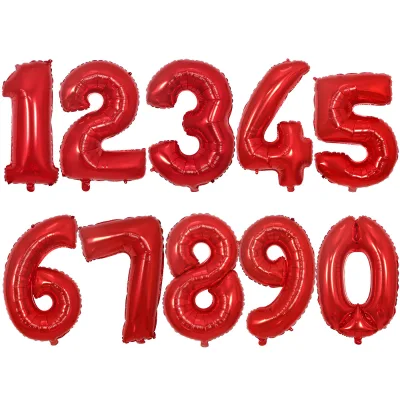
The foundation of a high-quality Digital Foil Balloon lies in its material composition. The primary material identified in the current market is aluminum foil, often referred to as metallized polyester film. This material is chosen for its durability, reflectivity, and ability to retain helium. Unlike latex balloons, foil balloons maintain their shape and volume for extended periods, making them ideal for long-duration events. The technical specifications for these products vary significantly, with standard sizes ranging from 22 inches to 32 inches, and specific custom dimensions such as 95cm or "as picture show" configurations.
When evaluating technical specifications, buyers must look beyond the nominal size. The product model codes, such as AVA1558, FY-0028, LP-FB03, and HG-05, often indicate specific design templates or production batches. These codes are essential for inventory management and reordering. Furthermore, the standard shape is typically round, though custom shapes are available through digital printing techniques. The weight of individual units is a critical factor for logistics; observed data indicates a single unit weight of approximately 10g, with a gross weight per batch of 0.15 kg for smaller packages. However, bulk shipments may vary, with packing configurations ranging from 1 piece per OPP package to 3000 pieces per carton.
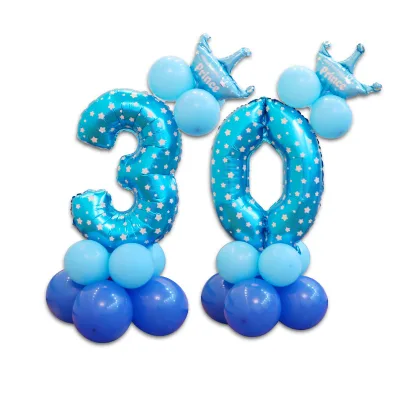
The printing techniques used for digital graphics are a defining feature of this category. The market supports "as show picture" printing, allowing for full-color, high-definition imagery that adheres to the foil surface. This capability enables the creation of custom designs for specific themes, such as holiday parties or modern western styles. The color printing for graphics often involves mix color options, providing a vibrant aesthetic that stands out in event settings. Buyers should verify that the supplier's digital printing process ensures colorfastness and resistance to peeling, as these are common failure points in lower-quality foil balloons.
Compliance, Certification, and Safety Standards
Safety and compliance are paramount when sourcing products intended for public use, particularly those involving helium and potential fire hazards. While specific certification statuses for individual suppliers cannot be asserted without direct verification, the industry generally references standards such as ASTM F963 for toy safety. Buyers must actively verify that their suppliers adhere to relevant local and international safety regulations regarding flammability and material toxicity.
The product origin plays a significant role in compliance verification. The majority of digital foil balloons in the current market originate from China, with specific manufacturing hubs identified in Zhejiang and Hebei provinces. These regions have established supply chains for aluminum foil and printing services, but they also require rigorous quality control to ensure that the final products meet safety standards. Buyers should request documentation proving that the aluminum foil used is free from harmful substances and that the printing inks are non-toxic.
Additionally, the intended usage of the balloons must align with safety guidelines. These products are classified as party and event supplies, with applications ranging from festival home decoration to general holiday parties. The age group is typically listed as "General," but procurement teams must ensure that the balloons are not marketed for use by very young children without adult supervision, given the potential choking hazards associated with deflated foil pieces. Verifying that the supplier has a clear understanding of these usage restrictions and has implemented appropriate labeling is a crucial step in the compliance process.
Cost Drivers and Pricing Structures
The pricing of digital foil balloons is influenced by a complex interplay of factors, including material costs, printing complexity, order volume, and packaging requirements. The observed price range in the market spans from $0.03 to $99 per unit, reflecting the vast difference between standard, mass-produced items and custom, high-end designs. The lower end of the spectrum typically represents basic round shapes with simple graphics, while the higher end includes large, custom-shaped balloons with intricate digital printing and specialized packaging.
Order volume is a primary driver of cost efficiency. The minimum order quantity (MOQ) observed in the market ranges from 1 piece to 10,000 pieces, with a common threshold of 10 pieces for sample orders. Suppliers often offer tiered pricing structures, where the unit cost decreases significantly as the order volume increases. For instance, orders of 3000 pieces per carton may attract a lower per-unit price compared to single-piece orders. Buyers should also consider the cost of customization; while customization is available, it often incurs additional setup fees or higher per-unit costs due to the need for digital file preparation and specialized printing runs.
Packaging and logistics also contribute to the overall cost. The product packing varies from individual OPP bags to bulk cartons containing 500 or 3000 pieces. The choice of packaging affects the shipping weight and volume, which in turn influences freight costs. For example, a product packed as 1 piece per OPP package with 600 pieces per carton may have different shipping dynamics compared to a product packed as 500 pieces per carton. Buyers must factor in these logistical details when calculating the total landed cost of their procurement.
Typical Applications and Market Segmentation
Digital foil balloons serve a diverse range of applications, making them a versatile product for various market segments. The primary usage is for party and event supplies, with specific applications including holiday parties, festivals, and home decoration. The style of these balloons often aligns with current trends, such as modern or western themes, which are popular in contemporary event planning. The product type is generally categorized as decoration, with a specific function focused on party decoration.
The versatility of digital foil balloons allows them to be used in a wide array of scenarios. They are commonly employed in birthday celebrations, weddings, corporate events, and retail promotions. The ability to customize graphics means that businesses can create branded balloons for marketing campaigns, while individuals can create personalized decorations for special occasions. The age group for these products is generally listed as "General," indicating their suitability for a broad audience. However, the specific design and theme of the balloon will determine its appeal to different demographic groups.
For event planners and procurement professionals, understanding the application context is essential for selecting the right product. A large, 32-inch balloon with a modern design may be ideal for a corporate gala, while a smaller, 22-inch balloon with a holiday theme might be better suited for a family gathering. The product model codes, such as LP-FB16 or HZ-15, often correspond to specific design themes, making it easier for buyers to match the product to the event requirements.
Supplier Evaluation and Selection Criteria
Selecting the right supplier is critical for ensuring product quality and supply chain reliability. Buyers should evaluate suppliers based on several key criteria, including their manufacturing capabilities, customization options, and logistical support. The availability of customization is a significant differentiator in the market, with many suppliers offering OEM services and package customization. This allows buyers to create unique products that align with their brand or event theme.
When evaluating suppliers, buyers should look for evidence of consistent quality control and adherence to safety standards. The product origin, such as Zhejiang or Hebei, provides insight into the supplier's location and potential logistical advantages. However, location alone is not a sufficient indicator of quality. Buyers should request samples to verify the material quality, printing clarity, and overall durability of the balloons. Additionally, the supplier's ability to handle large order volumes, such as 3000 pieces per carton, is an important consideration for bulk procurement.
Communication and responsiveness are also vital factors in supplier selection. Buyers should assess the supplier's willingness to provide detailed product information, including specifications, pricing, and lead times. The availability of multiple payment terms, such as PayPal, Western Union, MoneyGram, and T/T, indicates a level of flexibility and professionalism. Furthermore, the supplier's ability to provide export cartons and manage shipping logistics is essential for ensuring timely delivery.
Quality Control and Long-Term Procurement Considerations
Quality control is an ongoing process that requires active management by the buyer. For digital foil balloons, key quality indicators include the integrity of the foil material, the clarity of the digital print, and the effectiveness of the sealing. Buyers should implement a rigorous inspection process to ensure that the products meet their specifications. This may include visual inspections for printing defects, pressure tests for helium retention, and durability tests for handling and shipping.
Long-term procurement considerations involve building a sustainable relationship with suppliers. Buyers should aim to establish a consistent supply chain that can meet their evolving needs. This includes maintaining open communication, negotiating favorable terms, and ensuring that the supplier can scale production as demand increases. The ability to customize products and adapt to changing market trends is also crucial for long-term success.
In addition to quality control, buyers should consider the environmental impact of their procurement. The use of aluminum foil and plastic packaging raises sustainability concerns, and buyers may want to explore options for eco-friendly materials or recyclable packaging. While specific environmental certifications are not universally available, buyers can inquire about the supplier's sustainability initiatives and request information on the recyclability of the materials used.
Conclusion
Sourcing digital foil balloons requires a strategic approach that balances technical specifications, compliance requirements, cost considerations, and supplier capabilities. By focusing on the key factors outlined in this guide, buyers can make informed decisions that ensure high-quality products and a reliable supply chain. The market offers a wide range of options, from standard round shapes to custom-designed balloons, catering to diverse applications and market segments. With careful evaluation and management, procurement professionals can leverage the versatility and visual appeal of digital foil balloons to enhance their events and promotions.
FAQs
What materials are used for digital foil balloons?
Digital foil balloons are primarily made from aluminum foil or metallized polyester film. This material provides durability and a metallic sheen while retaining helium effectively for extended periods during events.
Can I customize the packaging for these balloons?
Yes, customization is available for packaging and branding. Suppliers offer options ranging from individual OPP bags to bulk cartons containing 500 or 3000 pieces per carton depending on order volume.
What are the standard sizes for these foil balloons?
Standard sizes typically range from 22 inches to 32 inches, with some specific models measuring 95 centimeters. Custom dimensions are also available to match specific design requirements shown in pictures.
How much does a single Digital Foil Balloon weigh?
A single unit typically weighs approximately 10 grams. For smaller packages, the gross weight per batch is around 0.15 kilograms, which helps in calculating shipping costs for small orders.
Which printing techniques are used for the graphics?
The graphics use digital printing techniques that allow for full-color, high-definition imagery as shown in the picture. Buyers can choose mix color options to ensure vibrant aesthetics for their specific themes.
What is the minimum order quantity for these balloons?
The minimum order quantity can be as low as 10 pieces for sample orders, though some suppliers may accept orders starting from 1 piece. Bulk orders often range up to 10,000 pieces for better pricing.
Where are these balloons manufactured?
These products originate from China, with specific manufacturing hubs located in Zhejiang and Hebei provinces. These regions have established supply chains for aluminum foil and printing services.