Source Digital Gold Chiffon Fabric for Garments, Home Textile, and Dress
Find and compare 30 Digital Gold Chiffon Fabric options from Chinese manufacturers. Evaluate specifications like yarn count, treatment, and delivery times to select the right synthetic fiber fabric for your garment, home textile, or dress projects.
Key considerations
Products List


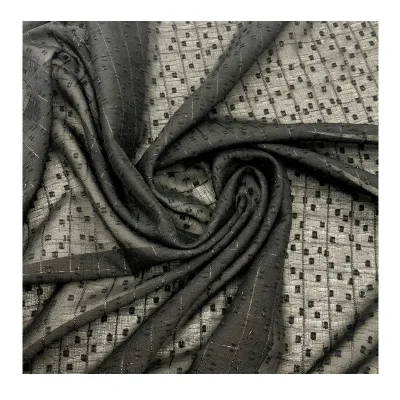

100 Polyester Fabric Woven Dress Digital Printed Chiffon Fabric for Shirt Garment
$0.32 - $0.68
MOQ: 1000 Meters

100% Polyester Shirt Fabric Colorful Digital Print Chiffon Fabric for Cloth
$0.32 - $0.68
MOQ: 1000 Meters


China Fabric 100% Polyester Fabric Wholesale Digital Printed Silk Chiffon Fabric
$0.32 - $0.68
MOQ: 1000 Meters


Fashion Bright Pink Chiffon Fabric 100% Polyester Chiffon Fabric for Dresses
$0.94 - $1.32
MOQ: 100 Yards
Comprehensive Sourcing Guide
Digital Gold Chiffon Fabric Sourcing Guide
Sourcing Digital Gold Chiffon Fabric requires a nuanced understanding of both the aesthetic demands of metallic finishes and the structural integrity of lightweight synthetic weaves. Buyers must recognize that "digital gold" typically refers to a specific visual effect achieved through advanced printing or coating technologies rather than a single standardized material composition. The core challenge lies in balancing the shimmer and colorfastness of the gold tone with the breathability and drape expected from chiffon. This guide provides a structured approach to evaluating suppliers, verifying technical specifications, and managing commercial risks associated with this specialized textile category.
Procurement teams should approach this category with a focus on verification over assumption. While market listings may suggest uniformity, the actual product attributes vary significantly based on the underlying yarn count, treatment processes, and origin. By adhering to the evidence-based signals provided in supplier listings, buyers can distinguish between high-quality, durable metallic chiffon and lower-grade alternatives that may degrade quickly or fail to meet aesthetic expectations. The following sections detail the critical steps for building a reliable supply chain for this material.
Product Scope and Observed Listing Signals
The observed market signals indicate a diverse range of product attributes that define the scope of digital gold chiffon. Listings frequently highlight specific yarn counts, such as 100d*100d or 50D, which directly influence the fabric's weight, transparency, and hand feel. These numerical specifications are critical for determining suitability for different end-uses, ranging from delicate lingerie and dresses to heavier applications like upholstery or industrial uses. Buyers must carefully cross-reference these yarn counts with their own technical requirements to ensure the selected fabric meets the desired durability and aesthetic standards.
Treatment and style variations further complicate the product scope, with suppliers offering options such as dyed, printed, or plain finishes. Some listings explicitly mention features like anti-static properties or memory functions, which add functional value beyond the visual appeal of the gold finish. Additionally, the place of origin, often cited as Shengze Town in Suzhou or Wujiang in Zhejiang, provides context regarding the manufacturing ecosystem. These regions are known for advanced synthetic fiber production, but buyers should verify that the specific origin aligns with their quality expectations and logistical preferences.
Technical Specifications to Verify
Verifying technical specifications is paramount when sourcing digital gold chiffon, as minor deviations can impact the final product's performance. Buyers should prioritize confirmation of the yarn count, ensuring it matches the required denier for the intended application. For instance, a 100d*100d specification suggests a balanced weave suitable for general garment use, while a 50D count might indicate a lighter, more sheer fabric appropriate for overlays or linings. These details must be explicitly confirmed in the purchase order to avoid receiving materials that are either too heavy or too fragile for the design intent.
The production model and standard codes listed by suppliers, such as BM-SU221 or J-66, serve as internal identifiers that should be mapped to physical samples before bulk ordering. These codes often correlate with specific weave structures or finishing treatments that affect the fabric's drape and stability. Furthermore, the type of fabric, typically identified as synthetic fiber, requires verification of the exact polymer composition, whether polyester, nylon, or a blend, as this impacts dyeability and care instructions. Buyers must ensure that the technical data sheet provided by the supplier accurately reflects the physical sample's properties.
Compliance and Safety Documentation
Compliance and safety documentation form the backbone of responsible sourcing, particularly for fabrics intended for direct skin contact or consumer goods. Suppliers often cite standards such as SGS or SGS IAF, which indicate that third-party testing has been conducted. However, buyers must verify the specific scope of these certifications to ensure they cover relevant safety parameters, such as the absence of harmful substances or compliance with regional regulations like REACH or CPSIA. Relying solely on the mention of a standard without reviewing the actual test report can leave procurement vulnerable to regulatory non-compliance.
In addition to chemical compliance, buyers should assess the documentation related to the fabric's functional claims, such as anti-static or memory properties. These features must be substantiated by test results that demonstrate their efficacy under standard conditions. For applications involving home textiles or garments, it is also crucial to verify that the digital gold finish does not compromise the fabric's flammability or durability. Requesting comprehensive compliance packages, including material safety data sheets and test certificates, is a necessary step to mitigate risk and ensure product safety.
Cost Drivers and Commercial Terms
Understanding the cost drivers and commercial terms is essential for effective budgeting and negotiation in the digital gold chiffon market. The observed price range of 0.32 to 20 USD per unit reflects significant variability based on factors such as yarn quality, printing complexity, and order volume. Buyers should analyze how these variables impact the final cost, recognizing that higher yarn counts or specialized treatments may command premium prices. It is important to request detailed cost breakdowns to understand the proportion of material, labor, and finishing costs in the quoted price.
Minimum Order Quantities (MOQ) and delivery times are critical commercial terms that influence supply chain flexibility. Listings indicate MOQs ranging from 20 meters to 5000 meters per color, allowing for both small-batch prototyping and large-scale production runs. Delivery times typically span 10 to 20 days, depending on the customization level and production schedule. Buyers should negotiate clear terms regarding lead times and penalties for delays, while also considering the packaging options, such as roll packing or bale packing, which can affect storage and handling costs.
Supplier Qualification and Quality Control
Supplier qualification and quality control processes are vital for ensuring consistent product quality in the digital gold chiffon sector. Buyers should evaluate suppliers based on their ability to provide samples that match the specified technical attributes, such as yarn count and treatment type. The availability of customization options, including specific packing requirements or pattern designs, indicates a supplier's flexibility and commitment to meeting buyer needs. It is advisable to conduct a thorough assessment of the supplier's production capabilities, including their equipment for weaving and digital printing.
Quality control measures should be integrated into the procurement process from the outset. Buyers must establish clear acceptance criteria for color consistency, weave integrity, and finish durability. Regular inspections, either through third-party agencies or internal teams, can help identify defects early in the production cycle. Additionally, verifying the supplier's supply type, such as make-to-order, ensures that the production process is aligned with the buyer's inventory management strategy. Building a strong relationship with the supplier through transparent communication and mutual expectations can significantly reduce the risk of quality issues.
Long-Term Procurement Checks
Long-term procurement checks involve continuous monitoring of supplier performance and market trends to maintain a competitive advantage. Buyers should regularly review supplier delivery times, quality consistency, and responsiveness to issues. Tracking changes in yarn counts, treatment technologies, or standard certifications can help anticipate shifts in the market and adjust sourcing strategies accordingly. Maintaining a diversified supplier base can also mitigate risks associated with single-source dependencies, ensuring continuity of supply even in the face of disruptions.
Furthermore, buyers should stay informed about evolving regulatory requirements and sustainability trends in the textile industry. As consumer awareness grows, there may be increasing demand for eco-friendly or ethically sourced fabrics. Proactively engaging with suppliers on these topics can enhance brand reputation and meet future market demands. By implementing a robust long-term procurement strategy, buyers can ensure that their sourcing of Digital Gold Chiffon Fabric remains efficient, compliant, and aligned with their overall business objectives.
FAQs
What are the available yarn counts for this fabric?
The fabric is available in multiple yarn counts including 100d*100d, 50D, 75D, and 100d. Specific counts like 50dx75d and 75dx75d are also listed. Buyers should verify the exact count required for their specific garment or hometextile application before ordering.
Can I customize the treatment and pattern of the fabric?
Yes, customization is available for both treatment and pattern. The fabric can be dyed or printed as required, and styles include plain, printed, and jacquard patterns. Buyers can request specific treatments to meet their unique design needs for garments or home textiles.
What is the minimum order quantity for this product?
The minimum order quantity varies by supplier, ranging from 20 meters to 2000 meters per color. Some listings specify 2000 meters per color as a standard requirement. Buyers should confirm the specific MOQ with the manufacturer before proceeding with a purchase order.
Where is the place of origin for this fabric?
The fabric originates from Shengze Town in Suzhou City, Jiangsu Province, China, with some sources also listing Wujiang or Zhejiang. These locations are known for synthetic fiber fabric production. Buyers can expect consistent quality from these established manufacturing hubs in China.
How long is the delivery time for orders?
Delivery times typically range from 10 to 20 days depending on the specific model and supplier. Some models like BM-JA021 have a lead time of 10-15 days, while others require 15-20 days. Buyers should plan their inventory accordingly based on the selected product model.
What certifications does the fabric meet?
The fabric meets SGS standards, with some listings specifying SGS IAF certification. These standards ensure quality and safety for various applications including garments, bedding, and industry use. Buyers can rely on these certifications for compliance in international markets.
What are the packaging options for this fabric?
Packaging options include roll packing, standard rolls, polybags, and bale packing. Some suppliers offer customer-specific packaging requirements. The fabric is typically packed in rolls or bales to ensure protection during shipping and storage for various textile applications.