Source Digital Rotating Fidget Ring for Gifts, School, and Travel
Compare 30 Digital Rotating Fidget Ring options made from metal or plastic with customizable designs. Buyers can evaluate specifications like size, material, and packaging to find suitable items for gifts, school use, and travel.
Key considerations
Products List


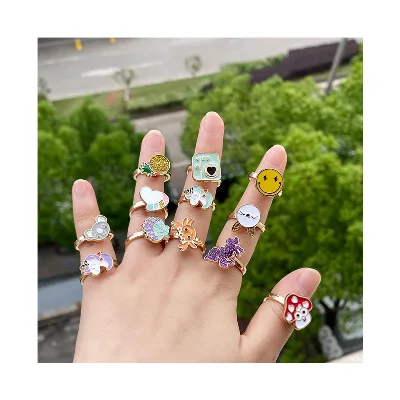


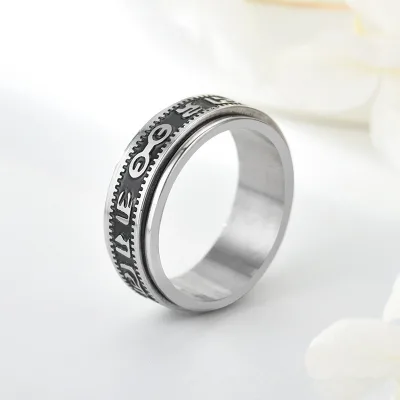


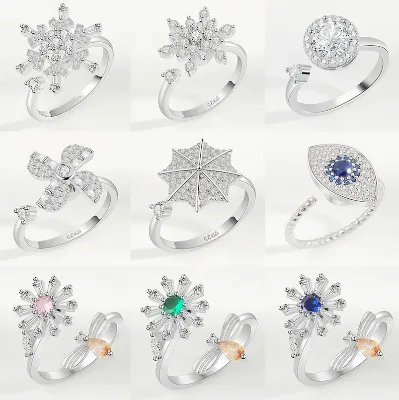

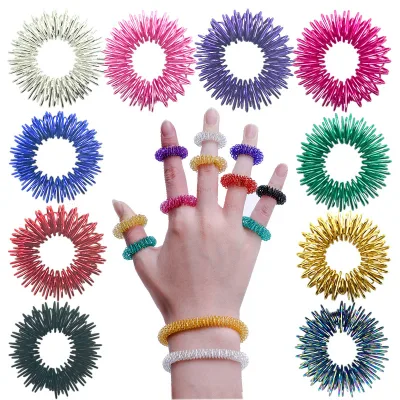



Comprehensive Sourcing Guide
Strategic Sourcing Guide for Digital Rotating Fidget Rings
Understanding Product Variants and Technical Specifications
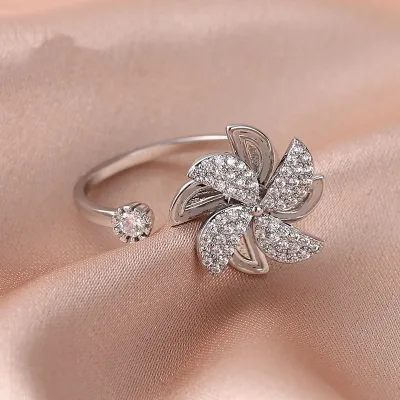
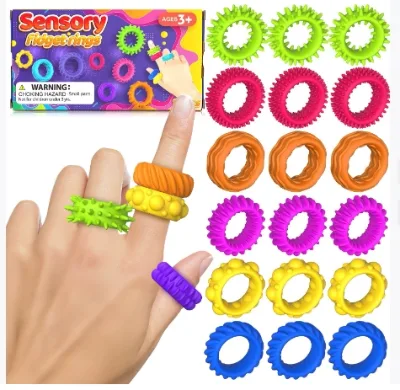
The category of digital rotating fidget rings encompasses a diverse array of mechanical and sensory devices designed to provide tactile stimulation and stress relief. When sourcing these items, buyers must first distinguish between the specific mechanical models available in the market. The observed product landscape includes distinct models such as the "Rotating Decompression Ring," "Sensory Ring," "Press to Spin Fidget Spinner," and "Magnetic Ring." Each variant operates on different mechanical principles, ranging from simple manual rotation to magnetic levitation effects.
Technical specifications are critical for defining the scope of procurement. The physical dimensions of these rings vary significantly based on the model. Observed data indicates standard sizes including 4.2cm, 2.5cm, and 6cm (approximately 2.37 inches). For packaging and logistics planning, specific product dimensions such as 6x6x1 cm or larger formats like 8.38 x 5.07 x 3.51 inches have been noted. The weight of individual units is another vital specification, with observed single gross weights ranging from 3.5g to 7g, and a specific model noted at 5g.
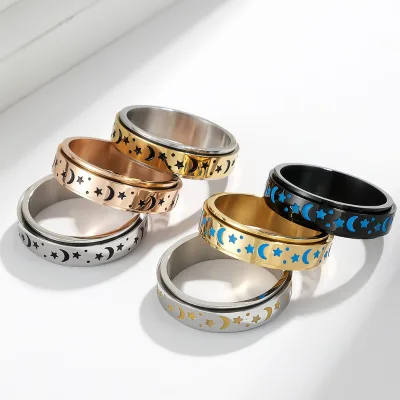
The material composition is a primary differentiator in this sector. Suppliers offer options in both Metal and Stainless Steel, which provide durability and a premium feel, as well as Plastic, which is often used for cost-effective, colorful variants. The manufacturing process for metal versions frequently involves Electroplating and High Polishing to achieve a smooth finish. The shape is predominantly Round, and the design is often customizable to match specific visual requirements. Color options are extensive, with listings showing availability in a wide spectrum ranging from 1 to 42 distinct colors, including multicolor configurations.
Compliance, Safety, and Material Standards
In the realm of fidget rings, particularly those intended for "All Ages" and "School/Travel" use, compliance with safety standards is paramount. Buyers must verify that the materials used meet international safety requirements for toys and personal accessories. The supplied facts highlight a specific attribute regarding "Lead-Free and Nickle-Free" testing. This is a crucial compliance indicator, as nickel allergies are common, and lead content is strictly regulated in consumer goods.
When evaluating suppliers, procurement teams should request documentation confirming these material safety claims. While the provided data mentions "Lead-Free and Nickle-Free" as an attribute, buyers should not assume this applies to every listed product without verification. It is essential to ask for third-party test reports or certificates of analysis that explicitly validate the absence of these heavy metals. Furthermore, the "Highest Quality Print" attribute suggests that decorative elements must also adhere to safety standards regarding ink toxicity, especially for products marketed to children.
The "Standard" attribute in the data includes numerical values like 4.2cm and 2.5cm, which appear to refer to physical dimensions rather than regulatory standards. Buyers should not confuse physical specifications with compliance certifications. Instead, they must actively seek out recognized safety certifications such as ASTM F963 (Standard Consumer Safety Specification for Toy Safety) or EN71 (European safety standards for toys) depending on the target market. The "Production Origin" data points to regions like Shanxi and Guangdong in China, which are major manufacturing hubs. While these regions have robust supply chains, the specific factory's compliance history must be vetted individually, as origin alone does not guarantee adherence to safety protocols.
Cost Drivers and Pricing Dynamics
The pricing structure for digital rotating fidget rings is influenced by several key variables, including material selection, customization complexity, and order volume. The observed price range in the market spans from $0.07 to $100 per unit. This wide disparity reflects the difference between basic plastic models and premium stainless steel versions with advanced features or custom branding.
Material cost is a primary driver. Stainless Steel and Metal rings generally command higher prices than Plastic alternatives due to the raw material cost and the additional processing required, such as electroplating and high polishing. Customization is another significant cost factor. The availability of "Customization" and options for "Laser Logo or Engraved Logo" add value but also increase the unit cost. Buyers should anticipate a price premium for custom branding, especially if the logo requires complex laser etching or deep engraving on metal surfaces.
Order volume plays a decisive role in the final unit price. The observed Minimum Order Quantity (MOQ) ranges from 1 to 5000 units. This flexibility allows buyers to test the market with small quantities or secure bulk pricing for large-scale distribution. The "Free Sample" and "Fast Delivery Within One Day" attributes suggest that suppliers may offer competitive terms for initial sampling, which can influence the overall procurement strategy. However, buyers must be aware that while sample costs might be low or waived, the unit price for the bulk order will likely be higher than the lowest observed price point of $0.07, which likely corresponds to high-volume plastic orders.
Typical Applications and Target Demographics
The versatility of digital rotating fidget rings makes them suitable for a broad range of applications and demographics. The "Usage" attribute explicitly lists "Gift," indicating their popularity as promotional items or personal presents. The "Style" is described as "Fashion," suggesting that these rings are designed to be worn as accessories rather than purely functional tools. The "Gender" is listed as "Unisex," and the "Age Range" covers "All Ages," making them a universal product category.
Specific use cases include "School/Travel" environments, where the "Manual" operation mode allows for discreet stress relief without disrupting activities. The "Features" such as "Expandable Capacity" and "Lightweight Comfort" are particularly relevant for users who need to wear the ring for extended periods. The "Operation Mode" being manual ensures that the product does not require batteries or digital charging, enhancing its reliability and longevity.
The "Type" is categorized as "Prime Ring," which may imply a primary or standard model in a supplier's catalog. The "Design" is noted as "as shown," suggesting that visual appeal is a key selling point. For B2B buyers, understanding these applications is essential for tailoring the product mix. A buyer targeting the corporate gift market might focus on the stainless steel, laser-engraved models with a "Fashion" style, while a buyer targeting educational institutions might prioritize the plastic, multicolor, and lightweight options that are safe and durable for children.
Supplier Evaluation and Quality Control Protocols
Selecting the right supplier requires a rigorous evaluation process that goes beyond the basic product listing. Buyers should assess the supplier's capability to handle the full range of attributes observed, from "OPP Bag, Transparent Plastic Box" to "Paper Box" packaging. The choice of packaging can impact the perceived value of the product and must align with the brand's image.
Quality control is critical, especially given the "High Polishing" and "Electroplating" processes involved. Buyers should implement a quality assurance plan that includes visual inspections for surface defects, such as scratches or uneven plating. The "Single Gross Weight" variations (3.5g, 4g, 5g, 7g) indicate that weight consistency is a potential quality metric. Deviations from the specified weight could indicate material inconsistencies or manufacturing defects.
When evaluating suppliers, buyers should verify their ability to meet the "Resizable" specification for ring sizes, which are listed as 5, 7, 8, 9, 10, 11. This flexibility is a significant value proposition but requires precise manufacturing control. Additionally, the "Sample" availability allows buyers to test the product physically before committing to a large order. The "Fast Delivery Within One Day" for samples is a positive indicator of operational efficiency, but buyers must ensure that this speed does not compromise the quality of the sample provided.
Long-Term Procurement and Supply Chain Considerations
For long-term procurement success, buyers must consider the scalability and reliability of the supply chain. The "Production Origin" in China, specifically Shanxi and Guangdong, offers access to a mature manufacturing ecosystem. However, buyers should establish clear communication channels to manage lead times and production schedules. While specific lead times are not provided in the data, the existence of a wide MOQ range (1-5000) suggests that suppliers are accustomed to handling both small and large orders.
Sustainability and material sourcing are increasingly important in the B2B sector. Buyers should inquire about the source of the "Stainless Steel" and "Plastic" materials to ensure they meet environmental standards. The "Lead-Free and Nickle-Free" attribute is a strong starting point for sustainability, but buyers should also ask about the recyclability of the packaging materials, such as "OPP Bag" or "Paper Box."
Finally, the "Customization" capability offers a strategic advantage for brand differentiation. Buyers should work closely with suppliers to develop unique designs that leverage the "Laser Logo or Engraved Logo" options. This customization can help create a distinct market presence and foster customer loyalty. By maintaining a focus on quality, compliance, and customization, buyers can build a resilient supply chain for digital rotating fidget rings that meets the evolving demands of the global market.
Comparative Analysis of Product Attributes
To facilitate decision-making, the following table summarizes the key attributes observed in the product listings. This comparison highlights the diversity in specifications and helps buyers identify the most suitable options for their specific needs.
| Attribute Category | Specific Observations | Relevance for Procurement |
|---|---|---|
| Material | Metal, Stainless Steel, Plastic | Determines durability, cost, and target demographic. |
| Dimensions | 2.5cm, 4.2cm, 6cm, 6x6x1 cm, 8.38x5.07x3.51 in | Critical for packaging, shipping, and user fit. |
| Weight | 3.5g, 4g, 5g, 7g | Indicates material density and comfort level. |
| Color Options | 1-42 colors, Multicolor | Supports branding and aesthetic customization. |
| Packaging | OPP Bag, Transparent Plastic Box, Paper Box | Affects perceived value and protection during transit. |
| Customization | Laser Logo, Engraved Logo, Custom Design | Enables brand differentiation and marketing alignment. |
| Safety | Lead-Free, Nickle-Free, Highest Quality Print | Essential for compliance and consumer trust. |
| Usage | Gift, School/Travel, Fashion, Unisex | Defines the target market and application context. |
This structured approach to understanding the product attributes ensures that buyers can make informed decisions based on factual data rather than assumptions. By focusing on these core elements, procurement teams can effectively navigate the complex landscape of digital rotating fidget rings and secure high-quality products that meet their business objectives.
FAQs
What materials are used for digital rotating fidget rings?
These rings are commonly made from metal, stainless steel, or plastic. Stainless steel options often feature electroplating and high polishing for a premium finish, while plastic variants provide colorful, cost-effective alternatives suitable for various age groups.
Can buyers request custom logos on these rings?
Yes, customization is available with options for laser or engraved logos. Buyers can also select from over 40 color variations and specific designs to match their branding needs, making these items ideal for corporate gifts or promotional campaigns.
What are the typical size and weight specifications?
Standard sizes include 2.5cm, 4.2cm, and 6cm, with some packaging dimensions reaching 8.38 inches. Individual unit weights range from 3.5g to 7g, ensuring lightweight comfort for extended wear during school or travel activities.
Are these rings safe for children and schools?
Many models are tested to be lead-free and nickel-free, ensuring safety for all ages. They are explicitly suitable for school and travel use, featuring manual operation modes that do not require batteries or digital charging.
What is the minimum order quantity for bulk purchases?
The minimum order quantity ranges from 1 to 5000 units, offering flexibility for testing or large-scale distribution. This wide range allows buyers to start with small sample orders before committing to significant bulk procurement volumes.
How are these products packaged for shipping?
Packaging options include OPP bags, transparent plastic boxes, and paper boxes depending on the model. The choice of packaging can impact the perceived value and must align with the brand's image and protection requirements during transit.