Source Digital Signage for Outdoor, Indoor, and Bus Applications
Find 30 Digital Signage units with IPS screens, Android OS, and capacitive touch options. Buyers can compare specifications like 4K resolution, waterproof features, and mounting styles for advertising and surveillance use cases.
Key considerations
Products List


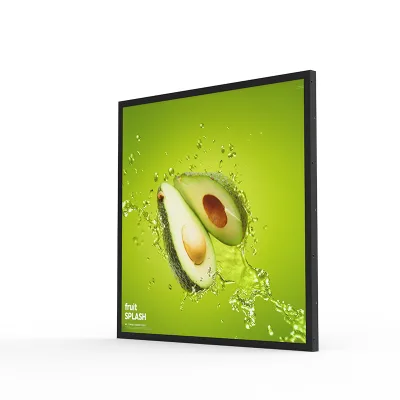
55-Inch Vertical Rotating Digital Signage with HD Display and Remote Management
$608.00 - $648.00
MOQ: 5 Pieces


Comprehensive Sourcing Guide
Digital Signage Sourcing Guide
Sourcing Digital Signage requires a disciplined approach to balancing hardware durability with software flexibility, particularly when deploying units in high-traffic or outdoor environments. The market offers a wide spectrum of devices, ranging from standard indoor LCD monitors to ruggedized outdoor floor-standing kiosks with touch capabilities. Buyers must first define the deployment context, as this dictates the necessary ingress protection, processing power, and mounting infrastructure. For instance, outdoor advertising players demand waterproofing and high-brightness displays, while indoor bus or car AD players prioritize compact form factors and specific connectivity options like USB or HDMI for content updates.
The procurement process is further complicated by the diversity of available specifications, including screen sizes from 19.5 to 40 inches and varying resolution standards such as 4K Ultra HD or 1920x1080. Buyers should not assume that all listed products share identical performance characteristics; instead, they must verify each unit’s specific attributes against their operational requirements. This guide outlines the critical verification steps for technical specs, compliance, cost structures, and supplier qualifications to ensure a successful procurement outcome.
Product Scope and Observed Listing Signals
The observed market for Digital Signage includes a variety of form factors, prominently featuring floor-standing units and wall-mounted displays. Listings indicate a price range of $8 to $8,999, reflecting the disparity between basic indoor monitors and complex, feature-rich outdoor kiosks. Minimum Order Quantities (MOQ) typically range from 1 to 5 units, suggesting that suppliers are flexible for pilot deployments or small-scale rollouts. Buyers should note that while some units are described as "rigid" or "synthetic fiber" based, these material descriptions often refer to internal PCB or structural components rather than the visible casing, requiring careful interpretation of product datasheets.
Key observed attributes include the prevalence of IPS panel technology, which offers superior viewing angles and color consistency compared to older TN panels. Many units support capacitive or infrared touch screens, a critical feature for interactive kiosks in retail or public spaces. Connectivity options are diverse, with HDMI, USB, and Wi-Fi being common interfaces. Additionally, the presence of remote controls and built-in cameras in some models indicates advanced functionality for user interaction and analytics. Buyers must distinguish between these observed features and generic claims, verifying that the specific model ordered includes the necessary ports and sensors for their intended application.
Technical Specifications to Verify
Screen technology and resolution are primary determinants of visual quality and suitability for different environments. Buyers should verify whether the display uses LCD or LED technology, with IPS being a preferred standard for its wide viewing angles. Resolution should be confirmed against the content requirements; for example, 4K Ultra HD is essential for high-detail graphics, while 1920x1080 may suffice for standard advertising. Response times, such as the observed 6ms, are less critical for static ads but important for interactive touch applications. Buyers must also check the aspect ratio, with 16:9 being the standard for widescreen content, ensuring compatibility with most video and image formats.
Processing power and operating system compatibility are equally vital for seamless content management. Many units run on Android OS, which offers a vast ecosystem of media players and management software. The presence of quad-core processors, such as the RK3568 running at 2.0 GHz, indicates sufficient power for smooth video playback and multitasking. Memory configurations, including 2GB RAM and 32GB storage, should be verified to ensure they can handle the intended content library and software updates. Buyers should also confirm the availability of customization options for storage and memory, as pre-configured units may not meet the needs of large-scale deployments with extensive media libraries.
Compliance and Safety Documentation
Safety and regulatory compliance are non-negotiable for Digital Signage, especially in public or commercial spaces. Buyers must request documentation for electrical safety, electromagnetic compatibility, and environmental standards. While CE certification is mentioned in background data, buyers should verify the specific test reports and certificates for each model, as compliance can vary by region and manufacturer. For outdoor units, ingress protection ratings (IP ratings) are crucial to ensure resistance to dust and water, which is often implied by terms like "waterproof" but must be quantified in the technical datasheet.
Fire safety is another critical aspect, particularly for the materials used in the casing and internal components. Buyers should inquire about flame-retardant properties, such as FR ratings, and the types of insulation materials used, such as organic resins. These details are often found in the product’s material safety data sheet (MSDS) or technical specifications. Additionally, buyers should verify that the power supplies and adapters meet local voltage and frequency requirements, and that they have appropriate safety certifications for the destination market. Ensuring compliance with these standards mitigates legal risks and enhances the safety of the end-users.
Cost Drivers and Commercial Terms
The cost of Digital Signage is influenced by several factors, including screen size, resolution, touch capability, and environmental ruggedness. Larger screens, such as those in the 40-50 inch range, command higher prices than smaller 19.5-inch units. Touch screens, particularly capacitive types, add to the cost due to the additional layer and calibration requirements. Outdoor units with waterproofing and high-brightness displays are significantly more expensive than indoor counterparts. Buyers should analyze the total cost of ownership, including potential costs for mounting hardware, content management software licenses, and maintenance.
Commercial terms such as warranty and support services are critical components of the procurement decision. Observed warranties range from 1 to 3 years, which is standard for electronic displays. Buyers should clarify what is covered under the warranty, including parts and labor, and whether on-site support is available. Free parts support is mentioned as a service option, which can reduce long-term maintenance costs. Additionally, buyers should negotiate clear terms for returns, replacements, and technical support, ensuring that any defects or malfunctions are addressed promptly to minimize downtime in their signage network.
Supplier Qualification and Quality Control
Supplier qualification is essential to ensure the reliability and consistency of Digital Signage products. Buyers should verify the supplier’s manufacturing capabilities, including their production capacity and quality control processes. Factories in China, particularly in Guangzhou, are common sources for these products, but buyers should conduct due diligence to ensure the supplier has a proven track record of exporting to their region. Requesting samples before placing a bulk order is a prudent step to evaluate build quality, screen performance, and software stability.
Quality control measures should include checks for dead pixels, color uniformity, and touch responsiveness. Buyers should also verify the packaging standards, as Digital Signage units are fragile and require robust protection during transit. Observed packaging includes wooden boxes, cartons with foam sponge, and wooden cases, which provide varying levels of protection. Buyers should ensure that the packaging is suitable for the shipping method and destination, minimizing the risk of damage during transit. Additionally, suppliers should provide clear assembly and installation instructions, as improper installation can lead to safety hazards and premature failure.
Long-Term Procurement Checks
Long-term procurement success depends on the supplier’s ability to provide ongoing support and updates. Buyers should inquire about the availability of firmware updates and software compatibility with future content management systems. Digital Signage technology evolves rapidly, and units that cannot be updated may become obsolete quickly. Buyers should also assess the supplier’s inventory management and lead times, ensuring they can replenish stock or replace faulty units promptly.
Sustainability and end-of-life disposal are increasingly important considerations for Digital Signage procurement. Buyers should ask about the recyclability of the units and the supplier’s policies for electronic waste disposal. Additionally, buyers should monitor the supplier’s financial stability and reputation to ensure they will be available for future support and warranty claims. By establishing a strong relationship with a qualified supplier and maintaining clear communication, buyers can ensure the long-term success of their Digital Signage deployments.
FAQs
What resolution and screen sizes are available for Digital Signage?
Available resolutions include 1920x and 4K Ultra HD with screen sizes ranging from 19.5 to 50 inches. These units support various applications like outdoor advertising and surveillance while maintaining high clarity for detailed content display.
Can I customize the Digital Signage for specific installation needs?
Yes, customization is available for installation types including vertical, wall-mounted, and floor stand configurations. Buyers can also request specific storage capacities and interface types to match their unique operational requirements and space constraints.
Which interface types are supported by these Digital Signage units?
Supported interfaces include HDMI, USB, DC, and SD ports for versatile connectivity. These units often feature capacitive or infrared touch screens and come with remote controls to ensure easy management and integration with existing systems.
How long is the warranty period for the Digital Signage products?
The warranty period typically ranges from one to three years depending on the specific model and supplier terms. Free parts support is often included during this period to ensure long-term reliability and minimal downtime for your operations.
What operating system runs on these Digital Signage displays?
These units operate on the Android operating system, providing a flexible platform for various applications. They are designed as network version AD players suitable for indoor, outdoor, and semi-outdoor environments with robust performance capabilities.
Are these Digital Signage units suitable for outdoor environments?
Yes, the units are designed for outdoor use with features like waterproofing and rugged construction. They utilize IPS technology and are built to withstand various weather conditions while delivering clear visuals for advertising and information display.