Source Disc Type Olive Pitting Machine for Dates, Lychee, and Fruits
Compare 30 disc type olive pitting machines from Henan, China, featuring 304 stainless steel construction and capacities up to 200kg/h. Buyers can evaluate models like BX-QH and WEQH-1214 for date palm, gray date, and olive processing needs.
Key considerations
Products List


Easy Operation 45mm Olive Pitter Fruit Pitting Machine with Cheap Price
$3300.00 - $7120.00
MOQ: 1 Sets


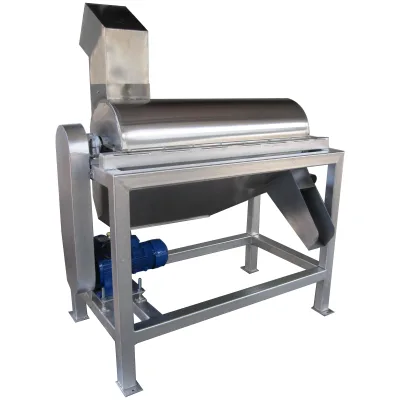
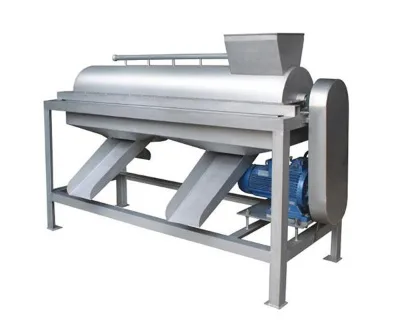
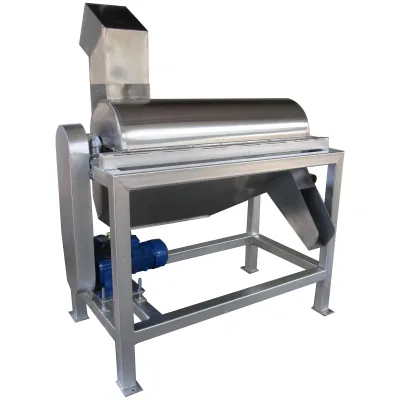
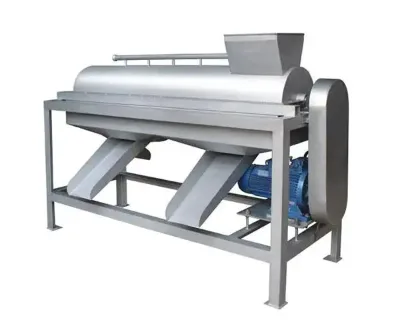
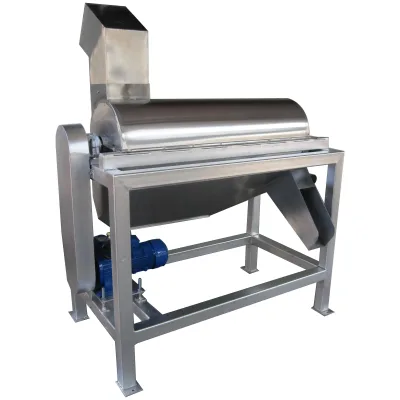


Large Capacity Palm Date Olive Pitter Date Pitting Cherry Pitting Machine
$1600.00 - $1900.00
MOQ: 1 Pieces


Popular Cherry Pit Removing Machine Date Olive Plum Prune Cherry Pitting Machine
$1600.00 - $1900.00
MOQ: 1 Pieces

Commercial Cherry Pitter Industrial Fruit Date Olive Pitting Machine
$8000.00 - $8900.00
MOQ: 1 Pieces
Comprehensive Sourcing Guide
Strategic Sourcing Guide for Disc Type Olive Pitting Machines
The global demand for processed fruits, particularly olives and dates, has driven a significant increase in the need for efficient mechanical pitting solutions. For procurement officers and facility managers, the Disc Type Olive Pitting Machine represents a critical piece of equipment in the fruit processing line. Sourcing this machinery requires a disciplined approach that balances technical specifications, operational efficiency, and compliance with international standards. This guide provides a comprehensive framework for evaluating potential suppliers and selecting the right equipment based on verified product attributes and industry best practices.
Technical Specifications and Operational Capabilities
When evaluating a Disc Type Olive Pitting Machine, the primary focus must be on the mechanical design that facilitates the removal of pits while preserving the integrity of the fruit flesh. The core mechanism typically involves rotating discs with specific grooves or teeth designed to crush or separate the pit from the fruit. Based on available market data, these machines often operate on a power range of 1.1KW to 1.5KW, with voltage requirements varying between 220V and 380V depending on the specific model and regional electrical standards. Buyers must verify the voltage compatibility of the unit with their facility's power supply to prevent operational failures.
The physical dimensions of the machine are equally critical for factory floor planning. Observed specifications indicate that units can vary significantly in size, with some models measuring approximately 400012001300mm, while others are more compact at 230012801220mm. The weight of these units also varies, ranging from 370kg to 480kg, which impacts foundation requirements and logistics planning. Capacity is another key metric; high-performance units are observed to handle up to 200kg of fruit per hour. This throughput capability must align with the overall production volume of the processing plant to avoid bottlenecks.
Furthermore, the versatility of the machine is a major technical consideration. While the core keyword focuses on olives, many modern disc pitting machines are designed with adjustable settings to handle various fruit types, including dates, jujubes, and lychees. The scope of application often includes fruits with diameters customizable under 10cm, allowing for a broad range of raw material processing. The pitting rate is a crucial performance indicator, with advanced models claiming rates as high as 99% to 99.5%, ensuring minimal waste and maximum yield.
Material Construction and Durability Standards
The longevity and hygiene of food processing equipment are directly tied to the materials used in its construction. In the fruit processing industry, food-grade materials are non-negotiable. The supplied data consistently highlights the use of 304 Stainless Steel for the primary construction of these machines. This grade of stainless steel is preferred for its resistance to corrosion, ease of cleaning, and ability to withstand the acidic nature of fruit juices. The use of 304 Stainless Steel ensures that the machine meets basic sanitary requirements and can endure the rigorous cleaning cycles necessary in food production environments.
However, buyers must exercise caution when interpreting material claims. While 304 Stainless Steel is the standard for the main body and contact surfaces, other components such as fasteners or internal mechanisms may utilize different steel grades. It is essential to request a detailed bill of materials from the supplier to confirm that all parts coming into contact with the fruit are food-safe. Additionally, the structural integrity of the machine frame is vital for maintaining the precision of the disc mechanism during high-speed operation. The observed weight of the machines, ranging from 370kg to 480kg, suggests a robust build, but the specific distribution of this weight and the quality of the welding should be verified during the inspection phase.
Compliance, Certification, and Safety Standards
Navigating the regulatory landscape is a critical step in the procurement process. While the supplied data mentions certifications such as ISOCE, buyers should not assume that all listed products automatically possess this status. Instead, the presence of a certification claim should be treated as a verification point rather than a guarantee. Procurement teams must request valid, up-to-date certification documents from the supplier to confirm compliance with international safety and quality standards.
In the context of food machinery, compliance often extends beyond general certifications to include specific food safety standards like HACCP or ISO 22000. The machine's design should also adhere to electrical safety standards relevant to the region of operation, particularly regarding the voltage differences observed (220V vs. 380V). The "Customized" standard noted in product attributes suggests that some manufacturers offer tailored compliance solutions, but this requires clear communication of the buyer's specific regulatory requirements.
Safety features are another aspect of compliance that cannot be overlooked. The automatic grade of the machines implies the presence of safety interlocks and emergency stop mechanisms. Buyers should verify that these safety systems are designed to prevent accidental activation and ensure operator safety during maintenance or cleaning. The "Automatic" version of the machine, as noted in the data, likely includes automated feeding and discharge systems, which must be equipped with appropriate guarding to prevent injury.
Cost Drivers and Pricing Dynamics
Understanding the cost structure of disc type olive pitting machines is essential for budgeting and ROI analysis. The observed price range for these units spans from $1,500 to $9,426.17 USD. This wide variance is driven by several factors, including the machine's capacity, level of automation, material quality, and the extent of customization. Higher-priced units typically offer greater throughput, advanced automation features, and more robust construction materials.
The manufacturing time is another cost driver, with a standard lead time of approximately 28 days observed in the market. This production period can fluctuate based on the complexity of the order and the supplier's current workload. Buyers should factor this lead time into their production planning to avoid delays in their processing lines. Additionally, the packaging method, often specified as a "Wooden Box" or "Plywood Case," adds to the overall cost and must be considered when calculating shipping expenses.
Customization is a significant factor in pricing. The "Customized" attribute indicates that buyers can request modifications to the machine's dimensions, voltage, or specific functional parameters. While customization allows for a perfect fit, it inevitably increases the unit cost and may extend the manufacturing time. Buyers must weigh the benefits of a tailored solution against the additional investment required.
Supplier Evaluation and Verification
Selecting the right supplier is as important as selecting the right machine. The data indicates that many manufacturers are located in Henan, China, with specific origins noted in Zhengzhou. While this geographic concentration suggests a hub of expertise, it also means that buyers should conduct thorough due diligence to distinguish between high-quality manufacturers and those with lower standards.
Key evaluation criteria should include the supplier's track record in the fruit processing industry, their ability to provide technical support, and their responsiveness to inquiries. The "Customization" availability is a positive indicator of a supplier's flexibility, but it must be backed by a clear process for design, prototyping, and testing. Buyers should request references from previous clients who have purchased similar machines for olive or date processing to validate the supplier's claims.
Quality control processes at the supplier's facility are also critical. Buyers should inquire about the testing procedures used to verify the pitting rate and the durability of the machine before shipment. The "Pitting Rate" of 99% or higher mentioned in the data should be supported by test reports or third-party verification. Additionally, the "Manufacture Time" of 28 days should be treated as a baseline, with clear communication regarding any potential delays.
Quality Control and Inspection Protocols
Implementing a robust quality control (QC) protocol is essential to ensure that the delivered machine meets all specifications. Before finalizing the purchase, buyers should consider conducting a pre-shipment inspection. This inspection should verify the machine's dimensions, material composition, and electrical components against the agreed-upon specifications. The "Size" and "Weight" of the machine must match the purchase order to ensure it fits the intended installation space.
Functional testing is another critical component of QC. The machine should be tested with actual fruit samples to verify the pitting rate and the quality of the processed fruit. The "Nucleation Rate" or pitting efficiency should be measured to ensure it meets the required threshold. Any discrepancies in performance should be addressed before the machine is shipped.
Packaging is also a key area for inspection. The "Wooden Box" or "Plywood Case" packaging must be robust enough to protect the machine during transit. Given the weight of the units, the packaging should be designed to prevent shifting or damage. Buyers should verify that the packaging includes all necessary accessories, manuals, and spare parts as specified in the order.
Long-Term Procurement and Maintenance Considerations
The procurement of a Disc Type Olive Pitting Machine is not a one-time transaction but the beginning of a long-term relationship with the supplier. Maintenance and support are critical for ensuring the machine's longevity and continued performance. Buyers should inquire about the availability of spare parts, particularly for high-wear components like the discs and bearings. The "Automatic" nature of the machine implies a need for regular maintenance to keep the automated systems functioning correctly.
Training is another important consideration. The supplier should provide comprehensive training for the operators and maintenance staff to ensure the machine is used correctly and maintained properly. This training should cover safety protocols, operational procedures, and troubleshooting techniques. The "Customized" nature of some machines may require specific training to operate the unique features effectively.
Finally, buyers should consider the scalability of their procurement strategy. As the business grows, the need for additional machines or upgrades may arise. Establishing a relationship with a supplier who can provide scalable solutions and ongoing support will be beneficial for long-term operations. The "Scope of Application" for the machine, which includes various fruit types, suggests that the equipment can be versatile as the product line expands, making it a valuable long-term asset.
Conclusion
Sourcing a Disc Type Olive Pitting Machine requires a meticulous approach that balances technical requirements, compliance standards, and supplier reliability. By focusing on the verified attributes such as material quality, power specifications, and capacity, buyers can make informed decisions that align with their production goals. The wide range of prices and specifications available in the market offers flexibility, but it also demands careful evaluation to ensure the selected machine delivers the expected performance. Through rigorous supplier evaluation, quality control, and long-term planning, procurement teams can secure a reliable solution that enhances their fruit processing capabilities and supports business growth.
FAQs
What voltage options are available for disc type olive pitting machines?
These machines typically operate on 220V or 380V depending on the specific model and regional electrical standards. Buyers must verify voltage compatibility with their facility to prevent operational failures before purchasing.
How much does a Disc Type Olive Pitting Machine cost?
The price range for these units spans from 1500 to 9426.17 USD based on capacity and automation levels. Higher-priced units usually offer greater throughput and more robust construction materials.
Can the machine handle fruits other than olives?
Yes, the scope of application includes dates, jujubes, and lychees with diameters customizable under 10cm. This versatility allows the equipment to process various raw materials efficiently.
What is the manufacturing lead time for these machines?
The standard manufacture time is approximately 28 days from order confirmation. This production period can fluctuate based on the complexity of the order and the supplier's current workload.
Which material is used to construct the machine body?
The primary construction uses 304 Stainless Steel for resistance to corrosion and ease of cleaning. This food-grade material ensures the machine meets basic sanitary requirements for fruit processing environments.
What is the typical pitting rate for these machines?
Advanced models claim pitting rates as high as 99% to 99.5% to ensure minimal waste. Buyers should request test reports to verify these performance claims before finalizing the purchase.