Source Disco Style Wireless Headphone for Mobile Phone, Computer, and DJ
Find 30 available options for the Disco Style Wireless Headphone designed for mobile phones, computers, and DJ setups. Buyers can compare features like Bluetooth 4.0, noise cancelling, and foldable designs from verified suppliers in China.
Key considerations
Products List


Wireless Headphones Bluetooth in-Ear Headphone Noise Canceling Earphones
$7.10 - $7.30
MOQ: 100 Pieces

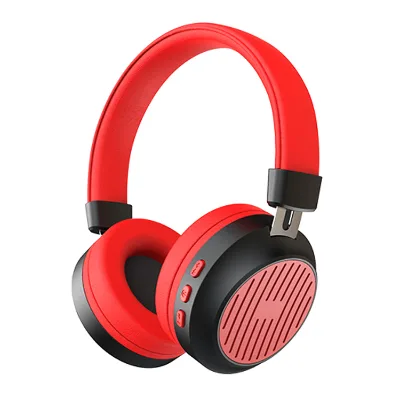
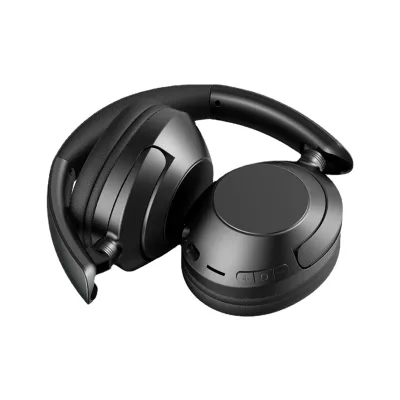
Comprehensive Sourcing Guide
Strategic Sourcing Guide for Disco Style Wireless Headphones
The global market for consumer electronics has seen a surge in demand for audio devices that blend functional performance with distinctive aesthetics. When sourcing "disco style wireless headphones," buyers are often looking for products that feature vibrant lighting, retro-futuristic designs, or high-visibility elements suitable for nightlife, parties, and sports events. However, the term "disco style" in a B2B context is primarily a design descriptor rather than a strict technical standard. Procurement teams must navigate a complex landscape where visual appeal intersects with rigorous wireless connectivity standards, safety certifications, and supply chain reliability. This guide provides a structured approach to evaluating suppliers and products that meet these specific aesthetic and functional requirements, ensuring that the final procurement aligns with both market trends and operational safety.
Technical Architecture and Connectivity Standards
Understanding the underlying technology is the first step in sourcing wireless headphones. The supplied product data indicates a prevalence of Bluetooth connectivity, specifically citing versions such as 4.0 and 4.1. While Bluetooth 4.0 offers a solid foundation for audio streaming, buyers must verify if the specific "disco style" units support newer versions like 5.0 or 5.1, which offer improved range and lower power consumption. The data highlights a distinction between Class A and Class B distance versions. Class A typically supports a range of up to 100 meters, whereas Class B is limited to approximately 10 meters. For a product intended for active use in large venues or outdoor events, Class A is generally preferred to ensure stable connections without dropouts.
Connectivity options vary significantly across the product pool. Some units rely exclusively on wireless transmission, while others include auxiliary inputs such as 3.5mm and 6.3mm jacks. This dual-mode capability is crucial for versatility, allowing the headphones to function in environments where Bluetooth pairing is unavailable or unstable. The data also notes specific protocols like HSP (Headset Profile) and HFP (Hands-Free Profile). HSP is optimized for audio playback, while HFP is designed for voice communication. A product claiming to be suitable for "Call Center" or "DJ" applications must robustly support HFP to ensure clear voice transmission during two-way communication. Additionally, the presence of "Power Display" characteristics suggests that the device includes an LED indicator for battery status, a feature that is highly valued by users who need to monitor charge levels during extended events.
Design Aesthetics and Functional Features
The "disco" designation implies specific visual and functional traits. While the supplied data lists standard colors like "Black," the core of the disco aesthetic often involves dynamic lighting effects, such as LED strips or flashing elements synchronized with music. Buyers should verify if the product supports "Dual Track" sound or "3D stereo" capabilities, as these features enhance the immersive experience required for party environments. The data mentions "Foldable" designs and "Headband" types, which are practical for storage and transport. However, the "in-Ear" style is also present in the dataset, suggesting that the market offers a variety of form factors under the same aesthetic umbrella.
Customization is a critical factor for B2B buyers. The data confirms that "Customization: Available" is a common attribute, with options for OEM branding. This allows retailers to apply their own logos and potentially modify the color schemes or lighting patterns to match their brand identity. Conversely, some entries explicitly state "Support Customization or Not: Not," indicating a limitation in the supply chain for certain models. Buyers must distinguish between suppliers who offer full OEM/ODM services and those who only provide white-label products. The "Principle: Capacitive" mention suggests touch control interfaces, which are modern and user-friendly but require careful quality assurance to ensure responsiveness in various lighting conditions.
Compliance, Certification, and Safety Verification
In the electronics sector, compliance is non-negotiable. The supplied facts list specific certifications including CE, RoHS, and FCC. These are essential for market access in Europe, the United States, and other regulated regions. CE indicates conformity with health, safety, and environmental protection standards for products sold within the European Economic Area. RoHS (Restriction of Hazardous Substances) ensures that the device does not contain specific hazardous materials like lead or mercury, which is critical for environmental compliance. FCC certification is mandatory for electronic devices sold in the United States to ensure they do not cause harmful interference.
However, buyers must treat these certifications as observations of specific listings rather than universal guarantees for all products in the category. Not every "disco style" headphone in the market will possess all three certifications. Procurement teams should request valid test reports and certificates of conformity for each batch of goods. The data also references "Standard" as a product standard, but this is a generic term. Buyers should verify if the product adheres to specific international standards like ISO 9001 for quality management or specific audio performance standards. The "Packing Quantity / Box: 10PCS / Box" detail is relevant for logistics planning, but the "prod_packing" attribute varies between "Standard," "Retail Packaging," and "Original Package." Ensuring that the packaging meets retail requirements and protects the device during transit is a key part of the quality control process.
Cost Drivers and Economic Considerations
The observed price range in the market spans from 1 to 70 USD, a wide spectrum that reflects significant differences in quality, feature sets, and production costs. The lower end of this range likely corresponds to basic models with simple Bluetooth 4.0 connectivity, minimal lighting features, and standard packaging. The higher end may include units with advanced noise-canceling features, longer battery life, superior build quality, and more complex lighting systems. The "MOQ range: 2-3000" indicates that suppliers are flexible, catering to both small businesses and large distributors.
Several factors drive the cost of these headphones. The complexity of the "disco" lighting system is a primary driver; integrating synchronized LEDs and control circuits increases manufacturing costs. The choice of Bluetooth version and the inclusion of dual connectivity (wireless and wired) also impact pricing. Furthermore, the "Brand Name" varies from established names like "J-EARLE" and "Pehcor" to OEM options. Customization costs, such as mold fees for unique designs or branding charges, can add to the unit price. Buyers should analyze the total cost of ownership, including shipping, tariffs, and potential returns, rather than focusing solely on the unit price. The "Small Orders: Accepted" attribute suggests that some suppliers are willing to accommodate lower volumes, which can be beneficial for testing the market before committing to larger orders.
Supplier Evaluation and Operational Due Diligence
Selecting the right supplier requires a thorough evaluation of their capabilities and reliability. The data indicates that products originate from "China," with a specific mention of "Guangdong, China" as a production hub. Guangdong is a major electronics manufacturing center, known for its supply chain efficiency and expertise in consumer electronics. However, the specific location of the factory is not always detailed in product listings. Buyers should verify the physical address and conduct on-site audits or third-party inspections to ensure the supplier has the necessary infrastructure to handle the specific "disco" lighting requirements.
The "Brand Name" field reveals a mix of proprietary and OEM options. Suppliers offering "J-EARLE" or "Pehcor" may have established reputations, but buyers should not assume that a brand name guarantees quality without independent verification. The "Technology: Wired" attribute in some entries seems contradictory to the "wireless headphone" specification, suggesting that some products may be hybrid devices or that the data contains inconsistencies. Buyers must clarify these discrepancies during the negotiation phase. The "Model Number" variations, such as "BX-699#010" and "BX-324B#," indicate a wide range of SKUs. It is essential to ensure that the specific model ordered matches the requested specifications, particularly regarding the "Distance version" and "Bluetooth Version."
Quality Control and Long-Term Procurement Strategy
Quality control is paramount when dealing with electronic devices that incorporate complex lighting and wireless systems. The "Feature: Noise Cancelling" attribute suggests that some models offer active noise reduction, which requires precise engineering and testing. Buyers should implement a rigorous QC plan that includes functional testing of the Bluetooth connection, battery life verification, and inspection of the lighting elements for consistency and durability. The "Specifications: HSP" and "HFP" must be tested to ensure that voice and audio quality meet the required standards for the intended application, whether it is for "Mobile Phone," "Computer," or "DJ" use.
Long-term procurement considerations involve building a relationship with a supplier who can scale with demand. The "MOQ" flexibility is a positive sign, but buyers should negotiate terms that allow for volume discounts as order quantities increase. The "Compatible System: Ios/Android/Windows" ensures broad usability, but compatibility testing across different devices is necessary to prevent user complaints. Additionally, the "Support Customization or Not" attribute should be clearly defined in the contract to avoid disputes over branding and design changes. Buyers should also consider the lifecycle of the product; "disco style" trends can change rapidly, so suppliers who can adapt quickly to new design requests are highly valuable.
Comparative Analysis of Product Attributes
To facilitate decision-making, the following table summarizes key attributes observed in the product data, highlighting the variations buyers must navigate.
| Attribute Category | Observed Variations | Procurement Implication |
|---|---|---|
| Bluetooth Version | 4.0, 4.1 | Verify if newer versions (5.x) are available for better range and battery efficiency. |
| Distance Class | Class A, Class B | Class A is preferred for large venues; Class B is suitable for personal use. |
| Connectivity | Bluetooth only, 3.5mm/6.3mm Jack | Dual-mode offers greater versatility for DJ and professional use. |
| Certifications | CE, RoHS, FCC | Mandatory for international sales; verify specific test reports for each batch. |
| Customization | Available, Not Available | Critical for branding; confirm OEM capabilities and associated costs. |
| Packing | Standard, Retail, Original | Ensure packaging meets retail standards and protects the device during shipping. |
| Origin | China, Guangdong | Guangdong offers strong supply chains; verify factory location for logistics. |
| Usage | Mobile, DJ, Call Center, Aviation | Match product features (e.g., HFP) to the specific target application. |
Final Procurement Recommendations
Sourcing "disco style wireless headphones" requires a balanced approach that prioritizes both the visual appeal and the technical robustness of the product. Buyers should not rely solely on the aesthetic description but must rigorously validate the technical specifications, particularly the Bluetooth version, distance class, and connectivity options. The wide price range and MOQ flexibility offer opportunities for various business models, from small startups to large distributors. However, the variability in certifications and customization options necessitates a careful supplier evaluation process. By focusing on verified standards, clear communication of requirements, and a robust quality control plan, buyers can secure a supply chain that delivers high-quality, compliant, and market-ready products. The ultimate goal is to source headphones that not only look the part for a disco environment but also perform reliably under the demanding conditions of modern consumer use.
FAQs
What Bluetooth versions are available for disco style wireless headphones?
The available Bluetooth versions include 4.0 and 4.1 based on current product listings. Buyers should verify if newer versions like 5.0 are available for improved range and lower power consumption during extended use.
Which distance classes are supported by these wireless headphone models?
Products are observed with both Class A and Class B distance versions. Class A supports up to 100 meters, while Class B is limited to approximately 10 meters, affecting suitability for large venues versus personal use.
Can these headphones support customization and OEM branding services?
Customization is available for many models, allowing for OEM branding and potential design modifications. However, some specific entries explicitly state that customization is not supported, requiring careful verification before ordering.
What certifications are required for selling these headphones in Europe and the US?
Required certifications include CE, RoHS, and FCC for market access in regulated regions. These ensure safety, environmental compliance, and lack of harmful interference, though not every product listing may possess all three.
How do the connectivity options differ between wireless and wired modes?
Connectivity varies from Bluetooth-only to dual-mode with 3.5mm and 6.3mm jacks. Dual-mode capability ensures functionality in environments where wireless pairing is unstable or unavailable, offering greater versatility for professional use.
What is the typical MOQ range for ordering these audio devices?
The observed minimum order quantity ranges from 2 to 3000 units depending on the supplier. This flexibility accommodates both small businesses testing the market and large distributors requiring bulk inventory.
Which product origins are common for these wireless headphone manufacturers?
Products originate primarily from China, with specific manufacturing hubs noted in Guangdong. Buyers should verify physical addresses and conduct audits to ensure the supplier has the necessary infrastructure for complex lighting systems.