Source Dishwasher Drain Hose for washing machines, basins, and HVAC systems
Find a diverse selection of 30 Dishwasher Drain Hose options suitable for washing machines, basins, and air conditioner drainage. Buyers can compare specifications including material, length, and connection types from suppliers in Zhejiang and Ningbo.
Key considerations
Products List


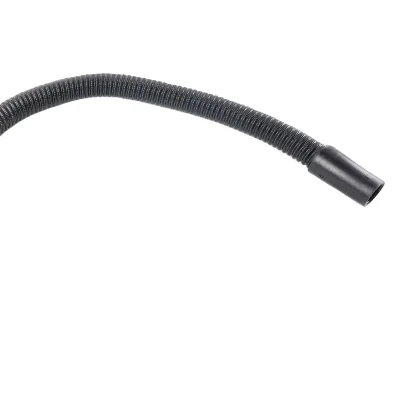


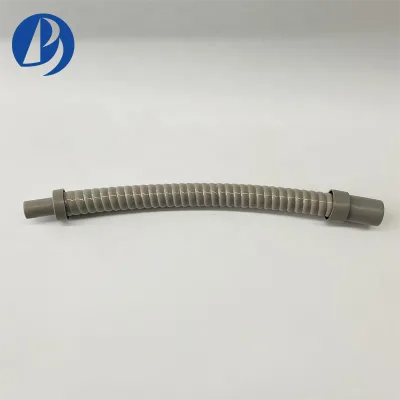


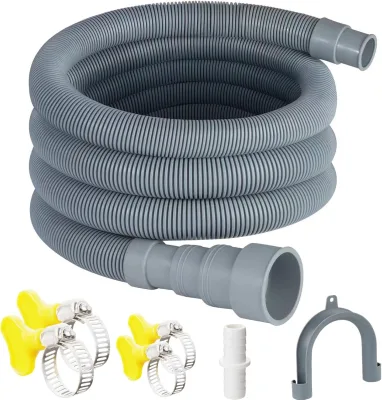
Comprehensive Sourcing Guide
Strategic Sourcing Guide for Dishwasher Drain Hose Procurement
Understanding Product Specifications and Material Integrity
When sourcing a Dishwasher Drain Hose, the primary objective is to identify components that ensure reliable fluid transport while resisting the specific chemical and thermal stresses inherent in kitchen environments. Based on observed market data, the material composition is a critical determinant of performance. The supply chain frequently features products constructed from PVC (Polyvinyl Chloride) and general plastic variants. These materials are selected for their balance of flexibility, durability, and cost-effectiveness. Buyers must verify that the specific hose selected is rated for the intended application, which includes transporting water and potentially handling granules or oil residues common in dishwashing cycles.
The physical dimensions of the hose are equally vital. Observed specifications indicate a wide range of standard sizes, with some products adhering to a standard of 25mm x 29mm, while others offer customized sizing options. Length is another variable factor; market listings show standard lengths such as 1.2m, 1.5m, 2.0m, and 2.5m for specific models, while bulk supply options may come in rolls of 20m, 30m, 50m, or 100m. The shape of the product is predominantly round, which facilitates smooth water flow and minimizes turbulence. However, buyers should also be aware of corrugated pipe variations, which offer enhanced flexibility for routing around tight cabinet spaces. The connection interface is another technical specification to scrutinize; standard fittings often include 3/4" BSP (British Standard Pipe) threads, ensuring compatibility with standard household plumbing fixtures.
Technical Performance and Operational Limits
The operational environment of a dishwasher imposes specific thermal and mechanical demands on the drain hose. The product must withstand fluctuating temperatures without degrading, cracking, or losing structural integrity. Data from the supply market indicates that certain hoses are rated for a temperature range of -10°C to 80°C, while others specify a working temperature of -15°C to 65°C. These ranges are critical; a hose failing to meet the upper temperature limit may soften or deform during the high-heat drying cycles of a dishwasher, leading to leaks or blockages.
Mechanical properties, such as tensile strength, are also essential for long-term reliability. Observed data points to a tensile strength of 3.46MPa for specific thermoplastic pipe products. This metric indicates the maximum stress the material can withstand before breaking, a crucial factor when the hose is subjected to the pressure of water flow or physical manipulation during installation. Additionally, the hardness of the hose material, often categorized under "Hoses" in product attributes, influences its resistance to kinking. A hose that is too soft may collapse under its own weight or when bent sharply, obstructing drainage. Conversely, a hose that is too rigid may be difficult to route within a standard kitchen cabinet.
The surface treatment of the hose can also impact performance. Some products feature a polished surface, which may reduce friction and prevent the accumulation of food particles or mineral deposits inside the conduit. Furthermore, the design style is often noted as "Modern," reflecting aesthetic considerations for visible installations, though the primary function remains utilitarian. Buyers should verify that the product is designed for indoor use, specifically within the bathroom or kitchen context, and that it possesses odor-proof characteristics to prevent the escape of unpleasant smells from the drainage system.
Compliance, Standards, and Certification Verification
In the B2B procurement of plumbing components, compliance with international and regional standards is non-negotiable. While specific certification bodies are not universally listed in the provided product data, the existence of defined standards is evident. For instance, some products reference a standard of 3/4"F, indicating a specific female thread configuration, while others cite a dimensional standard of 1/2"-10". These references serve as a baseline for compatibility but do not replace the need for independent verification of safety and quality certifications.
Buyers must investigate whether the supplier adheres to recognized quality management systems and material safety standards. The origin of the product, often listed as Zhejiang, Ningbo, or generally China, suggests a manufacturing hub known for plastic extrusion and piping. However, the location of manufacture does not guarantee compliance. It is the responsibility of the procurement team to request documentation proving that the PVC or plastic materials used are free from harmful substances and meet local plumbing codes. The "Kind" of product is frequently identified as "Thermoplastics Pipes" or "Sewer Pipe," which implies a classification that should align with specific regulatory frameworks for drainage systems.
Verification of the "Standard" attribute is a key step in the compliance check. If a product claims to meet a specific standard, the buyer should request the full text of that standard and evidence of third-party testing. For applications involving drinking water or food preparation areas, such as a dishwasher, the material must be certified as food-safe and non-toxic. The absence of explicit certification data in the product listing means that the buyer cannot assume compliance; instead, they must actively seek proof of adherence to relevant standards before placing an order.
Cost Drivers and Economic Considerations
The cost of sourcing a Dishwasher Drain Hose is influenced by a complex interplay of factors, including material costs, customization requirements, and order volume. The observed price range in the market spans from $0.12 to $12 USD, a significant variance that reflects differences in quality, length, and specification complexity. The lower end of this range typically corresponds to basic, non-customized plastic hoses in standard lengths, while the higher end may include specialized models with reinforced materials, specific fittings, or custom manufacturing.
Order Volume is a primary driver of unit cost. The Minimum Order Quantity (MOQ) observed in the market ranges from 50 units to 100,000 units. For small to medium-sized buyers, an MOQ of 50 to 1,000 units may be accessible, whereas large-scale industrial procurement might require commitments of 10,000 units or more. The "MOQ" attribute specifically lists 10,000m for certain hose products, indicating that some suppliers operate on a bulk-roll basis rather than per-unit sales. Buyers must align their order quantities with their inventory needs to avoid excessive holding costs or stockouts.
Customization is a significant cost factor. The supply chain offers "Customization" as an available attribute, allowing buyers to specify dimensions, colors, or connection types. However, custom orders often incur higher setup costs and longer lead times. The "Service" attribute indicates that suppliers offer OEM (Original Equipment Manufacturer) and ODM (Original Design Manufacturer) capabilities, which can further influence pricing. While these services provide tailored solutions, they require a higher level of engagement and potentially higher per-unit costs compared to off-the-shelf products.
Typical Applications and Usage Scenarios
The versatility of the Dishwasher Drain Hose extends beyond its primary function. While the core application is clearly defined as suitable for washing machines and dishwashers, the product attributes reveal a broader range of potential uses. The "Usage" category lists applications such as drainpipes, water supply pipes, agricultural irrigation pipes, and corrugated pipes. This suggests that the same material and construction techniques used for dishwasher hoses are applicable in various plumbing and fluid transport scenarios.
In a residential context, the hose is designed for use in the bathroom and kitchen, specifically for connecting the appliance to the main drainage system. The "Application" attribute highlights suitability for basins and washing machines, confirming its role in household plumbing. For commercial or industrial settings, the hose may be used for transporting water, granules, or oil, as indicated by the "Usage" specifications. The "Ventilation mode" of mechanical ventilation and the "Function" of HVAC systems suggest that similar hose technologies are also employed in air conditioning and ventilation applications, particularly for draining condensate.
The "Design Style" being "Modern" and the "Style" being "Strainer" (in related sink products) indicate that these components are increasingly designed to blend with contemporary interior aesthetics. However, the primary function remains robust fluid transport. Buyers should ensure that the selected hose is appropriate for the specific fluid being transported. For example, a hose rated for water supply may not be suitable for aggressive chemical cleaning agents or high-temperature oil transport without specific verification.
Supplier Evaluation and Quality Control Protocols
Selecting the right supplier is as critical as selecting the right product. The supply chain for dishwasher drain hoses is diverse, with manufacturers located in regions like Zhejiang and Ningbo. Buyers should evaluate suppliers based on their ability to provide consistent quality, adherence to lead times, and responsiveness to customization requests. The "Service" attribute of OEM+ODM indicates that suppliers are capable of working closely with buyers to develop custom solutions, but this requires a high level of trust and communication.
Quality control should be a central part of the procurement strategy. Buyers must verify that the supplier has established protocols for testing tensile strength, temperature resistance, and dimensional accuracy. The observed "Tensile Strength" of 3.46MPa and "Temperature Range" of -10°C to 80°C serve as benchmarks, but buyers should request test reports to confirm that every batch meets these specifications. The "Surface Treatment" of polished surfaces and the "Odour Proof" attribute are also quality indicators that should be verified through physical inspection or third-party testing.
Packaging is another aspect of supplier evaluation. The "prod_packing" attribute shows variations such as Carton, Bag, and PVC Bubble Bag. Proper packaging is essential to prevent damage during transit, especially for flexible hoses that can be easily kinked or crushed. Buyers should ensure that the packaging method aligns with their logistics requirements and that the supplier has a track record of delivering products in pristine condition.
Long-Term Procurement and Supply Chain Resilience
Long-term procurement of dishwasher drain hoses requires a strategic approach that considers supply chain resilience and scalability. The "MOQ" of 10,000m for certain products suggests that some suppliers are geared towards large-scale, continuous production. For buyers with fluctuating demand, it is essential to establish relationships with suppliers who can accommodate both small and large orders without compromising lead times or quality.
The "Customization" availability offers a pathway for buyers to differentiate their products or meet specific project requirements. However, reliance on custom specifications can introduce supply chain risks, such as longer lead times and higher vulnerability to raw material price fluctuations. Buyers should balance the benefits of customization with the stability of standard products.
Finally, the "Product Type" of "Extension" and "Water Inlet Hose" indicates that these components are often part of a larger system. Buyers should consider the compatibility of the drain hose with other system components, such as valves, fittings, and pumps. Ensuring a seamless integration of the hose into the overall plumbing system will reduce the risk of leaks and failures, thereby enhancing the longevity and reliability of the entire installation. By focusing on these long-term considerations, buyers can build a robust and efficient procurement strategy for dishwasher drain hoses.
FAQs
What materials are used for dishwasher drain hoses?
Dishwasher drain hoses are typically constructed from PVC or general plastic variants. These materials offer a balance of flexibility and durability suitable for kitchen environments where chemical and thermal stresses are common.
Which temperature range should the hose withstand?
The hose must withstand temperatures ranging from -10°C to 80°C or -15°C to 65°C depending on the specific model. This ensures structural integrity during high-heat drying cycles without softening or deforming.
How long are standard Dishwasher Drain Hose lengths?
Standard lengths include 1.2m, 1.5m, 2.0m, and 2.5m for specific models. Bulk supply options are also available in rolls of 20m, 30m, 50m, or 100m for larger projects.
Can the hose be customized for specific dimensions?
Yes, customization is available for dimensions, colors, and connection types. Buyers can specify sizes such as 25mm x 29mm or request custom-made options to fit unique installation requirements.
What is the typical tensile strength of these hoses?
Observed data indicates a tensile strength of 3.46MPa for specific thermoplastic pipe products. This metric ensures the hose can withstand water flow pressure and physical manipulation during installation.
Where are these hoses typically manufactured?
Manufacturing hubs for these products are located in Zhejiang and Ningbo, China. These regions are known for plastic extrusion and piping, though buyers must verify specific supplier compliance.