Source Dishwasher Safe Durable Dinnerware for Camping, Home, Events
Compare 30 listings of Dishwasher Safe Durable Dinnerware from verified Chinese manufacturers. Buyers can evaluate melamine and ceramic options with custom sizes, eco-friendly features, and OEM services for camping, home, and event use; compare the available evidence and request quotations based on your requirements.
Key considerations
Products List


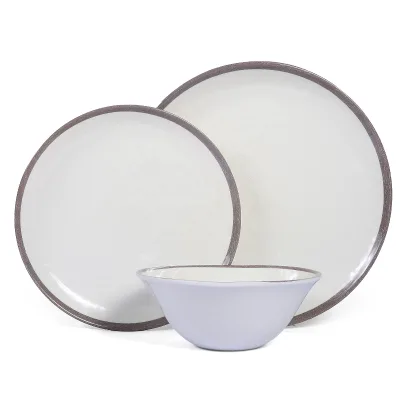
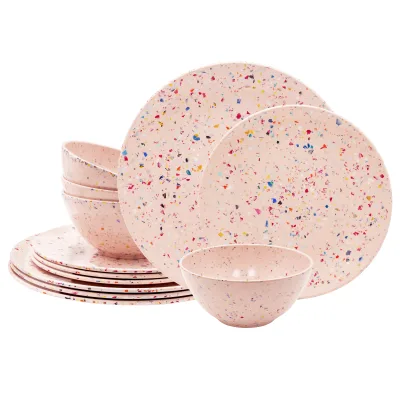
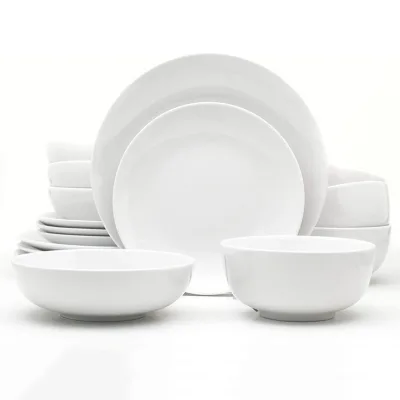
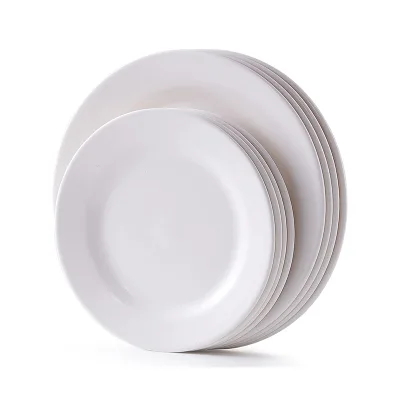



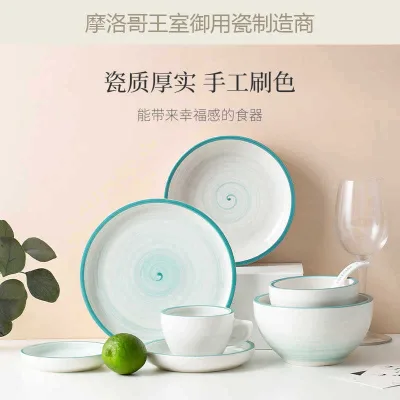
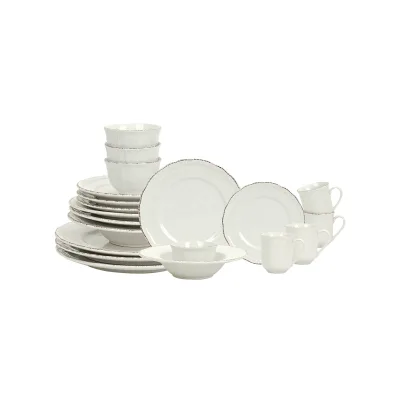
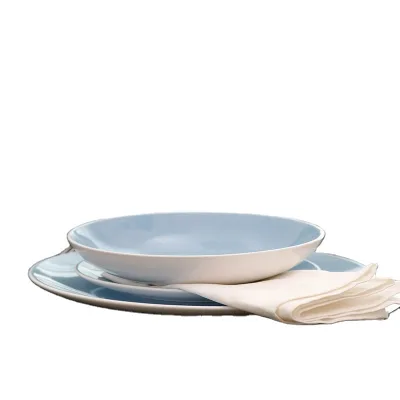
Hand Painted Dinnerware Ceramic Dinner Dishes Microwave Safe Plates Tableware Set
$2.16 - $3.74
MOQ: 500 Pieces
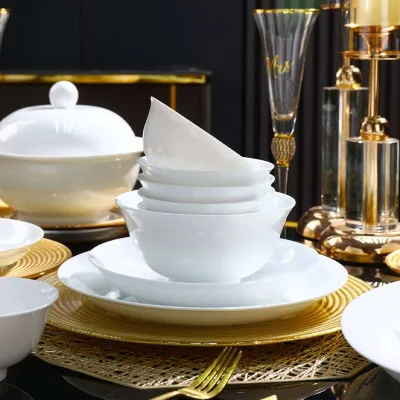
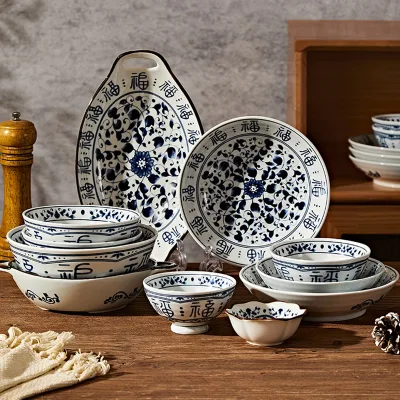
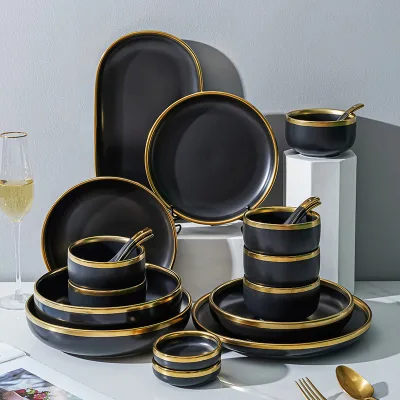
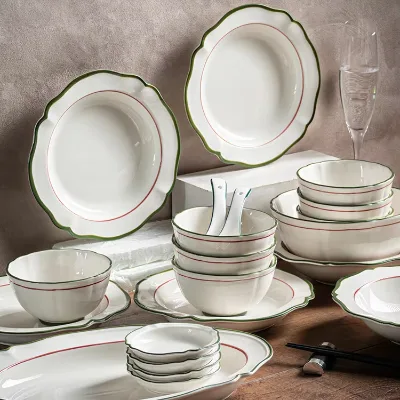

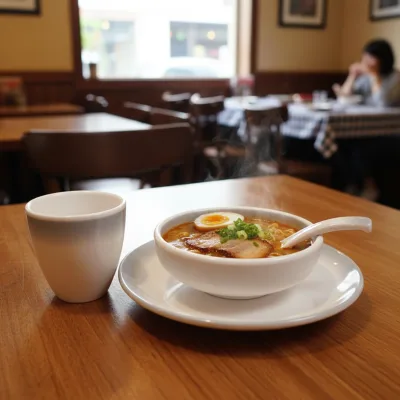


Factory Porcelain Tableware White Blank Dinnerware Custom 7PCS Ceramic Dishware
$0.30 - $5.00
MOQ: 5000 Pieces


Comprehensive Sourcing Guide
Dishwasher Safe Durable Dinnerware Sourcing Guide
Procuring dinnerware that withstands commercial dishwashing cycles while maintaining structural integrity requires a disciplined approach to material selection and supplier verification. Buyers must distinguish between products marketed as durable and those that have been rigorously tested for thermal shock and mechanical stress. The core challenge lies in identifying materials that resist chipping, cracking, and chemical degradation under high-temperature wash conditions. This guide provides a framework for evaluating listings based on observable attributes and verified technical specifications, ensuring that procurement decisions are grounded in factual product data rather than marketing claims.
Sourcing decisions should prioritize transparency in material composition and manufacturing techniques. Observed listings reveal a diverse range of options, from ceramic and porcelain to melamine-based composites, each presenting distinct advantages and limitations regarding dishwasher compatibility. Buyers must carefully cross-reference product attributes such as customization options, packaging standards, and origin locations to build a reliable supplier profile. By focusing on verifiable data points like model numbers, standard sizes, and specific material types, procurement teams can mitigate the risk of receiving substandard goods that fail to meet operational demands in high-volume hospitality or institutional settings.
Product Scope and Observed Listing Signals
The current market landscape for durable dinnerware exhibits significant variation in material composition, with listings highlighting options such as ceramic, porcelain, and various melamine formulations. Some products are explicitly described as non-disposable and eco-friendly, suggesting a focus on longevity and sustainability, while others emphasize customization capabilities including logo acceptance and tailored packaging solutions. Observed attributes indicate a strong presence of OEM and ODM services, allowing buyers to tailor designs to specific brand identities. The presence of specific model numbers, such as RY1155 and ND-R059, provides traceability, enabling buyers to request detailed technical sheets and verify consistency across production batches.
Price and minimum order quantity (MOQ) ranges observed in listings vary widely, reflecting differences in material costs, production complexity, and supplier scale. MOQs range from small batches of 200 pieces to larger commitments of 3000 sets, catering to both niche boutique hotels and large-scale institutional buyers. Packaging details, such as standard export cartons or bubble paper protection, are critical indicators of how well a supplier handles logistics and damage prevention. Buyers should note that while some products offer customized colors and shapes, others adhere to classic or modern styles with fixed dimensions, requiring careful alignment with existing inventory or new procurement needs.
Technical Specifications to Verify
Verifying technical specifications is paramount to ensuring that selected dinnerware can endure the rigors of commercial dishwashing. Buyers must confirm the exact material composition, distinguishing between 100% melamine, blends containing 30% melamine, and traditional ceramic or porcelain bodies. Surface finishes, such as polished or engraved textures, impact both aesthetic appeal and cleaning efficiency, as rough surfaces can harbor bacteria and resist thorough sanitization. Dimensional accuracy is equally important; standard sizes like 9, 11, 13, and 15 inches, or smaller variants like 4 and 5.5 inches, must match existing rack configurations and storage spaces to ensure operational efficiency.
Thermal resistance and mechanical durability are key performance indicators that require explicit verification from suppliers. Buyers should inquire about the product’s ability to withstand rapid temperature changes without cracking, a common failure point for ceramic and porcelain items. For melamine products, understanding the heat tolerance limits is essential to prevent warping or degradation during high-temperature wash cycles. Additionally, the shape of the dinnerware, whether round, oval, or square, influences stacking stability and space utilization in both storage and dishwashing machines. Confirming these details through direct supplier communication or third-party testing reports ensures that the purchased goods meet the specific operational requirements of the buyer’s facility.
Compliance and Safety Documentation
Compliance with food safety standards is non-negotiable for any dinnerware intended for repeated use in commercial environments. Buyers must request and verify certification documents, such as FDA approval, which indicates that the materials used are safe for contact with food and beverages. It is crucial to ensure that these certifications are current and applicable to the specific product models being procured. Suppliers should provide clear documentation regarding the absence of harmful substances like BPA, particularly for melamine-based products, to protect consumer health and maintain regulatory compliance in various jurisdictions.
Beyond material safety, buyers should assess the supplier’s adherence to broader quality management systems and industry standards. While specific standards like EN 12875 may be referenced in background information, buyers must verify which standards are actually applied to the production process. This includes checking for consistency in manufacturing practices and quality control protocols that ensure every batch meets the same safety and durability criteria. Requesting test reports for migration limits and thermal shock resistance provides additional assurance that the dinnerware will not leach chemicals or break under normal use conditions, thereby safeguarding the buyer’s brand reputation and customer safety.
Cost Drivers and Commercial Terms
Understanding the factors that influence pricing is essential for effective budget management and negotiation. Material costs, such as the difference between high-grade porcelain and standard melamine, significantly impact the final price per unit. Customization options, including logo printing, unique shapes, and specialized packaging, add to the production complexity and cost. Buyers should also consider the impact of order volume on pricing, as larger MOQs often result in more favorable unit costs. However, it is important to balance cost savings with quality assurance, as excessively low prices may indicate compromised materials or manufacturing standards.
Commercial terms, including payment conditions, lead times, and shipping arrangements, play a critical role in the overall procurement strategy. Buyers must clarify whether prices include packaging materials and whether custom packing solutions incur additional fees. Lead times can vary based on production capacity and the complexity of customization, so establishing clear timelines is vital for inventory planning. Additionally, understanding the supplier’s return policy and warranty terms for defective goods provides a safety net against potential quality issues. Transparent communication regarding these commercial terms helps prevent unexpected costs and ensures a smooth transaction process from order placement to delivery.
Supplier Qualification and Quality Control
Evaluating supplier qualifications involves assessing their manufacturing capabilities, quality control processes, and track record in the industry. Buyers should verify the supplier’s location, such as Fujian or Hunan in China, as regional expertise can influence material sourcing and production efficiency. Requesting references or case studies from previous clients provides insight into the supplier’s reliability and consistency. It is also important to assess their ability to handle OEM and ODM requests, ensuring they have the technical expertise to produce customized products that meet specific design and functional requirements.
Quality control measures implemented by the supplier are critical to ensuring product consistency and durability. Buyers should inquire about the inspection processes used during production, including raw material testing, in-process checks, and final product inspections. Suppliers that offer customized packing solutions often have more robust handling procedures, reducing the risk of damage during transit. Additionally, verifying the supplier’s ability to provide detailed product specifications, such as single package dimensions and gross weights, helps in planning logistics and storage. Establishing a strong relationship with a supplier that prioritizes quality control ensures a steady supply of durable, dishwasher-safe dinnerware.
Long-Term Procurement Checks
Establishing long-term procurement checks is essential for maintaining product quality and supplier performance over time. Regular audits of supplier facilities and production processes help identify potential issues before they impact product quality. Buyers should implement a system for tracking product performance in the field, monitoring for signs of wear, chipping, or degradation that may indicate underlying quality issues. Feedback from end-users, such as kitchen staff and customers, can provide valuable insights into the practical durability and ease of cleaning of the dinnerware.
Continuous improvement and adaptation to market trends are also important for long-term success. Buyers should stay informed about advancements in materials and manufacturing technologies that may offer improved durability or sustainability. Regularly reviewing supplier performance metrics, such as on-time delivery rates and defect percentages, helps in making informed decisions about future orders. By maintaining open communication with suppliers and fostering a collaborative relationship, buyers can ensure that their procurement strategy remains aligned with their operational needs and quality standards, securing a reliable supply of high-quality dinnerware for the long term.
FAQs
Can Dishwasher Safe Durable Dinnerware be customized for branding?
Yes, customization is available for these items. Buyers can request customized logos, colors, and specific sizes to match their brand identity. The products support OEM and ODM services, allowing for tailored designs. This flexibility ensures that the dinnerware meets specific aesthetic and functional requirements for various commercial or personal uses.
What materials are used for Dishwasher Safe Durable Dinnerware?
These dinnerware sets are primarily made from melamine, including options with 100% or 30% melamine content. Some listings also feature ceramic and porcelain materials. Melamine offers advantages such as being long-lasting, unbreakable, and having a smooth surface, making it suitable for both indoor and outdoor occasions like camping.
What is the typical MOQ for ordering melamine plates?
The minimum order quantity varies by supplier and product model. Observed MOQs range from 200 pieces to 3000 sets. Specific models like the ND-R041 Melamine Plate have an MOQ of 200 pieces, while other sets may require 3000 sets. Buyers should check individual product listings for exact quantity requirements.
Which certifications apply to these dinnerware products?
FDA certification is a high-confidence fact for these products. This indicates compliance with specific safety standards for materials contacting food. Buyers seeking Dishwasher Safe Durable Dinnerware can rely on this certification to ensure the items meet regulatory requirements for food safety, particularly when sourcing from manufacturers in China.
What standard sizes are available for melamine plates?
Standard sizes include 4, 5.5, and 6.5 inches for smaller plates, and 9, 11, 13, and 15 inches for larger dishes. Some models also offer a 14-inch standard. Custom sizes are also available, allowing buyers to specify exact dimensions to fit their specific serving needs or tableware collections.
How are the dinnerware sets packaged for shipping?
Packaging typically includes standard export cartons, bubble paper, and outer cartons to ensure protection. Single package sizes vary, such as 32x32x10 cm or 40x30x5 cm. Customized packing options are also available to meet specific logistical requirements, ensuring the durable and unbreakable nature of the melamine plates is maintained during transit.