Source Disposable PP Food Packing Tray for Takeaway, Lunch, and Storage
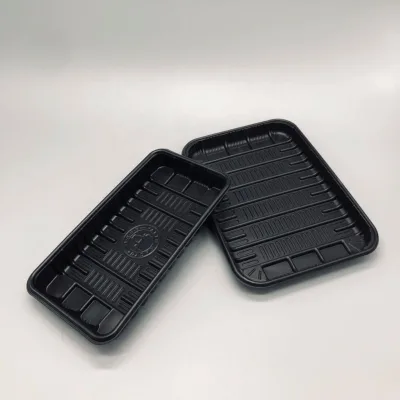
Find 30 verified options for disposable pp food packing tray suitable for takeaway, lunch boxes, and general food storage. Compare specifications including microwavable features, eco-friendly materials, and custom logo availability from suppliers in Guangzhou and Jiangsu; compare the available evidence and request quotations based on your requirements.
Key considerations
Products List




Comprehensive Sourcing Guide
Disposable PP Food Packing Tray Sourcing Guide
Procuring disposable polypropylene (PP) food packing trays requires a strategic approach that balances material performance, regulatory compliance, and supply chain reliability. These containers are widely utilized in the food service industry for their durability and heat resistance, making them suitable for both hot and cold food applications. Buyers must navigate a market characterized by significant variations in manufacturing processes, from standard injection molding to specialized blister techniques, to ensure the selected product aligns with specific operational needs.
The sourcing landscape for these trays is diverse, with manufacturers offering extensive customization options to meet unique branding and functional requirements. Key attributes such as microwave safety, eco-friendly claims, and specific compartmentalization play a critical role in the selection process. Understanding the interplay between material specifications, such as PP versus PET, and intended usage scenarios is essential for making informed purchasing decisions that minimize risk and maximize value in the long term.
Product Scope and Observed Listing Signals
The market for disposable PP food packing trays exhibits a wide range of pricing and minimum order quantities, reflecting the diversity of product configurations and supplier scales. Observed listing signals indicate price points ranging from low-cost bulk items to premium customized solutions, with minimum order quantities varying significantly from small trial batches to large industrial volumes. This variability suggests that buyers should align their procurement strategy with their volume requirements, considering whether they prioritize cost efficiency through bulk purchasing or flexibility through smaller, more frequent orders.
Product attributes frequently highlighted in listings include features such as microwavability, eco-friendliness, and specific shapes like round, rectangle, or square designs. These trays are often marketed for use in kitchens, for takeaway food packaging, and as general tableware, indicating their versatility across different food service segments. Buyers should carefully evaluate these attributes against their specific operational needs, ensuring that the selected trays meet functional requirements such as volume capacity, compartmentalization for single or multiple servings, and compatibility with existing heating or storage equipment.
Technical Specifications to Verify
Verifying technical specifications is crucial to ensure that the selected disposable PP trays meet the required performance standards for food contact and storage. Key specifications to confirm include the material composition, with PP being a common choice for its heat resistance and durability, and the physical dimensions, which can vary from compact sizes like 22176.5cm to larger formats such as 26183cm. Buyers should also pay attention to volume capacities, which may range from 180ml to 800ml, to ensure the trays are appropriately sized for the intended food portions and packaging requirements.
Additional technical details to verify include the manufacturing process, such as blister forming or injection molding, which can affect the tray's structural integrity and clarity. Packaging specifications, such as export cartons or PE film wrapping, are also important for ensuring product protection during transit. Buyers should confirm the availability of customized models and standards, as many suppliers offer tailored solutions to meet specific branding or functional needs, ensuring that the final product aligns precisely with the buyer's operational and aesthetic requirements.
Compliance and Safety Documentation
Ensuring that disposable PP food packing trays comply with relevant safety and regulatory standards is paramount for protecting consumer health and maintaining brand reputation. Buyers should verify that suppliers possess necessary certifications, such as FDA approval for food contact materials, which ensures the trays are safe for direct food interaction. Additionally, certifications like CE marking for EU compliance and ISO 9001 for quality management systems provide assurance that the manufacturing processes adhere to recognized international standards, reducing the risk of non-compliance and potential legal issues.
Beyond basic certifications, buyers should inquire about additional safety documentation, such as SGS reports, which can provide further validation of material safety and quality control measures. It is also important to confirm that the trays are labeled as food-grade and suitable for their intended use, whether for hot or cold foods. Buyers should request copies of these documents during the supplier qualification phase to ensure transparency and accountability, thereby mitigating risks associated with product liability and regulatory non-compliance in the target markets.
Cost Drivers and Commercial Terms
Understanding the cost drivers associated with disposable PP food packing trays is essential for effective budgeting and negotiation. Key factors influencing price include the material type, such as PP or PET, the complexity of the design, including custom shapes and compartments, and the volume of the order. Suppliers often offer tiered pricing structures, where larger orders result in lower unit costs, but buyers must also consider the minimum order quantities, which can range from modest batches to substantial industrial volumes, impacting cash flow and inventory management.
Commercial terms, including payment methods, shipping arrangements, and lead times, also play a significant role in the total cost of ownership. Buyers should negotiate clear terms regarding packaging, such as export cartons or PE film, to ensure product protection and minimize damage during transit. Additionally, understanding the supplier's production capacity and customization capabilities can help in planning for peak seasons or special orders, ensuring that the supply chain remains resilient and responsive to market demands without incurring unexpected costs or delays.
Supplier Qualification and Quality Control
Conducting thorough supplier qualification is a critical step in securing a reliable source for disposable PP food packing trays. Buyers should assess suppliers based on their manufacturing capabilities, quality control processes, and track record in the industry. This includes verifying their production facilities, such as those located in Guangzhou or Jiangsu, China, and evaluating their ability to handle custom orders and provide consistent product quality. Suppliers with established quality management systems, such as ISO 9001, are generally more reliable in maintaining consistent standards across production batches.
Quality control measures should be clearly defined and agreed upon before placing orders, including inspection protocols for material integrity, dimensional accuracy, and packaging quality. Buyers may consider implementing third-party inspections or requesting sample batches for testing to ensure that the products meet their specific requirements. Establishing a strong relationship with the supplier through regular communication and feedback can also help in addressing any issues promptly and ensuring continuous improvement in product quality and service delivery.
Long-Term Procurement Checks
Establishing long-term procurement checks is vital for maintaining the quality and reliability of the supply chain for disposable PP food packing trays. Buyers should implement regular audits and performance reviews to assess supplier adherence to agreed-upon standards and specifications. This includes monitoring key performance indicators such as on-time delivery, product defect rates, and responsiveness to issues, ensuring that the supplier continues to meet the buyer's evolving needs and expectations over time.
Additionally, buyers should stay informed about changes in regulatory requirements and market trends that may impact the sourcing strategy. This includes monitoring developments in sustainability standards and material innovations, which may influence the availability and cost of PP trays. By maintaining a proactive approach to supplier management and market analysis, buyers can mitigate risks, optimize costs, and ensure a steady supply of high-quality disposable PP food packing trays that support their business objectives and customer satisfaction.
FAQs
What certifications do these plastic food containers have?
These plastic food containers hold FDA, CE, EU, SGS, and ISO9001 certifications. They are designed for food and tableware usage while meeting international safety standards for disposable packaging applications.
Can I customize the logo on these disposable trays?
Yes, you can customize the logo on these disposable trays. The product features allow for customized branding, making them suitable for various food packaging needs and specific client requirements.
Which materials are used for these food packing trays?
These food packing trays are made from plastic, specifically PP and PET materials. They are designed to be eco-friendly and disposable, suitable for kitchen and takeaway food packaging applications.
How are these plastic containers packed for shipping?
These plastic containers are packed in cartons, export cartons, or PE film within cartons. The packaging ensures safe transport and is tailored for bulk orders of food packaging trays.
What are the standard dimensions for these food trays?
Standard dimensions include sizes like 25x18x3cm, 22x17x6.5cm, and 26x18x3cm. Customized sizes are also available to meet specific volume requirements ranging from 180ml to 800ml.
Can these trays be used in microwaves?
Yes, these food containers are microwavable. They are designed for food usage and tableware applications, offering convenience for heating meals while maintaining structural integrity during use.
Where are these plastic food trays manufactured?
These plastic food trays are manufactured in Guangzhou and Jiangsu, China. The production facilities ensure quality control and efficient supply chain management for global food packaging needs.