Source Distribution Box for Buildings, Data Centers, and Homes
Find 30 Distribution Box listings from verified suppliers in China. Compare wired and wired options, voltage ratings, and certifications like CE and CCC for high-rise buildings and data applications.
Key considerations
Products List


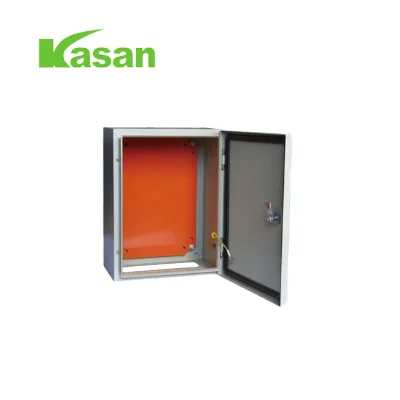

Distribution Board Distribution Box Low Voltage System Metal Enclosure
$100.00 - $500.00
MOQ: 1 Pieces


Comprehensive Sourcing Guide
Strategic Sourcing Guide for Distribution Boxes
Understanding Product Variants and Technical Specifications
The market for distribution boxes presents a complex landscape where the term "Distribution Box" encompasses diverse product categories ranging from low-voltage data connectors to high-rise building metering enclosures. A critical first step in sourcing is distinguishing between these variants, as their technical specifications and intended applications differ significantly. Based on current market observations, buyers must navigate products defined by specific structural forms and material compositions. One observed category includes wired, computer-focused connectors that support Ethernet networks and carry data information. These units often feature a "Protection" structure and are available in a "White" color with a "Female" gender configuration. The operational voltage for such components is typically classified as "Low Voltage," and they are supplied in various packaging formats, including polybags and multi-bag box configurations.
In contrast, another significant segment involves robust distribution metering boxes designed for high-rise buildings. These units exhibit a "Square Tube" shape and are constructed from materials such as "Stainless Steel" or "Steel Plate." The shell protection grade is a vital specification, often noted in conjunction with dimensions like "3 Uint" or specific measurements such as "18422260mm." The thickness of the steel plate is a key differentiator, with observed values ranging from 0.8mm to 1.5mm. Some models are described as having an "Open Frame" structure, while others are "All- packaged Type" or "Partly-welded Type." The door color for these enclosures may be white or transparent, and internal components can include brass terminal blocks. Lighting options, such as LED bulbs or E27 sockets, are sometimes integrated into the design. The temperature tolerance for these units is a critical performance metric, with observed ranges spanning from -30°C to 60°C.
Compliance and Certification Verification
Navigating the regulatory landscape for distribution boxes requires rigorous verification of certifications and standards. Buyers must understand that certification status varies by product type and region of origin. For instance, some products in the market carry the CE certification, indicating compliance with European standards. Other listings explicitly mention a combination of certifications, including CCC (China Compulsory Certification), VDE, and ISO9001. It is important to note that some certification entries in market listings may be formatted as text strings like "ISO9001:Form:Partly-welded Type," which suggests the certification applies to the manufacturing process or specific product forms rather than a standalone product attribute.
When evaluating compliance, buyers should look for evidence of adherence to international standards such as IEC 61439, UL 50, or EN 61439, though these should be treated as background knowledge to be verified rather than assumed facts. The presence of a "CCC" mark is particularly relevant for products originating from China, as it is a mandatory requirement for certain electrical equipment sold within the domestic market. However, for export-oriented products, the CE mark and ISO9001 quality management system certification are often the primary indicators of compliance. Buyers must request valid, up-to-date certificates from suppliers and verify that the certification scope matches the specific model number, such as "GL-1250" or "HC-TF," rather than accepting generic claims. The "ISO9001" standard generally indicates a quality management system, but it does not guarantee the product itself meets specific electrical safety standards without additional testing data.
Cost Drivers and Pricing Dynamics
The pricing of distribution boxes is influenced by a multitude of factors, including material costs, manufacturing complexity, and order volume. The observed price range in the market is exceptionally wide, spanning from $0.65 to $10,000. This disparity reflects the difference between small, low-voltage data connectors and large, heavy-duty metering boxes for high-rise buildings. For the smaller connector units, the cost is driven by the precision of the molding, the quality of the plastic or metal shell, and the complexity of the internal wiring or terminal block. For the larger metering boxes, the primary cost drivers are the thickness of the steel plate, the type of coating (e.g., "PAINTING"), and the inclusion of additional features like doors, locks, or internal lighting.
Minimum Order Quantity (MOQ) is another significant factor affecting the unit cost. The market shows an MOQ range from 1 to 1000 pieces, with a specific high-confidence observation of 1000 pieces for certain product lines. Buyers purchasing at or above the MOQ threshold typically benefit from lower per-unit costs. Conversely, sample orders or small batch purchases may incur higher unit prices. The packaging method also plays a role in cost; products shipped in "Individal Box Inside, Standard Export Carton" configurations may have slightly higher logistics costs compared to bulk polybag shipments. Additionally, the origin of the product influences pricing, with manufacturers in regions like Zhejiang and Jiangsu offering competitive rates due to established supply chains and manufacturing clusters. Buyers should negotiate based on the total landed cost, including shipping from ports like Shanghai or Ningbo, rather than focusing solely on the ex-factory price.
Typical Applications and Operational Environments
Distribution boxes serve critical functions across various sectors, and selecting the right product requires matching the unit to its intended environment. The "Computer" usage category suggests applications in data centers, office networks, or telecommunications infrastructure where Ethernet support and data integrity are paramount. These units are often used for connecting and protecting data lines in low-voltage environments. On the other hand, the "High-rise Buildings" application range points to the use of distribution metering boxes in residential and commercial skyscrapers. These units must withstand harsh environmental conditions, including temperature fluctuations from -30°C to 60°C, and provide protection against dust and water, as indicated by the "Waterproof Dustproof" function.
The structural design of the box is directly linked to its application. "Open Frame" structures are suitable for indoor environments where space is limited and ventilation is required, while "All- packaged Type" or fully enclosed units are necessary for outdoor or harsh industrial settings. The "Square Tube" shape and "Stainless Steel" or "Steel Plate" construction are essential for durability in high-rise applications where fire safety and structural integrity are critical. The "Protection" structure mentioned in the data suggests a focus on safeguarding internal components from physical damage. Buyers must ensure that the selected Distribution Box meets the specific environmental demands of the installation site, considering factors such as humidity, temperature, and potential physical impact.
Supplier Evaluation and Geographic Considerations
Evaluating suppliers requires a focus on their geographic location and logistical capabilities. The majority of the observed products originate from China, specifically from provinces such as Zhejiang (including Wenzhou) and Jiangsu. These regions are known for their robust manufacturing ecosystems and specialized industrial clusters. The "Place of Origin" is a critical piece of information for buyers, as it often correlates with the supplier's expertise and the quality of the supply chain. For example, Wenzhou is historically associated with electrical equipment manufacturing, while other areas may specialize in different components.
Logistics and shipping are also key evaluation criteria. Suppliers typically ship from major ports such as Shanghai or Ningbo, which offer efficient access to global markets. Buyers should verify the supplier's ability to handle export documentation and ensure that the shipping terms align with their procurement strategy. The availability of samples is another important factor; the market indicates that samples are "Avaliable," allowing buyers to physically inspect the product before committing to a large order. When evaluating a supplier, buyers should request detailed product information, including model numbers like "BJID" or "SEE-RB22," and verify the consistency of the product specifications with the supplier's claims.
Quality Control and Long-Term Procurement Strategy
Implementing a robust quality control (QC) strategy is essential for mitigating risks associated with sourcing distribution boxes. Given the wide range of observed conditions, including "Used" items, buyers must clearly define their requirements for new versus refurbished products. For new products, QC should focus on verifying the shell material, thickness, and coating quality. The "PAINTING" standard and the specific thickness values (1.5mm/1.2mm/0.8mm) should be verified through physical inspection or third-party testing. Additionally, the integrity of the terminal blocks, often made of brass, and the functionality of the door mechanisms should be tested.
Long-term procurement considerations involve building a relationship with reliable suppliers who can maintain consistent quality over time. Buyers should establish clear communication channels for addressing any defects or non-conformities. The "Standard Export Carton" packaging should be verified to ensure that products arrive without damage. Furthermore, buyers should consider the lifecycle of the product, including maintenance requirements and the availability of spare parts. For high-rise building applications, the longevity and reliability of the Distribution Box are paramount, as failures can lead to significant downtime and safety hazards. By focusing on verified specifications, certified suppliers, and rigorous quality control, buyers can secure a reliable supply chain for their Distribution Box needs.
Comparative Analysis of Product Attributes
To facilitate decision-making, the following table summarizes key attributes observed in the market for distribution boxes, highlighting the differences between data connectors and metering enclosures.
| Attribute | Data Connector / Computer Unit | Distribution Metering Box |
|---|---|---|
| Primary Usage | Computer, Ethernet Network | High-rise Buildings |
| Structure | Protection, Open Frame | Square Tube, All- packaged |
| Shell Material | Plastic / Metal (Varies) | Stainless Steel, Steel Plate |
| Voltage | Low Voltage | Low Voltage (General) |
| Certifications | CE | CCC, VDE, ISO9001 |
| Temperature Range | Not Specified | -30°C to 60°C |
| Packaging | Polybag, Multi-bag Box | Carton, Export Carton |
| Origin | Zhejiang, China | Zhejiang, Jiangsu, China |
| MOQ | 1000 PCS (Typical) | Variable (1-1000) |
| Port | Shanghai or Ningbo | Shanghai or Ningbo |
This comparison underscores the necessity for buyers to clearly define their specific needs before engaging with suppliers. The diversity in specifications means that a one-size-fits-all approach is ineffective. By carefully analyzing these attributes and cross-referencing them with the supplier's documentation, buyers can make informed decisions that align with their technical requirements and budget constraints. The market offers a wide array of options, but success in sourcing depends on the ability to distinguish between these variants and verify their compliance with relevant standards.
FAQs
What certifications are available for distribution boxes?
Products may carry CE, CCC, VDE, or ISO9001 certifications depending on the model. Some listings combine certifications with structural types like All-packaged or Partly-welded forms. Buyers should verify specific certificates match the model number before ordering.
Which materials are used for Distribution Box shells?
Shells are commonly made from Stainless Steel or Steel Plate with thicknesses ranging from 0.8mm to 1.5mm. Some units feature a Square Tube shape and may include painting standards for durability. The material choice depends on the specific application requirements.
Can I find distribution boxes with custom packaging options?
Yes, customization is available for packaging formats including Polybags, Cartons, or Individual Boxes inside Standard Export Cartons. Specific packing details vary by product type, such as 5-10 bags per box for smaller units. Buyers should confirm packing requirements during the inquiry phase.
How is the minimum order quantity determined for these products?
The minimum order quantity typically ranges from 1 to 1000 pieces, with 1000 PCS observed for certain product lines. Lower MOQs may apply to sample orders, while bulk purchases often align with the higher threshold. Pricing and terms vary based on the selected quantity.
What is the temperature range for high-rise building distribution boxes?
Units designed for high-rise buildings operate within a temperature range of -30°C to 60°C. This ensures functionality in varying environmental conditions while maintaining structural integrity. Buyers must verify this range matches their specific installation site requirements.
Where are these distribution boxes manufactured and shipped from?
Products originate from regions like Zhejiang, Jiangsu, and Wenzhou in China. Shipments are typically dispatched from major ports such as Shanghai or Ningbo. The place of origin influences logistics costs and delivery timelines for international buyers.
What types of terminal blocks are included in the units?
Terminal blocks are typically made of Brass for reliable electrical connections. These components are integrated into the internal structure of the distribution boxes. Buyers should check specific model specifications to confirm terminal block compatibility and material quality.