Source Distiller for Essential Oil, Fruit Juice, and Liquid Processing
Compare 30 Distiller units from verified Chinese manufacturers offering vacuum concentration and energy-saving designs. Buyers can evaluate models like LHSN and AQUA for liquid processing applications with ISO and GMP certifications; compare the available evidence and request quotations based on your requirements.
Key considerations
Products List


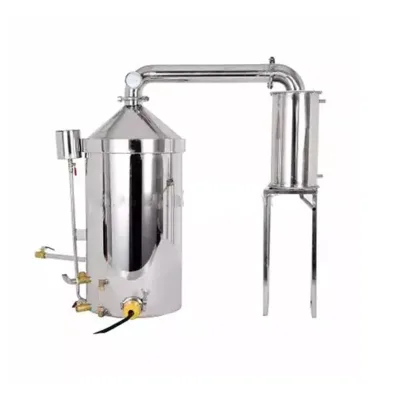


Home Distiller/ Alcohol Distiller/ Alcohol Distillation Equipment
$5000.00 - $50000000.00
MOQ: 1 Pieces


Comprehensive Sourcing Guide
Distiller Sourcing Guide
Procuring industrial distillation equipment requires a disciplined approach to align technical performance with operational efficiency and regulatory compliance. Buyers must navigate a complex landscape where material integrity, energy consumption, and automation levels directly impact long-term profitability. The core keyword "Distiller" encompasses a wide range of machinery, from small-scale essential oil extractors to large-volume vacuum concentration systems. Understanding the specific configuration needed for your production line is the first step in mitigating procurement risk.
This guide provides evidence-based criteria for evaluating distillation machinery, focusing on verified specifications and commercial terms. By examining observed listing signals and technical parameters, buyers can distinguish between basic processing units and advanced preparation machinery. The following sections detail the critical factors that influence equipment selection, ensuring that your investment meets both current production demands and future scalability requirements without compromising on safety or quality standards.
Product Scope and Observed Listing Signals
The observed market for distillation equipment reveals a diverse range of models, including LHSN, LHSJN, and LHWZ series units, which cater to varying production capacities. Listings indicate a price range from $48 to $50,000,000, reflecting the spectrum from small laboratory-scale units to massive industrial plants. Minimum order quantities typically range from 1 to 20 units, suggesting flexibility for both pilot testing and bulk procurement. Buyers should note that "Essential Oil Machine" and "Preparation Machinery" are common descriptors, indicating specialized applications for natural ingredients and animal raw materials.
Material composition is a critical differentiator, with 304 Stainless Steel being a prevalent choice for food-grade and pharmaceutical applications. Many units feature vacuum concentration capabilities, which are essential for heat-sensitive materials to preserve potency and quality. The presence of triple, double, or single-effect configurations suggests varying levels of energy efficiency, with energy-saving designs being a highlighted feature. Buyers must verify whether the vacuum pump is included or offered separately, as this significantly impacts the total cost of ownership and installation complexity.
Technical Specifications to Verify
Voltage and power source specifications are fundamental for facility integration, with 380V electric power being a standard requirement for industrial units. Buyers must confirm the automatic grade, distinguishing between semi-automatic and fully automatic systems, as this affects labor requirements and operational consistency. Precision is a key attribute for high-quality output, necessitating verification of control mechanisms even in non-computerized models. The finished dosage form is typically liquid, requiring robust thermal processing capabilities that maintain product integrity throughout the distillation cycle.
Capacity standards vary widely, with models supporting volumes from 4L to 3000L, allowing for tailored solutions based on throughput needs. Dimensions such as 115015502200 mm provide spatial planning data for factory layout optimization. Speed-adjustable features offer operational flexibility, enabling fine-tuning of the distillation process for different raw material batches. Buyers should also assess the condition of the equipment, with new units offering warranty coverage, while ensuring that the packing method, whether wood or container, protects the machinery during transit.
Compliance and Safety Documentation
Certification status is a primary indicator of manufacturing quality and regulatory adherence. ISO certification is frequently listed, signaling adherence to international quality management standards. For markets requiring stricter regulatory oversight, GMP (Good Manufacturing Practice) certification is essential, particularly for pharmaceutical and high-grade food applications. Buyers must verify the specific scope of these certifications to ensure they cover the manufacturing process of the Distiller itself, not just the end product.
Additional certifications such as CE and RoHS indicate compliance with European safety and environmental directives, which is crucial for export-oriented procurement. These marks ensure that the electrical components and materials used in the Distiller meet specific safety and hazardous substance restrictions. Buyers should request valid certification documents and cross-reference them with the issuing bodies to confirm authenticity. Understanding the regulatory landscape of your target market is vital to avoid customs delays or operational bans due to non-compliant equipment.
Cost Drivers and Commercial Terms
The total cost of ownership extends beyond the initial purchase price, encompassing energy consumption, maintenance, and after-sales support. Energy-saving designs can significantly reduce operational costs over the lifespan of the equipment, making them a valuable feature for high-volume production. The inclusion of a vacuum pump can either be a cost advantage or a hidden expense, depending on whether it is bundled with the main unit. Buyers should analyze the power source efficiency and the specific concentration effect (single, double, or triple) to estimate energy usage accurately.
Warranty terms and after-sales service availability are critical commercial considerations. A one-year warranty is standard, but lifelong after-sales service offers long-term security for troubleshooting and spare parts. Customization options allow for tailored solutions, which may incur additional costs but can enhance process efficiency. Buyers should negotiate clear terms for installation, training, and technical support to ensure smooth commissioning. Understanding the packing requirements, such as wood packaging or container shipping, is also important for logistics planning and cost estimation.
Supplier Qualification and Quality Control
Supplier origin and manufacturing capability are key indicators of reliability. Many distillers are sourced from China, a major hub for industrial machinery manufacturing. Buyers should assess the supplier's production capacity and quality control processes to ensure consistent product quality. The availability of customized solutions suggests a flexible manufacturing approach, but buyers must verify the supplier's ability to maintain precision and material standards across custom orders.
Quality control should extend to the raw materials used, such as natural ingredients and animal raw materials, if the Distiller is designed for specific feedstocks. Buyers should request material certificates for the 304 Stainless Steel construction to verify corrosion resistance and durability. Inspecting the automatic grade and computerized features can provide insights into the supplier's technological sophistication. Establishing a clear communication channel for technical queries and post-sale support is essential for building a reliable supplier relationship.
Long-Term Procurement Checks
Long-term success depends on the durability and serviceability of the distillation equipment. Buyers should prioritize suppliers who offer comprehensive maintenance guidelines and readily available spare parts. The condition of the equipment, whether new or refurbished, should be clearly documented to avoid unexpected performance issues. Lifelong after-sales service can be a significant advantage, providing ongoing technical assistance and potential upgrades as production needs evolve.
Regular performance monitoring is essential to maintain efficiency and product quality. Buyers should establish a schedule for inspecting the vacuum pump, heating elements, and control systems. Tracking energy consumption and output quality can help identify potential issues before they lead to costly downtime. By maintaining a proactive approach to equipment management, buyers can maximize the return on investment and ensure consistent production of high-quality distillates for their specific applications.
FAQs
What materials are used for the Distiller construction?
The Distiller is constructed from stainless steel, specifically 304 stainless steel, ensuring durability and hygiene. This material choice supports the processing of natural ingredients and animal raw materials effectively. The equipment is designed as new and offers customization options to meet specific production needs.
Can the Distiller be customized for specific needs?
Yes, the Distiller offers available customization to tailor the machine to your requirements. You can select from various models like LHSN or LHWZ with different capacities ranging from 4L to 3000L. Customized options include specific voltage and packing requirements to suit your facility layout.
Which certifications does the Distiller equipment hold?
The Distiller holds ISO and GMP certifications, ensuring compliance with international quality standards. Some models also feature CE and RoHS certifications for safety and environmental protection. These certifications validate the machine's reliability for processing essential oils and other liquid products.
How is the Distiller powered and operated?
The Distiller operates using an electric power source with a standard voltage of 380V. It is available in both semi-automatic and automatic grades depending on the model. The machine utilizes vacuum concentration and thermal processing to achieve efficient liquid preparation and essential oil extraction.
What is the warranty period for the Distiller?
The Distiller comes with a one-year warranty to cover manufacturing defects and initial operational issues. Additionally, lifelong after-sales service is provided to ensure long-term machine performance. This support structure helps maintain continuous production efficiency for your business operations.
How is the Distiller packed for shipping?
The Distiller is packed in wood packages or containers to ensure safe transport. This robust packaging protects the machinery during international shipping from China. The packing method is designed to prevent damage and ensure the equipment arrives in new condition ready for installation.