Source Do Not Disturb Sign for Street, Office, and Warehouse
Compare 30 Do Not Disturb Sign options from verified suppliers offering customizable shapes, materials, and sizes. Buyers can review specifications for street, office, and warehouse applications with varying MOQs and features.
Key considerations
Products List


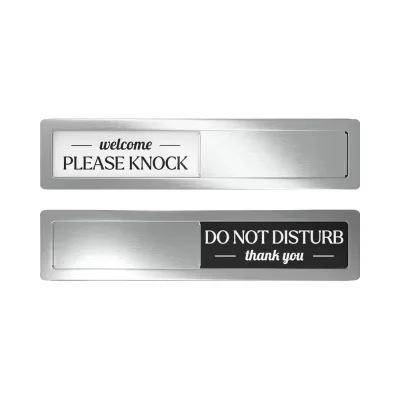
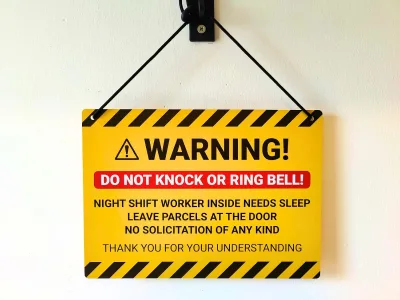
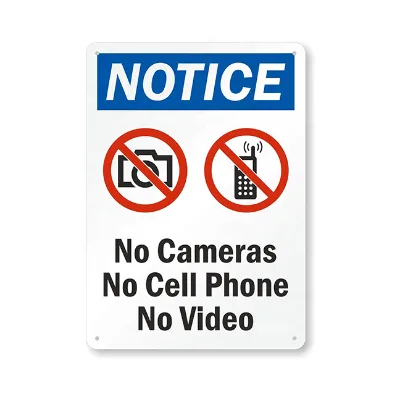
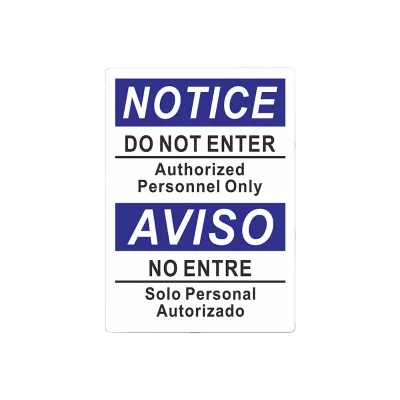


Fire Safety No Smoking Flammable Danger Warning Hazard Custom Caution Signs Board
$1.00 - $10.00
MOQ: 1000 Pieces


Manufacturer Health and Safety Sign Boards Prohibition Road Hazard Warning Safety Signs
$1.00 - $10.00
MOQ: 1000 Pieces


Comprehensive Sourcing Guide
Strategic Sourcing Guide for Do Not Disturb Signs
Procuring "Do Not Disturb" signage requires a nuanced approach that balances regulatory compliance, material durability, and specific application environments. The market for these safety and informational signs is diverse, ranging from heavy-duty outdoor traffic warnings to delicate indoor notices for offices and laboratories. Buyers must navigate a landscape where product attributes vary significantly between manufacturers, particularly regarding shape, material composition, and certification standards. This guide provides a structured framework for evaluating suppliers and selecting the right signage solutions based on verified product data and industry best practices.
Technical Specifications and Material Selection
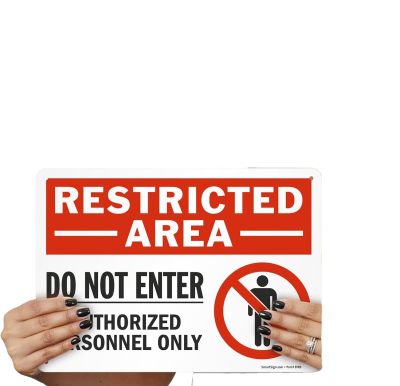
The foundation of a successful procurement strategy lies in understanding the technical specifications that define the sign's performance. The core keyword "Do Not Disturb Sign" encompasses a broad spectrum of product types, including prohibition signs, warning traffic signs, and specific notice signs for indoor environments. When reviewing supplier catalogs, buyers should expect to encounter a variety of shapes, including circle, square, octagonal, and rectangular forms with rounded corners. The shape is often dictated by the intended application; for instance, traffic-related prohibition signs frequently utilize circular or octagonal geometries, while indoor notices for offices or warehouses often adopt rectangular formats.
Material selection is equally critical, as it determines the sign's longevity and resistance to environmental factors. High-quality options typically feature heavy-duty aluminum, which offers superior weather resistance and durability. Some suppliers offer customized material options, allowing buyers to select based on specific budget or aesthetic requirements. The thickness of the sign is another vital specification, with common offerings ranging from 1mm to custom thicknesses. For outdoor applications, the inclusion of reflective film is a key differentiator. While some products are specified as having "no reflective" film, others may require high-visibility reflective properties to ensure safety in low-light conditions. Buyers must verify the specific grade of reflective film if visibility is a primary concern.
Furthermore, the printing method used on the sign affects the clarity and longevity of the message. Standard techniques observed in the market include silkscreen printing and UV printing. These methods ensure that the text and symbols remain legible over time. The color palette is generally flexible, with white, red, yellow, and black being standard options, though customized colors are often available to meet specific branding or regulatory requirements.
Compliance, Certification, and Regulatory Standards
Navigating the compliance landscape is essential for ensuring that purchased signage meets local and international regulations. In the context of global sourcing, certification marks such as CE and ISO are frequently cited as indicators of quality and adherence to safety standards. When evaluating potential suppliers, buyers should request documentation to verify that the products carry these specific certifications. It is important to note that while CE and ISO are common, the specific standard applicable to a product may vary based on the region of operation.
For traffic-related signs, such as prohibition signs or warning traffic signs, compliance with national traffic safety standards is mandatory. These signs often require specific color contrasts and symbol placements to be legally effective. For indoor applications, such as signs for offices, museums, or laboratories, the focus shifts more toward clarity and material safety rather than traffic regulations. However, even for indoor signs, verifying that the materials are rust-proof and rain-resistant (if they might be exposed to moisture) is prudent.
Buyers should be cautious of generic claims regarding standards. While some background data may reference standards like UL 60730-1, this specific standard is not confirmed in the primary product data for signage and should not be assumed without direct verification from the supplier. Instead, procurement teams should focus on the explicit certifications provided in the product specifications, such as CE, and request test reports or certificates of conformity that align with the specific use case of the sign.
Cost Drivers and Pricing Dynamics
Understanding the cost structure of "do not disturb" signs is crucial for budgeting and negotiating effective deals. The observed price range in the market spans from $0.10 to $25.00 USD per unit, a wide variance that reflects differences in material quality, size, customization level, and order volume. Several key factors drive these costs. First, the material type is a primary determinant; heavy-duty aluminum and custom finishes will command a higher price point compared to standard aluminum or alternative materials. Second, the size of the sign plays a significant role. Specifications indicate sizes ranging from 20x30 cm to 10x14 inches, with larger dimensions naturally incurring higher material and shipping costs.
Customization is another major cost driver. While many suppliers offer standard products, the ability to customize shape, color, size, and printing methods adds to the production complexity and expense. For example, a custom-sized sign with UV printing and a specific reflective grade will cost more than a standard, off-the-shelf item. Additionally, the minimum order quantity (MOQ) significantly impacts the unit price. The market shows MOQs ranging from 200 to 1,000 pieces, with some suppliers offering lower thresholds for samples. Buyers purchasing smaller quantities may face higher per-unit costs, whereas bulk orders can leverage economies of scale to reduce the price.
Packaging and logistics also contribute to the final cost. Standard export cartons are commonly used, with specific package dimensions like 25x35x5 cm and single gross weights around 1.5 kg. These factors influence shipping fees, particularly for international orders. Buyers should request a detailed breakdown of costs, including material, printing, packaging, and shipping, to ensure transparency and avoid hidden fees.
Typical Applications and Usage Scenarios
The versatility of "do not disturb" signs allows them to be deployed across a wide array of settings. The application context dictates the required specifications, including shape, material, and visibility features. For outdoor environments, such as street and road sides, signs must be robust enough to withstand weather elements. These applications often require high-visibility features, anti-UV properties, and waterproofing. The observed product data highlights applications for street and road sides, where signs serve as prohibition or warning indicators. In these scenarios, the view distance is a critical factor, with some products specified for visibility distances exceeding 800 meters.
Indoor applications present different requirements. Signs for houses, workplaces, warehouses, offices, museums, and laboratories often prioritize clarity and aesthetic integration over extreme weather resistance. For instance, a "Do Not Knock or Ring Bell" sign intended for a residence or office might be rectangular with rounded corners and made of standard aluminum. These signs often feature high-visibility colors and durable printing to ensure the message is clear to occupants and visitors. The specific product type, such as a "Notice Sign" or "Do Not Disturb Warning sign," must align with the intended message and the environment in which it will be displayed.
Buyers should carefully match the sign's features to the environment. For example, a sign intended for a laboratory might require specific color coding or material properties to comply with safety protocols, while a sign for a public building might need to meet stricter accessibility and visibility standards. Understanding these nuances ensures that the purchased signage is not only compliant but also effective in its intended role.
Supplier Evaluation and Verification
Selecting the right supplier is a critical step in the procurement process. The market includes trading companies that act as intermediaries, offering a range of products from various manufacturers. When evaluating potential partners, buyers should verify the supplier's business type and track record. A trading company may offer a broader selection of products, but it is essential to ensure they have direct access to quality manufacturing processes.
Key evaluation criteria include the supplier's ability to provide samples, their customization capabilities, and their adherence to quality standards. The availability of samples is a strong indicator of a supplier's confidence in their product quality and their willingness to engage with buyers. Buyers should request samples to verify the physical attributes, such as thickness, color accuracy, and print quality, before committing to a large order. Additionally, the supplier's ability to offer customized solutions, such as specific shapes or sizes, is a valuable asset for meeting unique procurement needs.
Transparency in communication and documentation is also vital. Suppliers should be able to provide clear information regarding product models, such as NNS-001, JWSS-001, or POTIA-ARKJ-003, and explain the differences between them. Buyers should also verify the origin of the products, with China being a common place of origin, and ensure that the supplier can provide necessary documentation for customs and compliance purposes.
Quality Control and Long-Term Procurement Considerations
Ensuring consistent quality is paramount for long-term procurement success. Buyers should implement a robust quality control process that includes pre-production sample approval, in-process inspections, and final random checks. The product data highlights features such as anti-UV, waterproof, and high-visibility properties, which must be verified through testing or certification. For signs intended for outdoor use, durability against weather elements is a non-negotiable requirement.
Long-term procurement considerations also involve building a sustainable relationship with the supplier. This includes negotiating favorable terms for repeat orders, establishing clear communication channels for future customization needs, and ensuring a reliable supply chain. Buyers should consider the lead times and production capacity of the supplier to avoid delays in their operations. Additionally, the availability of after-sales support and the ability to handle replacements or returns in case of defects should be part of the supplier evaluation.
By focusing on these areas, buyers can secure high-quality "do not disturb" signs that meet their specific needs and maintain compliance with relevant standards. The procurement process should be viewed as a strategic partnership rather than a simple transaction, ensuring that the signage solutions provided are effective, durable, and aligned with the organization's safety and operational goals.
Summary of Key Product Attributes
To assist buyers in their decision-making, the following table summarizes the key attributes observed in the market for "do not disturb" signs. This overview highlights the variability in specifications and the importance of verifying details before purchase.
| Attribute Category | Observed Options / Specifications | Verification Requirement |
|---|---|---|
| Shape | Circle, Square, Octagonal, Rectangular (rounded corners) | Confirm shape matches application standards |
| Material | Aluminum, Heavy-Duty Aluminum, Customized | Verify material grade and thickness (e.g., 1mm) |
| Size | 20x30cm, 10x14 Inches, Customized | Check dimensions against installation space |
| Certification | CE, ISO | Request valid certificates for specific regions |
| Application | Street/Road, Buildings, Office, Warehouse, Lab | Ensure suitability for environment (indoor/outdoor) |
| Features | Anti-UV, Waterproof, High-Visibility, Rust-proof | Test or verify claims for durability |
| MOQ | 200 pcs to 1000 pcs | Negotiate based on order volume and budget |
| Origin | China (e.g., Anhui) | Confirm logistics and origin documentation |
This summary serves as a checklist for buyers to ensure they are evaluating all critical aspects of the product before finalizing a procurement decision. By adhering to these guidelines, buyers can navigate the complexities of the signage market and secure products that deliver value and compliance.
FAQs
What certifications do do not disturb signs typically have?
Most do not disturb signs carry CE and ISO certifications. These marks indicate adherence to specific safety and quality standards required for international trade and compliance in various regions.
Can I customize the shape and size of the sign?
Yes, customization is available for shape and size. Buyers can choose from circle, square, octagonal, or rectangular forms with round corners, and specify dimensions like 20x30cm or 10x14 inches.
Which materials are used for heavy-duty outdoor signs?
Heavy-duty outdoor signs are typically made from weather-resistant heavy-duty aluminum. This material ensures durability against rain and UV exposure while maintaining high visibility for safety applications.
What is the minimum order quantity for these signs?
The minimum order quantity varies by supplier but ranges from 200 to 500 pieces. Some vendors may offer lower thresholds for samples, while bulk orders often start at 300 or 500 units.
How are these signs packaged for international shipping?
Signs are packaged in standard export cartons to ensure safe transit. Typical package dimensions are around 25x35x5 cm with a single gross weight of approximately 1.5 kg per item.
Where are these signs typically manufactured and shipped from?
These signs are primarily manufactured and shipped from China, with specific origins in provinces like Anhui. Buyers should verify the place of origin to confirm logistics and compliance details.
What printing methods are used for the sign graphics?
Standard printing methods include silkscreen and UV printing. These techniques ensure the text and symbols remain clear and durable over time, even in varying weather conditions.