Source DNA Sample Tube for Lab Research, Car, and Household Appliances
Compare 30 DNA Sample Tube options from Zhejiang, China, featuring capacities from 3ml to 10ml and customization availability. Buyers can evaluate plastic materials, sterilization methods, and packaging details for lab research and industrial applications.
Key considerations
Products List


Lab Nucleic Acid Extract Rna Extraction Collection Tube with Column Dropper
$0.02 - $0.06
MOQ: 1 Pieces


Extraction Tube Spin Column Four and Eight Layers DNA and Rna Extraction Tube
$0.02 - $0.03
MOQ: 10000 Pieces


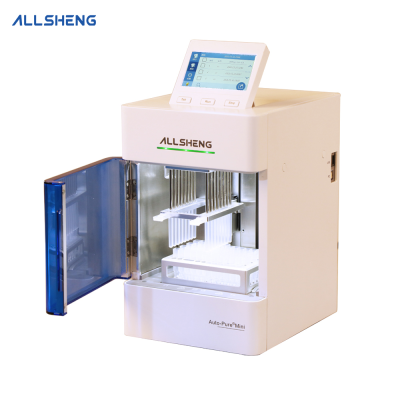


Wholesale PE Viral DNA & Rna Antigen Plasmid Nudeic Acid Extraction Buffer Tube
$0.03 - $0.05
MOQ: 20000 Pieces
Comprehensive Sourcing Guide
Strategic Sourcing Guide for DNA Sample Tubes
Technical Specifications and Material Composition
When sourcing DNA sample tubes, the primary technical focus must be on material integrity, volume consistency, and sterilization methods. Based on current market observations, the dominant material for these containers is plastic, specifically utilizing High-Density Polyethylene (HDPE) for caps to ensure a secure seal against leakage and contamination. The body of the tube is typically transparent, allowing for visual inspection of the sample volume and clarity, which is critical during lab research and extraction processes.
Volume specifications vary significantly across suppliers, with observed standard capacities including 3ml, 5ml, and 10ml configurations. Buyers must verify that the stated volume aligns with their specific extraction protocols, as the tube's geometry—whether round, conical, or custom-shaped—directly impacts sedimentation and pipetting efficiency. The "Conical" shape is particularly noted for facilitating the collection of precipitates at the bottom of the tube, a standard requirement for DNA and RNA extraction workflows.
Sterilization is a non-negotiable technical attribute for biological applications. The supply chain data indicates that Ethylene Oxide Sterilization is a common method employed to ensure the tubes are free from pyrogens and nucleases. This process is essential for maintaining the purity of genetic samples. Furthermore, the design software used in the manufacturing of these molds, such as UG (Unigraphics), suggests a high level of precision in the tooling, which translates to consistent wall thickness and dimensional accuracy. Buyers should request documentation confirming the sterilization method and the specific material grades used for both the tube body and the cap to ensure compatibility with harsh solvents often used in extraction buffers.
Compliance, Certification, and Regulatory Standards
Navigating the regulatory landscape for medical and laboratory consumables requires rigorous verification of standards. While specific certification bodies are not universally listed in general product descriptions, the presence of "Medical Tube Mold" and "Medical Mold" in product naming conventions indicates that these items are manufactured with medical-grade intent. Buyers must verify that the production facility adheres to relevant international quality management systems, such as ISO 13485, though this specific standard must be confirmed directly with the supplier rather than assumed from product titles.
The product data references specific standards such as "DME" and model numbers like "EJ-26" or "JC-27," which serve as internal or industry-specific identifiers. However, for international procurement, reliance on these internal codes is insufficient. Procurement teams must demand evidence of compliance with local and international regulations regarding medical devices and laboratory supplies. This includes verifying that the Ethylene Oxide sterilization process meets safety thresholds for residual gas levels.
Additionally, the "Quality Guarantee Period" of two years observed in the market suggests a baseline expectation for product stability and shelf life. However, buyers should not rely solely on this guarantee without understanding the storage conditions required to maintain it. The absence of explicit certification names in the provided data necessitates a proactive approach where the buyer requests third-party audit reports or certificates of analysis (CoA) for every batch. This verification process ensures that the tubes meet the necessary biocompatibility and chemical resistance standards required for sensitive DNA and RNA applications.
Cost Drivers and Pricing Variables
The pricing structure for DNA sample tubes is influenced by a complex interplay of material costs, customization requirements, and order volume. The observed price range in the market spans from $0.01 to $10,000, a wide variance that reflects the difference between bulk commodity purchases and specialized, custom-engineered solutions. For standard, non-customized tubes, the cost is driven primarily by the raw material price of HDPE and the efficiency of the injection molding process.
Customization is a significant cost driver. The availability of "Logo Printing" in both "With" and "Without" options indicates that branding adds a layer of complexity to the production run. Custom shapes, such as the "Conical or Custom" options, require dedicated mold tooling, which increases the initial investment and unit cost. The "Multi Cavity" nature of the molds used in production allows for higher output per cycle, which can lower the per-unit cost for large orders, but the initial mold cost is substantial.
Order volume, represented by the Minimum Order Quantity (MOQ) ranging from 1 to 200,000 units, plays a critical role in the final price. Suppliers offering lower MOQs often charge a premium to cover the setup costs of smaller production runs. Conversely, bulk orders can leverage economies of scale, particularly when utilizing "Hot Runner" systems which reduce material waste and improve cycle times. Packaging also affects cost; options range from standard cartons (e.g., 3200 or 6000 pieces per carton) to specialized "Wooden Box" packaging, which is more expensive but offers superior protection for high-value shipments. Buyers should analyze their total cost of ownership, including shipping and potential waste, rather than focusing solely on the unit price.
Typical Applications and Usage Scenarios
The versatility of DNA sample tubes is evident in their diverse application spectrum. The primary use case identified is "Lab Research," specifically for the extraction of DNA and RNA. The product names explicitly mention "Rapid Test Extraction Tubes," "Extraction DNA Ext," and "Centrifuge Tube," confirming their role in molecular biology workflows. These tubes are designed to withstand the mechanical stress of centrifugation, as evidenced by the "Centrifuge Tube" designation and the robust construction implied by the use of HDPE caps.
Beyond pure research, the data suggests applications in broader fields such as "Car, Household Appliances, Electronic, Commodity, Home Use, and Furniture." While this seems counterintuitive for DNA tubes, it likely refers to the manufacturing of the molds or the plastic components themselves being used in these industries, or perhaps the tubes are repurposed for small-scale sample storage in these sectors. However, for the specific keyword of "DNA Sample Tube," the focus remains on medical and laboratory environments.
The "Group: Adult" attribute suggests that some of these tubes may be intended for clinical diagnostics or adult patient sample collection. The "Antigen Nucleic Acid Extraction Tube" designation further points to their use in diagnostic testing, where rapid and accurate extraction is vital. The "Semi Fixed" installation type mentioned in the data likely refers to the design of the tube within a rack or holder, ensuring stability during automated processing. Buyers should ensure that the selected tube is compatible with their specific laboratory equipment, such as automated liquid handlers or centrifuge rotors, to prevent operational bottlenecks.
Supplier Evaluation and Manufacturing Capabilities
Evaluating a supplier for DNA sample tubes requires a deep dive into their manufacturing capabilities and supply chain transparency. The data indicates that the primary production origin is "Zhejiang, China," a region known for its robust plastic manufacturing infrastructure. However, the specific location "Zhejiang" should be treated as a general region rather than a precise address for due diligence purposes. Buyers must verify the exact factory location to assess logistics and potential geopolitical risks.
Key manufacturing attributes to investigate include the "Shaping Mode," which is identified as "Injection Mould," and the "Surface Finish Process," which involves "Polishing." High-quality polishing is essential to prevent sample adhesion and ensure easy cleaning. The use of specific steel grades like "S136" and "H13" for the molds indicates a focus on durability and resistance to corrosion, which is crucial for maintaining mold precision over long production runs. The "Mould Cavity" count, often described as "Multi Cavity," is a strong indicator of a supplier's capacity to handle large volumes efficiently.
Suppliers offering "Customization" and "Design Software" capabilities like UG demonstrate a higher level of engineering sophistication. This suggests they can adapt to specific client needs, such as unique volume requirements or specialized cap designs. However, the "Delivery Time" of 1.5 to 2 months highlights a potential lead time challenge. Buyers must factor this into their inventory planning and ensure that the supplier has a track record of meeting these timelines consistently. It is advisable to request references from other clients in the medical or research sector to validate the supplier's reliability and quality consistency.
Quality Control and Long-Term Procurement Strategy
Maintaining quality in the supply of DNA sample tubes requires a robust quality control (QC) framework. The "Quality Guarantee Period" of two years serves as a baseline, but it should be supported by detailed QC protocols. Buyers should insist on batch-specific testing results, including sterility verification and dimensional accuracy checks. The "prod_packing" specifications, such as 3500 pieces per carton or 6000 pieces per carton, must be verified to ensure that the packaging protects the tubes from damage during transit.
Long-term procurement strategies should focus on building a resilient supply chain. Given the "Customization" availability, buyers should consider developing a long-term partnership with a supplier who can offer consistent quality while accommodating future design changes. The "Standard" variations, such as 3ml, 5ml, and 10ml, suggest that a single supplier may not cover all needs. A diversified sourcing strategy might involve using one supplier for standard volumes and another for specialized, custom configurations.
The "Runners" system, specifically "Hot Runner," indicates a focus on material efficiency and cycle time reduction. This is a positive indicator for long-term cost stability, as it minimizes waste. However, buyers must ensure that the supplier maintains the "Hot Runner" systems to prevent quality degradation over time. Regular audits of the supplier's facility, focusing on the "Surface Finish Process" and "Steel" quality, are essential to ensure that the molds remain in optimal condition. By prioritizing suppliers with transparent QC processes and stable manufacturing capabilities, buyers can mitigate the risks associated with supply chain disruptions and ensure a steady flow of high-quality DNA sample tubes for their critical research and diagnostic operations.
FAQs
What materials are used for dna sample tubes?
The tubes are primarily made of plastic with HDPE caps to ensure secure sealing. This combination provides transparency for visual inspection and durability during lab research extraction processes.
Can I request logo printing on the tubes?
Logo printing is available with options for both with and without branding. Customization allows buyers to add specific designs while maintaining the standard transparent appearance required for sample clarity.
How are the dna sample tubes sterilized?
Ethylene Oxide Sterilization is the standard method used to ensure the tubes are free from pyrogens and nucleases. This process is essential for maintaining the purity of genetic samples during extraction.
What volume options are available for these tubes?
Standard volume configurations include 3ml, 5ml, and 10ml capacities to suit various extraction protocols. The shape can be round, conical, or custom to facilitate sedimentation and pipetting efficiency.
Where are these dna sample tubes manufactured?
The products originate from Zhejiang, China, a region known for robust plastic manufacturing infrastructure. Buyers should verify the exact factory location for logistics and quality assurance purposes.
What is the delivery time for custom orders?
The typical delivery time ranges from 1.5 to 2 months for production and shipping. This lead time accounts for the complexity of injection molding and customization requirements like multi-cavity molds.
How many pieces are packed per carton?
Packaging specifications vary, with common counts being 3200, 3500, or 6000 pieces per carton. Some orders may also utilize wooden box packaging for superior protection during transit.