Find DMX512 RGBW LED Beam Light for Stage, Clubs, and Events
Source 30 DMX512 RGBW LED beam lights with adjustable strobe, 220V to 240V voltage, and aluminum alloy construction. Buyers can compare models like the RG-ML400BL and RG-ML130BD, featuring DMX control, IP44 ratings, and service life up to 50,000 hours for professional stage, club, and event applications.
Key considerations
Products List


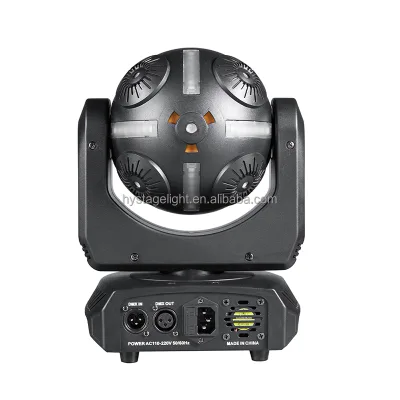
Professional DMX512 Controlled LED Strobe Light for DJ Disco Club Events
$60.00 - $66.00
MOQ: 1 pieces


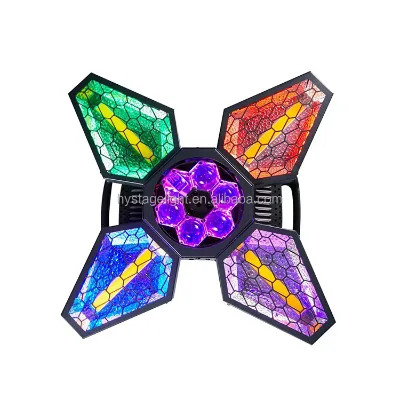
Party Event 3W 5W 10W 15W 20W RGB Animation DJ Laser Beam Stage Lighting
$290.00 - $1645.00
MOQ: 1 Pieces




Comprehensive Sourcing Guide
Strategic Sourcing Guide for DMX512 RGBW LED Beam Lights
The global market for professional stage lighting has seen a significant shift toward high-efficiency LED technology, with DMX512 RGBW beam lights emerging as a critical component for dynamic visual productions. For procurement professionals, navigating this sector requires a disciplined approach that distinguishes between marketing assertions and verifiable product attributes. The core keyword "DMX512 RGBW LED Beam Light" encompasses a diverse range of fixtures, from compact moving heads to complex multi-beam spider units. This guide provides a structured framework for evaluating these products based on observed market data, ensuring that procurement decisions are grounded in technical reality rather than speculative claims.
Technical Architecture and Control Protocols
The foundation of any DMX512 RGBW fixture lies in its control architecture and light generation capabilities. The DMX512 protocol remains the industry standard for digital control, allowing for precise manipulation of intensity, color, and movement. In the observed product landscape, control configurations vary significantly. Some units operate with a streamlined 12 or 17-channel configuration, suitable for basic color mixing and beam positioning. Others, particularly high-end spider or multi-head units, offer expanded control with up to 45 channels. This higher channel count enables granular control over pan, tilt, gobo rotation, focus, and individual color mixing for each head, which is essential for complex choreography.
The spectral composition of these lights is defined by the RGBW (Red, Green, Blue, White) configuration. Unlike traditional RGB fixtures that rely on mixing colors to create white, RGBW units include dedicated white LEDs. This design choice improves color rendering and brightness, particularly in the white spectrum, reducing the reliance on color mixing algorithms that can dim the output. The observed data indicates that specific models utilize a 4-in-1 LED structure, often combining four distinct 25W or 12W diodes per head. This configuration ensures a stable color temperature and high output efficiency. Furthermore, the inclusion of adjustable speed strobe functions allows for rapid flashing effects, a critical feature for concert and club environments. The gray level of 256, observed in several units, ensures smooth transitions between color shades, preventing banding in dimming scenarios.
Compliance, Certification, and Safety Standards
In the B2B procurement of electrical lighting equipment, compliance is not merely a regulatory formality but a prerequisite for market access and insurance coverage. The supplied product data highlights the prevalence of CE and RoHS certifications. The CE mark indicates conformity with health, safety, and environmental protection standards for products sold within the European Economic Area. The RoHS (Restriction of Hazardous Substances) directive ensures that the manufacturing process limits the use of specific hazardous materials, such as lead and mercury, which is increasingly important for sustainability and disposal regulations.
Buyers must verify that the certification documents provided by the supplier match the specific batch of goods. While the observed data lists "CE" and "CE RoHs" as standard attributes, the absence of these marks on a specific unit should trigger a rejection of the procurement order. Additionally, the IP Rating is a critical safety metric. The data shows a mix of IP44 ratings and unspecified ratings for certain indoor models. IP44 indicates protection against solid objects larger than 1mm and water splashes from any direction, making it suitable for outdoor use or damp environments. However, for indoor stage use, a lower IP rating may be acceptable, provided the fixture is protected from physical impact. Procurement teams should explicitly request the IP rating for every unit in the order to ensure environmental suitability.
Cost Drivers and Pricing Dynamics
Understanding the cost structure of DMX512 RGBW beam lights is essential for budgeting and negotiation. The observed price range in the market spans from $55 to $1,645 USD, a variance that reflects differences in power consumption, build quality, and feature sets. The primary cost drivers include the rated power and the complexity of the mechanical structure. Units with a rated power of 350W or higher, such as the 9-head spider beam lights, command a premium due to the higher energy consumption and the need for robust cooling systems. Conversely, lower-wattage units, such as those rated at 130W, offer a more accessible entry point for smaller venues or secondary lighting positions.
Material composition also plays a significant role in pricing. The use of Aluminum Alloy is a standard observation in high-quality fixtures, offering a balance of lightweight portability and heat dissipation efficiency. The choice of packaging further influences the final cost. While standard carton packaging is common for lower-priced units, premium models often come in Fly Cases or Wooden Cases. These heavy-duty containers protect the equipment during international shipping and are essential for touring applications. The observed Minimum Order Quantity (MOQ) ranges from 1 to 10 units, providing flexibility for both small-scale events and large venue installations. Buyers should note that while low MOQs are available, bulk orders often unlock better pricing tiers and more favorable lead times.
Typical Applications and Operational Environments
The versatility of DMX512 RGBW beam lights makes them suitable for a wide array of applications. The 9-degree beam angle observed in specific models is ideal for creating sharp, focused beams that cut through haze, making them perfect for concert stages, nightclubs, and theatrical productions. The adjustable beam angles and pan/tilt resolutions (8/16 Bit) allow for precise positioning, enabling lighting designers to create intricate patterns and effects. The 50,000-hour service life of the LEDs ensures long-term reliability, reducing the frequency of replacements and maintenance costs for venues that operate daily.
The control modes observed, including DMX512, Master-Slave, and Auto-Run, offer operational flexibility. Master-Slave mode allows multiple units to sync without a central controller, useful for backup systems or simple setups. Auto-Run modes enable the lights to cycle through pre-programmed effects, which is beneficial for background lighting in hotels or retail spaces where manual operation is not feasible. The presence of an LCD backlit display on certain models facilitates on-unit programming, allowing technicians to adjust settings directly on the fixture without a laptop or controller. This feature is particularly valuable for quick setup times and troubleshooting in remote locations.
Supplier Evaluation and Quality Assurance
When evaluating potential suppliers, buyers must look beyond the basic product specifications. The origin of the products, such as Guangzhou, China, is a known hub for lighting manufacturing, but the specific factory's quality control processes are paramount. The observed data mentions "Made-in-China" and specific model numbers like RG-ML400BL-KCRe5AH49, which serve as unique identifiers for traceability. Buyers should request detailed documentation for each model number to verify that the specifications match the physical product.
Quality control should extend to the physical build and packaging. The observation of "Fly Case or Wooden Case" options suggests that reputable suppliers offer protective packaging for high-value items. However, the presence of "Carton" packaging for lower-priced items indicates a need for careful inspection upon receipt. Buyers should verify the net and gross weights provided in the product data to ensure that the shipping dimensions and weight match the actual goods. Discrepancies in weight can indicate missing components or substandard materials. Additionally, the "Customization: Available" attribute suggests that suppliers may offer tailored solutions, such as specific color finishes or branding. While this is a valuable feature, it requires clear communication and written confirmation to avoid misunderstandings regarding the final product.
Long-Term Procurement and Maintenance Considerations
Sourcing DMX512 RGBW beam lights is not a one-time transaction but a long-term investment in venue infrastructure. The 50,000-hour service life of the LEDs is a significant factor in the total cost of ownership. However, the longevity of the fixture depends on proper maintenance and environmental conditions. The IP44 rating, where applicable, protects against moisture, but regular cleaning of the lens and ventilation grilles is necessary to prevent dust accumulation, which can lead to overheating.
Buyers should also consider the compatibility of the control systems. While DMX512 is the standard, the number of channels (12, 17, or 45) must align with the lighting console's capabilities. Mismatches in channel count can result in incomplete control or the need for additional hardware. The "Gray Level: 256" specification ensures smooth dimming, but buyers should test the fixtures in their specific environment to verify performance. Finally, the availability of spare parts, such as fuses or power supplies, should be confirmed before finalizing the order. The "Customization" option can be leveraged to include spare parts in the initial shipment, reducing downtime in the event of a failure.
Comparative Analysis of Product Attributes
To facilitate decision-making, the following table summarizes key attributes observed across the product range, highlighting the trade-offs between power, control, and portability.
| Attribute Category | Low-End / Compact Units | High-End / Multi-Head Units |
|---|---|---|
| Rated Power | 130W - 150W | 350W+ |
| LED Configuration | 4-in-1 RGBW (4 pcs) | 9 Heads (12W each) or similar |
| DMX Channels | 12/17 CH | 10/16/45 CH |
| Beam Angle | Standard Beam | 5 Degree (Sharp Beam) |
| Control Modes | DMX512, Master-Slave | DMX512, Master-Slave, Auto-Run |
| Display | Basic or None | LCD Backlit Display |
| Packaging | Carton | Flight Case, Plywood Box |
| Weight (Net) | ~9.5kg | Varies (Heavier due to multiple heads) |
| Certification | CE, RoHS | CE, RoHS |
This comparison illustrates that while lower-power units offer cost savings and ease of transport, high-end units provide superior control and visual impact. The choice depends on the specific requirements of the venue and the complexity of the lighting design.
Conclusion
Procuring DMX512 RGBW LED beam lights requires a meticulous approach that balances technical specifications, compliance requirements, and cost considerations. By focusing on verified attributes such as the CE and RoHS certifications, the specific DMX channel counts, and the material construction, buyers can mitigate risks and ensure the acquisition of high-quality lighting solutions. The observed market data provides a solid foundation for understanding the capabilities of these fixtures, but continuous verification of supplier claims and product testing remains essential. As the industry continues to evolve, maintaining a focus on long-term reliability and operational flexibility will be key to successful procurement outcomes.
FAQs
What certifications are standard for these lights?
CE and RoHS certifications are standard for these fixtures. Buyers should verify that specific batches include these marks to ensure compliance with European safety and environmental standards before placing orders.
How many DMX channels do these units support?
Units support 12, 17, or 45 DMX channels depending on the model. Higher channel counts enable granular control over pan, tilt, and color mixing for complex stage productions requiring precise effects.
Can I find units with IP44 protection ratings?
Yes, some models feature an IP44 rating for splash protection. This makes them suitable for outdoor use or damp environments, though indoor stage units may have different ratings.
What is the typical service life of the LEDs?
The LEDs typically offer a service life of 50,000 hours. This longevity reduces replacement frequency and maintenance costs for venues operating daily or for extended touring schedules.
Which packaging options are available for shipping?
Packaging options include cartons, fly cases, or wooden cases. Premium models often come in heavy-duty cases for touring, while lower-priced units may use standard cartons.
Can suppliers offer customization for these lights?
Customization is available for specific requirements like finishes or branding. Buyers must provide clear written confirmation to ensure the final product matches their tailored specifications.