Source Dollhouse Retro Kerosene Miniature Lantern for decoration, DIY, and gifts
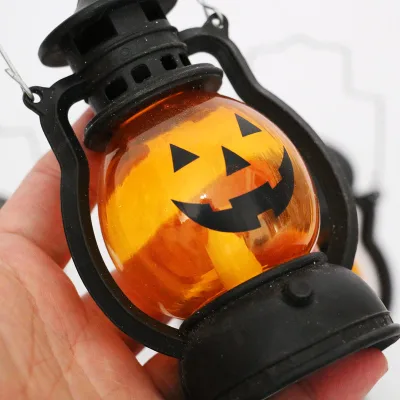
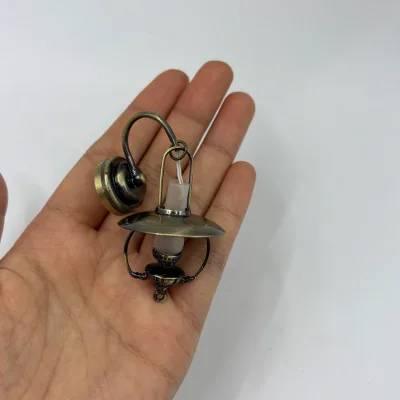
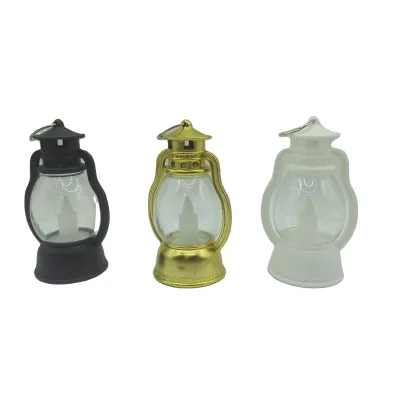
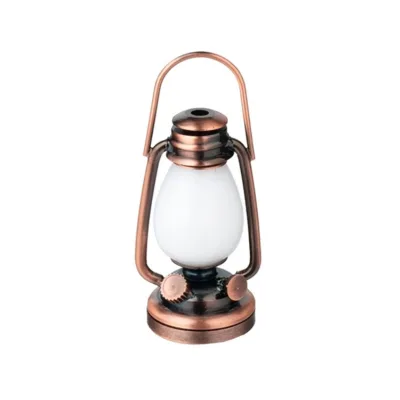
Find 30 options for the Dollhouse Retro Kerosene Miniature Lantern to compare specifications and prices from verified suppliers. Buyers can evaluate materials like metal and resin, sizes, and MOQs for dollhouse decoration, DIY playing, and educational toy applications.
Key considerations
Products List
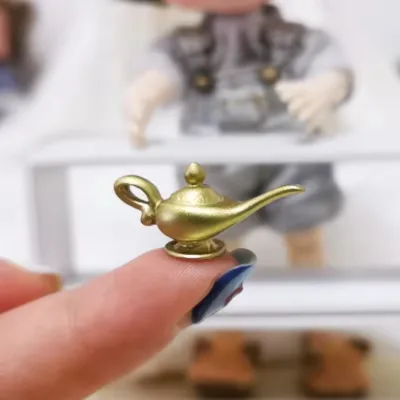
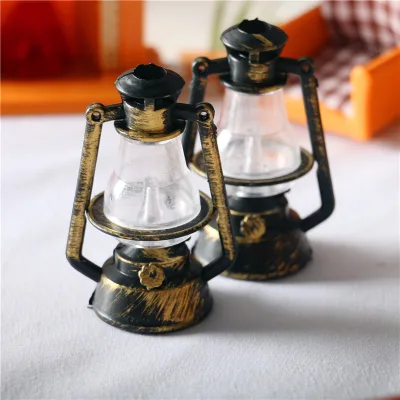
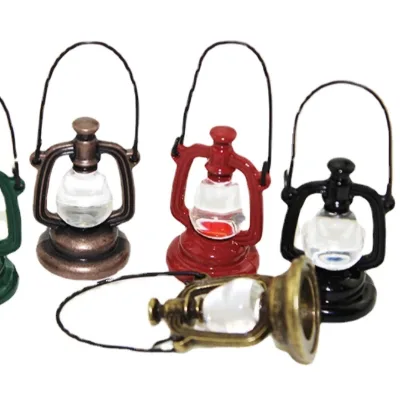
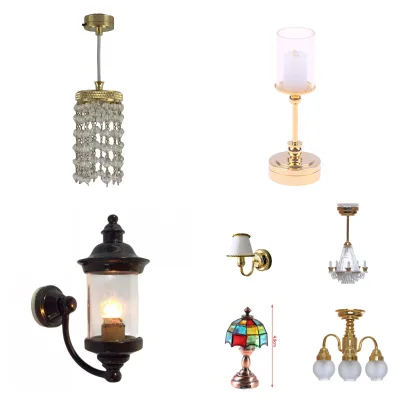

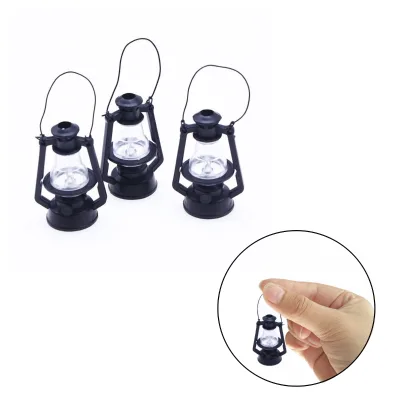
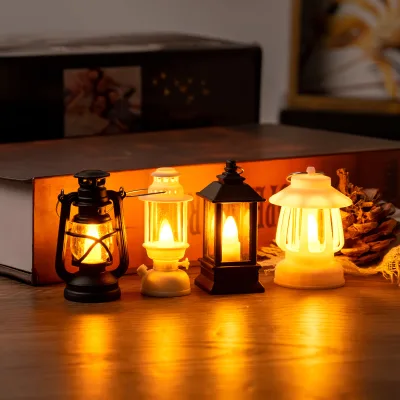



Comprehensive Sourcing Guide
Sourcing Guide for Dollhouse Retro Kerosene Miniature Lanterns
The global market for dollhouse accessories has seen a steady rise in demand for high-fidelity miniature replicas that capture the aesthetic of historical eras. Among these, the retro kerosene miniature lantern stands out as a versatile and highly sought-after item for collectors, DIY enthusiasts, and dollhouse furnishing specialists. Sourcing these specific items requires a nuanced understanding of the intersection between decorative artistry and functional toy manufacturing. This guide provides a structured approach to identifying, evaluating, and procuring these miniature lighting fixtures, focusing on the technical realities, material constraints, and supply chain dynamics observed in the current market.
Technical Specifications and Material Composition
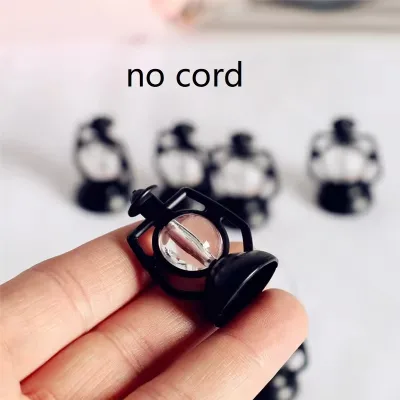
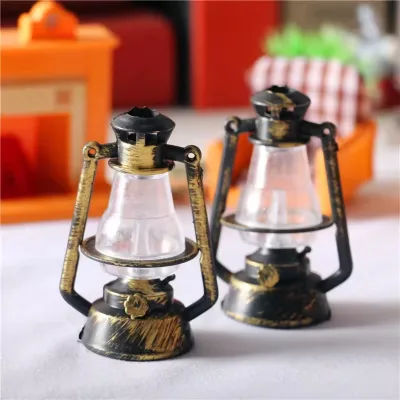
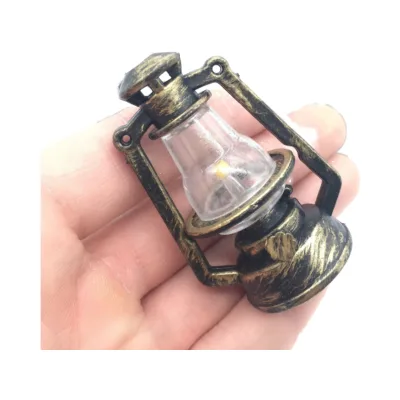
When evaluating potential suppliers for dollhouse retro kerosene miniature lanterns, the first step is a rigorous analysis of the product's technical specifications. The market data indicates a significant variation in material composition, which directly impacts the visual authenticity and durability of the item. High-quality retro-style lanterns are frequently constructed using a combination of metal and resin. The metal components often provide the structural frame, handles, and chimney details, mimicking the weight and feel of genuine historical fixtures. Conversely, resin is commonly used for the main body or decorative elements to allow for intricate molding of vintage patterns and textures.
However, buyers must also account for plastic-based alternatives. Some listings indicate the use of PVC or general plastic types, which are often lighter and more cost-effective but may lack the premium feel associated with "retro" aesthetics. The dimensions of these items are critical for dollhouse integration. Observed specifications range from precise measurements such as 7.34.8cm (2.871.89 inches) to general descriptors like "miniature" or "1:12" scale. The 1:12 scale is the industry standard for dollhouses, ensuring that the lantern fits proportionally within a typical room setting. Single package sizes are typically compact, often around 8x5x5 cm, which is advantageous for logistics and inventory storage.
Furthermore, the functional aspect of these lanterns varies. While many are purely decorative, specific product attributes suggest that certain models are designed to be illuminated. The term "kerosene lamp can be light" implies an internal lighting mechanism, likely battery-operated given the miniature scale. Buyers should verify the power source requirements and the nature of the light emission to ensure it aligns with the intended display environment. The weight of individual units is also a key specification, with observed values around 6g, which influences shipping costs and the structural load on dollhouse shelves.
Design Attributes and Customization Potential
The aesthetic design of these miniature lanterns is a primary driver of their appeal. The market offers a diverse array of styles, ranging from "fashionable" and "cartoon" shapes to more traditional "retro" forms. The "Free Form" technique is noted in several product attributes, suggesting that some items may be handmade or feature unique, non-molded details that add character. This handmade aspect is a significant value proposition, as it differentiates mass-produced plastic items from artisanal replicas.
Color options are extensive, with suppliers offering a wide spectrum ranging from single-color variants to palettes of up to nine distinct colors. This variety allows buyers to match specific dollhouse themes, from Victorian-era dark tones to brighter, modern interpretations. The pattern on these lanterns often includes alphabet motifs or other decorative engravings, adding a layer of complexity to the design. For buyers looking to create a cohesive collection, the availability of specific model numbers, such as FB9256699666 or JNM series codes, helps in tracking specific design iterations.
Customization is another critical consideration for B2B procurement. Many suppliers explicitly support OEM (Original Equipment Manufacturer) and ODM (Original Design Manufacturer) services. This capability is essential for buyers who wish to brand the products or modify existing designs to meet specific market demands. The ability to support custom orders suggests that the manufacturing process is flexible enough to accommodate changes in color, packaging, or minor structural adjustments. However, buyers should be aware that customization often comes with higher Minimum Order Quantities (MOQ), which can range from 10 pieces for standard items to 1000 pieces for custom runs.
Compliance, Certification, and Safety Standards
Safety and compliance are paramount when sourcing toys and decorative items intended for children or household use. The primary regulatory concern for these products is the potential for small parts and the use of materials that must meet specific safety standards. While the supplied data mentions "CE" certification with low confidence, buyers should not assume compliance based on this alone. The CE mark indicates conformity with health, safety, and environmental protection standards for products sold within the European Economic Area, but its presence must be verified through official documentation from the supplier.
For products marketed as toys, particularly those with an age range of 2 to 4 years or 5 to 7 years, additional safety testing is required. These tests often include checks for lead content in paints, phthalate levels in plastics, and the mechanical strength of small components to prevent choking hazards. The "Plastic Type: PVC" mentioned in some listings requires specific scrutiny, as PVC can contain harmful plasticizers if not manufactured according to strict regulations. Buyers should request test reports from accredited laboratories to confirm that the materials used, whether metal, resin, or plastic, meet the safety standards of their target market, such as ASTM F963 in the United States or EN71 in Europe.
Furthermore, the "Handmade" attribute introduces a variable in quality control. Handcrafted items may have slight variations that, while adding charm, could also introduce safety risks if edges are sharp or components are loosely attached. Suppliers must demonstrate a robust quality assurance process that accounts for these manual variations. Buyers should inquire about the specific safety protocols in place for handmade items to ensure that the final product is safe for its intended age range, which can span from toddlers to teenagers.
Cost Drivers and Pricing Dynamics
The pricing of dollhouse retro kerosene miniature lanterns is influenced by several factors, including material costs, manufacturing complexity, and order volume. The observed price range in the market is broad, spanning from $0.07 to $22 per unit. This wide disparity reflects the difference between mass-produced plastic items and high-end, handmade metal and resin replicas. The lower end of the price spectrum typically corresponds to simple plastic models with basic coloring and minimal detailing. In contrast, the higher prices are associated with items featuring intricate designs, metal construction, and functional lighting elements.
Minimum Order Quantity (MOQ) is another significant cost driver. Suppliers often offer tiered pricing structures where the unit cost decreases as the order volume increases. Standard MOQs can be as low as 10 pieces, making these items accessible for small businesses or individual buyers testing the market. However, for custom orders or bulk procurement, MOQs can rise to 3000 pieces. This variation allows buyers to manage their cash flow and inventory risk effectively.
Shipping costs also play a role in the total landed cost. The single gross weight of these items is relatively low, often around 0.015 kg per unit, which is favorable for air freight. However, the volume of the packaging, which can be up to 8x5x5 cm per item, may affect the cost per cubic meter in sea freight. Buyers should calculate the total cost of ownership, including packaging, shipping, and duties, rather than focusing solely on the unit price. The "Selling Units: Single item" attribute suggests that some suppliers are willing to sell individual units, which may carry a premium price compared to bulk purchases.
Supplier Evaluation and Geographic Considerations
When selecting a supplier for dollhouse accessories, geographic location and manufacturing capability are critical factors. The majority of the observed products originate from Guangdong and Zhejiang provinces in China. These regions are well-established hubs for toy and miniature manufacturing, offering a mature supply chain and a wide range of specialized factories. Guangdong is known for its advanced manufacturing capabilities and export infrastructure, while Zhejiang is often associated with a strong presence of small to medium-sized enterprises (SMEs) that can handle flexible production runs.
Evaluating a supplier involves more than just checking their location. Buyers should assess the supplier's ability to handle both standard and custom orders. The presence of OEM and ODM support indicates a supplier's willingness to collaborate on product development. Additionally, the "Handmade" attribute suggests that some suppliers may rely on artisanal workshops rather than fully automated factories. Buyers should verify the capacity of these workshops to meet demand without compromising quality.
Transparency in communication is another key evaluation criterion. Suppliers should be able to provide detailed product specifications, including model numbers, material compositions, and packaging dimensions. The ability to provide samples is also crucial for verifying the quality of the product before committing to a large order. Buyers should look for suppliers who are responsive to inquiries and can provide clear documentation regarding their manufacturing processes and quality control measures.
Quality Control and Long-Term Procurement Strategy
Implementing a robust quality control (QC) strategy is essential for maintaining the integrity of the product line. Given the "Handmade" nature of many of these lanterns, visual inspection is a primary QC method. Buyers should establish clear acceptance criteria for color consistency, structural integrity, and the functionality of any lighting elements. For items with electronic components, such as the "kerosene lamp can be light" feature, electrical safety testing is necessary to ensure reliable performance.
Long-term procurement considerations involve building a sustainable relationship with suppliers. This includes negotiating favorable terms for repeat orders, securing consistent supply during peak seasons, and maintaining open lines of communication for future product development. The "Age Range" of the product, which can span from 2 to 14 years and up, suggests that these items have a broad market appeal. Buyers should plan their inventory strategy to cater to different segments, ensuring that the product mix aligns with current market trends and consumer preferences.
Finally, buyers should remain vigilant about changes in regulations and market demands. The toy industry is subject to frequent updates in safety standards and environmental regulations. Staying informed about these changes and maintaining a proactive approach to compliance will help buyers mitigate risks and ensure the long-term success of their procurement efforts. By focusing on technical specifications, material quality, and supplier reliability, buyers can effectively source high-quality dollhouse retro kerosene miniature lanterns that meet the needs of their customers.
Comparative Analysis of Product Variants
To assist buyers in making informed decisions, the following table summarizes the key differences between common product variants found in the market. This comparison highlights the trade-offs between material, scale, and functionality.
| Feature | Variant A: Metal & Resin | Variant B: Plastic (PVC) | Variant C: Miniature DIY |
|---|---|---|---|
| Primary Material | Metal and Resin | PVC / Plastic | Metal / Mixed |
| Scale | 1:12 | Miniature | 1:12 / One Size |
| Functionality | Decorative / Light | Decorative | DIY / Playing |
| Technique | Handmade / Free Form | Molded | Free Form |
| Typical MOQ | 10 - 1000 pcs | 10 - 3000 pcs | 1000 pcs |
| Weight | ~6g | Varies | ~6g |
| Target Age | 14+ / Collectors | 2+ / Kids | 5+ / Educational |
| Price Range | Higher ($10-$22) | Lower ($0.07-$5) | Mid-Range |
This comparison underscores the importance of aligning product selection with the specific needs of the target market. Whether the goal is to supply high-end collectors with authentic, handmade replicas or to provide affordable, durable toys for younger children, understanding these distinctions is vital for successful procurement. By carefully evaluating these factors, buyers can build a diverse and competitive product portfolio that meets the evolving demands of the dollhouse accessory market.
FAQs
What materials are used for dollhouse retro kerosene miniature lanterns?
These lanterns are typically constructed from metal and resin to mimic historical fixtures. Some alternative models utilize plastic or PVC for a lighter weight and lower cost, though they may lack the premium feel of metal and resin combinations.
Can the kerosene lamp feature be illuminated in these miniatures?
Yes, specific models are designed with a lighting function where the kerosene lamp can be light. This feature usually involves an internal battery-operated mechanism suitable for the miniature scale of the product.
Which scale is standard for these dollhouse accessories?
The industry standard scale for these items is 1:12, ensuring they fit proportionally within typical dollhouse rooms. Dimensions often range from specific measurements like 7.3 by 4.8 cm to general descriptors like miniature or one size.
How does the minimum order quantity vary for these products?
Minimum order quantities can range from 10 pieces for standard items up to 3000 pieces for custom runs. Suppliers often adjust these thresholds based on whether the order requires OEM customization or standard inventory.
Where are these miniature lanterns typically manufactured?
Most products originate from Guangdong or Zhejiang provinces in China, which are established hubs for toy and miniature manufacturing. These regions offer mature supply chains capable of handling both standard and custom production runs.
What customization options are available for these lanterns?
Many suppliers support OEM and ODM services to allow for branding or design modifications. Buyers can request changes to colors, packaging, or structural details, though such customization often requires higher minimum order quantities.