Source Dogwood Extract for Medicine, Food, and Health Care
Find 30 Dogwood Extract listings from China suppliers. Compare brown powder options in food and pharmaceutical grades, available in 10:1 or 20:1 ratios, with certifications like ISO and HACCP for bulk procurement.
Key considerations
Products List


Natural Plant Extract Bulk Sale Pine Bark Extract Powder Manufacturers
$10.00 - $20.00
MOQ: 1 kilograms


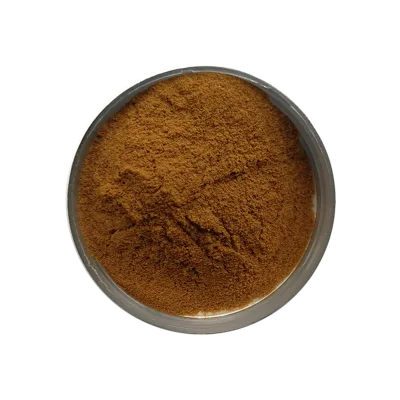
High Quality Natural Fructus Corni Extract Dogwood Extract Dogwood Powder
$11.00 - $14.00
MOQ: 1 kilograms


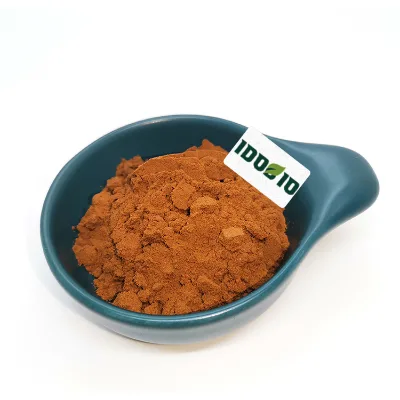
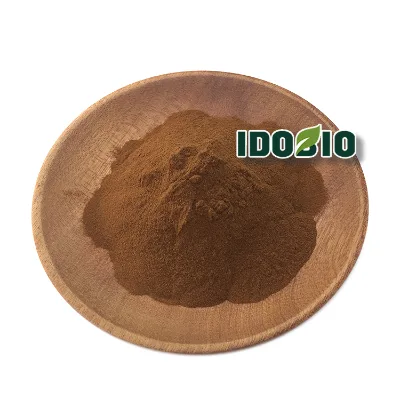

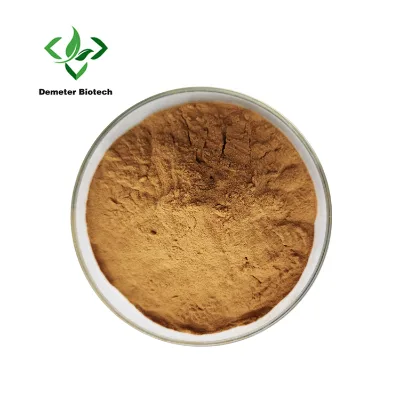


Comprehensive Sourcing Guide
Dogwood Extract Sourcing Guide
Procuring Dogwood Extract requires a clear understanding of the specific botanical source and the intended application, as the market offers variations ranging from general plant extracts to specialized formulations for pharmaceutical and food industries. Buyers must distinguish between products labeled specifically as "Dogwood Extract Powder" and those that may be misidentified or blended with other botanicals, such as pine bark, which appears in some listings under similar naming conventions. The primary raw material is derived from the bark or fruit of the dogwood plant, processed into a fine brown powder that is highly soluble in water, making it suitable for diverse manufacturing needs.
The commercial landscape for this ingredient is characterized by a wide range of listing prices and minimum order quantities, reflecting the variability in extraction ratios and purity levels. While some suppliers offer samples as small as 10-20 grams for initial quality assessment, standard commercial transactions often begin at 25 kilograms, though lower MOQs of 1 kilogram are available in specific packaging configurations. Understanding these commercial thresholds is essential for budgeting, as the cost per unit can fluctuate significantly based on the extraction standard, such as 10:1 or 20:1, and the specific grade required for the final product.
Product Scope and Observed Listing Signals
The product scope for Dogwood Extract in the current market is defined by its physical state as a brown fine powder, which is typically derived through solvent extraction methods. Listings indicate that the material is available in various extraction ratios, including 5:1, 10:1, and 20:1, which directly influence the concentration of active compounds and the final cost. Buyers should verify the specific part of the plant used, as some sources specify the bark while others may refer to the fruit, and ensure that the product is explicitly identified as a plant extract powder rather than a generic herbal blend.
Observations of listing signals reveal that the product is marketed for use in medicine, health care products, and food applications, with specific forms including capsules, tablets, pastes, lotions, and even injections. The packaging data suggests a standard offering of aluminum foil bags within drums or vacuum-sealed units to maintain stability, with shelf life typically cited as 24 months or two years. However, buyers must be vigilant regarding inconsistent product names in listings, such as references to pine bark or other unrelated botanicals, and confirm that the specific model number and origin, such as Shaanxi or Xi'an in China, align with the intended dogwood source.
Technical Specifications to Verify
Technical verification begins with the assay methods employed to quantify the extract's potency and purity, as the data indicates the use of UV, HPLC, GPC, and HPLC-MS techniques. Buyers should request detailed test reports that specify which of these analytical methods were used for the specific batch, as the presence of multiple methods suggests a robust quality control infrastructure. The solubility profile is a critical technical attribute, with the product described as highly soluble in water, a characteristic that must be validated for compatibility with the buyer's specific formulation process, whether for liquid fillings or dry blends.
The physical specifications and grading standards are equally important, with products available in Food Grade and Pharm Grade classifications. The extraction standard, often denoted as a ratio like 10:1 or 20:1, defines the amount of raw material required to produce one unit of extract, and this ratio must be clearly stated on the certificate of analysis. Additionally, the appearance is consistently noted as a brown powder, but the fineness of the particle size and the specific model number, such as WG-Dogwood Extract Powder or WN-YHK24-1, should be cross-referenced to ensure the product matches the exact technical requirements of the manufacturing line.
Compliance and Safety Documentation
Compliance documentation for Dogwood Extract is extensive, with suppliers frequently citing a broad array of certifications including HACCP, FDA, ISO, BRC, RoHS, Halal, and Kosher. Buyers must verify that the specific certificate provided for the order matches the regulatory requirements of the destination market, as the presence of a certification on a general listing does not guarantee that every batch is currently certified or that the certification covers the specific product model. The combination of ISO9001, ISO22000, and HACCP suggests a focus on quality management and food safety, but the validity of these documents should be confirmed directly with the issuing body.
Safety and purity are further supported by the availability of organic certifications and specific test methods like TLC and HPLC for residue and contaminant analysis. The product origin is consistently listed as China, specifically from regions like Shaanxi and Xi'an, which are known hubs for plant extract production. Buyers should ensure that the supplier provides a Certificate of Analysis (CoA) that aligns with the claimed certifications and includes data on heavy metals, pesticides, and microbial limits, as these are critical for meeting international safety standards in food and pharmaceutical applications.
Cost Drivers and Commercial Terms
The cost of Dogwood Extract is driven primarily by the extraction ratio, the grade of the product, and the complexity of the certification portfolio. Higher extraction ratios, such as 20:1, generally command a higher price due to the increased volume of raw material required and the more intensive processing involved. Additionally, the inclusion of specialized certifications like Organic, Halal, or Kosher can add to the overall cost, as these require segregated production lines and additional auditing fees that are passed on to the buyer.
Commercial terms vary significantly, with observed minimum order quantities ranging from 1 kilogram for sample or trial orders up to 25 kilograms for standard bulk purchases. The packaging options, such as 1kg aluminum foil bags or 25kg drums, influence the logistics cost and the handling requirements at the destination. Buyers should also consider the single gross weight and package dimensions, which are listed as approximately 1.5 kg and 10x10x5 cm for smaller units, to accurately calculate shipping costs and storage needs, ensuring that the total landed cost fits within the procurement budget.
Supplier Qualification and Quality Control
Supplier qualification should focus on the consistency of their production capabilities and the transparency of their quality control processes. The observed data indicates that suppliers offer customization services and have established extraction methods, but buyers must verify the specific cultivation methods, such as artificial planting, and the part of the plant used to ensure consistency in the raw material supply chain. The shelf life of 24 months is a key metric for inventory planning, but it is contingent on proper storage conditions, which should be clearly defined in the supplier's handling guidelines.
Quality control extends beyond the initial batch testing to include ongoing monitoring of the extraction process and final product stability. Buyers should request evidence of the supplier's ability to maintain the specified assay methods and test results over time, as the variability in plant extracts can be high without rigorous controls. The availability of samples ranging from 10 to 20 grams allows for pre-shipment verification, enabling buyers to confirm the physical appearance, solubility, and assay results before committing to larger orders, thereby mitigating the risk of receiving non-conforming product.
Long-Term Procurement Checks
Long-term procurement success depends on establishing a reliable supply chain that can adapt to changing regulatory requirements and market demands. Buyers should regularly audit the supplier's certification status, ensuring that documents like ISO, HACCP, and FDA approvals remain current and applicable to the specific product model being ordered. The consistency of the product origin, whether from Shaanxi or Xi'an, should be maintained to ensure that the botanical source and extraction conditions remain stable, which is crucial for maintaining the quality and efficacy of the final product.
Continuous monitoring of the product's performance in the buyer's application is essential for validating the supplier's claims over time. This includes tracking the shelf life, solubility, and assay results in the final manufactured goods to detect any degradation or variability that might indicate a shift in the raw material quality or processing methods. By maintaining open communication regarding the extraction type, packaging integrity, and any changes in the product specifications, buyers can ensure a sustainable and high-quality supply of Dogwood Extract for their ongoing production needs.
FAQs
What are the common extraction ratios for Dogwood Extract powder?
Common extraction ratios include 10:1, 20:1, and 5:1. These ratios indicate the amount of raw plant material used to produce one unit of extract. Buyers should verify the specific ratio on the certificate of analysis to ensure it matches their formulation requirements.
What certifications are typically available for Dogwood Extract suppliers?
Suppliers often hold certifications such as ISO9001, HACCP, FDA, Halal, and Kosher. Some may also offer ISO22000 or Organic certifications. Verifying these documents ensures the product meets international safety and quality standards for food and pharmaceutical applications.
What is the standard packaging for bulk Dogwood Extract orders?
Standard packaging includes aluminum foil bags and drums. A common configuration is 1kg per aluminum foil bag with 20 bags per drum, or 25kg per drum. Vacuum packing is also available to maintain product stability and extend shelf life during storage and transport.
What is the typical shelf life of Dogwood Extract powder?
The typical shelf life is 24 months when stored properly. Proper storage conditions are essential to maintain the potency and quality of the extract. Buyers should check the specific storage instructions provided by the supplier to ensure optimal preservation.
What are the main applications of Dogwood Extract in industry?
Dogwood Extract is primarily used in medicine, health care products, and food. It can be formulated into capsules, tablets, pastes, and other dosage forms. Its high solubility in water makes it suitable for various liquid and solid product formulations.
What is the minimum order quantity for Dogwood Extract?
The minimum order quantity varies by supplier, with some listing 25kg as the MOQ. Other suppliers may offer smaller quantities for sample requests, typically ranging from 10g to 20g. Buyers should confirm the specific MOQ and sample availability directly with the vendor.
What is the physical appearance of Dogwood Extract powder?
Dogwood Extract powder typically appears as a brown or brown fine powder. The color may vary slightly depending on the extraction method and raw material source. Consistent appearance is a basic quality indicator for the product.