Find Compare Source Dot Peen Marking Machine for Auto Parts Instruments Machinery
Explore 30 electric dot peen marking machines from Beijing and Wuxi suppliers. Buyers can compare models like JZ115D and KT-PS01 for applications in auto parts, instruments, and machinery with varying marking areas and depths.
Key considerations
Products List


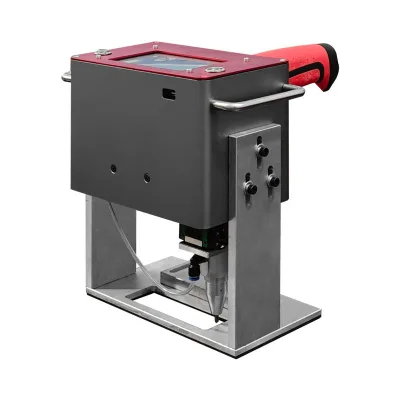
Pneumatic Marking Machine DOT Peen Marking/Engraving/ Etching Machine
$900.00 - $1500.00
MOQ: 1 Pieces


Metal DOT Peen Marking Machine Machine for Stamping Letters and Numbers on Iron
$299.00 - $1200.00
MOQ: 1 Pieces

Comprehensive Sourcing Guide
Strategic Sourcing Guide for Electric DOT Peen Marking Machines
The global manufacturing landscape increasingly demands permanent, high-contrast identification on metal and non-metal components. The electric Dot Peen Marking Machine has emerged as a critical tool for this purpose, offering a mechanical method of creating durable marks through a series of rapid impacts. For procurement professionals, navigating the market requires a disciplined approach to evaluating technical capabilities, verifying compliance, and understanding the cost structures inherent in this equipment category. This guide synthesizes observed market data and technical attributes to provide a framework for sourcing these machines effectively without relying on unverified claims or speculative data.
Technical Specifications and Operational Capabilities
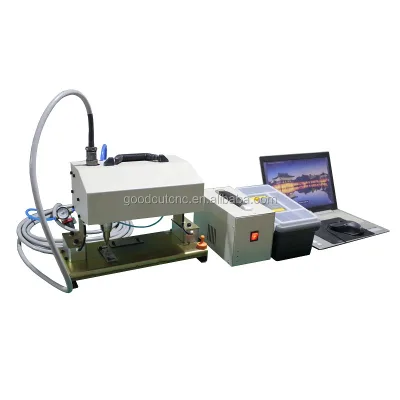
When evaluating electric dot peen marking machines, the primary focus must be on the specific mechanical and electrical parameters that define performance. The core mechanism involves a stylus that strikes the workpiece to form a pattern of dots, creating alphanumeric characters, graphics, or barcodes. Buyers must scrutinize the marking area dimensions, as this dictates the complexity of the data that can be inscribed. Market observations indicate that desktop configurations often feature a marking area of 120x80mm, suitable for larger components, while portable or specialized rotary units may offer a more compact 50x20mm area for smaller parts or specific angular applications.
The marking speed is another critical variable. Operational data suggests a typical range of 30-40mm/s, which influences throughput in high-volume production environments. However, the depth of the mark is equally significant and is not a fixed value but rather a variable dependent on the material properties. Specifications indicate a potential marking depth range of 0.01-0.5mm for certain models, while others may achieve 0.1-0.6mm. Procurement teams must verify that the selected machine can consistently achieve the required depth for the specific alloy or material being processed, as excessive depth can weaken the component, while insufficient depth may fail to meet traceability standards.
Power sources also vary across the product spectrum. While some units are described as electric, specific high-performance models in the observed data are noted to utilize pneumatic power, requiring an external air supply. Conversely, other portable units are designed with a whole machine power rating of 125W, indicating a self-contained electric drive. The control mode is predominantly CNC (Computer Numerical Control), allowing for precise automation and integration into existing production lines. Buyers should confirm whether the system supports the required controlling mode and whether it is compatible with the factory's existing software infrastructure.
Compliance, Certification, and Regulatory Standards
In the industrial sector, compliance is not merely a formality but a prerequisite for market access and operational safety. When sourcing dot peen marking machines, verifying certifications is essential to ensure the equipment meets international safety and environmental standards. The observed market data highlights the prevalence of ISO and CE certifications. The CE mark indicates conformity with health, safety, and environmental protection standards for products sold within the European Economic Area, while ISO certification suggests adherence to quality management systems.
Buyers must treat these certifications as verified attributes of specific listings rather than universal guarantees for all products in the category. It is imperative to request current certification documentation from the supplier to validate the status of the specific model being purchased. Additionally, standards such as ROHS are observed in the product specifications, indicating compliance with restrictions on hazardous substances. This is particularly relevant for electronic components within the marking machine.
Furthermore, the origin of the machine plays a role in regulatory alignment. Products originating from regions such as Beijing or Wuxi, Jiangsu, China, are common in the global supply chain. While the geographic origin does not dictate quality, it may influence the specific regulatory frameworks the manufacturer adheres to. Buyers should ensure that the machine's electrical standards and safety protocols align with the regulations of the destination country, especially if importing into regions with strict machinery directives.
Cost Drivers and Pricing Structure Analysis
Understanding the cost drivers for electric dot peen marking machines is vital for budgeting and total cost of ownership (TCO) analysis. The observed price range in the market spans from approximately $299 to $4,900 USD. This wide variance is driven by several factors, including the machine's configuration, power source, and level of automation. Desktop units with larger marking areas and integrated CNC controls typically command higher prices compared to basic portable models.
The packaging and shipping logistics also contribute significantly to the final cost. Specifications indicate that machines are shipped in various forms, including cartons, plywood cases, and wooden cases. The choice of packaging affects the gross weight and outer pack dimensions, which in turn influence freight costs. For instance, a unit with a gross weight of 36kg and an outer pack size of 51x54x84cm will incur different shipping charges compared to a lighter unit weighing 24kg with dimensions of 44x40x54cm.
Minimum Order Quantity (MOQ) is another financial consideration. Current market observations show an MOQ of 1 for many listings, suggesting a flexible procurement environment where buyers can purchase single units without needing to commit to bulk orders. This flexibility allows for pilot testing and small-batch acquisitions. However, buyers should remain aware that while the MOQ may be low, the unit price might be higher for single purchases compared to negotiated bulk rates, although specific bulk pricing tiers are not universally standardized in the available data.
Typical Applications and Industry Use Cases
The versatility of electric dot peen marking machines makes them suitable for a diverse range of industrial applications. The primary application areas identified include machinery, auto parts, and instruments & meters. In the automotive sector, these machines are essential for marking VIN codes, serial numbers, and part identifiers on engine blocks, transmission components, and chassis parts. The ability to mark on metal and non-metal materials expands their utility beyond traditional automotive manufacturing to include consumer goods and electronics.
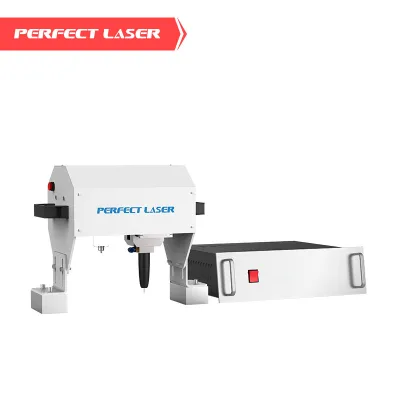
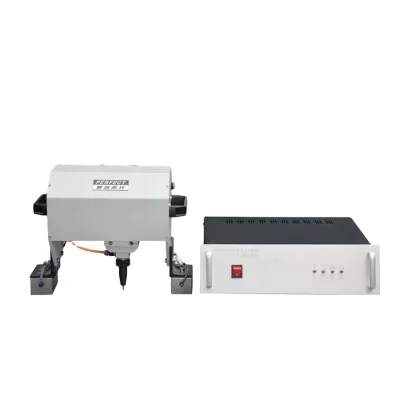
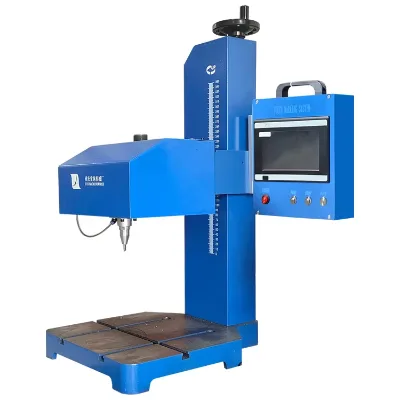
The style of the machine often dictates its application environment. Desktop models are ideal for fixed workstations where components are brought to the machine for marking, offering stability and precision for high-volume tasks. Portable models, characterized by their handle-held design and lighter weight, are suited for on-site marking of large assemblies or equipment that cannot be easily moved, such as heavy machinery or structural components. The marking content capabilities, which include numbers, characters, graphics, and VIN codes, ensure that the machines can meet the complex identification requirements of modern supply chains.
Supplier Evaluation and Geographic Considerations
Evaluating suppliers requires a focus on their operational history, geographic location, and product customization capabilities. The observed data indicates that suppliers are located in key manufacturing hubs such as Beijing and Wuxi, Jiangsu. These regions are known for their concentration of industrial machinery manufacturers. When assessing a supplier, buyers should verify the "prod_origin" field to ensure the product aligns with their sourcing strategy regarding logistics and lead times.
Customization is a significant differentiator in the supplier landscape. Many listings explicitly state that customization is available, allowing buyers to tailor the machine to specific workflow requirements. This could include modifications to the marking area, software integration, or specific power configurations. Buyers should engage suppliers early in the process to discuss these customization options and confirm the feasibility of the requested changes.
Additionally, the "Style" of the machine, whether desktop or portable, should align with the buyer's operational needs. A supplier offering a wide range of styles and models, such as the JZ115D, HBS-380D, or KT series, demonstrates a broader technical capability. It is crucial to avoid relying on generic claims and instead verify the specific attributes of the model in question, such as the marking depth and speed, to ensure it matches the intended application.
Quality Control and Long-Term Procurement Considerations
Quality control in the procurement of dot peen marking machines extends beyond the initial purchase. Buyers must consider the durability of the machine, the availability of spare parts, and the long-term reliability of the marking process. The observed gross weights, ranging from 24kg to 36kg, provide an indirect indication of the machine's build quality and component robustness. Heavier machines often imply a more substantial frame and higher-quality internal components, which can contribute to a longer operational lifespan.
The marking depth consistency is a key quality metric. Since the depth varies according to the material, buyers should request sample marking results on their specific materials before finalizing a purchase. This ensures that the machine can achieve the required depth without damaging the workpiece. Furthermore, the "Condition: New" status observed in some listings should be verified through inspection or third-party validation to ensure the equipment is not refurbished or used.
Long-term procurement considerations also include the maintenance requirements and the potential for future upgrades. Machines with CNC controlling modes offer greater flexibility for software updates and integration with evolving manufacturing systems. Buyers should inquire about the supplier's support infrastructure, including technical assistance and warranty terms. While specific warranty periods are not detailed in the available data, the presence of certifications like ISO suggests a commitment to quality management that should extend to after-sales support.
Comparative Analysis of Machine Configurations
To facilitate informed decision-making, it is helpful to compare the key attributes of different machine configurations available in the market. The following table summarizes the observed specifications for representative models, highlighting the differences in marking area, power source, and packaging.
| Attribute | Desktop Model (e.g., JZ115D/HBS-380D) | Portable Model (e.g., KT Series) | Heavy Duty/Industrial (e.g., LDQD-310) |
|---|---|---|---|
| Marking Area | 120x80mm | 50x20mm | Variable (Portable Standard) |
| Marking Speed | 30-40mm/s | Variable | Variable |
| Power Source | Pneumatic or Electric (125W) | Electric (125W) | Electric/Pneumatic |
| Gross Weight | 36kg | 24kg | 36kg |
| Packaging | Cartons / Plywood Case | Standard Carton | Wooden Case |
| Certification | ISO, CE | ISO, CE | CE, ISO |
| Control Mode | CNC | CNC | CNC |
| Application | Machinery, Auto Parts | Instruments, Auto Parts | Auto Parts, Machinery |
This comparison illustrates that while all models share common features like CNC control and certification, the physical dimensions and power requirements vary significantly. Desktop models generally offer larger marking areas and heavier construction, suitable for stationary production lines. Portable models are lighter and more compact, ideal for field applications or smaller components. The choice between these configurations depends entirely on the specific operational constraints and marking requirements of the buyer's facility.
Final Procurement Recommendations
Sourcing electric dot peen marking machines requires a meticulous approach that balances technical specifications with regulatory compliance and cost efficiency. Buyers should prioritize machines that offer the specific marking area, depth, and speed required for their application, while ensuring that the supplier provides valid certifications such as ISO and CE. The wide price range and varying configurations necessitate a thorough evaluation of each listing, focusing on the actual product attributes rather than general marketing claims.
By adhering to a disciplined evaluation process that includes sample testing, verification of certifications, and clear communication regarding customization needs, buyers can secure equipment that enhances their production capabilities. The flexibility of the market, with low MOQs and diverse supplier locations, allows for tailored procurement strategies that align with specific business goals. Ultimately, the success of the procurement lies in the ability to match the machine's technical capabilities with the operational demands of the manufacturing environment, ensuring long-term reliability and traceability compliance.
FAQs
What customization options are available for dot peen marking machines?
Customization is available for many electric dot peen marking machines to meet specific workflow needs. Buyers can request modifications to marking areas, software integration, or power configurations based on their unique production requirements and component types.
Which certifications should I verify for a Dot Peen Marking Machine?
You should verify ISO and CE certifications as they indicate compliance with quality management and safety standards. Some models also meet ROHS standards for hazardous substance restrictions, ensuring the equipment is safe for use in regulated environments.
How does the marking depth vary on different materials?
Marking depth is not fixed but varies according to the material properties being processed. Specifications indicate ranges from 0.01 to 0.5mm or 0.1 to 0.6mm, requiring buyers to test samples on their specific alloys to ensure traceability standards are met.
Can I find portable dot peen marking machines for on-site use?
Yes, portable models are available for marking large assemblies or equipment that cannot be moved easily. These units often feature handle-held designs and lighter weights, making them suitable for field applications in automotive or heavy machinery sectors.
What is the typical marking speed for these electric machines?
Operational data suggests a typical marking speed range of 30 to 40mm per second. This speed influences throughput in high-volume production environments and should be evaluated against your specific production targets and component complexity requirements.
Which power sources are used in dot peen marking machines?
Power sources vary, with some high-performance models utilizing pneumatic power requiring an external air supply. Other portable units are designed with a whole machine power rating of 125W, indicating a self-contained electric drive for independent operation.