Source Dot Pattern Oversized Hoodie for Gym, Yoga, and Cycling
Find 30 verified options for the Dot Pattern Oversized Hoodie featuring cotton or polyester materials, various fabric weights, and custom logo printing. Compare specifications including size ranges from XS to 5XL, seasonal suitability, and printing methods like digital or heat-transfer for your bulk needs.
Key considerations
Products List
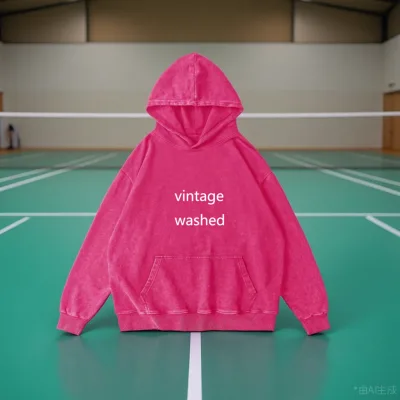


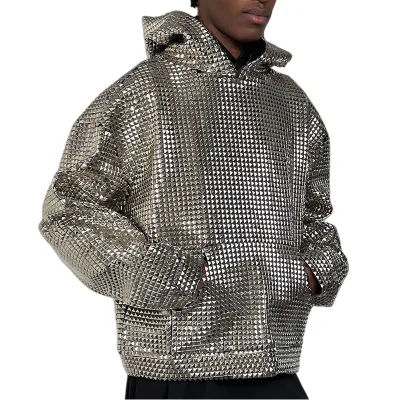
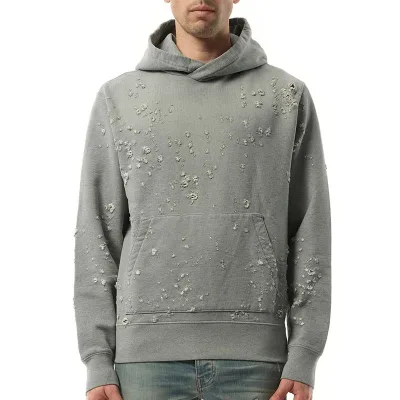
Personality Custom Design Heavyweight Oversized Streetwear Stud Hoodie for Men
$13.34 - $16.21
MOQ: 50 pieces
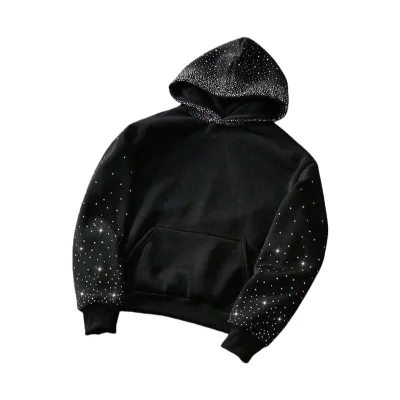
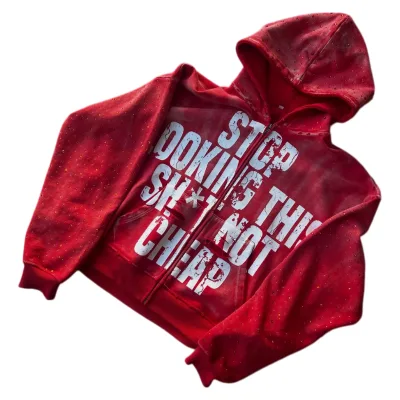
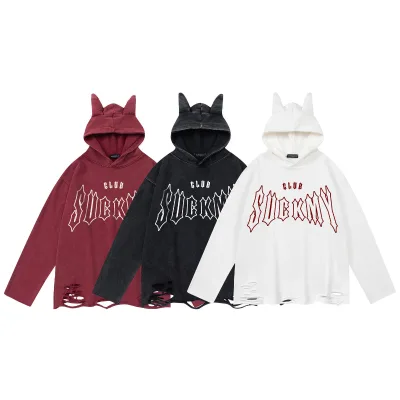


Heavy Blank Hoodie Custom Logo Drop Shoulder Men Heavyweight Oversized Hoodies Pullover
$12.80 - $14.60
MOQ: 200 Pieces


OEM Oversize Logo Custom Streetwear Heavyweight Oversized Hoodie for Men
$4.00 - $8.00
MOQ: 100 Pieces


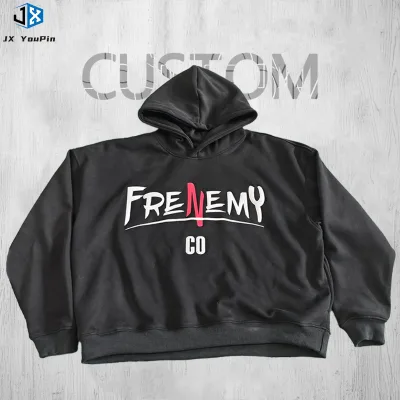


Autumn Casual Style 100% Cotton Heavyweight Oversized Custom Logo Print Hoodie
$5.00 - $13.00
MOQ: 100 Pieces
Comprehensive Sourcing Guide
Dot Pattern Oversized Hoodie Sourcing Guide
Sourcing a Dot Pattern Oversized Hoodie requires a careful balance between aesthetic specificity and functional garment construction. The "oversized" silhouette demands precise grading to ensure the drop shoulders and extended body length maintain their intended drape without compromising mobility or comfort. Buyers must distinguish between true oversized fits, which often feature dropped shoulders and boxy cuts, and standard relaxed fits that may simply run large. The dot pattern, whether achieved through digital printing, discharge printing, or fabric weaving, adds a layer of complexity to quality control, as pattern alignment and colorfastness become critical differentiators in a crowded market.
This guide focuses on the technical and commercial realities of sourcing these garments, drawing on observed market data and standard industry practices. While specific supplier details are omitted, the analysis covers the typical specifications, material choices, and verification steps necessary for a successful procurement cycle. The goal is to equip buyers with the knowledge to evaluate suppliers effectively, ensuring that the final product meets both design intent and performance expectations.
Product Scope and Observed Listing Signals
The current market for oversized hoodies shows a wide range of material compositions and feature sets, with cotton and polyester being the most prevalent base fabrics. Observed listings indicate a price range of $4 to $25 USD, reflecting significant variation in quality, fabric weight, and order volume. The minimum order quantity (MOQ) typically spans from 2 to 200 units, offering flexibility for both small-batch testing and larger production runs. Buyers should note that lower prices often correlate with thinner fabrics or simpler printing methods, while higher price points may include heavier weights, advanced features like waterproofing, or more complex customizations.
Key attributes observed in the market include a variety of collar styles, with crew necks being common, and sleeve lengths that predominantly feature long sleeves. The fit type is frequently described as either regular or oversized, with the latter requiring specific attention to shoulder seam placement and body width. Additional features such as kangaroo pockets, fixed hoods, and custom logo printing are standard offerings. Buyers should verify these attributes against their specific design requirements, as terms like "oversized" can vary significantly between manufacturers and regions.
Technical Specifications to Verify
Fabric weight is a critical specification that directly impacts the garment’s drape, warmth, and perceived quality. Observed weights range from 100 grams to 500 grams, with heavier weights generally providing a more structured and premium feel. Buyers must specify the exact gram weight required for their design, as this affects both the cost and the manufacturing process. Additionally, the fabric type, such as dobby or standard knit, influences the texture and durability of the final product. It is essential to request fabric swatches to verify the hand feel and construction before committing to a large order.
The printing method for the dot pattern must be carefully selected based on the desired aesthetic and durability. Options observed in the market include digital printing, discharge printing, flock print, foil print, and heat-transfer printing. Each method has distinct advantages and limitations regarding color vibrancy, texture, and wash fastness. For instance, discharge printing offers a soft hand feel but is limited to lighter fabrics, while digital printing allows for complex, multi-color designs. Buyers should discuss the specific printing technique with the supplier to ensure it aligns with their quality standards and usage requirements.
Compliance and Safety Documentation
While specific certifications like GOTS are mentioned in some contexts, buyers must verify the actual compliance status of their chosen supplier. Compliance with international safety and environmental standards is crucial, particularly for garments intended for export to regulated markets. Buyers should request relevant test reports for colorfastness, shrinkage, and chemical content, such as AZO dyes or formaldehyde levels. These documents provide objective evidence that the product meets the required safety thresholds and helps mitigate risks associated with non-compliance.
It is important to distinguish between supplier claims and verified documentation. Buyers should not rely solely on marketing materials or unverified assertions of compliance. Instead, they should insist on third-party lab test results or certificates from recognized accreditation bodies. This due diligence ensures that the garments are safe for consumers and compliant with local regulations, protecting the buyer from potential legal and reputational risks. Regular audits and ongoing compliance checks are recommended to maintain these standards throughout the production cycle.
Cost Drivers and Commercial Terms
Several factors influence the final cost of an oversized hoodie, including material selection, printing complexity, and order volume. Heavier fabric weights and specialized printing methods, such as foil or flock printing, typically increase production costs. Buyers should negotiate pricing based on clear specifications to avoid hidden fees or unexpected charges. Understanding the cost structure helps in making informed decisions about material and design choices that align with budget constraints.
Commercial terms, such as lead times and payment conditions, also play a significant role in the procurement process. Sample order lead times are often around 7 days, but bulk production lead times can vary widely depending on the supplier’s capacity and the complexity of the order. Buyers should clarify these timelines early in the negotiation process to ensure they align with their launch schedules. Additionally, understanding the packing methods, such as polybag packaging or sea transportation requirements, is essential for logistics planning and cost estimation.
Supplier Qualification and Quality Control
Evaluating supplier capabilities is a critical step in ensuring consistent quality and reliable delivery. Buyers should assess the supplier’s production capacity, quality control processes, and experience with similar products. Requesting references or case studies can provide insights into the supplier’s reliability and performance. It is also important to verify the supplier’s ability to handle customizations, such as logo printing and specific fit adjustments, as these require specialized skills and equipment.
Quality control measures should be established before production begins, including clear acceptance criteria for fabric, stitching, and printing. Buyers should consider implementing pre-production samples and in-line inspections to catch potential issues early. Final random inspections based on standard AQL (Acceptable Quality Limit) levels are recommended to ensure the bulk order meets the agreed-upon quality standards. Establishing a robust quality control framework helps minimize defects and ensures customer satisfaction.
Long-Term Procurement Checks
Building a sustainable supply chain requires ongoing monitoring and relationship management. Buyers should regularly review supplier performance metrics, such as on-time delivery rates, defect rates, and responsiveness to issues. Continuous feedback and communication help identify areas for improvement and strengthen the partnership over time. It is also important to stay updated on market trends and technological advancements that may impact production costs or product quality.
Long-term procurement strategies should include diversification of suppliers to mitigate risks associated with single-source dependencies. Maintaining relationships with multiple suppliers provides flexibility and bargaining power. Additionally, buyers should periodically reassess their product specifications and design requirements to ensure they remain aligned with market demands and consumer preferences. This proactive approach helps maintain competitiveness and ensures the continued success of the product line.
FAQs
What fabric weights are available for this hoodie?
The product offers a wide range of fabric weights from 100 grams up to 500 grams. Buyers can select specific options like 120 grams, 180 grams, or 300 grams depending on their seasonal needs and desired garment thickness.
Can I get a customized logo printed on the hoodie?
Yes, customized logo printing is supported with flexible placement options. Logos can be applied to the front, back, sleeves, back neck, or lower hem using various methods such as digital printing, heat-transfer, or flock print.
How long does it take to receive a sample order?
A sample order lead time of 7 days is supported for this product. This allows buyers to quickly verify quality and design before committing to larger production runs or bulk orders.
Which sizes are available for the oversized fit?
The product is available in sizes ranging from XS to 5XL, including a free size option. Specific size charts cover XS, S, M, L, XL, and 2XL to accommodate various body types and fit preferences.
What printing methods are used for the dot pattern?
Multiple printing methods are available including digital printing, discharge printing, and heat-transfer printing. Other options like foil print, glitter print, and laser printing can be selected based on the desired visual effect.
Where are these hoodies manufactured?
These hoodies are manufactured in Guangdong, China. The production origin is confirmed as China, ensuring consistent supply chain management for international buyers seeking reliable sourcing from this region.
What features does the fabric offer?
The fabric features include being breathable, anti-shrink, and quick dry. Additional properties may include anti-pilling, waterproof, windproof, and anti-wrinkle capabilities depending on the specific material composition selected.