Find and Compare Dot Peen Machine for Auto Parts, Instruments, Machinery
Source 30 verified dot peen machines suitable for marking auto parts, instruments, and machinery. Buyers can compare specifications like marking depth, speed, and customization options to select the right electric pin marking solution for their production needs.
Key considerations
Products List


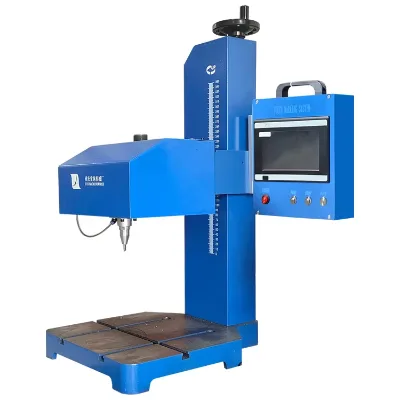
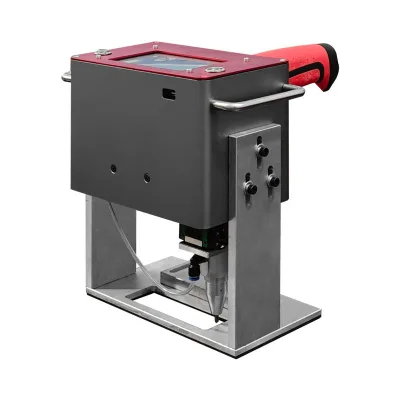
Pneumatic Marking Machine DOT Peen Marking/Engraving/ Etching Machine
$900.00 - $1500.00
MOQ: 1 Pieces




Comprehensive Sourcing Guide
Strategic Sourcing Guide for Electric Dot Peen Marking Machines
Understanding Core Technical Specifications and Performance Metrics
When evaluating electric dot peen marking machines for industrial procurement, buyers must first distinguish between portable handheld units and fixed CNC systems, as the operational requirements differ significantly. The observed market data indicates a diverse range of specifications, with marking speeds varying from 1.5 characters per second to 3 English letters or figures per second for a 3mm height. This variance directly impacts production throughput and should be the primary filter when matching a machine to a specific line speed requirement.
The physical dimensions of the marking head are a critical constraint for integration. Available models feature marking ranges such as 120x30mm or larger formats like 320x252x210mm, while other specifications list head lengths of 320mm. Procurement teams must verify that the Z-axis length and the overall footprint of the machine align with the spatial constraints of the workpiece. For instance, a machine with a standard dimension of 320x252x210mm may require a dedicated workstation, whereas a portable unit with a total weight of 5.5kg offers greater flexibility for on-site marking of large auto parts.
Power requirements also vary by model. While some units operate on a DC21V supply, others may require different voltage inputs. The power consumption is listed as S300W in specific contexts, but buyers should confirm the exact wattage to ensure compatibility with existing facility power distribution. Furthermore, the operating environment must be compatible with the machine's thermal and humidity limits. Observed operating temperatures range from -10°C to 40°C, with a maximum operating humidity of 90% non-condensing. These parameters are essential for facilities located in extreme climates or unconditioned warehouses.
Compliance, Certification, and Regulatory Standards
In the global B2B market, regulatory compliance is non-negotiable. The supplied product data confirms that many electric dot peen marking machines carry CE and FDA certifications, alongside RoHS compliance. These certifications indicate adherence to European safety standards, food safety guidelines, and restrictions on hazardous substances, respectively. Additionally, ISO certification is frequently observed, suggesting that the manufacturing processes meet international quality management standards.
However, buyers must exercise caution when interpreting these certifications. The presence of a certification label on a product listing does not automatically guarantee that every unit in a batch is certified, nor does it imply that the certification covers the specific application environment. For example, a machine marked with "CE, ISO" may be certified for general industrial use but might require additional validation for food processing applications. Buyers should request valid, current certification documents directly from the supplier before finalizing a purchase.
The product standards listed in the data, such as "Dot peen Maker" or specific dimensional standards like 620x290x460mm, serve as internal references rather than universal industry codes. When evaluating a supplier, procurement teams should verify if the machine adheres to recognized international standards for marking depth and legibility. The marking depth is observed to range from 0 to 1mm depending on the material, or more specifically 0.1-0.6mm based on material hardness. These values are not absolute; they are conditional on the substrate being marked. Therefore, buyers should demand test results or sample markings on their specific materials to validate that the machine can achieve the required depth without damaging the component.
Cost Drivers and Pricing Structure Analysis
The pricing for dot peen marking machines in the current market spans a wide range, observed between 100 and 4900 USD. This significant variance is driven by several key factors, including the complexity of the control system, the build quality of the mechanical components, and the level of customization offered. Lower-priced units typically feature manual controlling modes and basic marking capabilities, suitable for low-volume or non-critical applications. In contrast, higher-priced models often include CNC controlling modes, man-machine dialogue interfaces, and advanced customization options that allow for complex graphics, VIN codes, and specific character sets.
Customization is a major cost driver. The data indicates that customization is available, allowing buyers to tailor marking content to include numbers, characters, graphics, or specific VIN codes. Machines with "Customized" or "Customized" status often command a premium due to the engineering effort required to integrate specific software or hardware modifications. Additionally, the packaging method influences the final cost. While some units are shipped in standard cartons, others require robust wooden cases or plywood cases to protect the precision components during transit. These specialized packaging solutions add to the overall landed cost.
Buyers should also consider the total cost of ownership, which extends beyond the initial purchase price. The warranty period, observed as 12 months for some models, is a critical factor in risk management. A longer warranty or a comprehensive service agreement can offset the higher initial investment of a premium machine. Furthermore, the origin of the product, noted as China or specifically Beijing, can influence shipping costs and lead times. While the domestic market may offer competitive pricing, international buyers must factor in logistics, import duties, and potential currency fluctuations when comparing the 100-4900 USD price range.
Typical Applications and Material Compatibility
Electric dot peen marking machines are versatile tools designed for permanent identification across various industries. The primary applications identified include auto parts, instruments and meters, and general machinery. In the automotive sector, these machines are essential for marking VIN codes and part numbers on engine blocks, chassis components, and transmission parts. The ability to mark on metal and non-metal materials expands the utility of these machines beyond traditional metalworking, allowing for applications in plastic components or composite materials used in modern instrumentation.
The marking speed and depth are critical when selecting a machine for specific applications. For high-volume automotive production, a machine capable of 3 characters per second is preferable to ensure line efficiency. Conversely, for low-volume, high-precision instrument manufacturing, a machine with a controlled marking depth of 0.1-0.6mm is vital to prevent structural weakening of the component. The marking shape, which can be arc or linear, further dictates the suitability for different part geometries. For example, curved surfaces on automotive parts may require a machine capable of arc marking to ensure the text remains legible and aesthetically pleasing.
The needle frequency, observed at ≤50Hz, is another parameter that affects the quality of the mark on different materials. Higher frequency needles can produce finer dots, which is beneficial for small characters or intricate graphics. However, the frequency must be balanced against the hardness of the material to avoid excessive wear on the needle or damage to the workpiece. Buyers should verify the machine's capability to handle the specific hardness of their materials, as the marking depth is explicitly dependent on material hardness.
Supplier Evaluation and Quality Assurance Protocols
Selecting a reliable supplier for dot peen marking machines requires a rigorous evaluation process that goes beyond the product listing. The data shows multiple models with similar keywords, such as "Good Quality Electric Pin Marking Machine" or "Beijing Factory Electric DOT Peen Marking Machine." While these terms suggest a focus on quality, they are marketing descriptors rather than verified performance guarantees. Buyers should prioritize suppliers who provide transparent documentation regarding their manufacturing processes and quality control measures.
Key evaluation criteria include the supplier's ability to provide sample markings, their response time to technical inquiries, and their track record in the specific industry. The presence of a "12 Months" warranty is a positive indicator, but buyers should clarify the terms of the warranty, including what is covered (parts, labor, shipping) and the process for claiming service. Additionally, the controlling mode, whether CNC or manual, should be evaluated based on the operator's skill level and the complexity of the marking tasks. A CNC-controlled machine with a man-machine dialogue interface offers greater flexibility but requires more training than a manual unit.
Quality control should be integrated into the procurement process. Buyers should request a pre-shipment inspection report that verifies the machine's dimensions, power consumption, and marking performance against the specified standards. For instance, verifying that the marking depth falls within the 0.1-0.6mm range on a sample of the buyer's material is essential. The supplier's location, such as Beijing, may offer logistical advantages for regional buyers but should be weighed against the potential for longer lead times for international shipments.
Long-Term Procurement Considerations and Maintenance
Long-term procurement planning for dot peen marking machines involves considering the lifecycle of the equipment and the availability of spare parts. The total weight of 5.5kg for portable units suggests a need for durable construction to withstand frequent handling. The power supply voltage of DC21V indicates a specific power requirement that must be maintained throughout the machine's life. Buyers should ensure that the supplier offers a steady supply of replacement needles, which are consumable items subject to wear and tear.
The operating environment, defined by the temperature range of -10°C to 40°C and humidity of 90% non-condensing, dictates the maintenance schedule. Machines operating in harsh environments may require more frequent cleaning and calibration to maintain marking quality. The packaging, whether wooden box, carton, or plywood case, also plays a role in long-term storage. Proper packaging ensures that the machine remains protected during storage and transit, reducing the risk of damage to sensitive components.
Buyers should also consider the scalability of the marking system. As production needs evolve, the ability to upgrade the software or add new marking modules can extend the useful life of the machine. The "Customization" attribute suggests that suppliers may offer future upgrades, but this should be confirmed during the initial negotiation. Finally, the lead time for spare parts and the availability of technical support are critical factors in minimizing downtime. A supplier with a robust support network and a clear maintenance protocol will provide greater value over the long term compared to a low-cost option with limited after-sales service.
Comparative Analysis of Machine Models
To assist in the decision-making process, the following table summarizes the key differences observed among the various dot peen marking machine models based on the provided data. This comparison highlights the trade-offs between portability, control complexity, and marking capabilities.
| Feature | Model A (Portable) | Model B (CNC/Industrial) | Model C (Customized) |
|---|---|---|---|
| Dimensions | 320x252x210mm | 620x290x460mm | Variable (Customized) |
| Weight | 5.5kg | Not specified | Not specified |
| Control Mode | Manual | CNC | Man-Machine Dialogue |
| Marking Speed | 1.5 Char/Sec | 3 PCS/Sec | Variable |
| Marking Depth | 0-1mm | 0.1-0.6mm | 0.1-0.6mm |
| Power Supply | DC21V | Not specified | Not specified |
| Certification | CE, FDA, RoHS | CE, ISO | CE, ISO |
| Packing | Wood Box | Carton | Plywood Case |
| Application | Auto Parts, Instruments | Machinery | General Use |
This table illustrates that while portable models offer ease of use and lower weight, industrial CNC models provide higher speeds and more precise control. Customized models offer the flexibility to meet specific marking requirements but may involve longer lead times and higher costs. Buyers should use this comparison to align their specific operational needs with the appropriate machine type.
FAQs
What certifications do dot peen machines typically have?
Many electric dot peen marking machines carry CE, FDA, and RoHS certifications alongside ISO standards. These indicate adherence to safety and environmental regulations, though buyers should verify specific documents for their intended application before purchasing.
How deep can these machines mark on metal parts?
The marking depth typically ranges from 0 to 1 millimeter depending on the material, or specifically 0.1 to 0.6 millimeter based on hardness. This value is conditional on the substrate, so testing on your specific material is essential.
Which control modes are available for these marking systems?
Available controlling modes include manual operation and CNC systems with man-machine dialogue interfaces. The choice depends on your production volume and the complexity of graphics or VIN codes you need to mark on your components.
Can I customize the marking content on these machines?
Yes, customization is available for marking numbers, characters, graphics, and VIN codes. Buyers can tailor the content to specific needs, though this may affect the final cost and requires coordination with the supplier for integration.
What is the operating temperature range for these units?
The machines generally operate within a temperature range of -10 to 40 degrees Celsius with up to 90 percent non-condensing humidity. This makes them suitable for various industrial environments, provided the facility conditions stay within these limits.
How much do these machines weigh and how are they packed?
Portable units often weigh around 5.5 kilograms and are packed in wooden boxes, cartons, or plywood cases. The robust packaging ensures protection during transit, but the specific method varies by model and supplier requirements.