Source Dot Pattern Shirt and Shorts Set for Beach, Gym, Daily
Explore 30 verified options for the Dot Pattern Shirt and Shorts Set suitable for men. Buyers can compare styles, materials, and prices across suppliers offering breathable polyester sets for summer activities.
Key considerations
Products List
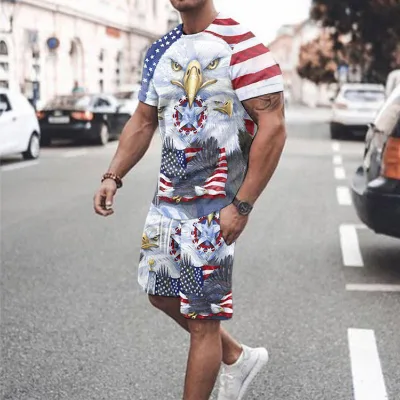


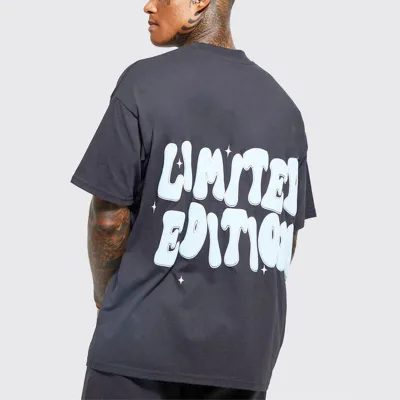


Women Slim Fit Long Sleeve Top and Pants Two Piece Set Casual Sports Wear
$9.00 - $11.00
MOQ: 100 Pieces


Comprehensive Sourcing Guide
Strategic Sourcing Guide for Dot Pattern Shirt and Shorts Sets
The global market for men's casual and athletic wear has seen a significant surge in demand for coordinated sets, particularly those featuring distinctive patterns like dots. For procurement professionals and B2B buyers, sourcing a "Dot Pattern Shirt and Shorts Set" requires a nuanced understanding of material composition, manufacturing capabilities, and supply chain logistics. This guide synthesizes observed market data and technical specifications to provide a disciplined framework for evaluating suppliers and products. The focus remains on evidence-based criteria, ensuring that procurement decisions are grounded in verifiable attributes rather than speculative claims.
Material Composition and Technical Specifications
The foundation of any successful apparel procurement lies in the precise definition of material and technical specifications. In the current market, the predominant material observed for these sets is polyester. This synthetic fiber is selected for its durability, resistance to shrinking, and ability to hold vibrant digital prints. When evaluating potential suppliers, buyers must verify the specific fabric type listed in the product attributes. While "Polyester" is a common entry, the weave density and finish (e.g., matte vs. glossy) significantly impact the final product's feel and performance.
Technical attributes such as sleeve length and model numbers are critical for inventory management and product identification. Market observations indicate that "Half" sleeve length is a standard configuration for these summer-oriented sets. Furthermore, the model numbers associated with these products vary widely, ranging from codes like AL6024 and ZT250823A to specific internal identifiers such as 26031206 or DT-55. These identifiers are not merely cosmetic; they serve as unique keys for tracking production batches and ensuring consistency across large orders.
The production techniques employed also dictate the quality of the pattern application. "Digital printing" and "Heat Transfer Printing" are the two primary methods observed in the supply chain. Digital printing allows for high-resolution dot patterns with complex color gradients, while heat transfer printing is often used for durability and specific texture effects. Buyers should request physical samples to compare the hand-feel and colorfastness of these printing methods, as the visual appeal of a dot pattern is heavily dependent on the precision of the transfer process.
Seasonal Relevance and Application Scenarios
Understanding the seasonal context is vital for aligning procurement with market demand. The observed data explicitly categorizes these products under the "Summer" season. This classification is driven by the lightweight nature of polyester fabrics and the functional design of short sets, which are optimized for warm weather conditions. The "Applicable Scene" attributes further refine the target market, listing "Daily," "Holiday," "Beach," and "Outdoor" as primary use cases.
This versatility suggests that the product is not limited to a single niche but serves a broad consumer base ranging from casual daily wearers to active participants in sports. The "Usage" attributes expand this scope to include "Ball Sports," "Soccer," "Racing," "Cycling," "Fitness," "Gym," "Yoga," "Basketball," and "Tennis." This indicates that the Dot Pattern Shirt and Shorts Set is often engineered with performance in mind, featuring breathable properties that are essential for athletic activities.
| Application Scenario | Key Product Attributes | Procurement Consideration |
|---|---|---|
| Daily/Holiday | Fashion design, Breathable, Washable | Focus on aesthetic variety and color options (1-35+). |
| Beach/Outdoor | Polyester, Quick-dry (implied), Lightweight | Verify UV protection claims and fabric thickness. |
| Sports/Fitness | Breathable, Durable, Half sleeve | Check stitching strength and moisture-wicking capabilities. |
Buyers must ensure that the "Style" attributes align with the intended application. The market offers styles ranging from "Business" and "Formal" to "Casual," "Fashion," and "Sexy." While a dot pattern is inherently casual, the cut and fit can elevate the set for semi-formal beach events or resort wear. The "Dress Type" is consistently described as a "shirts and shorts set sleeve shorts set men tee shirt short sets," confirming the coordinated nature of the product.
Cost Drivers and Pricing Dynamics
Pricing in the apparel sector is influenced by a complex interplay of factors, including material costs, printing complexity, and order volume. The observed price range for these sets in the market spans from $3.99 to $50 USD. This wide disparity suggests that price is not a linear function of the product category but is heavily dependent on specific customization levels, brand positioning, and order quantities.
The "MOQ" (Minimum Order Quantity) is a significant cost driver. Data indicates an observed MOQ range of 1 to 500 units. Suppliers offering an MOQ of 2 pieces or even single items are likely targeting small businesses or drop-shippers, whereas those requiring 500 units are catering to large-scale retailers. The "Selling Units" are typically listed as "Single item," which facilitates smaller trial orders but may increase the per-unit cost.
Additional cost factors include the "Customized Label" and "Customized Color" options. Suppliers that offer these services often charge a premium due to the setup costs for new dye lots and label printing. The "Standard" packaging dimensions, such as 10255 cm or 25251 cm, also influence logistics costs. Bulkier packaging, like the "Carton" option versus the standard "Polybag," will increase shipping expenses, particularly for air freight. Buyers should calculate the total landed cost, including packaging and shipping, rather than focusing solely on the unit price.
Supplier Evaluation and Origin Verification
Geographic origin plays a crucial role in supplier evaluation. The majority of observed products list "Guangdong, China" or simply "China" as the place of origin. Guangdong is a well-established hub for textile manufacturing, known for its extensive supply chain and expertise in polyester production. However, buyers must verify the specific factory capabilities rather than relying solely on the region.
Key evaluation criteria for suppliers include their "Supply Type." The market shows a prevalence of "In-Stock Items," which allows for faster fulfillment. However, for custom designs, the "Lead Time" becomes the critical metric. Some suppliers support a "7 days sample order lead time," which is a strong indicator of agile manufacturing capabilities. Buyers should prioritize suppliers who can demonstrate this speed without compromising quality.
The "Brand Name" field varies, with entries like "ALi" and "ZEATLE" appearing in the data. For B2B buyers, the brand name may be less relevant than the supplier's ability to provide "Customized Label" services. This capability allows buyers to build their own brand identity. When evaluating a supplier, request a portfolio of previous custom orders to assess their consistency in label placement and color accuracy. Additionally, verify the "Small Orders: Accepted" attribute, as this indicates flexibility in handling diverse order sizes.
Quality Control and Compliance Checks
Quality control (QC) is paramount when sourcing apparel with specific pattern requirements like dots. The "Feature" attributes highlight "Breathable" and "Washable" as key selling points. To verify these claims, buyers must conduct rigorous testing. Breathability can be assessed through air permeability tests, while washability requires multiple wash cycles to check for color fading, shrinkage, and pattern distortion.
The "Thickness" is listed as "Standard," but this is a relative term. Buyers should request the GSM (grams per square meter) of the fabric to ensure it meets their specific durability and comfort requirements. Similarly, the "Single gross weight" of 0.700 kg per package provides a baseline for logistics planning, but actual weights may vary based on size and fabric density.
Compliance and certification checks are often overlooked but essential for international trade. While the provided data does not list specific certifications (e.g., OEKO-TEX, GRS), buyers should explicitly request documentation regarding chemical compliance and labor standards. The "prod_standard" entries, such as 10255 or 25251cm, likely refer to packaging dimensions rather than industry standards. Therefore, buyers must independently verify that the supplier adheres to relevant international safety and environmental standards for the destination market.
Long-Term Procurement Considerations
Sourcing a Dot Pattern Shirt and Shorts Set is not a one-off transaction but a strategic partnership that requires long-term planning. The "Design" attribute is described as "Fashion design," implying that trends change rapidly. Buyers must work with suppliers who have the agility to adapt to new patterns and styles. The availability of 35+ color options suggests a high degree of customization, which is beneficial for maintaining a fresh product line.
Inventory management is another critical consideration. With a "Single package size" of 40X25X3 cm and a "Single gross weight" of 0.700 kg, logistics planning must account for the volume of these items. Efficient stacking and palletization can significantly reduce shipping costs. Furthermore, the "Model Number" consistency is vital for maintaining inventory accuracy. Buyers should establish a system to map supplier model numbers (e.g., 26031206, DT-55) to their internal SKUs to prevent stockouts or overstocking.
Finally, the "Customization" availability is a key differentiator for long-term success. Suppliers who offer "Customized Color" and "Customized Label" enable buyers to differentiate their products in a crowded market. However, this flexibility comes with the need for clear communication and detailed specifications. Establishing a robust communication channel with the supplier to manage design changes and quality expectations is essential for sustaining a successful procurement relationship over time. By focusing on these strategic elements, buyers can secure a reliable supply of high-quality dot pattern shirt and shorts sets that meet both current market demands and future growth objectives.
FAQs
What material is used for the Dot Pattern Shirt and Shorts Set?
The sets are primarily made of polyester fabric. This material is selected for its durability, resistance to shrinking, and ability to hold vibrant digital prints suitable for summer wear.
Can I order a single item or small quantity?
Yes, small orders are accepted with a minimum order quantity of 2 pieces. Some suppliers also support single item selling units for drop-shippers or trial orders.
Which printing methods are used for the dot patterns?
The products utilize digital printing and heat transfer printing techniques. These methods ensure high-resolution patterns and durability for the specific dot designs observed in the collection.
How long does it take to receive a sample order?
A sample order lead time of 7 days is supported by the suppliers. This allows buyers to verify quality and design before committing to larger production runs.
What is the typical packaging size for a single unit?
The single package size is typically 40 by 25 by 3 cm. Items are packed in polybags, though carton options are available for bulk shipments to optimize logistics.
Where are these products manufactured?
The products originate from Guangdong, China. This region is a known hub for textile manufacturing, offering extensive supply chain capabilities for polyester apparel production.