Source Double Side Nail Art Brush for Beauty Care, Professional Nail Salon, and Nail Art
Explore 30 listings for the Double Side Nail Art Brush, comparing features like brush material, handle options, and customization availability from suppliers in China. Buyers can evaluate specifications such as size, hardness, and packaging details to find suitable tools for beauty care and professional nail salon applications.
Key considerations
Products List




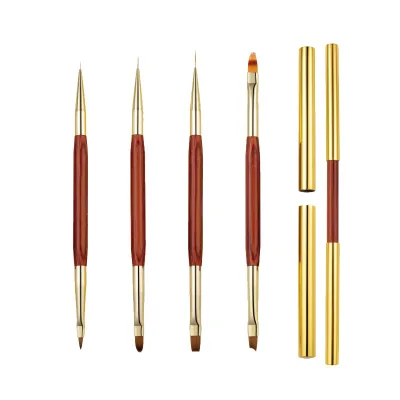
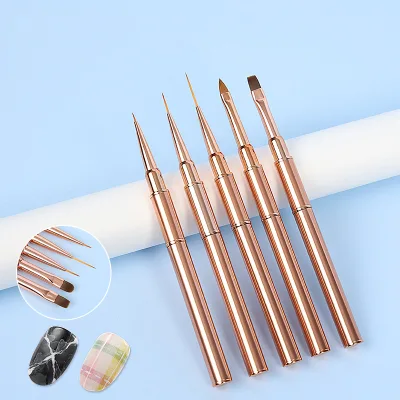
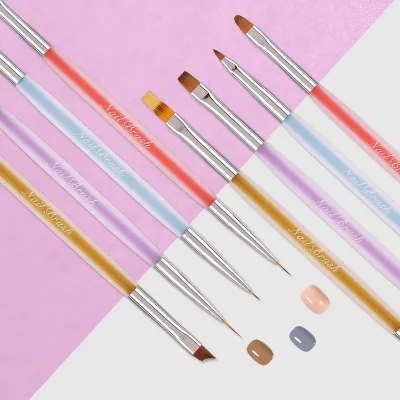
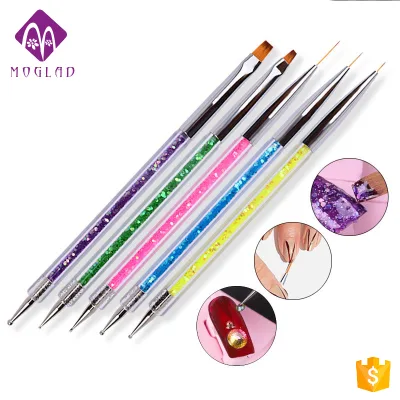


Comprehensive Sourcing Guide
Strategic Sourcing Guide for Double-Side Nail Art Brushes
The global market for professional nail art tools has expanded significantly, driven by the rising demand for intricate manicure designs and the proliferation of home-based beauty services. Among the most versatile tools in this category is the double-side nail art brush, a specialized implement designed to maximize efficiency for technicians and artists. For B2B procurement professionals, sourcing these items requires a nuanced understanding of material composition, manufacturing standards, and supply chain logistics. This guide synthesizes available market data and technical observations to provide a structured approach for acquiring high-quality double-sided brushes while mitigating procurement risks.
Technical Specifications and Material Composition
The performance of a double-side nail art brush is fundamentally dictated by its material composition and structural design. Based on observed product attributes, the market offers a diverse range of bristle materials, each serving distinct application needs. The most common bristle types identified include Nylon Hair, standard Nylon, and Kolinsky Hair. Nylon variants are frequently associated with durability and cost-effectiveness, making them suitable for general application and high-volume orders. In contrast, Kolinsky Hair is often cited in the context of professional-grade tools, offering superior snap and fluidity required for detailed acrylic or gel work.
The handle material is another critical specification that influences user comfort and tool longevity. Observed listings indicate a prevalence of Wood and Resin handles, with Plastic also appearing as a viable option for specific product lines. Wood handles are traditionally valued for their aesthetic appeal and grip, while Resin handles often provide a more modern, waterproof finish suitable for wet environments. The physical dimensions of these brushes vary significantly, with standard sizes ranging from 2# to 24#, allowing buyers to select tools for specific tasks such as fine lining, dotting, or broad strokes.
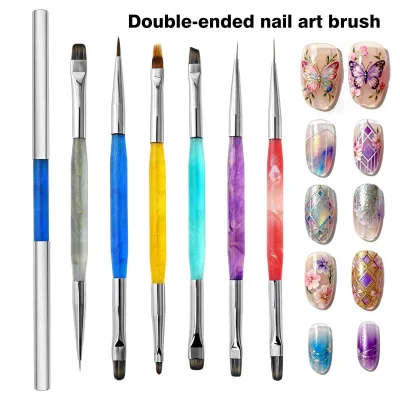
Furthermore, the structural configuration of the brush head is essential. Many products are described as "Double-headed" or "Double-sided," featuring different tip geometries on each end of the handle. This design allows a single tool to perform multiple functions, such as a fine point on one side and a flat or angled edge on the other. The hardness of the bristles is also a key differentiator, with market observations noting both "Medium Hardness" and "Soft Brush" options. Buyers must align these specifications with the intended application, as soft brushes are typically preferred for gel application to prevent damage to the nail plate, while medium hardness may be required for acrylic sculpting.
Compliance, Certification, and Safety Standards
In the B2B beauty supply sector, regulatory compliance is a non-negotiable aspect of procurement. While specific product listings may highlight certifications, buyers must independently verify that all imported goods meet the safety standards of their target market. One observed certification in the product data is CE, which indicates conformity with health, safety, and environmental protection standards for products sold within the European Economic Area. However, the presence of a CE mark on a single listing does not guarantee that all suppliers or product batches adhere to this standard. Procurement teams must request valid certification documentation for every batch purchased.
Beyond specific certifications, buyers should verify adherence to general safety standards regarding materials used in the brushes. Since these tools come into direct contact with the skin and nails, the materials used for bristles and handles must be non-toxic and hypoallergenic. The supply chain often originates from regions like Zhejiang, China, or generally China, which are major manufacturing hubs. While these regions offer competitive pricing, they also require rigorous quality control to ensure that the raw materials used do not contain harmful substances.
Buyers should also consider the packaging standards, as the method of protection during transit can affect the integrity of the brush. Observed packaging details include PVC tubes and cartons, with some suppliers offering bulk packaging of 500 pieces per carton. The choice of packaging should balance protection against damage with sustainability goals. For instance, PVC tubes offer excellent protection for the bristles but may raise environmental concerns compared to recyclable cardboard options. Verifying that the packaging materials themselves comply with relevant environmental regulations is a prudent step for international buyers.
Cost Drivers and Pricing Dynamics
The pricing of double-side nail art brushes is influenced by a complex interplay of factors, including material quality, order volume, and customization requirements. The observed market price range is broad, spanning from $0.21 to $13.59 USD. This significant variance reflects the difference between mass-produced nylon brushes and premium Kolinsky hair tools. The lower end of the price spectrum typically corresponds to basic nylon brushes with plastic or standard wood handles, often produced for high-volume retail markets. Conversely, the higher price points are associated with specialized materials, such as Kolinsky hair, and premium handle finishes like resin or custom-molded designs.
Minimum Order Quantity (MOQ) is another critical cost driver. The observed MOQ range spans from 1 piece to 50,000 pieces. For small businesses or those testing a new product line, suppliers offering low MOQs are essential, though the unit cost will likely be higher. As order volumes increase, the per-unit cost typically decreases due to economies of scale. However, buyers must balance the cost savings of large orders against the risks of inventory holding and potential obsolescence.
Customization is a significant factor that can alter the cost structure. Many suppliers offer private labeling and custom color options, which can increase the unit price due to the setup costs and additional labor involved. The ability to customize the brush color, handle design, or logo placement allows brands to differentiate themselves, but it requires a higher initial investment. Buyers should also consider the impact of logistics costs, as shipping methods such as FedEx, DHL, EMS, UPS, and TNT vary in price and speed. The port of dispatch, often Ningbo, and the origin location in Zhejiang, China, will influence freight rates and lead times, which must be factored into the total landed cost.
Typical Applications and Market Segmentation
Double-side nail art brushes serve a wide array of applications, catering to both professional salons and DIY enthusiasts. The primary use case is in professional nail salons, where efficiency and precision are paramount. The dual-ended design allows technicians to switch between tasks without changing tools, streamlining the workflow during complex manicure procedures. These brushes are essential for applying gel polish, creating intricate nail art designs, and performing acrylic sculpting. The versatility of the tool makes it a staple in the inventory of professional nail technicians.
In addition to professional settings, these brushes are increasingly popular in the home beauty market. The ease of use and multifunctional nature of double-sided brushes make them attractive to consumers who perform their own manicures. The availability of various styles, including styles 1 through 9, suggests a market segmentation based on aesthetic preferences and specific design needs. Some products are marketed specifically for "Beauty Care Makeup Tools," indicating a crossover application where the brush might be used for other cosmetic purposes, although the primary focus remains on nail art.
The application also extends to specific techniques such as dotting and fine lining. Products labeled as "Double Heads Nail Art Dotting Pen" highlight the specialized nature of these tools. The ability to create dots of varying sizes and execute fine lines with a single instrument is a key selling point. Buyers should consider the specific needs of their target customer base when selecting products. For example, a supplier targeting high-end salons may prioritize Kolinsky hair brushes with resin handles, while a supplier targeting mass-market retail may focus on durable nylon brushes with plastic handles.
Supplier Evaluation and Selection Criteria
Selecting the right supplier is critical for ensuring product quality and supply chain reliability. When evaluating potential partners, buyers should prioritize suppliers who demonstrate transparency regarding their manufacturing capabilities and quality control processes. The observed supply ability of 10,000 pieces per month provides a benchmark for assessing a supplier's capacity to meet demand. However, buyers must verify if this capacity is consistent and scalable, especially during peak seasons.
Certification and compliance should be a primary filter in the supplier selection process. While some listings mention CE certification, buyers must request proof of compliance for all products in the order. Additionally, the supplier's location, such as Zhejiang, China, should be verified to ensure it aligns with the buyer's logistical preferences. The port of dispatch, often Ningbo, is a key factor in determining shipping efficiency and cost.
Customization capabilities are another important criterion. Suppliers that offer private labeling and custom color options provide greater flexibility for branding. However, buyers should assess the lead times associated with customization, as these processes can extend the production timeline. The availability of samples is also a crucial factor; suppliers offering samples allow buyers to test product quality before committing to large orders. This reduces the risk of receiving substandard goods and ensures that the product meets the buyer's expectations.
Quality Control and Inspection Protocols
Implementing a robust quality control (QC) protocol is essential for maintaining product standards and customer satisfaction. Given the variability in materials and manufacturing processes, buyers should establish clear acceptance criteria before production begins. Key areas of focus include bristle integrity, handle durability, and overall dimensional accuracy. The bristles should be securely attached to the handle to prevent shedding during use, and the handle should be free from defects such as cracks or rough edges.
Inspection should be conducted at multiple stages of the production process. Pre-production inspections can verify that raw materials meet specifications, while in-process inspections ensure that manufacturing standards are maintained. Final inspections should be performed before shipment to confirm that the finished products meet all quality requirements. Buyers should also consider third-party inspection services to provide an unbiased assessment of product quality.
The packaging quality is another critical aspect of QC. The packaging must protect the brushes from damage during transit and ensure that the product arrives in perfect condition. Observed packaging details, such as PVC tubes and cartons, should be evaluated for their protective capabilities. Buyers should also verify that the packaging complies with any relevant labeling and safety regulations.
Long-Term Procurement Considerations
Sourcing double-side nail art brushes is not a one-time transaction but a long-term strategic partnership. Buyers should consider the scalability of their supply chain and the ability of suppliers to adapt to changing market demands. As the beauty industry evolves, new trends and technologies may emerge, requiring suppliers to innovate and update their product lines. Maintaining a relationship with suppliers who are responsive to market changes can provide a competitive advantage.
Sustainability is becoming an increasingly important consideration in procurement. Buyers should explore options for eco-friendly materials and packaging to align with growing consumer demand for sustainable products. This may involve sourcing brushes made from recycled materials or packaging that is biodegradable or recyclable. While this may initially increase costs, it can enhance brand reputation and appeal to environmentally conscious consumers.
Finally, buyers should monitor market trends and pricing dynamics to ensure they are receiving competitive offers. The broad price range observed in the market suggests that there is room for negotiation and optimization. By maintaining a clear understanding of cost drivers and market conditions, buyers can make informed decisions that balance cost, quality, and supply chain reliability. Building a diverse supplier base can also mitigate risks associated with supply chain disruptions, ensuring a steady flow of high-quality products for the business.
FAQs
What materials are used for Double Side Nail Art Brush bristles?
The bristles are commonly made from Nylon Hair, standard Nylon, or Kolinsky Hair. Nylon variants offer durability for general use, while Kolinsky Hair provides superior snap for professional acrylic or gel work.
Which handle materials are available for these brushes?
Available handle materials include Wood, Resin, and Plastic. Wood handles offer traditional grip, Resin provides a waterproof finish, and Plastic is used for specific cost-effective product lines.
Can I customize the color and logo on these brushes?
Yes, private labeling and custom colors are acceptable options. Buyers can select specific styles or request customizations, though this may affect the unit price and lead time.
What is the typical minimum order quantity for these items?
The minimum order quantity ranges from 1 piece to 50,000 pieces depending on the supplier. Lower MOQs suit testing, while higher volumes often reduce the per-unit cost significantly.
Do these brushes come with safety certifications like CE?
Some products in the market carry CE certification for European safety standards. Buyers should verify valid documentation for each batch as certifications are not guaranteed across all listings.
How are these brushes typically packaged for shipping?
Packaging options include PVC tubes for individual protection and cartons for bulk orders. Some suppliers pack 500 pieces per carton to optimize logistics and protect bristle integrity during transit.
What is the supply capacity of typical manufacturers?
Typical supply abilities range around 10,000 pieces per month. Buyers should verify if this capacity is scalable to meet peak demand or large order requirements.