Source Double-Sided Acacia Serving Board and Cheese Set for Kitchen, Restaurant, Picnic
Find and compare 30 Double-Sided Acacia Serving Board and Cheese Set options from verified Chinese manufacturers. Evaluate specifications like thickness, size, and certifications to select the ideal eco-friendly wooden board for home, restaurant, or commercial use.
Key considerations
Products List



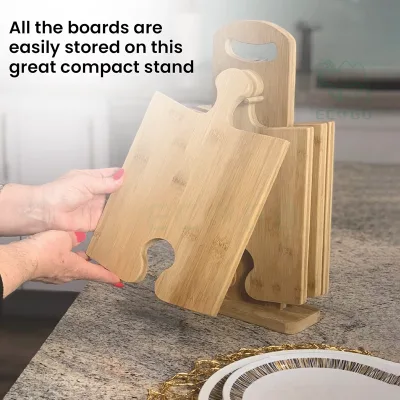
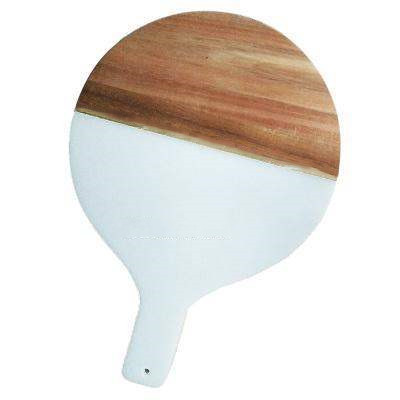


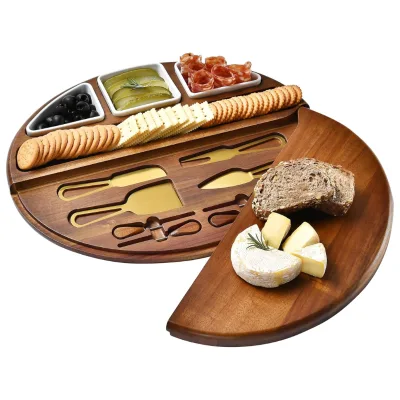
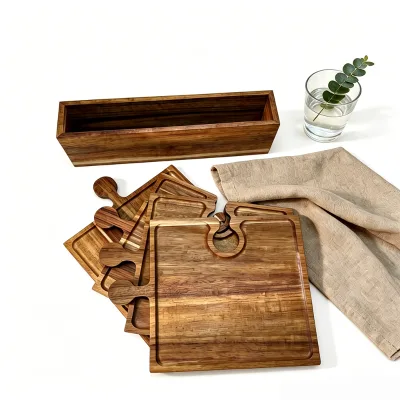


Comprehensive Sourcing Guide
Double-Sided Acacia Serving Board and Cheese Set Sourcing Guide
The double-sided acacia serving board and cheese set represents a specialized category within kitchenware procurement, combining functional utility with aesthetic presentation. Based on observed market data, these products are frequently designed with distinct surfaces to separate raw ingredients from ready-to-eat items, a feature often highlighted as "double-sided" in product listings. The material composition is predominantly natural wood, specifically acacia, which is noted for its durability and natural resistance to moisture, making it suitable for heavy-duty kitchen environments ranging from home use to commercial restaurants.
Buyers must recognize that while the core keyword specifies acacia, the supply chain often includes variations where bamboo or other wood types are listed alongside acacia products. The observed product attributes indicate a strong emphasis on customization, with suppliers offering OEM and ODM services to tailor logos, dimensions, and packaging to specific brand requirements. This flexibility allows procurement teams to align the product with their unique market positioning, whether targeting high-end gift markets or bulk hospitality supply chains.
Product Scope and Observed Listing Signals
The product scope for double-sided acacia serving boards encompasses a variety of configurations, including single boards and complete sets that may integrate slate or metal components for enhanced functionality. Observed listings reveal specific design features such as juice grooves to contain liquids from cheeses and fruits, as well as varying thicknesses described as "thickening" to ensure structural integrity during use. The shapes range from square to rectangular, with dimensions observed in the market including specific measurements like 40x30x2cm or 24.5x14x12 cm, catering to different serving needs and storage constraints.
Procurement signals indicate that these items are often marketed for multiple usage scenarios, including picnics, home kitchens, and restaurant service. The "A Grade" quality designation found in listings suggests a focus on premium surface finishes, though buyers should verify that this grading applies to the specific batch being ordered. Packaging is typically standardized as cartons or gift packages, with some suppliers offering specific single package sizes like 50x50x50 cm, which is critical for calculating logistics costs and warehouse space requirements.
Technical Specifications to Verify
When evaluating technical specifications, the primary focus must be on the material authenticity and dimensional accuracy of the acacia wood. Buyers should verify that the wood type is explicitly confirmed as Acacia Wood, as some listings may group it with bamboo or generic wood categories. The thickness is a critical structural parameter, with observed standards indicating a thickness of 1.5cm or 2cm depending on the model, such as the AE7007 or HW2790 series. Ensuring the correct thickness is essential for preventing warping and maintaining the board's stability during food preparation and serving.
Dimensional verification extends beyond length and width to include the integration of secondary materials, such as slate or carbon steel, which are sometimes included in the set. Specifications like "13x10.5inch with 9.25x7.5inch slate" highlight the need to confirm the exact composition of the set components. Additionally, the presence of features like juice grooves and double-sided designs must be physically inspected to ensure they meet the functional requirements of the intended application, as these features directly impact the user experience and product longevity.
Compliance and Safety Documentation
Compliance and safety documentation are paramount when sourcing food-contact products, particularly those made from natural wood. The observed market data lists several critical certifications, including FDA, LFGB, BSCI, Sedex, and FSC, which indicate adherence to international safety and ethical standards. Buyers must request current certificates for the specific production batch to ensure that the wood has been treated and processed according to food safety regulations, preventing contamination from chemicals or pests.
The presence of certifications like FSC is particularly relevant for acacia wood, as it verifies that the timber is sourced from responsibly managed forests. This is not only a regulatory requirement for many markets but also a significant value proposition for eco-conscious consumers. Procurement teams should verify that the supplier's quality management systems, often reflected in BSCI or Sedex audits, cover the entire production process from raw material harvesting to final packaging, ensuring consistent safety compliance across all units.
Cost Drivers and Commercial Terms
Cost drivers for double-sided acacia serving boards are heavily influenced by the material grade, customization level, and order volume. The Minimum Order Quantity (MOQ) varies significantly across suppliers, with observed ranges spanning from 200 pieces to 1000 pieces, and some set-based orders requiring 500 sets. These thresholds directly impact the unit price, as higher volumes typically secure better pricing tiers, while lower MOQs may incur premium costs due to setup and production inefficiencies.
Commercial terms also include the impact of packaging and logistics, as the single package size and weight can vary based on the inclusion of gift boxes or slate inserts. Suppliers often base their quotations on specific requirements regarding quantity, material, and customization, meaning that a standard price list may not apply to customized orders. Buyers should account for sample times, which are observed to be around 7-10 days, and factor this into their overall procurement timeline to avoid delays in product launch or inventory replenishment.
Supplier Qualification and Quality Control
Supplier qualification requires a rigorous assessment of their manufacturing capabilities and quality control protocols, particularly given the natural variability of wood products. Buyers should prioritize suppliers located in established wood processing hubs, such as Shaowu, Fujian, which is a known origin for high-quality wooden kitchenware. The presence of specific product models like BG1150 or G26391 suggests a mature production line, but verification of the supplier's ability to maintain consistent "A Grade" quality across large batches is essential.
Quality control measures must extend beyond visual inspection to include checks for structural integrity and surface finish. Since the product is often used for food preparation, the absence of splinters and the proper sealing of the wood are critical quality indicators. Buyers should implement a pre-shipment inspection protocol that verifies the double-sided design, the depth of juice grooves, and the secure attachment of any secondary components like slate or metal handles to ensure the product meets the specified standards before it leaves the factory.
Long-Term Procurement Checks
Long-term procurement success depends on establishing a reliable supply chain that can adapt to changing market demands and regulatory updates. Buyers should maintain regular communication with suppliers to monitor changes in raw material availability, as the supply of acacia wood can fluctuate based on seasonal and environmental factors. Continuous verification of certifications, such as FSC and FDA, is necessary to ensure ongoing compliance with evolving international food safety standards and trade regulations.
Sustainability and ethical sourcing should be integrated into the long-term strategy, given the environmental impact of wood harvesting. Buyers should periodically review the supplier's adherence to BSCI and Sedex standards to ensure that labor practices and environmental policies remain aligned with corporate social responsibility goals. By maintaining a proactive approach to supplier management and quality assurance, procurement teams can mitigate risks and ensure a steady supply of high-quality double-sided acacia serving boards and cheese sets for their customers.
FAQs
What materials are used for the Double-Sided Acacia Serving Board and Cheese Set?
The sets are crafted from natural Acacia Wood, offering a durable and eco-friendly surface for food preparation. Some variations may include complementary materials like slate or carbon steel for enhanced functionality. The wood type ensures a natural aesthetic suitable for kitchen, home, restaurant, or picnic use, providing a sturdy base for serving fruits, vegetables, and cheeses.
Can I customize the logo or design on the acacia cheese board?
Yes, customization is available for logos, OEM, and ODM requirements. Buyers can request specific designs to match their brand identity. The product supports custom logos on the wooden surface, allowing for personalized branding. This service is ideal for businesses seeking unique serving solutions, with options tailored to specific quantity and material requirements for optimal results.
What are the standard specifications for the double sided acacia serving board?
Standard specifications include dimensions such as 30x20x1.5cm, 26.5x16x1.5cm, and 41x12x1.5cm. Some models feature a double-sided design with a juice groove for practical use. The boards are thickened for durability and come in various sizes, including medium and large options. These dimensions ensure versatility for different serving needs while maintaining a consistent quality standard across the product line.
What certifications do the acacia wood cheese boards hold?
The products hold certifications including BSCI, Sedex, FSC, FDA, and LFGB. These credentials ensure compliance with international safety and ethical standards. The FSC certification confirms sustainable sourcing of the Acacia Wood, while FDA and LFGB approvals guarantee food safety. These certifications are essential for buyers requiring verified quality and regulatory compliance for their sourcing needs.
What is the minimum order quantity for the acacia cheese board sets?
The minimum order quantity varies by product model, ranging from 100 to 1000 pieces or sets. Specific models may require 200 pieces, 500 sets, or 1000 pieces as the baseline. Buyers should check the specific model requirements, such as AE7007 or BG1150, to determine the exact MOQ. This flexibility allows for scalable ordering based on business volume and inventory needs.
Where are the acacia serving boards manufactured?
The boards are manufactured in Shaowu, Fujian, China, a region known for wood processing. This origin ensures access to high-quality Acacia Wood and established production capabilities. The location supports efficient supply chain management and consistent quality control. Buyers sourcing from this region benefit from specialized expertise in wooden kitchenware manufacturing and reliable production standards.