Source Dragon Ball Anime Figure for Promotion, Gift, and Display
Find and compare 30 Dragon Ball Anime Figure options from Chinese manufacturers. These customizable resin and plastic sculptures support OEM/ODM services, offering various sizes, colors, and certification standards for promotional gifts, home decor, and static display purposes.
Key considerations
Products List
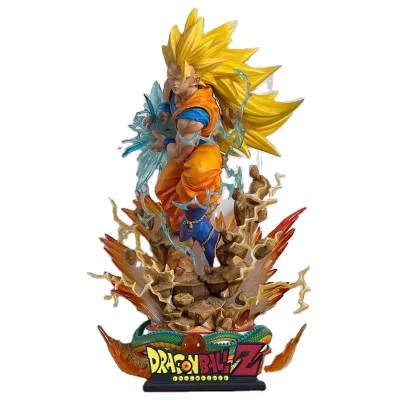


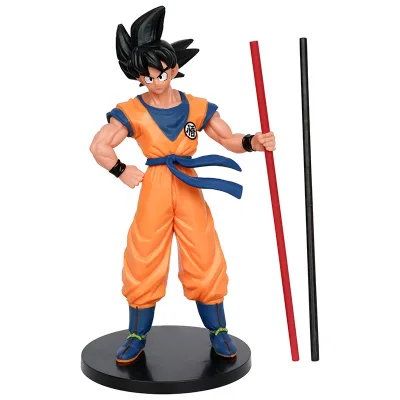
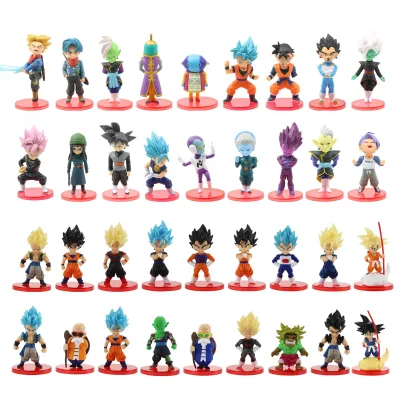
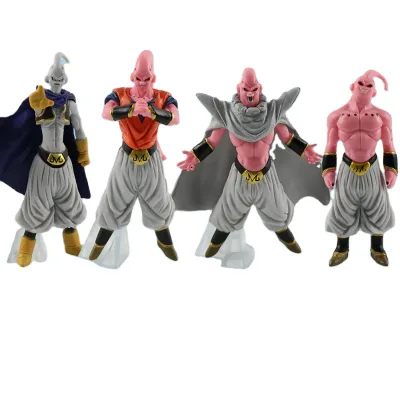
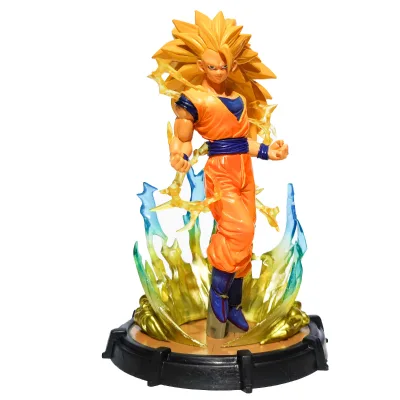
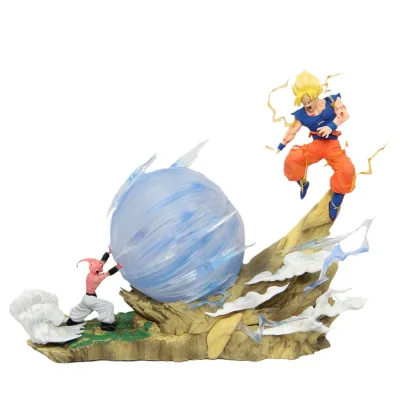
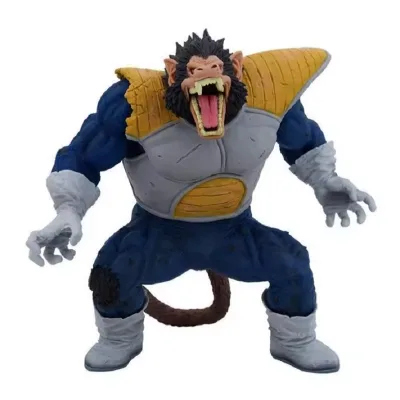
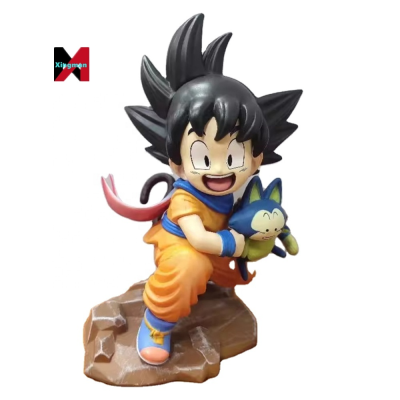
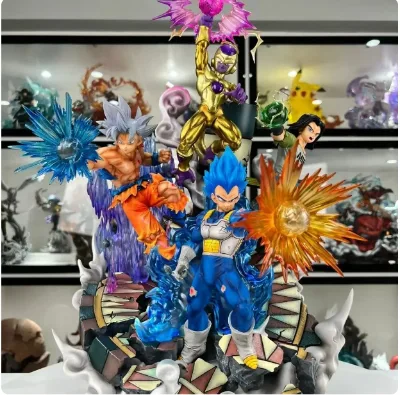


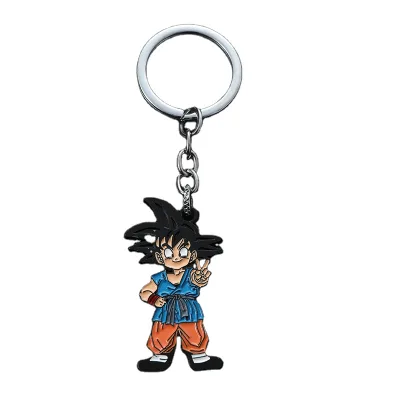
Plastic Factory PVC Figure Dragonball Hero Goku Collection Model Toy Doll
$0.10 - $0.20
MOQ: 3000 Pieces
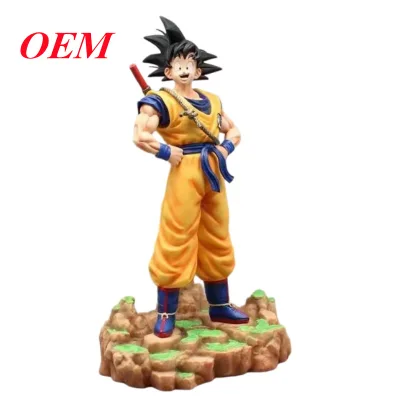
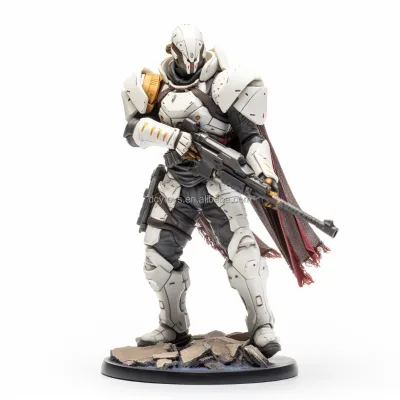

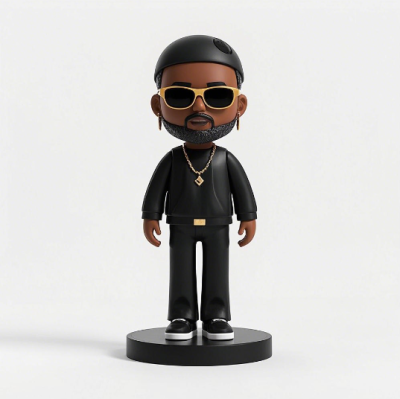

Comprehensive Sourcing Guide
Dragon Ball Anime Figure Sourcing Guide
Sourcing authentic and high-quality Dragon Ball anime figures requires a nuanced understanding of the global manufacturing landscape, particularly within China’s established toy and collectible hubs. Buyers must navigate a market characterized by significant variation in material quality, production techniques, and intellectual property compliance. The core keyword "Dragon Ball Anime Figure" represents a broad category that encompasses everything from mass-produced promotional items to limited-edition collector pieces. Understanding the distinction between these tiers is essential for aligning procurement strategies with specific business goals, whether they involve retail distribution, promotional giveaways, or specialized collector markets.
The procurement process is heavily influenced by the supplier’s location and their specific capabilities in handling complex designs. Factories in regions like Jiangsu and Guangdong, China, are known for their expertise in producing detailed resin and plastic figurines. These regions offer a mature supply chain for materials such as PVC, ABS, and resin, which are critical for achieving the intricate details associated with Dragon Ball characters. Buyers should prioritize suppliers who demonstrate proven experience in this specific niche, as the technical demands of sculpting muscular definition, fabric textures, and dynamic poses require specialized craftsmanship that general toy manufacturers may lack.
Product Scope and Observed Listing Signals
The observed market signals indicate a wide range of product types, from small-scale promotional items to larger decorative sculptures. Listings frequently highlight customization options, including customized colors, sizes, and logo printing, which suggests that many suppliers are equipped to handle OEM and ODM requests. This flexibility is particularly relevant for businesses looking to create branded merchandise or unique variations of standard character designs. However, buyers must carefully distinguish between products intended for functional use, such as toys for children over eight years old, and those designed strictly for static display, which often command higher prices due to their artistic complexity and fragility.
Material composition is a primary differentiator in this category, with listings citing a range of options including eco-friendly PVC, ABS, resin, TPR, PP, PS, and PC. The choice of material directly impacts the figure’s durability, weight, and visual finish. For instance, resin figures are often preferred for high-end collectibles due to their ability to capture fine details, while PVC and ABS are more common in mass-market toys due to their cost-effectiveness and durability. Buyers should verify the specific material composition for each SKU, as mixing materials within a single figure is common but requires precise manufacturing control to ensure proper adhesion and finish quality.
Technical Specifications to Verify
Technical verification begins with the production technology employed by the supplier. Common methods include roto casting, injection molding, and ultrasonic welding, each suited to different production volumes and design complexities. Injection molding is ideal for high-volume runs of plastic figures, offering consistency and speed, while roto casting is often used for resin figures that require a more artisanal finish. Buyers must confirm which technology is used for their specific order, as this affects the lead time, unit cost, and potential for design variations between batches. Understanding the manufacturing process is crucial for setting realistic expectations regarding production timelines and quality consistency.
Size and scale are critical specifications that must be clearly defined to avoid fulfillment errors. Listings indicate that sizes can be customized, ranging from small 10cm figures to larger decorative sculptures. Buyers should request detailed dimensional drawings and scale references to ensure the final product meets their spatial and aesthetic requirements. Additionally, the availability of 3D drawings provided by either the buyer or the supplier is a key factor in the prototyping phase. Verifying who provides the initial 3D model and who is responsible for mold opening is essential, as mold costs can vary significantly depending on the size, quantity, material, and technology used.
Compliance and Safety Documentation
Compliance with international safety standards is non-negotiable, especially when dealing with products that may be marketed to children or sold in regulated markets. Listings mention certifications such as CE and ENASTM, which are critical for ensuring that the figures meet European and American safety requirements. Buyers must verify the validity and scope of these certifications, ensuring they cover the specific materials and components used in the final product. It is important to note that certifications are often product-specific, so a general factory certification may not apply to every SKU, particularly those involving different materials or age classifications.
Age grading is another critical compliance factor. Products labeled for children over eight years old must adhere to stricter safety standards regarding small parts and chemical composition compared to those intended for adult collectors. Buyers should ensure that the supplier’s documentation accurately reflects the intended age group and that the product has undergone appropriate testing for physical and mechanical hazards. For promotional items or static display pieces, while safety standards may be less stringent, buyers should still request material safety data sheets to ensure the absence of harmful substances, particularly in PVC-based products.
Cost Drivers and Commercial Terms
Cost structures in the anime figure market are driven by several key factors, including material costs, mold development, and production volume. Mold costs can vary significantly depending on the complexity of the design, the size of the figure, and the material used. Buyers should anticipate that opening a new mold will incur a one-time fee, which can be amortized over larger order quantities. Understanding the relationship between MOQ (Minimum Order Quantity) and unit price is essential for budgeting. Listings indicate MOQs ranging from 1 piece to 5000 pieces, allowing for flexibility in initial testing and larger-scale production runs.
Commercial terms also include sample fees and packaging options. While some suppliers offer free samples, buyers should verify whether this applies to all products or only specific SKUs. Packaging is another area where costs can vary, with options ranging from standard paper cartons to customized packaging that enhances the product’s perceived value. Buyers should negotiate clear terms regarding sample charges, mold costs, and packaging customization to avoid unexpected expenses. Additionally, understanding the logistics options, such as sea, air, or express delivery, is crucial for managing inventory levels and ensuring timely delivery to end customers.
Supplier Qualification and Quality Control
Supplier qualification involves assessing their capability to deliver consistent quality across production runs. Buyers should verify the supplier’s experience in producing anime figures, particularly those with complex designs and multiple color applications. The ability to handle full-color or simple color logo printing, as well as pad printing for detailed features, is a key indicator of technical proficiency. Suppliers who offer OEM/ODM services and have a history of working with international brands are often more reliable in terms of meeting specific quality and design requirements.
Quality control processes should be clearly defined and agreed upon before production begins. Buyers should request information on the supplier’s QC procedures, including in-process inspections and final random inspections. Given the intricate nature of anime figures, visual defects such as paint misalignment, mold lines, or surface imperfections are common risks. Establishing clear acceptance criteria and potentially engaging third-party inspection services can help mitigate these risks. Additionally, verifying the supplier’s ability to provide original packaging and handle customized orders is essential for maintaining brand integrity and customer satisfaction.
Long-Term Procurement Checks
Long-term procurement success depends on establishing a sustainable relationship with suppliers who can adapt to changing market demands and regulatory requirements. Buyers should regularly review supplier performance metrics, including on-time delivery rates, defect rates, and responsiveness to issues. Continuous communication regarding design updates, material changes, and new certification requirements is essential for maintaining compliance and product relevance. Suppliers who invest in R&D and stay updated with industry trends are better positioned to support long-term growth and innovation.
Intellectual property protection is a critical consideration in the anime figure market. Buyers must ensure that their suppliers have the necessary licenses or permissions to produce and sell Dragon Ball-themed products. Unauthorized production can lead to legal issues and supply chain disruptions. Establishing clear contractual agreements regarding IP rights and confidentiality is essential for protecting both the buyer’s brand and the supplier’s business. Regular audits and compliance checks can help ensure that the supply chain remains secure and that all products are produced in accordance with legal and ethical standards.
FAQs
Can I customize the size and color of the Dragon Ball Anime Figure?
Yes, customization is available for both size and color. The product supports customized sizes and colors as per the picture or specific requirements, allowing buyers to tailor the resin or plastic figurine to their exact needs.
What certifications do the dragon ball anime figures hold?
The figures hold ENASTM and CE certifications. These standards ensure the products meet specific safety and quality requirements, making them suitable for various markets and applications ranging from home decoration to promotional gifts.
How much is the minimum order quantity for these figures?
The minimum order quantity starts at 1 piece. This low MOQ allows buyers to test the market or order small batches without significant commitment, making it accessible for both individual collectors and small promotional campaigns.
What materials are used to make the dragon ball anime figures?
The figures are made from materials like fiberglass, plastic, PVC, ABS, and resin. The material range includes eco-friendly options such as TPR, PP, PS, and PC, providing durability and flexibility for different design and usage requirements.
Is the logo printing available on the dragon ball anime figures?
Yes, full color and simple color logo printing are available. The imprint methods include pad print, and buyers can request custom logos to be added to the figurines for promotional purposes or brand identification.
Where are the dragon ball anime figures manufactured?
The figures are manufactured in Jiangsu and Guangdong, China. These locations serve as the primary origins for the products, ensuring efficient production and logistics for international buyers seeking high-quality resin and plastic sculptures.
Can I get a sample before placing a large order?
Yes, free samples are available upon request. The sample fee is free of charge, and the technology used includes roto casting, injection, and ultrasonic processes, allowing buyers to verify quality before committing to bulk production.