Source Dried Pampas Grass for home, garden, and festival decor
Compare 30 listings of Dried Pampas Grass from Chinese suppliers with varying MOQs, delivery times, and styles. Buyers can evaluate options for home decoration, garden accents, and festival arrangements based on observed specifications and customization availability.
Key considerations
Products List


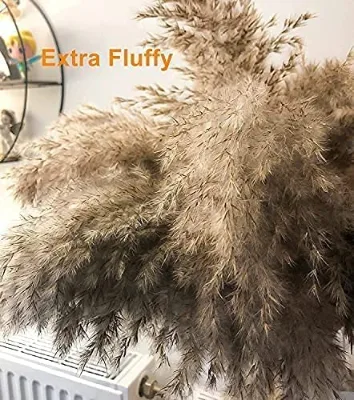
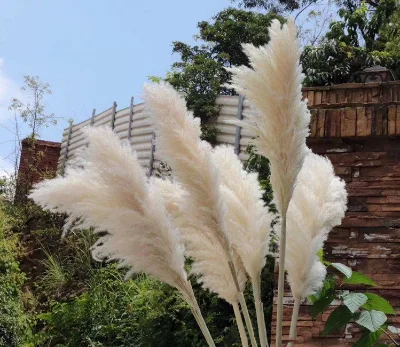
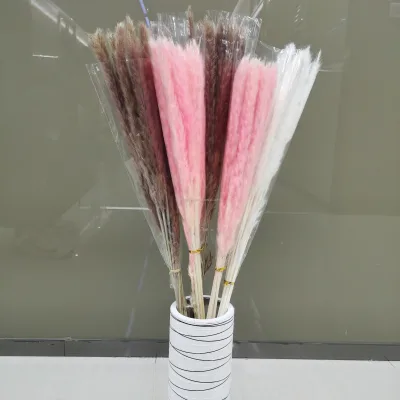


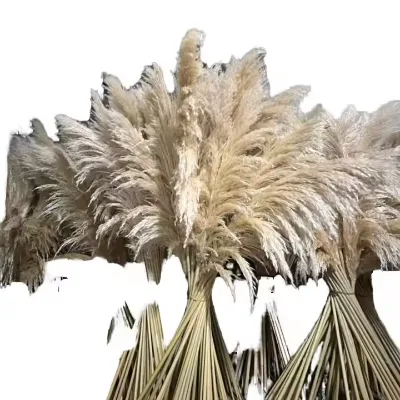


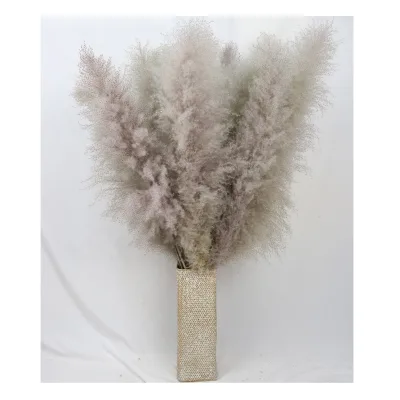
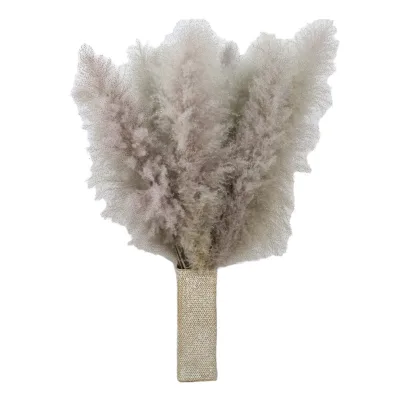


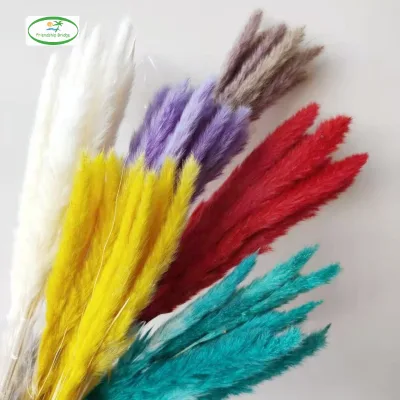


High-Quality Eco-Conscious Artificial Grass for Indoor and Outdoor Use
$2.00 - $2.40
MOQ: 100 Square Meters


Comprehensive Sourcing Guide
Strategic Sourcing Guide for Dried Pampas Grass Procurement
The global market for dried botanicals has seen a significant surge in demand, driven by interior design trends favoring natural textures and sustainable decor. Among these, Dried Pampas Grass has emerged as a premium category item, prized for its voluminous, feathery plumes and neutral color palette. For B2B buyers, navigating the procurement landscape requires a disciplined approach that balances aesthetic requirements with rigorous supply chain verification. This guide outlines the essential technical, logistical, and quality parameters necessary for sourcing Dried Pampas Grass effectively, based on current market observations and standard industry practices.
Technical Specifications and Product Variations
Understanding the technical specifications of Dried Pampas Grass is the first step in defining a precise procurement requirement. The product is not a monolithic commodity; it varies significantly in stem length, plume density, and processing methods. Buyers must distinguish between different grass types often categorized under the broader "dried flower" umbrella. While the core keyword focuses on pampas grass, market listings frequently include related varieties such as Dog Tail Grass and Rabbit Tail Grass, which share similar aesthetic applications but possess distinct physical characteristics.
The physical dimensions are critical for logistics and end-use design. Observed specifications indicate that feather sizes can range from 50 to 80 centimeters, while other listings specify single package sizes of approximately 48x8x8 cm or individual stem lengths of 60 centimeters (roughly 24 inches). Some products are listed with specific model numbers, such as 41, 34, 27, 01, 05, and 26, which often correspond to specific harvest batches or processing standards. The material composition is consistently identified as natural dried flowers, ensuring the product retains its organic texture. However, buyers should verify whether the "natural" designation implies untreated stems or if chemical preservation methods have been applied to extend shelf life, as this impacts the "Real Touch Nature" or "Natural Touch" features claimed by suppliers.
Compliance, Certification, and Origin Verification
In the dried botanical sector, compliance is often tied to the agricultural origin and the preservation methods used. The primary regions of origin identified in current market data include Yunnan and Guangdong in China. These regions offer specific climatic advantages for growing high-quality pampas grass, but they also necessitate strict verification of export compliance. Buyers must confirm that the supplier adheres to phytosanitary regulations to prevent the introduction of pests or diseases into the destination country.
While specific certification names are not universally standardized across all listings, the presence of a "Pampas grass" or "Dried Flowers" standard is a baseline expectation. Buyers should request documentation proving that the product meets the specific standard associated with the product model. For instance, some listings reference a "Pampas grass" standard, while others cite "Dog Tail Grass" or "Rabbit Tail Grass" standards. It is crucial to verify that the standard cited matches the actual product received. Furthermore, the "Natural Dried Flowers" material classification implies a need for traceability. Buyers should inquire about the farming practices, specifically whether the grass is grown without prohibited pesticides, as this is a common requirement for Western markets. The absence of a specific brand name in many listings suggests a prevalence of OEM/ODM opportunities, where the buyer's brand is applied to the product, making the supplier's ability to maintain consistent quality standards even more vital.
Cost Drivers and Pricing Dynamics
The pricing structure for Dried Pampas Grass is influenced by a complex interplay of factors, including stem length, plume fullness, processing complexity, and order volume. The observed price range in the market spans from $0.45 to $24.02 USD. This wide variance indicates that price is not merely a function of weight but is heavily dependent on the perceived value of the aesthetic finish. Lower-priced items may correspond to shorter stems, less dense plumes, or bulk packaging, while higher-priced items likely represent premium grades with longer feathers, superior color consistency, and specialized packaging.
Minimum Order Quantity (MOQ) is another significant cost driver. Market data shows MOQs ranging from as low as 10 pieces to as high as 1000 pieces, with specific instances of 10 bags or 20 pieces. For new buyers, the ability to order small quantities (e.g., 10 pieces) allows for market testing without excessive capital commitment. However, larger orders often unlock better unit economics. The packaging method also impacts cost; products packed in "OPP Bag+Carton" or "Paper Carton" may have different cost structures compared to those with custom branding. Buyers should analyze the total landed cost, factoring in that premium packaging and smaller MOQs often carry a higher per-unit price. Additionally, the availability of samples, which are noted as available but not always free, represents an upfront cost that must be weighed against the risk mitigation of verifying quality before a bulk order.
Typical Applications and Usage Scenarios
The versatility of Dried Pampas Grass is a primary driver of its commercial success. The product is marketed for a wide array of usage scenarios, including home decoration, garden landscaping, festival displays, and wedding arrangements. The "Occasion" attributes highlight its suitability for both outdoor and indoor decoration, as well as specific events like Christmas and weddings. This flexibility allows buyers to target multiple market segments simultaneously.
In the home decor sector, the "Style" attributes such as "Dried Flowers," "Bouquet," and "Floral" indicate that the product is often sold as finished arrangements or as components for DIY projects. The "Long-lasting" durability is a key selling point for home goods, distinguishing it from fresh flowers that require constant maintenance. For the event industry, the "Festival" and "Wedding Decoration" applications suggest a need for high visual impact and consistency in color and shape. The "Functional" aspect is purely decorative, yet the "Real Touch Nature" feature is essential for creating an authentic, high-end atmosphere. Buyers should note that while the product is suitable for indoor use, the "Outdoor and Indoor Decoration" classification requires verification of weather resistance if the end-use involves exposed environments.
Supplier Evaluation and Operational Capabilities
Selecting the right supplier requires a deep dive into their operational capabilities and customization options. The market data indicates that OEM/ODM services are acceptable, meaning suppliers are willing to produce goods under the buyer's brand or with custom specifications. This is a critical factor for brands looking to differentiate themselves. The availability of customization is a positive signal, but buyers must define the scope of this customization clearly, including packaging design, stem length, and color treatment.
Lead times are a critical operational metric. Observed delivery times vary from 3-5 days to 7-15 working days. This variance suggests that production capacity and order volume significantly impact turnaround times. A supplier promising 3-5 days may have limited stock or a highly efficient local operation, whereas a 7-15 day lead time might reflect a more standard production cycle. Buyers must align their inventory planning with these timelines to avoid stockouts. The "Sample" availability is another key evaluation point; a supplier that provides samples (even if not free) demonstrates confidence in their product quality. However, the note that samples are "not free" suggests that buyers should budget for this initial verification step. When evaluating suppliers, buyers should prioritize those who can provide clear communication regarding their production model, as the "Product Name" and "Brand Name" fields show a mix of generic and branded listings, indicating a need for clarity in the final product identity.
Quality Control and Long-Term Procurement Strategy
Quality control in the dried flower industry is paramount due to the organic nature of the product. Variations in color, stem straightness, and plume density are common challenges. Buyers should establish a rigorous quality control protocol that includes visual inspection upon receipt and, if possible, third-party testing for durability and color fastness. The "Feature" attributes like "Natural Touch" and "Real Touch Nature" are subjective claims that must be validated against physical samples.
For long-term procurement, consistency is key. The existence of multiple product models (01, 05, 26, 27, 34, 41) suggests that suppliers have a diverse inventory, but buyers must ensure that the specific model selected for a long-term contract remains available and consistent. The "prod_packing" standard of "OPP Bag+Carton" or "Paper Carton" should be standardized to prevent damage during transit. Furthermore, the "Material" being "Natural Dried Flowers" implies a finite shelf life; buyers should discuss storage conditions with the supplier to ensure the product remains in optimal condition during the supply chain journey. Long-term partnerships should be built on a foundation of clear communication regarding changes in harvest seasons, which can affect the availability and quality of the raw material. By focusing on these technical and operational details, buyers can secure a reliable supply of high-quality Dried Pampas Grass that meets the demands of their specific market segment.
FAQs
What customization options are available for Dried Pampas Grass?
Customization is available for buyers seeking specific product attributes. Suppliers accept OEM and ODM requests, allowing for tailored packaging or branding. This flexibility supports brands looking to differentiate their offerings in the home decoration or festival markets.
How long does delivery take for Dried Pampas Grass orders?
Delivery times typically range from 3 to 15 working days depending on the supplier. Some vendors offer expedited shipping within 3 to 5 days, while standard production cycles may require 7 to 15 days. Buyers should confirm specific lead times before placing bulk orders.
Which minimum order quantities apply to Dried Pampas Grass?
Minimum order quantities vary significantly across different suppliers and product models. Some vendors accept orders as low as 10 pieces, while others require 1000 pieces or 10 bags. Buyers should verify the specific MOQ for their chosen model before committing to a purchase.
Can buyers obtain samples of Dried Pampas Grass before bulk buying?
Samples are available for verification of quality and texture before placing large orders. However, these samples are not always free and may incur a cost. This option allows buyers to assess features like natural touch and feather size prior to commitment.
What materials are used to make the Dried Pampas Grass?
The product is made from natural dried flowers, ensuring an organic texture and appearance. This material classification supports the long-lasting durability and real touch nature features observed in the listings. Buyers should verify if any chemical preservation methods are used.
Where are Dried Pampas Grass products typically sourced from?
Products originate primarily from regions in China, specifically Yunnan and Guangdong. These locations offer specific climatic advantages for growing high-quality grass. Buyers should verify phytosanitary compliance and export regulations associated with these specific origins.
What are the typical packaging methods for Dried Pampas Grass?
Packaging usually consists of OPP bags combined with cartons or paper cartons. This method protects the delicate plumes during transit and storage. Buyers should confirm the specific packing standard to ensure the product arrives in optimal condition for decoration.