Source Dried Konjac Rice for Food, Medicine, and Health Care
Compare 30 listings of Dried Konjac Rice from verified Chinese suppliers. Buyers can evaluate certifications like HACCP and BRC, specifications such as 2mm x 5mm size, and packaging options including 25kg drums or custom bags for food, medicine, and health care applications.
Key considerations
Products List


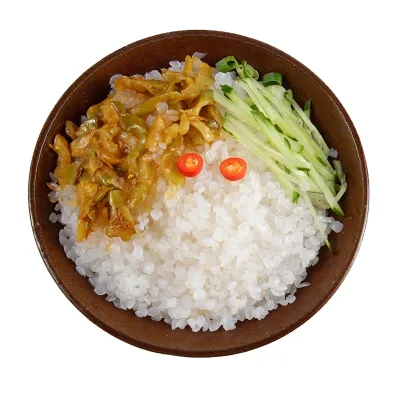
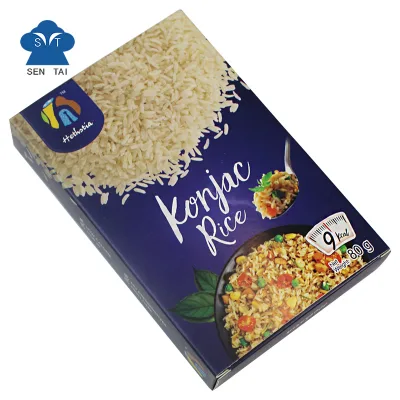
Custom Dry Konjac Low Sugar Shirataki Instant Rice Dried Konjac Black Rice
$0.68 - $0.92
MOQ: 3000 Pieces


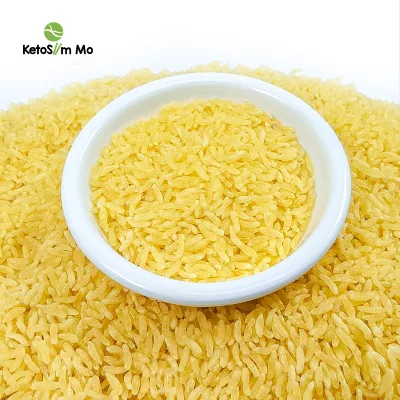
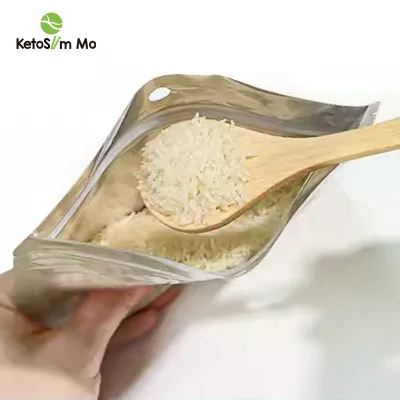
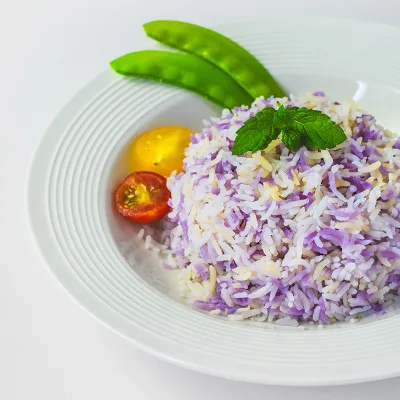
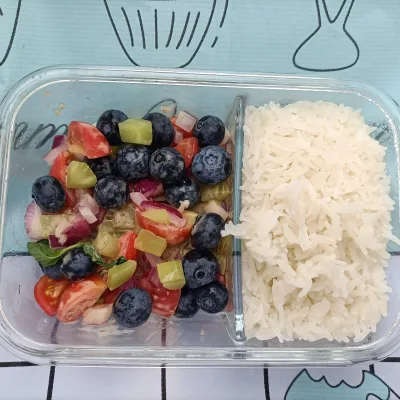
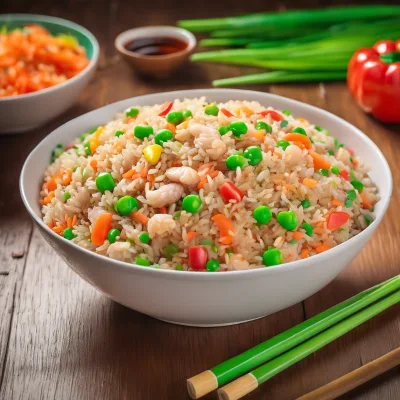
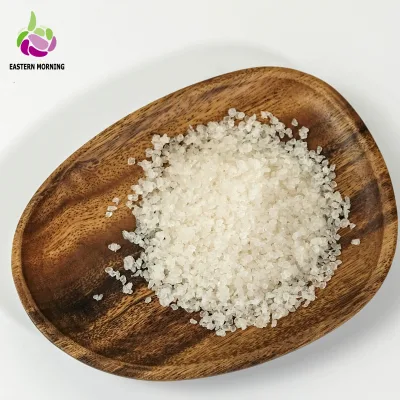
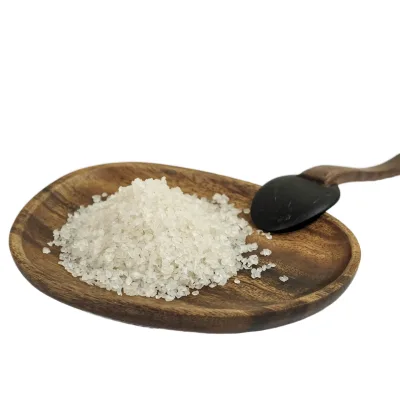

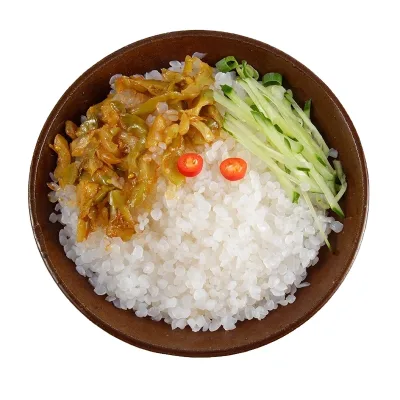


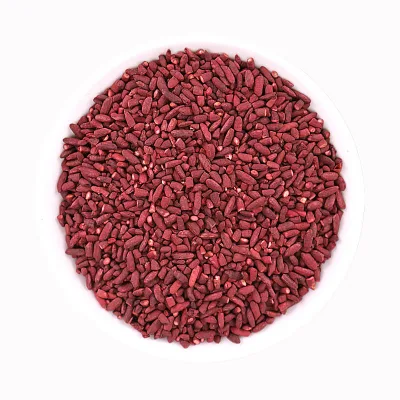
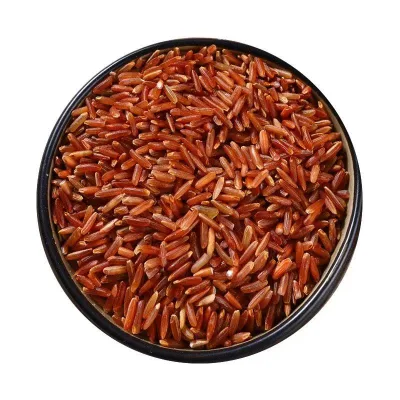
Guaranteed Quality Unique Widely Used High Temperature Resistant Traditional Craft Red Kojic Rice
$2.70 - $2.81
MOQ: 500 kilograms

Comprehensive Sourcing Guide
Strategic Sourcing Guide for Dried Konjac Rice in Global Supply Chains
The global demand for low-carbohydrate and high-fiber functional foods has elevated the profile of Dried Konjac Rice as a critical commodity in the health and wellness sector. For procurement professionals, sourcing this specific product requires a nuanced understanding of its botanical origins, processing standards, and regulatory landscape. Unlike traditional grains, Dried Konjac Rice is a specialized food ingredient derived from the konjac plant, processed into a rice-like form to offer a distinct texture and nutritional profile. This guide outlines the essential parameters for evaluating suppliers, ensuring product quality, and managing the procurement lifecycle for Dried Konjac Rice, focusing on the specific attributes and compliance requirements observed in the current market.
Technical Specifications and Product Attributes
Understanding the precise technical specifications of Dried Konjac Rice is the first step in defining procurement requirements. The product is fundamentally characterized by its state as a dried plant-based food item, often appearing as white, red, or black rice depending on the specific variety and processing method. The core ingredient is dietary fiber, which constitutes the primary functional component. Market observations indicate that the product is frequently marketed with specific claims regarding its nutritional benefits, such as being low in calories, low in glycemic index (GI), and rich in fiber.
The physical dimensions of the product are critical for manufacturing integration. Standard specifications often cite a size range of approximately 2mm by 5mm, ensuring the product mimics the texture of traditional rice grains while maintaining the structural integrity required for various food applications. The purity of the raw material is a significant factor, with high-grade products often advertised at 99% purity levels. However, buyers must verify this metric against specific batch test reports rather than relying solely on general product descriptions.
The product is available in various forms, including dried konjac corn rice, dried konjac red rice, and dried konjac black rice. These variations suggest different processing techniques or blending ratios, which may impact the final color and flavor profile of the finished food product. The dietary fiber content is a key differentiator, with some specifications noting values such as 2.8g per 100g, though this figure should be treated as a sample observation rather than a universal standard for all suppliers.
Compliance, Certification, and Regulatory Standards
In the B2B food supply chain, compliance is non-negotiable. Suppliers of Dried Konjac Rice must demonstrate adherence to rigorous international safety and quality standards. The observed certification landscape for this product category is extensive, reflecting the global nature of the trade. Key certifications frequently cited include HACCP (Hazard Analysis and Critical Control Points), FDA (Food and Drug Administration) registration, ISO standards, and BRC (British Retail Consortium) certification. These certifications indicate that the manufacturing facility has implemented robust food safety management systems.
Beyond general food safety, specific market access certifications are often required depending on the destination country. The market data highlights the presence of certifications such as IFS (International Featured Standards), Kosher, Halal, NOP (National Organic Program), JAS (Japanese Agricultural Standards), and EC (European Community) organic certification. The presence of these marks is particularly vital for suppliers targeting the Middle East, Asia, and Europe, where religious and organic dietary laws are strictly enforced.
Buyers must verify that the certifications are current and issued by accredited bodies. The specific standard for packaging and labeling often aligns with the product model, such as 25kg drums for bulk industrial use or smaller units like 80g or 1kg bags for retail distribution. The origin of the product is also a compliance factor, with major production hubs identified in China, specifically in regions like Sichuan and Guangdong. Sourcing from these regions requires an understanding of local export regulations and the specific quality controls enforced by the provincial authorities.
Cost Drivers and Pricing Dynamics
The pricing of Dried Konjac Rice is influenced by a complex interplay of factors, including raw material availability, processing complexity, and certification costs. The observed price range in the market is exceptionally broad, spanning from $0.26 to $34,000 per unit. This wide variance is not indicative of a single product type but rather reflects the difference between raw material pricing, finished consumer goods, and bulk industrial orders.
For bulk procurement, the cost is heavily driven by the packaging format and order volume. Standard bulk packaging often involves 25kg drums, while smaller commercial units may be packaged in standing pouches with cartons or paper boxes. The minimum order quantity (MOQ) is another significant cost driver, with observed ranges starting from 1 unit up to 5,000 units. Suppliers offering lower MOQs may charge a premium per unit due to the logistical overhead of handling smaller batches.
Customization services, such as OEM (Original Equipment Manufacturer), ODM (Original Design Manufacturer), and OBM (Original Brand Manufacturer) capabilities, also impact the final price. Products that require specific branding, unique packaging designs, or tailored formulations will naturally command higher prices than generic, off-the-shelf inventory. Additionally, the shelf life of the product, typically ranging from 12 months to 24 months, can influence pricing; longer shelf-life products may involve more advanced preservation technologies or higher quality control measures, justifying a higher cost.
Typical Applications and Functional Usage
Dried Konjac Rice serves a versatile role in the food and beverage industry, primarily functioning as a low-carbohydrate alternative to traditional grains. Its primary applications are in the medicine, health care products, and food sectors. The product's low-calorie and low-GI profile makes it an ideal ingredient for weight management products, diabetic-friendly foods, and gluten-free diets.
The product is commonly used as a direct substitute for rice in various culinary applications, including stir-fries, soups, and salads. Its ability to absorb flavors while maintaining a distinct texture allows it to be integrated into a wide array of recipes without altering the fundamental taste profile of the dish. In the health care sector, Dried Konjac Rice is utilized in the formulation of dietary supplements and functional foods designed to promote digestive health due to its high dietary fiber content.
The application form of the product is versatile, suitable for processing into capsules, tablets, or direct food consumption. This flexibility allows manufacturers to create diverse product lines, from whole-food snacks to concentrated nutritional supplements. The "fewer carbs, fewer calories" attribute is a key selling point for consumers seeking to reduce their carbohydrate intake, making the product a staple in the growing market for low-carb and keto-friendly diets.
Supplier Evaluation and Quality Control
Evaluating suppliers for Dried Konjac Rice requires a multi-faceted approach that goes beyond price comparison. Buyers should prioritize suppliers who offer comprehensive documentation regarding their production processes, raw material sourcing, and quality assurance protocols. The availability of customization services is a strong indicator of a supplier's flexibility and capability to meet specific client needs.
Quality control measures must be robust, covering every stage from raw material harvesting to final packaging. The use of advanced assay methods such as UV, HPLC (High-Performance Liquid Chromatography), GPC (Gel Permeation Chromatography), and HPLC-MS is essential for verifying the purity and composition of the product. These analytical techniques ensure that the dietary fiber content and absence of contaminants meet the required specifications.
Buyers should also assess the supplier's logistics capabilities, including lead times and storage conditions. The typical delivery time for Dried Konjac Rice ranges from 15 to 30 working days, which must be factored into the supply chain planning. Storage requirements are critical; the product must be kept in cool and dry conditions to maintain its shelf life and prevent degradation. Suppliers who can demonstrate adherence to these storage protocols during transit are preferable.
Long-Term Procurement Considerations
Sourcing Dried Konjac Rice is not merely a transactional activity but a strategic partnership that requires long-term planning. The stability of the supply chain is paramount, especially given the global nature of the product. Buyers should consider the geographical location of the supplier, with major production centers in China offering a competitive advantage in terms of scale and cost efficiency. However, diversifying the supplier base can mitigate risks associated with regional disruptions.
The shelf life of the product, typically between 12 and 24 months, necessitates careful inventory management. Overstocking can lead to product expiration, while understocking can result in supply shortages. Buyers should work with suppliers who offer flexible packaging options, ranging from 80g bags to 25kg drums, to align with their specific distribution needs.
Furthermore, the evolving regulatory landscape in the food industry requires continuous monitoring. Certifications such as BRC, HACCP, and Halal are subject to renewal and audit. Buyers must ensure that their suppliers maintain these certifications throughout the contract period. The ability of the supplier to adapt to changing market demands, such as new flavor profiles or packaging innovations, is also a critical factor in maintaining a competitive edge in the marketplace.
Summary of Key Sourcing Parameters
To facilitate quick reference and decision-making, the following table summarizes the critical parameters observed in the Dried Konjac Rice market. This overview consolidates the technical, compliance, and logistical data necessary for effective procurement planning.
| Parameter Category | Key Observations & Verification Points |
|---|---|
| Product Form | Dried Konjac Rice (White, Red, Black, Corn variants) |
| Physical Specs | Size: ~2mm x 5mm; State: Plant Oil/Dried; Purity: ~99% |
| Nutritional Profile | High Fiber (e.g., 2.8g/100g), Low GI, Low Calorie, Gluten-Free |
| Certifications | HACCP, FDA, ISO, BRC, IFS, Kosher, Halal, NOP, JAS, EC |
| Packaging | 25kg Drum, 80g/1kg Bag, Standing Pouch + Carton, Custom |
| Origin | China (Sichuan, Guangdong) |
| Lead Time | 15-30 Working Days |
| Shelf Life | 12-24 Months (Requires Cool, Dry Storage) |
| MOQ Range | 1 to 5,000 Units |
| Assay Methods | UV, HPLC, GPC, HPLC-MS |
By adhering to these guidelines and maintaining a rigorous approach to supplier evaluation, procurement professionals can secure high-quality Dried Konjac Rice that meets the stringent demands of the modern food and health industry. The focus on verified specifications, robust certifications, and clear logistical parameters ensures a stable and compliant supply chain.
FAQs
What certifications do Dried Konjac Rice suppliers typically hold?
Suppliers typically hold certifications such as HACCP, FDA, ISO, BRC, IFS, Kosher, Halal, NOP, JAS, and EC. These marks indicate adherence to rigorous international safety and quality standards required for global food trade.
How is Dried Konjac Rice packaged for bulk orders?
Bulk orders are commonly packaged in 25kg drums or customized packing sizes. Smaller commercial units may use standing pouches with cartons or paper boxes depending on the specific product model and client requirements.
What is the typical shelf life of Dried Konjac Rice?
The shelf life ranges from 12 months to 24 months depending on the specific product and storage conditions. Buyers must ensure the product is stored in cool and dry conditions to maintain quality throughout this period.
Can suppliers provide customization services for Dried Konjac Rice?
Yes, customization services including OEM, ODM, and OBM are available for this product. Buyers can request tailored formulations, unique packaging designs, or specific branding to meet their distinct market needs.
What are the standard physical dimensions of Dried Konjac Rice?
Standard specifications often cite a size range of approximately 2mm by 5mm. This dimension ensures the product mimics the texture of traditional rice grains while maintaining structural integrity for various food applications.
Which regions in China are major production hubs for this product?
Major production hubs are located in Sichuan and Guangdong, China. These regions offer competitive advantages in scale and cost efficiency, though buyers must verify local export regulations and quality controls enforced by provincial authorities.