Source Drilling Casing Advancer for Wood, Metal, and Masonry
Explore 30 verified listings for the Drilling Casing Advancer designed for wood, metal, and masonry applications. Buyers can compare specifications, materials, and customization options from suppliers in China to find the right solution for core drilling and geological exploration; compare the available evidence and request quotations based on your requirements.
Key considerations
Products List

$680.00 - $800.00
MOQ: 1 Pieces


Heavy Duty Casing Advancer for Mineral Exploration and Borehole Drilling
$100.00 - $500.00
MOQ: 1 Piece


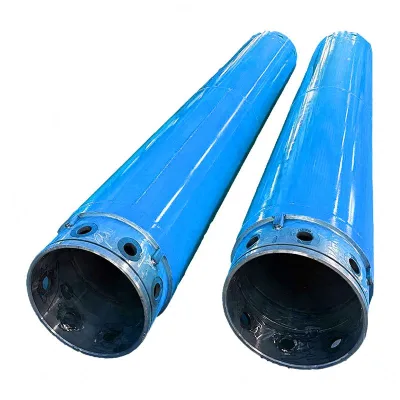


Oilfield Drilling Well Casing Cementing Tools Casing Annulus Casing Packer
$2250.00 - $21100.00
MOQ: 1 Pieces


API Casing Drilling Tool Casing External Packer for Cementing in Well
$2250.00 - $21100.00
MOQ: 1 Pieces

API Well Drilling Equipment Casing Cementing Tools Casing External Packer
$2250.00 - $21100.00
MOQ: 1 Pieces


Comprehensive Sourcing Guide
Drilling Casing Advancer Sourcing Guide
Procuring a Drilling Casing Advancer requires a clear understanding of the distinct product categories available in the current market. Listings indicate a split between core drill bits and specialized casing advancement tools, each serving different operational needs. Buyers must first determine whether their primary requirement is for wireline coring, geological drilling, or simultaneous drilling and casing advancement. This distinction is critical because the mechanical design and material composition vary significantly between a standard core drill bit and a heavy-duty casing advancer designed for mineral exploration.
The observed product landscape includes items labeled as core drill bits made from tungsten carbide, as well as advanced casing advancers constructed from high-carbon steel or alloy materials. Some listings specify models like NW, HW, and HWT, which correspond to specific drilling standards and core barrel sizes. Understanding these model designations helps buyers align their existing equipment with compatible advancer systems. It is essential to verify that the selected tool matches the specific drilling method, whether it involves jobber-length specifications or custom configurations for unique geological conditions.
Product Scope and Observed Listing Signals
The current market signals reveal a diverse range of product attributes, with prices observed between twenty and twenty-one thousand one hundred US dollars. This wide variance suggests that buyers are encountering everything from basic single-item units to complex, multi-component systems. The minimum order quantity is consistently listed as one, indicating that suppliers are flexible with initial procurement volumes. This flexibility allows buyers to test specific models or order replacement parts without committing to large bulk purchases, which is advantageous for maintaining operational continuity in remote drilling sites.
Product origins are primarily reported from regions such as Changsha, Hunan, Jiangsu, and Beijing in China, with some listings noting global compatibility. Packing methods vary from plywood cases to bundles and cartons, reflecting the different sizes and fragility of the components. Buyers should pay close attention to the model numbers provided, such as DZ-HT or specific wireline casing advancer designations, as these often dictate the physical dimensions and functional capabilities. The presence of video outgoing-inspection services in some listings provides an additional layer of transparency, allowing buyers to visually verify the condition and assembly of the equipment before shipment.
Technical Specifications to Verify
Technical verification must begin with the material composition, as this directly impacts durability and performance under stress. Listings indicate the use of tungsten carbide for core drill bits, which offers high hardness and wear resistance, while casing advancers may utilize high-carbon steel or alloy materials for structural integrity. Buyers should confirm the specific alloy grades and heat treatment processes applied to the components. Precision machining is frequently cited as a key processing method, ensuring that tolerances are met for seamless integration with existing drilling rigs. Surface treatments, such as wear-resistant coatings or spray-paint finishes, also play a crucial role in protecting the equipment from corrosion and abrasion in harsh drilling environments.
Dimensional specifications are equally critical, with size designations like NW, HW, HWT, PW, and PWT appearing across various listings. These codes typically refer to standard core barrel sizes, and buyers must ensure that the advancer matches their current core barrel inventory. The length of the tool, often described as jobber-length, should be verified against the required drilling depth and rig capacity. Additionally, the operation pressure is noted as atmospheric in some contexts, which simplifies the mechanical design but requires careful handling to prevent damage during installation. Buyers should request detailed dimensional drawings to confirm fitment before finalizing any purchase.
Compliance and Safety Documentation
Compliance with international standards is a foundational requirement for any drilling equipment procurement. Listings reference standards such as DIN, AISI, and AW BW NW HW HWT, which govern the manufacturing and quality of drilling components. Buyers must verify that the supplier can provide documentation confirming adherence to these specific standards, particularly if the equipment will be used in regulated markets. The presence of ISO certification in some listings suggests a commitment to quality management systems, but buyers should request the actual certificate details to ensure it covers the specific manufacturing processes involved.
Safety and operational documentation should also be thoroughly reviewed. While specific safety certifications are not always detailed in the provided facts, buyers should inquire about risk assessments and operational manuals provided by the supplier. The customization options available, including both customized and non-customized variants, require clear technical agreements to ensure that any modifications do not compromise the structural integrity or safety of the tool. Buyers should ensure that all custom specifications are documented in writing and that the supplier has the capability to produce to those exact requirements without introducing new failure points.
Cost Drivers and Commercial Terms
Cost drivers for drilling casing advancers are influenced by material costs, manufacturing complexity, and customization levels. Tungsten carbide and high-carbon steel prices fluctuate, directly impacting the final cost of the tool. The level of precision machining and heat treatment required also adds to the production cost, particularly for advancers designed for heavy-duty mineral exploration. Buyers should analyze the price range of twenty to twenty-one thousand one hundred US dollars to understand what features are included at different price points. It is important to distinguish between the cost of the raw material and the value added by specialized processing and surface treatments.
Commercial terms, including warranty and packaging, significantly affect the total cost of ownership. A one-year warranty is mentioned in some listings, providing a baseline for after-sales support, but buyers should clarify the scope of this warranty, including coverage for wear and tear versus manufacturing defects. Packaging methods, such as plywood cases or bundles, impact shipping costs and the risk of damage during transit. Buyers should negotiate clear terms regarding who bears the risk of loss during shipping and ensure that the packaging is suitable for the specific logistics chain, especially if the equipment is being shipped to remote locations with limited handling infrastructure.
Supplier Qualification and Quality Control
Supplier qualification requires a rigorous assessment of manufacturing capabilities and quality control processes. Buyers should verify the supplier’s experience in producing drilling components, particularly those with specific model designations like NW or HW. The mention of precision machining and CNC milling indicates a level of technical sophistication that buyers should validate through site audits or detailed questionnaires. Suppliers who offer video outgoing-inspection services demonstrate a commitment to transparency, allowing buyers to verify the quality of the product before it leaves the factory. This step can help mitigate the risk of receiving defective or non-conforming goods.
Quality control should also extend to the verification of certifications and standards compliance. Buyers should request evidence of ISO certification and other relevant quality management standards to ensure that the supplier follows consistent manufacturing practices. The ability to provide customized solutions, as indicated by the availability of customization services, suggests that the supplier has the flexibility to meet specific buyer requirements. However, buyers must ensure that this customization does not come at the expense of quality, and they should establish clear acceptance criteria for any custom orders to ensure that the final product meets their operational needs.
Long-Term Procurement Checks
Long-term procurement success depends on establishing a reliable supply chain and maintaining consistent quality over time. Buyers should implement a system for tracking the performance of the drilling casing advancers in the field, noting any issues related to wear, breakage, or compatibility. This feedback loop is essential for identifying potential design flaws or manufacturing inconsistencies early on. Regular communication with the supplier regarding any changes in standards or materials can help ensure that the products remain compliant and effective. Buyers should also consider the availability of spare parts and the supplier’s ability to provide timely replacements to minimize downtime.
Strategic relationship management with suppliers can lead to better pricing and priority service. Buyers should aim to develop partnerships with suppliers who demonstrate a commitment to quality and innovation. This may involve negotiating long-term agreements that include volume discounts or priority production slots. Additionally, buyers should stay informed about industry developments and new technologies that could improve the efficiency and durability of drilling casing advancers. By maintaining a proactive approach to procurement, buyers can ensure that their drilling operations remain competitive and efficient in the long run.
FAQs
What materials are used for drilling casing advancers?
Drilling casing advancers are constructed from tungsten carbide or high-carbon steel depending on the specific model. Some units utilize alloy materials for enhanced durability. These materials undergo precision machining and heat treatment to ensure reliability during wireline coring and geological drilling applications.
Which certifications do these products typically hold?
Many drilling casing advancers carry AISI and ISO certifications to verify quality standards. The products often comply with DIN, AISI, and Drilling standards. Some manufacturers also adhere to specific AW, BW, NW, HW, and HWT standard requirements for different operational contexts.
Can buyers request customized drilling casing advancers?
Yes, customization is available for many Drilling Casing Advancer models to meet specific project needs. Buyers can request tailored specifications while some standard options remain non-customized. This flexibility allows for precise adaptation to various drilling scenarios including metal, wood, and masonry applications.
How are these advancers packaged for shipment?
Packaging methods vary by product type and manufacturer requirements. Common options include plywood cases, bundles, or cartons for secure transport. The specific packing method depends on the model selected and the origin location of the supplier providing the equipment for international delivery.
What is the typical warranty period for these tools?
A standard one-year warranty is commonly provided for drilling casing advancers to protect buyer investment. This coverage ensures reliability during initial operations and covers potential manufacturing defects. Buyers should verify specific warranty terms with the supplier before finalizing any purchase agreement.
Where are these products manufactured?
Manufacturing locations include Changsha Hunan, Jiangsu, and Beijing in China. These regions host factories producing various models ranging from core drill bits to heavy-duty casing advancers. The origin location influences shipping logistics and lead times for international buyers seeking these specialized drilling tools.
What surface treatments are applied to the tools?
Surface treatments include wear-resistant coatings and spray-paint finishes to enhance longevity. These processes protect the tools during precision machining and heat treatment stages. The specific treatment depends on the material used and the intended application environment for the Drilling Casing Advancer.