Source Dual Ball Bearing Turbocharger for Cars, Trucks, and Industrial Engines
Find 30 listings for Dual Ball Bearing Turbocharger units suitable for automotive, industrial, and heavy-duty applications. Buyers can compare specifications like model numbers, materials, and packing options to select the right component for their needs.
Key considerations
Products List


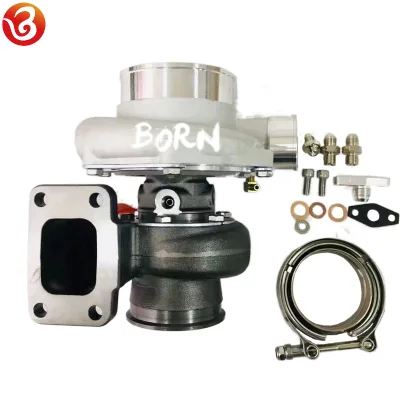
Performance Gt35 Gt3582r Turbine a/R. 63 Dual Ball Bearing Turbocharger
$289.00 - $339.00
MOQ: 1 Pieces


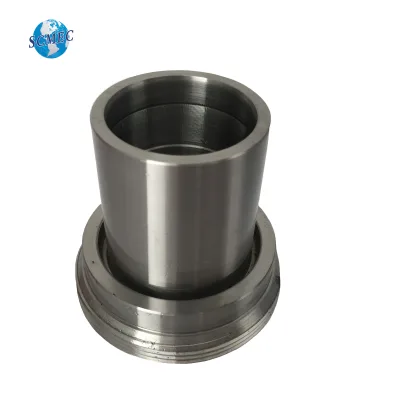
Turbocharger Ball Bearing 102855 for Enhanced Engine Turbocharger Performance
$126.50 - $133.00
MOQ: 10 Pieces






Comprehensive Sourcing Guide
Strategic Sourcing Guide for Dual Ball Bearing Turbocharger Systems
Procuring a Dual Ball Bearing Turbocharger requires a nuanced understanding of high-performance automotive components, precise dimensional tolerances, and the specific supply chain dynamics of the Chinese manufacturing sector. Buyers entering this market must navigate a landscape where technical specifications often overlap with generic industrial part numbers, necessitating rigorous verification to ensure the acquired components meet the demands of high-speed rotation and dual performance enhancement. This guide outlines the essential steps for evaluating, sourcing, and validating these critical engine components, drawing upon observed market data and technical attributes relevant to the sector.
Technical Specifications and Component Architecture
The core of a Dual Ball Bearing Turbocharger lies in its ability to support high-speed rotation while minimizing friction and maximizing durability. In the current market, these units are frequently categorized under specific model identifiers that denote their internal geometry and bearing configuration. Observed product data highlights several distinct model series, including the G35, G25550, and the GT35 GT3582R GTX3582 GTX3582R series. These designations often correlate with specific dimensional standards, such as the 10.228.255.2mm or 16×44×68mm configurations, which are critical for compatibility with existing engine manifolds and exhaust systems.
The bearing system itself is a primary differentiator. While some listings reference a Precision Grade of P4 (ABEC-5), indicating a high level of manufacturing accuracy, the specific application of dual ball bearings is often linked to the "Core Advantages" of the unit. These advantages typically include dual performance enhancement, ensuring rapid spool-up and sustained power delivery, alongside durability and reliability under thermal stress. The turbine component is frequently described as an axial-flow type, designed to efficiently convert exhaust gas energy into mechanical power. Buyers must verify that the "ETS Component" designation aligns with the specific turbine housing requirements of their engine, as the turbine and compressor sections must be perfectly balanced to prevent vibration at high RPMs.
Compliance, Certification, and Material Standards
When sourcing industrial-grade turbochargers, compliance with international standards is non-negotiable. The market data indicates that suppliers often cite certifications such as ISOCE, RoHS, and TSETS. While these acronyms suggest adherence to environmental and safety protocols, buyers must request physical documentation to verify the current status of these certifications for the specific batch being purchased. The "universal" standard mentioned in product attributes suggests a broad compatibility, yet this does not replace the need for specific engineering validation.
Material composition is another critical factor. The body material for these units is frequently listed as steel, chosen for its ability to withstand the extreme temperatures and pressures generated within the exhaust stream. However, the specific alloy grade is rarely detailed in general listings. Buyers should insist on material test reports that confirm the steel composition meets the thermal and mechanical requirements of their specific application. Furthermore, the precision grade of the bearings, such as the observed P4 (ABEC-5) rating, must be verified against the operational speed requirements of the engine. High-speed rotation support is a claimed advantage, but without verified material data and precision certification, this claim remains an observation rather than a guaranteed performance metric.
Cost Drivers and Pricing Dynamics
The pricing structure for dual ball bearing turbochargers in the B2B market exhibits a wide variance, with observed ranges spanning from 1 to 100,000 USD. This broad spectrum reflects differences in model complexity, material quality, customization levels, and order volume. The "Lowest" price attribute observed in some listings should be treated with caution; it often indicates a baseline model or a promotional entry point rather than the cost of a fully customized, high-performance unit.
Several factors drive the final cost. Customization is a significant variable, with options available for neutral packing or designs according to customer specifications. Units requiring specific packaging, such as a dedicated packaging box versus neutral packing, may incur different logistical costs. Additionally, the lead time, observed at 30 days for standard orders, can impact pricing if expedited shipping is required. Payment terms, typically listed as TT (Telegraphic Transfer) or LC (Letter of Credit), also influence the financial structure of the deal. Buyers should understand that the lowest unit price often correlates with standard models, while custom engineering, specific precision grades, or specialized certifications will increase the total cost of ownership.
Typical Applications and Sector Suitability
Dual ball bearing turbochargers are engineered for versatility, making them suitable for a diverse range of sectors. The primary application domains identified include the automotive and industrial sectors. In automotive contexts, these units are designed to enhance engine performance through high-speed rotation support and dual performance enhancement, making them ideal for performance tuning or heavy-duty vehicle upgrades. The axial-flow turbine design is particularly effective in applications requiring efficient exhaust gas utilization.
Beyond automotive, the industrial sector presents significant opportunities for these components. The "High Speed" and "Two-Stroke" attributes observed in related product data suggest potential use in specialized industrial machinery, generators, or auxiliary power units where diesel fuel is the primary energy source. The reciprocating piston movement associated with these systems indicates compatibility with engines that rely on this specific mechanical action. Buyers must ensure that the specific model, such as the NJF378, NJF367, or TCBB61834 series, aligns with the mechanical interface of their target machinery. The "Colors" attribute, which often depends on customer requests, further highlights the customizability required for industrial branding and identification.
Supplier Evaluation and Verification Protocols
Selecting a reliable supplier is paramount when dealing with high-precision components like turbochargers. The supply chain for these units is heavily concentrated in regions such as Anhui, China, where numerous manufacturers operate. However, the presence of a location does not guarantee quality. Buyers must evaluate suppliers based on their ability to provide verifiable evidence of their claims. This includes requesting detailed specifications for models like the 102855, 164468, or 133566 to ensure they match the required dimensional standards, such as 719.838.26 mm or 61834.2 mm.
A robust evaluation process should include a review of the supplier's customization capabilities. The ability to offer "Netural Packing or According to Customers' Design" is a standard offering, but the quality of the design implementation varies. Buyers should assess the supplier's history with similar projects and their responsiveness to specific engineering queries. Furthermore, the "Quality: High Level" attribute observed in listings is a subjective claim. To validate this, buyers should request third-party inspection reports or references from previous clients in the same industry. The lead time of 30 days is a standard benchmark, but consistency in meeting this deadline is a key indicator of supplier reliability.
Quality Control and Long-Term Procurement Strategy
Quality control in the turbocharger market extends beyond the initial purchase. Given the critical nature of these components, a comprehensive quality assurance strategy is essential. This begins with verifying the "Core Advantages" of the unit, specifically the durability and reliability claims. Buyers should implement a sampling protocol to test the high-speed rotation support and dual performance enhancement capabilities of the received units. The precision grade, such as P4 (ABEC-5), must be confirmed through dimensional inspection and balance testing.
Long-term procurement considerations involve establishing a relationship with a supplier who can support the lifecycle of the product. This includes availability of spare parts, technical support for installation, and the ability to handle future customization needs. The "Lowest" price strategy should be balanced against the total cost of ownership, which includes maintenance, potential downtime, and the risk of premature failure. Buyers should also consider the payment terms, such as TT or LC, to mitigate financial risk. By focusing on suppliers who can provide transparent documentation regarding their standards, certifications, and material compositions, buyers can ensure a sustainable and reliable supply chain for their Dual Ball Bearing Turbocharger needs.
Comparative Analysis of Key Product Attributes
To assist in the decision-making process, the following table summarizes the key attributes observed in the market for Dual Ball Bearing Turbocharger systems. This comparison highlights the variability in models, standards, and features that buyers must evaluate.
| Attribute Category | Observed Specification/Value | Verification Requirement |
|---|---|---|
| Product Models | G35, G25550, GT35, 102855, NJF378, TCBB61834 | Match specific engine interface and dimensional needs. |
| Dimensions | 10.228.255.2mm, 16×44×68mm, 61834.2mm | Confirm exact fitment with existing housing. |
| Bearing Precision | P4 (ABEC-5) | Request material test reports for grade verification. |
| Material | Steel | Verify alloy composition and thermal resistance. |
| Certifications | ISOCE, RoHS, TSETS | Obtain current, batch-specific certification documents. |
| Packing | Neutral, Packaging Box, Custom Design | Confirm packaging protects against transit damage. |
| Origin | Anhui, China | Verify factory location and audit capability. |
| Lead Time | 30 Days | Confirm current capacity and potential delays. |
| Payment Terms | TT, LC | Align with company financial policies. |
By adhering to these guidelines and maintaining a rigorous approach to verification, buyers can successfully navigate the complexities of sourcing dual ball bearing turbochargers. The market offers a wide array of options, but success depends on the ability to distinguish between generic marketing claims and verified technical realities.
FAQs
What models are available for dual ball bearing turbochargers?
Available models include G35, G25550, GT35, and NJF series variants. These units support high-speed rotation and are designed for automotive and industrial sectors with specific dimensional standards.
Can I request custom packaging for these turbocharger units?
Yes, customization is available with options for neutral packing or designs according to customer specifications. Buyers can also request dedicated packaging boxes to suit specific logistical or branding needs.
What is the lead time for ordering these turbocharger components?
The standard lead time for these orders is 30 days. This duration applies to standard production runs, though expedited options may vary based on current factory capacity and order volume.
Which certifications are typically associated with these turbocharger products?
Products often cite ISOCE, RoHS, and TSETS certifications. Buyers should verify batch-specific documentation to ensure compliance with environmental and safety protocols for their specific application requirements.
What is the origin location for these turbocharger manufacturers?
The primary origin for these products is Anhui, China. This region hosts numerous manufacturers capable of producing components with the observed precision grades and material compositions for global distribution.
How are the bearing precision and material quality defined?
Bearings often feature a Precision Grade of P4 (ABEC-5) with steel body materials. These specifications support durability and reliability under thermal stress and high-speed rotation conditions in various engines.