Source Dual Blade Garden Hedge Trimmer for Lawn, Orchard, and Farm
Explore 30 verified listings for the Dual Blade Garden Hedge Trimmer, comparing specifications like power source, cutting width, and tractor compatibility. Buyers can evaluate options ranging from hand-held gasoline models to tractor-mounted sickle-bar mowers with CE and EPA certifications.
Key considerations
Products List


Dual Blade Electric Cordless Hedge Trimmer for a Perfectly Manicured Garden
$26.00 - $28.00
MOQ: 100 Pieces


Gasoline Hedge Trimmer Double Edged Blade
$2.85 - $2.99
MOQ: 999 Pieces
Ningbo Eastar Electromechanical Industrial Trading Co., Ltd.


60V DC Automatic Retract Function Garden Tools Tree Trimmer Hedge Trimmer
$136.00 - $146.00
MOQ: 10 Pieces


Hedge Trimmer Electric Gasoline Powered Hedge Trimmer Professional Garden Tool
$6800.00 - $6900.00
MOQ: 1 units


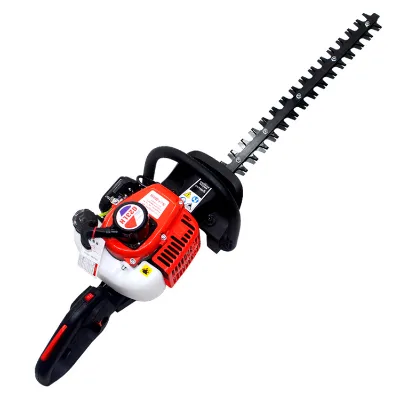

22.5cc Gasoline Hedge Trimmer Dual Blade Hedge Cutter Professional Garden Tools
$50.00 - $65.00
MOQ: 50 Pieces


Comprehensive Sourcing Guide
Strategic Sourcing Guide for Dual Blade Garden Hedge Trimmers
Understanding Dual Blade Technology and Operational Mechanics
When sourcing a Dual Blade Garden Hedge Trimmer, buyers must first distinguish the specific mechanical architecture that defines the product category. The core keyword "dual blade" refers to a configuration where two reciprocating blades move in opposition to each other, a design that significantly enhances cutting efficiency compared to single-blade systems. Based on the observed product attributes, the dual blade configuration is explicitly identified as a distinct feature, contrasting with single-blade alternatives found in the broader market. This mechanical arrangement is critical for achieving clean cuts on dense vegetation, as the opposing motion reduces the likelihood of material binding and allows for higher cutting speeds.
The operational mode of these tools is a primary differentiator. While some market offerings utilize a single-action mechanism where the blade moves in only one direction, the dual blade systems observed in this dataset are engineered for double-action operation. In a double-action mode, both blades reciprocate simultaneously, creating a shearing action that is generally more powerful and efficient for thick hedges. This distinction is vital for procurement professionals, as the double-action mechanism typically correlates with higher torque requirements and more robust motor or engine specifications. Buyers should verify that the specific unit they are evaluating explicitly states "Double Action" to ensure the dual blade system is functioning as intended for professional-grade trimming tasks.
The power source for these dual blade units varies, presenting two distinct categories for evaluation. One segment of the market offers electric-powered models, which are often lighter and suitable for residential or light commercial use. Another segment utilizes gasoline engines, providing the mobility and high power output necessary for extensive landscaping projects. The observed data indicates a specific engine match, such as the 1e32f model, paired with a rated power output of 0.6kW (0.9HP). This specific power rating suggests a compact, high-efficiency engine designed for handheld operation. When evaluating gasoline-powered dual blade trimmers, the mixed fuel ratio is a critical technical parameter. The standard mixture observed is 25:1, meaning 25 parts of gasoline to 1 part of two-stroke oil. Adherence to this ratio is essential for engine longevity and performance, and buyers must ensure that the supplier provides clear instructions on fuel preparation to prevent engine damage.
Technical Specifications and Performance Parameters
Technical specifications for dual blade hedge trimmers are not uniform across the market, and buyers must carefully scrutinize the data provided by potential suppliers. The physical dimensions of the cutting mechanism are paramount. While the dataset includes specifications for larger agricultural machinery with cutting widths of 1800mm, the handheld dual blade trimmers are designed for precision work. The cutting diameter for the blades is typically in the range of 2-3cm, which is suitable for trimming hedges and shrubs of moderate thickness. However, buyers must verify the actual cutting length and the gap between the blades, as these factors directly influence the tool's ability to handle different hedge densities.
The weight of the unit is another significant specification that impacts operator fatigue and maneuverability. While the dataset lists heavy-duty tractor-mounted units weighing 270kg, the handheld dual blade trimmers are designed to be portable. The specific model UW-JQ-E2 and UW-JQ-E1 represent the handheld category, where the weight is optimized for extended use. The tank capacity for gasoline models is observed at 0.6L, which indicates a balance between runtime and portability. A smaller tank reduces the overall weight but may require more frequent refueling during large-scale projects. Buyers should calculate the expected runtime based on the fuel consumption rate and the 0.6L capacity to determine if the unit meets the operational needs of their team.
The blade type is a defining characteristic of the dual blade system. The "Dual" blade type observed in the data confirms the presence of two reciprocating blades. This contrasts with the "Single" blade type found in other models. The dual blade configuration is generally preferred for its ability to cut through thicker branches without jamming. Additionally, the standard for these units is often defined by the engine displacement or the cutting width. For instance, the 22.5cc standard indicates a specific engine size class, which is a common benchmark for handheld gas-powered trimmers. Buyers should ensure that the supplier's product aligns with the 22.5cc standard if they require a specific power class, or verify the actual displacement if the standard is not explicitly stated.
Compliance, Certification, and Safety Standards
In the global B2B market, compliance with international safety and environmental standards is non-negotiable. The observed product data highlights several key certifications that buyers should look for to ensure the reliability and safety of the dual blade hedge trimmers. The most prominent certifications listed are CE and RoHS. The CE mark indicates conformity with health, safety, and environmental protection standards for products sold within the European Economic Area. For buyers targeting European markets, the presence of the CE certification is a mandatory requirement. The RoHS (Restriction of Hazardous Substances) certification ensures that the product does not contain specific hazardous materials, which is crucial for environmental compliance and worker safety.
Some models in the dataset also carry the EPA certification, which is particularly relevant for gasoline-powered equipment sold in the United States. The EPA certification verifies that the engine meets specific emission standards, reflecting the manufacturer's commitment to reducing environmental impact. When sourcing dual blade trimmers, buyers must verify that the specific model they intend to purchase holds the necessary certifications for their target market. Relying on a supplier's general claim of compliance without verifying the specific model's certification status can lead to regulatory issues and product recalls.
The origin of the product is another critical factor in compliance. The observed data indicates that the products originate from Yongkang, Jinhua, Zhejiang Province, China, a region known for its manufacturing of power tools. While this location is a hub for production, buyers should ensure that the manufacturing facility adheres to international quality management standards. The packaging standards, such as "Standard Export Cartons" or "1PC/Color Box," also play a role in ensuring the product arrives in good condition. Proper packaging is essential for protecting the dual blade mechanism during transit, as the sharp blades are susceptible to damage if not secured correctly.
Cost Drivers and Pricing Dynamics
The pricing of dual blade garden hedge trimmers is influenced by a complex interplay of factors, including power source, build quality, and certification status. The observed price range in the market spans from $2.85 to $8,877, a vast disparity that reflects the diversity of the product category. The lower end of the spectrum likely corresponds to basic electric models or single-action units, while the higher end includes heavy-duty gasoline models with advanced features. For dual blade trimmers, the cost is driven primarily by the engine quality, the durability of the blade assembly, and the presence of certifications like CE and EPA.
Buyers should be wary of prices that seem unusually low, as they may indicate compromised quality or a lack of necessary certifications. The MOQ (Minimum Order Quantity) range observed is from 1 to 999 units, offering flexibility for both small retailers and large distributors. However, the unit price often decreases as the order quantity increases. For buyers looking to source dual blade trimmers in bulk, negotiating based on the MOQ is a key strategy. The packaging type also affects the cost; units packed in "Iron Pallets" or "Standard Export Cartons" may have different shipping costs compared to those in "Color Boxes."
The power source is a significant cost driver. Gasoline-powered dual blade trimmers generally command a higher price than electric models due to the complexity of the engine and the need for fuel systems. The specific engine model, such as the 1e32f, and its power output of 0.6kW/0.9HP, contribute to the overall cost. Buyers should evaluate the total cost of ownership, including fuel consumption and maintenance, rather than focusing solely on the initial purchase price. The 25:1 mixed fuel ratio requirement also adds to the operational cost, as high-quality two-stroke oil is necessary for optimal performance.
Typical Applications and Operational Use Cases
Dual blade garden hedge trimmers are designed for a wide range of applications, from residential gardening to professional landscaping. The "Double Action" operation mode makes these tools particularly effective for dense hedges and thick shrubs, where single-blade systems might struggle. The "Hand-held" type classification indicates that these units are intended for manual operation, allowing for high maneuverability and precision. This makes them ideal for trimming hedges in tight spaces, around obstacles, and on uneven terrain.
The dataset also includes specifications for larger, tractor-mounted units with cutting widths of 1500mm to 1800mm and weights of 270kg. While these are not handheld dual blade trimmers, they illustrate the broader context of hedge trimming equipment. The dual blade handheld units are best suited for "Common Lawn" usage, as well as specific areas like "Soccer Field" and "Rugby Field" where precise trimming is required. The "Height Adjustable Handles" feature observed in some models enhances user comfort and allows for trimming at various heights without excessive bending or stretching.
For professional users, the "Professional Mowers" category includes dual blade trimmers that are part of a larger fleet of equipment. The "Tractor-Mounted" units with "Sickle-bar Mower" cutter types are designed for large-scale agricultural or municipal use, but the handheld dual blade trimmers serve as essential tools for detailed work. The "Applicable Area" of 1000-5000 square meters suggests that these tools are suitable for medium to large properties. Buyers should match the tool's specifications to their specific operational needs, ensuring that the dual blade system provides the necessary cutting power and efficiency for their intended applications.
Supplier Evaluation and Quality Control Protocols
Evaluating suppliers for dual blade garden hedge trimmers requires a rigorous approach to quality control and verification. The "Customization" attribute observed in the data indicates that many suppliers are willing to tailor products to meet specific buyer requirements. This could include customizing the blade type, power source, or packaging. Buyers should leverage this flexibility to ensure the product meets their exact specifications. However, customization should not come at the expense of quality.
Quality control protocols should focus on the integrity of the dual blade mechanism. Buyers should request samples to test the reciprocating action, ensuring that the blades move in true opposition without binding or excessive vibration. The "Standard Export Cartons" and "Iron Pallet" packaging options suggest that the supplier has experience in handling international logistics, which is a positive indicator of reliability. However, buyers should verify that the packaging is sufficient to protect the sharp blades during transit.
The "prod_origin" of Yongkang, Jinhua, Zhejiang Province, China, is a known manufacturing hub, but buyers should not assume quality based solely on location. They should request documentation of the manufacturing process, including quality assurance tests and inspection reports. The presence of certifications like CE, RoHS, and EPA should be verified with the relevant authorities to ensure authenticity. Additionally, buyers should inquire about the lead time and the supplier's ability to meet delivery schedules, as these factors can impact the overall procurement strategy.
Long-Term Procurement and Maintenance Considerations
Long-term procurement of dual blade garden hedge trimmers involves more than just the initial purchase; it requires a focus on maintenance, spare parts availability, and lifecycle management. The "Mixed Fuel Ratio" of 25:1 is a critical maintenance parameter that must be strictly followed to prevent engine failure. Buyers should ensure that the supplier provides clear instructions on fuel preparation and maintenance schedules. The "Rated Power Output" of 0.6kW/0.9HP indicates a specific engine class, and buyers should verify that spare parts for this engine model are readily available.
The "Blade Type" being "Dual" means that the blades are subject to wear and tear. Buyers should inquire about the availability of replacement blades and the cost of maintenance. The "Standard Export Cartons" packaging suggests that the product is designed for international markets, but buyers should also consider the local availability of service centers and technical support. For professional users, the ability to quickly repair or replace components is essential to minimize downtime.
Finally, buyers should consider the environmental impact of their procurement decisions. The "EPA" certification for gasoline models and the "RoHS" certification for all units indicate a commitment to environmental standards. Buyers should prioritize suppliers who demonstrate a strong track record of sustainability and compliance. By focusing on long-term considerations, buyers can ensure that their investment in dual blade garden hedge trimmers delivers value over the product's entire lifecycle.
Comparative Analysis of Product Attributes
To facilitate informed decision-making, the following table summarizes the key attributes observed in the Dual Blade Garden Hedge Trimmer market. This comparison highlights the variations in power, certification, and design that buyers should consider.
| Attribute | Observation A (Handheld Gas) | Observation B (Handheld Electric) | Observation C (Tractor-Mounted) |
|---|---|---|---|
| Power Source | Gasoline (25:1 Mix) | Electricity | Petrol / Gas |
| Blade Type | Dual | Single | Sickle-bar Mower |
| Operation Mode | Double Action | Single Action | Tractor-Mounted |
| Certification | CE, RoHS | CE | CE, EPA |
| Engine Model | 1e32f | N/A | N/A |
| Rated Power | 0.6kW / 0.9HP | N/A | N/A |
| Tank Capacity | 0.6L | N/A | N/A |
| Cutting Width | N/A | N/A | 1500mm / 1800mm |
| Weight | N/A | N/A | 270kg |
| Origin | Yongkang, China | China | China |
This table illustrates the diversity within the product category. While the dual blade handheld units are the focus of this guide, the presence of single-blade and tractor-mounted options underscores the importance of selecting the right tool for the specific application. Buyers should use this comparative framework to evaluate suppliers and ensure that the chosen product aligns with their operational requirements and budget constraints.
FAQs
How does the double action mode improve cutting efficiency?
The double action mode moves both blades simultaneously to create a powerful shearing action. This design reduces material binding and allows for higher cutting speeds compared to single-action systems, making it ideal for dense hedges.
What is the standard mixed fuel ratio for these gasoline models?
The standard mixed fuel ratio observed is 25 parts gasoline to 1 part two-stroke oil. Adhering to this 25:1 ratio is essential for engine longevity and performance, preventing damage caused by improper fuel preparation.
Which certifications are required for selling in European markets?
Products must carry the CE mark to indicate conformity with European health and safety standards. Many units also include RoHS certification to ensure they do not contain hazardous substances, which is mandatory for compliance in the European Economic Area.
Can I find models with adjustable handle heights for different users?
Yes, some professional mower models feature height adjustable handles to enhance operator comfort. This feature allows users to trim at various heights without excessive bending, reducing fatigue during extended use on common lawns or sports fields.
What is the typical tank capacity for the handheld gasoline units?
The observed tank capacity for these handheld units is 0.6 liters. This size balances runtime with portability, though buyers should calculate expected duration based on the 0.6L capacity and fuel consumption rate for large-scale projects.
Which blade type is used for the dual blade configuration?
The dual blade configuration uses two reciprocating blades that move in opposition to each other. This specific blade type contrasts with single-blade systems and is designed to cut through thicker branches without jamming for cleaner results.
How does the engine displacement affect the power output?
Units often follow a 22.5cc standard which correlates with a rated power output of 0.6kW or 0.9HP. This specific engine size class provides the necessary torque for handheld operation while maintaining a compact and efficient design for trimming tasks.