Source Dual Purpose Agricultural Tires for Tractors, Harvesters, and Loaders
Find 30 Dual Purpose Agricultural Tires designed for tractors, harvesters, and loaders. Buyers can compare specifications including tire size, tread patterns, and certifications from Chinese manufacturers to select the right option for their machinery.
Key considerations
Products List


Reliable Agricultural Vehicle Tire Sturdy Quality Agricultural Vehicle Tire
$98.00 - $120.00
MOQ: 50 Pieces


Agricultural Vehicle Tire Durable All Season Agricultural Vehicle Tire
$98.00 - $120.00
MOQ: 50 Pieces

Reliable Performance Premium High Quality Tires for Agricultural Vehicles
$100.00 - $300.00
MOQ: 10 Pieces


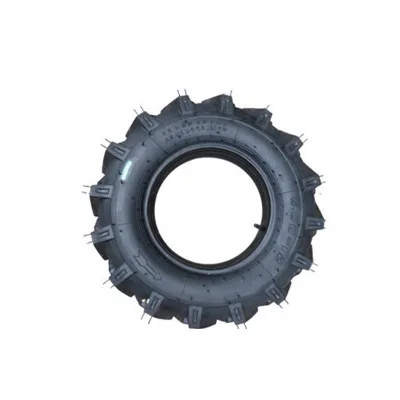


Top-Quality 9.5-24 Agricultural Tyres with Excellent Quality and Customization
$15.00 - $20.00
MOQ: 5 Pieces


Comprehensive Sourcing Guide
Strategic Sourcing Guide for Dual Purpose Agricultural Tires
Understanding Technical Specifications and Design Variants
When sourcing Dual Purpose Agricultural Tires, buyers must first navigate a complex landscape of technical specifications that define performance, durability, and compatibility. The term "dual purpose" implies a tire designed to operate effectively in both field conditions and on-road transport, requiring a balance between traction and wear resistance. Based on available product data, the market offers a diverse range of tread patterns, including the "Dual Purpose Tread Pattern" and "Cross-Country Tread Pattern," alongside "Transverse Pattern" designs. These variations are not merely aesthetic; they dictate the tire's ability to handle mud, soil compaction, and hard-packed surfaces while maintaining stability during transit.
A critical technical parameter is the tire diameter and size classification. The observed product range indicates significant variation, with some specifications listing diameters of 15-16 inches, while others explicitly state diameters of 22 inches or greater. Specific model numbers frequently encountered in this category include 11.2-24, 13.6-24, 12.4-24, and 12.5/80-18. For larger agricultural machinery, sizes such as 15.5/80-24 and 400/80-24 are prominent. Buyers must verify that the selected tire size matches the fitted rim specifications of their machinery, such as the "Agricultrail W" or "Dw Series" rims, to ensure proper seating and load distribution.
The internal construction of the tire is another vital technical consideration. The supply data distinguishes between "Tube" type tires and "Tubeless" or "Vacuum" tires. While some listings specify "Without Inner Tube," others explicitly mention the inclusion of an inner tube. This distinction affects the repairability and inflation pressure requirements of the tire. Furthermore, the cord material is a key indicator of structural integrity; steel wire is noted as a common cord material in the current market, providing the necessary reinforcement for heavy-duty applications involving loaders and heavy-duty trucks. The condition of the product is consistently listed as "New," and the color is standardly black, though the primary focus for procurement should remain on the structural specifications rather than cosmetic attributes.
Compliance, Certification, and Regulatory Standards
Navigating the regulatory landscape is essential for international procurement, as agricultural tires must meet specific safety and environmental standards depending on the destination market. The observed product data reveals a mix of certifications, including ECE, CCC, ISO, CE, and DOT. These acronyms represent different regulatory bodies: ECE (Economic Commission for Europe), CCC (China Compulsory Certification), ISO (International Organization for Standardization), CE (Conformité Européenne), and DOT (Department of Transportation, USA).
Buyers must exercise caution when interpreting these certifications. Not every listed product possesses every certification simultaneously. For instance, one product listing may feature ECE, CCC, ISO, CE, and DOT, while another might only list ECE, CCC, ISO, and DOT. The presence of "Reach" (Registration, Evaluation, Authorisation and Restriction of Chemicals) is also noted in specific standard descriptions, indicating compliance with European chemical regulations. When sourcing for the North American market, DOT certification is critical, whereas European buyers should prioritize ECE and CE compliance.
It is imperative to verify that the supplier can provide valid, up-to-date documentation for the specific batch of tires being purchased. The standard "15.5/80-24" or "12.4-28" mentioned in product data often serves as a reference model, but the actual compliance status must be confirmed for the specific order. Relying on general claims without verifying the certificate against the specific SKU can lead to customs delays or legal liabilities. Additionally, the "ISO" standard is frequently cited, but buyers should request the specific ISO standard number (e.g., ISO 9001 for quality management or specific tire performance standards) to ensure the manufacturing process meets international quality benchmarks.
Cost Drivers and Pricing Dynamics
The pricing structure for Dual Purpose Agricultural Tires is influenced by several variables, including size, construction type, and certification requirements. The observed price range in the market spans from $2 to $1,900 USD. This wide disparity reflects the difference between smaller, lighter-duty tires and large, heavy-duty radial or bias-belted tires designed for harvesters and tractors. A tire priced at the lower end of the spectrum is likely a smaller size with a simpler construction, while the higher-end products correspond to larger diameters (≥22") and more complex tread designs.
Minimum Order Quantity (MOQ) is another significant cost driver. The data indicates an MOQ range of 1 to 100 units. Buyers purchasing small quantities may face a higher per-unit cost or be subject to different shipping terms compared to those placing bulk orders. The "Export Packing" and "No Packing/Exporting Packing" options also influence the final landed cost. While "Nude Packing" might reduce packaging costs, it may increase the risk of damage during transit, potentially leading to higher insurance premiums or claims. Conversely, robust export packing ensures safety but adds to the material cost.
Lead times also impact the total cost of ownership. A standard delivery window of 4-5 weeks is observed in the supply data. Buyers must factor this into their production planning and inventory management. Rush orders or deviations from standard lead times may incur additional fees. Furthermore, the "Customization" attribute is listed as available for some products but "Non-Customized" for others. Customization, such as specific tread patterns or rim compatibility, typically commands a premium price and may extend the lead time. Buyers should evaluate whether the cost of customization justifies the operational benefits for their specific fleet.
Typical Applications and Machinery Compatibility
Dual Purpose Agricultural Tires are engineered to serve a broad spectrum of machinery, making them versatile assets for farms and agricultural contractors. The primary applications identified in the market data include tractors, harvesters, mobile bins, and loaders. The specific "Fitted Machinery" list highlights the need for tires that can handle the dynamic loads of these vehicles. For instance, tires designed for "Tractors, Harvesters" must withstand the torque and weight of heavy harvesting operations, while those for "Loader, Heavy Duty Truck" applications require high load-bearing capacity and stability.
The "Implment Tyre" category includes specific sizes like 400/60-15.5, 400/60-22.5, and 550/45-22.5, which are tailored for various agricultural implements. These tires often feature a "Dual Purpose Tread Pattern" to ensure they can transition smoothly from field work to road transport without excessive wear. The "Trailer Tyre" classification is also noted, specifically as a "Farm Tyre," indicating their suitability for pulling trailers loaded with crops or equipment.
Seasonality is another factor in application. The "All Season Tire" designation suggests that these products are designed to perform reliably across different weather conditions, reducing the need for seasonal tire changes. However, buyers should verify the specific tread depth and rubber compound suitability for their local climate. For example, a tire optimized for dry, hard-packed soil may not perform as well in wet, muddy conditions, even if marketed as "dual purpose." Understanding the specific operational environment of the machinery is crucial for selecting the right tire to maximize uptime and efficiency.
Supplier Evaluation and Market Analysis
Evaluating suppliers requires a careful assessment of their location, production capacity, and market focus. The data indicates that the primary origin for these tires is China, with specific mentions of "Qingdao City" as a manufacturing hub. This region is known for its concentration of tire manufacturing facilities, offering a wide range of options from small workshops to large-scale factories. The "Main Market" for these products varies, with some suppliers targeting North America and others focusing on Europe. This geographical focus often dictates the certifications held and the specific standards applied.
Buyers should verify the "OEM" (Original Equipment Manufacturer) acceptance status of the supplier. The data confirms that OEM services are accepted, meaning suppliers can produce tires to specific brand or design requirements. This is particularly relevant for large agricultural equipment manufacturers or fleets that require branded tires. However, the availability of OEM services does not guarantee quality; it is essential to audit the supplier's quality control processes and factory capabilities.
The "Classification" of the product as "Tires" is a broad category. Buyers should dig deeper into the supplier's specialization. Do they focus exclusively on agricultural tires, or do they produce a wide range of vehicle tires? Specialization often correlates with higher expertise and better quality control. Additionally, the "Condition" of the product is consistently listed as "New," but buyers should ensure that the supplier does not mix new and remanufactured tires in their inventory. Transparency regarding the production process and the ability to provide factory audits are key indicators of a reliable supplier.
Quality Control and Long-Term Procurement Strategy
Ensuring long-term value from agricultural tire procurement requires a robust quality control strategy. The "Cord Material" of steel wire is a positive indicator of durability, but buyers must verify the quality of the rubber compound and the curing process. The "Tread Pattern" design, whether "Dual Purpose," "Cross-Country," or "Transverse," must be consistent across the batch to ensure uniform wear. Inconsistent tread depth can lead to uneven wear patterns, reducing the lifespan of the tire and compromising safety.
Buyers should establish clear acceptance criteria based on the observed specifications. For example, if the order is for a 15.5/80-24 tire, the diameter must be verified against the ≥22" specification or the specific model number provided. The "Inner Tube" status must also be confirmed; a mismatch between the ordered "Tubeless" tire and a supplied "Tube" type can lead to installation failures. Regular inspections during the production phase and pre-shipment checks are recommended to catch any deviations early.
Long-term procurement considerations include the availability of spare parts and the supplier's ability to support after-sales service. While the data does not explicitly mention warranty terms, the "Customization" availability suggests that suppliers are willing to engage in long-term partnerships. Buyers should negotiate terms that include clear guidelines for handling defects, returns, and replacements. The "Delivery" time of 4-5 weeks should be factored into inventory planning to prevent stockouts during critical farming seasons. Finally, maintaining a relationship with a supplier who understands the specific needs of the agricultural sector can lead to better pricing and priority support during high-demand periods.
Summary of Key Sourcing Parameters
To facilitate quick decision-making, the following table summarizes the critical parameters observed in the dual purpose agricultural tire market. This comparison highlights the variability in specifications and the need for precise verification during the sourcing process.
| Parameter | Observed Range/Options | Verification Requirement |
|---|---|---|
| Certification | ECE, CCC, ISO, CE, DOT, Reach | Confirm specific certs for target market |
| Diameter | 15-16", ≥22" | Match to machinery rim specifications |
| Tire Type | Tube, Tubeless, Vacuum | Verify compatibility with rim and valve |
| Tread Pattern | Dual Purpose, Cross-Country, Transverse | Select based on field vs. road ratio |
| Size Models | 11.2-24, 13.6-24, 15.5/80-24, etc. | Cross-reference with OEM equipment manual |
| Packing | Export, Nude, No Packing | Assess risk of damage vs. cost savings |
| Lead Time | 4-5 Weeks | Plan inventory to avoid production delays |
| Origin | China (e.g., Qingdao City) | Verify factory audit and quality standards |
| MOQ | 1 - 100 Units | Negotiate based on volume and budget |
By adhering to these guidelines and maintaining a rigorous approach to verification, buyers can successfully navigate the dual purpose agricultural tire market, securing high-quality products that meet their operational needs while managing costs and risks effectively.
FAQs
What certifications are available for Dual Purpose Agricultural Tires?
Available certifications include ECE, CCC, ISO, CE, and DOT depending on the specific product listing. Buyers must verify that the exact batch holds the required certification for their target market, as not every listed tire possesses all these credentials simultaneously.
Which tire sizes are commonly offered for agricultural machinery?
Common sizes include 11.2-24, 13.6-24, 12.4-24, and larger models like 15.5/80-24. Specific diameters range from 15-16 inches up to 22 inches or greater, so buyers must match the tire size to their fitted rim specifications for proper load distribution.
Can I request customization for Dual Purpose Agricultural Tires?
Customization is available for some products but not all listed items. Buyers should confirm if specific tread patterns or rim compatibilities can be modified, as non-customized options may have shorter lead times and lower costs than bespoke requests.
How long is the standard delivery time for these tires?
The standard delivery window is typically 4 to 5 weeks from order confirmation. This lead time applies to standard orders, while rush requests or customized specifications may extend the timeline and potentially incur additional fees.
What is the minimum order quantity for sourcing these tires?
The minimum order quantity ranges from 1 to 100 units depending on the supplier and product type. Smaller orders may face higher per-unit costs, while bulk purchases often benefit from more favorable pricing and shipping terms.
Which cord materials are used in these agricultural tires?
Steel wire is a common cord material used to provide structural integrity for heavy-duty applications. This reinforcement is essential for tires fitted to loaders and heavy-duty trucks to ensure durability under high load conditions.