Source Dual Purpose Glass Oil Dispenser for Kitchen, Cooking Oil, Food
Find 30 Dual Purpose Glass Oil Dispenser options from verified suppliers. Compare capacities, shapes, and certifications like FDA and CE for kitchen and cooking oil applications.
Key considerations
Products List


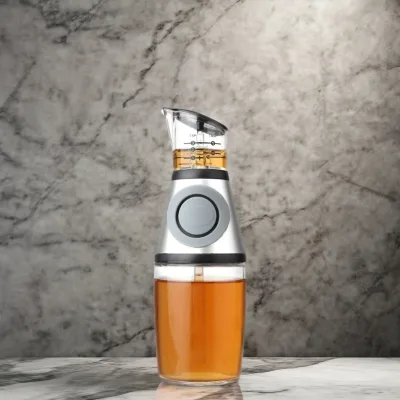


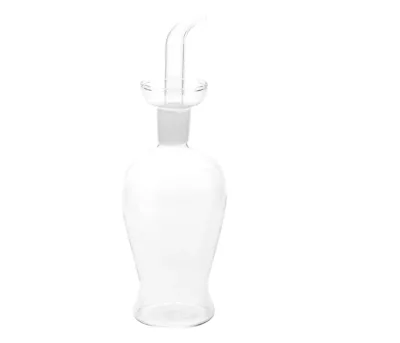


Kitchen 2-in-1 Olive Oil Sprayer Glass Bottle Oil Dispenser for Salad Baking
$0.68 - $0.75
MOQ: 200 Pieces


Comprehensive Sourcing Guide
Strategic Sourcing Guide for Dual Purpose Glass Oil Dispensers
The global market for kitchenware and food storage solutions continues to evolve, with a specific surge in demand for versatile, durable, and aesthetically pleasing dispensing systems. Among these, the dual-purpose glass oil dispenser has emerged as a critical category for both commercial food service operations and high-end residential procurement. These units are designed to handle viscous liquids like cooking oils and thinner liquids such as vinegar or soy sauce, often requiring distinct dispensing mechanisms to ensure precision and prevent dripping. Sourcing these products requires a disciplined approach that balances technical specifications, regulatory compliance, and supply chain reliability. This guide provides a comprehensive framework for buyers to navigate the procurement landscape, utilizing observed market data and verified product attributes to make informed decisions.
Technical Specifications and Functional Design
When evaluating dual-purpose glass oil dispensers, the primary focus must be on the material integrity and the mechanical design of the dispensing mechanism. The core material observed in the market is high-quality glass, specifically noted for its transparency and clarity. This transparency is not merely an aesthetic choice but a functional requirement, allowing users to monitor inventory levels of oil or vinegar without opening the container. The glass must be robust enough to withstand thermal shocks if used for warm oils, though specific temperature ratings should be verified against the supplier's technical data sheets.
The shape of the dispenser varies significantly across the market, ranging from elegant and classic designs to practical square or round configurations. For instance, some models feature an "Elegant Shape" with a capacity of 950ml, while others are optimized for smaller volumes, such as 300ml or 450ml, often found in square or narrow-mouth designs. The choice between a screw cap and a pump dispenser is a critical technical decision. Screw caps are common for simple storage, whereas pump dispensers are essential for the "dual purpose" functionality, offering controlled flow for both thick oils and thinner vinegars. The bottleneck design, often described as a narrow mouth bottle, is crucial for preventing spills and ensuring a tight seal.
Surface handling techniques, such as decal application, add a layer of customization that can be vital for branding in commercial settings. Buyers should verify that the surface treatment does not compromise the structural integrity of the glass. Furthermore, the physical dimensions, including length, width, and height, must align with storage constraints. Standardized dimensions like a height of 210mm and a width of 269mm are observed in specific models, but these will vary based on the volume capacity, which typically ranges from 100ml to 500ml or up to 950ml for larger dispensers.
Compliance and Certification Verification
In the food contact industry, compliance is non-negotiable. Any glass oil dispenser intended for use with edible oils, vinegars, or other food products must meet rigorous safety standards. The market data indicates that reputable suppliers often provide certifications such as CE / EU, FDA, and EEC. These certifications are not merely marketing labels but are essential indicators that the product has undergone testing for food safety, ensuring that the glass and any plastic components (like pumps or caps) do not leach harmful substances into the food.
Buyers must explicitly request and verify the validity of these certifications for each specific product model. For example, a model with the product code KG23075 or YH001 may carry specific certification claims that need to be cross-referenced with the latest regulatory updates in the target market. The presence of ROHS or ISO9001:2000 standards, while noted in background data, should be treated as supplementary information rather than primary proof of food safety. The primary verification must focus on FDA and EU compliance, which are the gold standards for food contact materials in North America and Europe, respectively.
Additionally, the sealing type plays a role in compliance. Rubber stoppers and screw caps must be made from food-grade materials. Buyers should ensure that the sealing components are tested for resistance to oil degradation and do not impart odors or flavors to the stored liquids. The "Recyclable" feature observed in some product attributes is also a significant compliance factor, aligning with modern environmental regulations and corporate sustainability goals.
Cost Drivers and Pricing Dynamics
The pricing of glass oil dispensers is influenced by a complex interplay of factors, including material quality, manufacturing complexity, and order volume. The observed price range in the market spans from $0.10 to $103.00 USD, a wide disparity that reflects the difference between basic bulk-pack items and premium, customized units with advanced dispensing mechanisms. The unit price is rarely static; it is heavily dependent on the Minimum Order Quantity (MOQ).
MOQs in this sector vary dramatically, ranging from as low as 1 piece to as high as 10,000 pieces. For a buyer seeking a dual-purpose dispenser with a pump mechanism, the MOQ might be set at 2,000 pieces, whereas a simpler screw-cap model might have a lower threshold of 1,000 pieces. The cost per unit decreases significantly as the order volume increases, but the initial capital outlay rises. Buyers must calculate the total landed cost, which includes the unit price, shipping, and potential tariffs.
Packaging is another significant cost driver. Products may be supplied in bulk packs, cartons, or individual color boxes. A "Suit" or "Color Box" packaging option adds to the unit cost but may be necessary for retail presentation. Conversely, bulk packing in cartons with pallets is more economical for industrial buyers. The origin of the product, whether from Anhui, Jiangsu, or Shandong in China, can also influence logistics costs and lead times, which indirectly affects the overall cost structure.
Typical Applications and Usage Scenarios
The versatility of dual-purpose glass oil dispensers makes them suitable for a wide array of applications. The primary usage is in the kitchen, specifically for cooking oil and vinegar storage. However, the "Food, Tableware, Tools" classification suggests broader utility. In commercial settings, these dispensers are essential for salad bars, restaurants, and catering services where quick, hygienic dispensing of condiments is required. The "Classic" and "Elegant Shape" designs are particularly suited for upscale dining environments where presentation is as important as function.
For residential use, the "Adult" age group designation indicates that these products are designed for general household consumption. The ability to switch between oil and vinegar makes them ideal for home kitchens that value space efficiency. The "Glass Oil Dispenser" type is preferred over plastic alternatives due to the non-porous nature of glass, which prevents staining and odor retention over time. The "Recyclable" attribute further enhances their appeal in eco-conscious households.
The specific application of "Cooking Oil" versus "Oil and Vinegar" dictates the required dispensing mechanism. A narrow mouth bottle with a pump dispenser is ideal for controlling the flow of thick oils, while a screw cap might suffice for vinegar. Buyers should assess their specific usage patterns to determine the optimal configuration. Whether for a high-volume commercial kitchen or a boutique home collection, the application dictates the necessary durability and design features.
Supplier Evaluation and Geographic Considerations
Selecting the right supplier is a critical step in the procurement process. The supply chain for glass oil dispensers is concentrated in specific regions of China, with notable manufacturing hubs in Anhui, Jiangsu, and Shandong. Each region may have different specializations; for instance, some suppliers may focus on high-volume production of standard models, while others specialize in customized, elegant designs.
When evaluating suppliers, buyers should look for evidence of customization capabilities. The availability of "Customization" is a key attribute that allows buyers to tailor the product to their brand identity, including specific colors, shapes, or logo placement via decal processes. The product model numbers, such as TW66LK99 or NRGLY-02, serve as unique identifiers for specific configurations. Buyers should verify that the supplier can consistently produce the exact model required, as variations in the production line can lead to inconsistencies in quality.
Payment terms are another critical factor in supplier evaluation. Standard terms observed include T/T (Telegraphic Transfer) and LC (Letter of Credit). These terms offer varying levels of security for both parties. A Letter of Credit can provide assurance for large orders, while T/T is common for established relationships. The "Packing" method, whether it is "1set/Color Box, 8sets/CTN" or "Carton+Pallet, Sea Shipping," also reflects the supplier's logistical capabilities and experience in handling international shipments.
Quality Control and Long-Term Procurement
Ensuring consistent quality is paramount when sourcing glass products. The fragility of glass necessitates rigorous quality control measures throughout the manufacturing and shipping process. Buyers should implement a quality control plan that includes pre-shipment inspections to check for defects such as cracks, bubbles, or imperfections in the glass surface. The "Surface Handling" process, such as decal application, must be inspected for durability and adhesion.
Long-term procurement considerations involve building a relationship with a supplier who can maintain consistency over time. This includes verifying that the "Standard" dimensions and capacities remain stable across different production batches. For example, a 950ml capacity should not fluctuate significantly between orders. The "Feature" of being recyclable should be maintained, ensuring that the product remains compliant with evolving environmental standards.
Buyers should also consider the lead time and the reliability of the supply chain. While specific lead times are not provided in the data, the complexity of the product (e.g., pump dispensers vs. simple caps) will influence production time. Establishing a clear communication channel with the supplier regarding potential delays or changes in raw material availability is essential for maintaining inventory levels. Ultimately, the goal is to secure a supply of high-quality, compliant, and aesthetically pleasing glass oil dispensers that meet the specific needs of the buyer's market, ensuring customer satisfaction and brand integrity.
FAQs
What certifications do dual purpose glass oil dispensers typically hold?
Reputable models often carry CE/EU, FDA, and EEC certifications to ensure food safety. These standards verify that the glass and components like rubber stoppers do not leach harmful substances into oils or vinegars.
Which closure types are available for glass oil dispensers?
Buyers can choose between screw caps and pump dispensers depending on the liquid viscosity. Screw caps suit simple storage, while pump dispensers offer controlled flow for both thick oils and thinner vinegars.
Can I customize the shape and capacity of these dispensers?
Customization is available for elegant, round, or square shapes with capacities ranging from 300ml to 950ml. Surface handling like decal application allows for branding while maintaining structural integrity for kitchen use.
What is the typical MOQ for ordering these glass dispensers?
Minimum order quantities vary significantly, ranging from 1 piece to 10,000 pieces depending on the model. Specific models may require 2,000 or 1,000 pieces, with pricing decreasing as volume increases.
How are these glass dispensers packaged for shipping?
Packaging options include bulk packs, cartons, or individual color boxes depending on the supplier. Some configurations use carton and pallet setups for sea shipping to ensure safe transport of fragile glass items.
Which materials are used to construct these oil dispensers?
The primary material is high-quality transparent glass, chosen for its clarity and non-porous nature. This material prevents staining and odor retention, making it ideal for storing cooking oils and vinegars.