Source Dual Pulley Adjustable Bird Trainer for Gyms
Find the Dual Pulley Adjustable Bird Trainer for commercial gyms, home fitness, and professional clubs. Compare 30 models with steel frames, manual power, and customizable options to find the right equipment for your facility; compare the available evidence and request quotations based on your requirements.
Key considerations
Products List

Commercial Gym Equipment Dual Adjustable Pulley Multi Functional Trainer
$690.00 - $720.00
MOQ: 1 Pieces


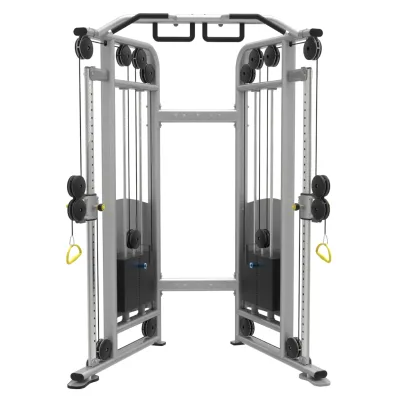

Multi-Functional Trainer with Dual Adjustable Pulleys for Full Body Strength Training
$1160.00 - $1260.00
MOQ: 2 Pieces

Source Factory Little Flying Bird Gym Commercial Multi Functional Trainer
$1160.00 - $1260.00
MOQ: 2 Pieces

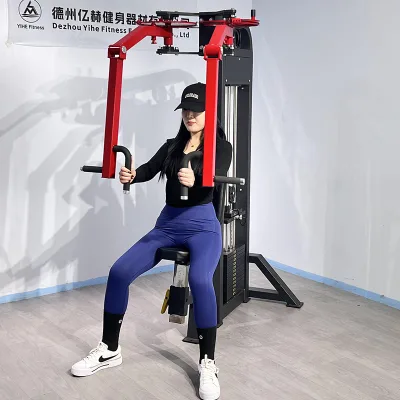
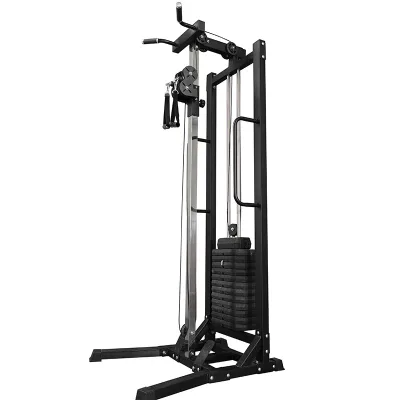

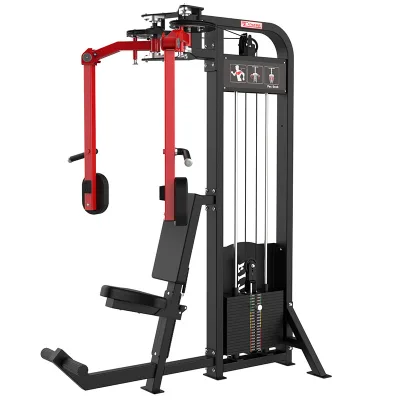


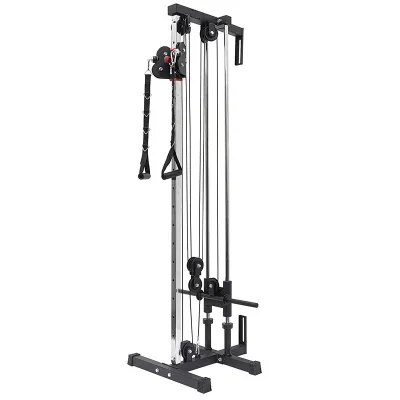
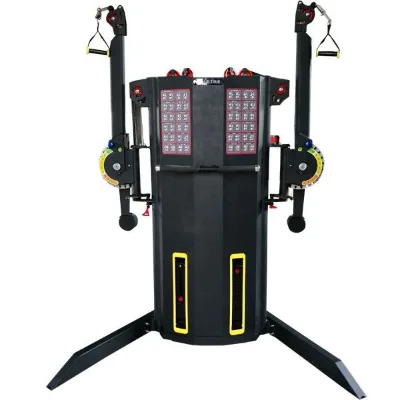


Commercial Gym Equipment Big Bird Multi Function Adjustable Cable Crossover Trainer
$1299.00 - $2576.00
MOQ: 5 Pieces

Comprehensive Sourcing Guide
Dual Pulley Adjustable Bird Trainer Sourcing Guide
Procuring dual pulley adjustable bird trainers requires a nuanced understanding of commercial fitness equipment specifications, as the term often intersects with multi-functional gym stations rather than avian care products. Buyers must distinguish between specialized animal training apparatus and human fitness machinery that shares similar mechanical principles, such as adjustable resistance and pulley systems. The core keyword suggests a need for versatile strength training equipment, typically found in commercial gyms or home fitness centers, where dual pulley mechanisms allow for simultaneous upper-body exercises. Understanding this distinction is critical to avoid sourcing errors, as the market for actual bird training tools is vastly different from the robust steel-based fitness equipment often listed under similar search terms.
The sourcing landscape for these machines is dominated by manufacturers specializing in integrated gym trainers, with a significant concentration of supply originating from China. These suppliers typically offer customizable options, including logo placement and color variations, to meet the branding needs of fitness centers and commercial clubs. Buyers should focus on products labeled as "Dual Adjustable Pulley Multi Functional Trainers" or "Adjustable Pulley Multi Functional Trainers," which are designed for bodybuilding and muscle exercise. Verifying the exact product name and intended usage scenario ensures that the procurement aligns with the goal of acquiring durable, high-capacity fitness equipment rather than niche animal care items.
Product Scope and Observed Listing Signals
The observed product listings reveal a clear focus on heavy-duty, integrated gym trainers designed for both home and commercial use. Key attributes include a steel construction with a thickness of 2.7mm, ensuring durability for high-frequency use in professional gyms and clubs. The equipment is characterized by its large footprint, with dimensions ranging from 112015802420mm to 120015402420mm, indicating a substantial installation requirement. These signals suggest that buyers are seeking robust, stationary equipment capable of supporting significant weight stacks, typically around 80kgs per side, to facilitate serious strength training routines.
Further listing details highlight the customization capabilities available to buyers, such as optional colors and customized logos, which are essential for commercial branding. The products are described as having an aesthetic and rugged appearance, with features like aluminum alloy handles and a two-layer painting process for corrosion resistance. The weight of the units themselves is substantial, often exceeding 200kg, which necessitates careful planning for floor loading and installation logistics. These observed signals confirm that the market is geared towards serious fitness infrastructure rather than lightweight or portable training aids.
Technical Specifications to Verify
When evaluating technical specifications, buyers must prioritize the structural integrity and dimensional accuracy of the dual pulley systems. The tube dimensions, such as 40*140mm, are critical for determining the machine's stability and load-bearing capacity. It is essential to verify the weight stack configuration, which typically involves dual stacks of 80kgs each, to ensure the equipment meets the desired resistance levels for advanced users. Additionally, the overall size specifications must be cross-referenced with the available floor space in the intended installation area, as the large footprint can impact facility layout and traffic flow.
The power source for these machines is manual, relying on gravity and weight stacks rather than electrical components, which simplifies maintenance and reduces operational costs. Buyers should also inspect the handle material, which is often aluminum alloy, to ensure comfort and durability during repetitive use. The folding status is consistently listed as unfolded, indicating that these are permanent installations rather than space-saving home units. Verifying these technical details against the supplier's datasheets is crucial to prevent mismatches between expected performance and actual product capabilities.
Compliance and Safety Documentation
Compliance with international safety and environmental standards is a non-negotiable aspect of sourcing commercial fitness equipment. The observed listings frequently mention certifications such as CE, ISO, and RoHS, which indicate adherence to European safety directives and environmental restrictions on hazardous substances. Buyers must request valid certification documents to verify that the manufacturer has undergone rigorous testing for structural integrity and electrical safety, if applicable. These certifications serve as a baseline for quality assurance and are often required by commercial gym operators and insurance providers.
In addition to formal certifications, buyers should assess the product's environmental attributes, such as the use of recyclable materials and eco-friendly manufacturing processes. The robustness of the equipment, described as strong and stable, contributes to user safety by preventing bumps and ensuring good sealing of moving parts. It is advisable to inquire about the specific safety mechanisms integrated into the pulley system, such as anti-slip features or secure locking mechanisms, to protect users during intense workouts. Ensuring that all safety documentation is up-to-date and verifiable mitigates liability risks for the end-user.
Cost Drivers and Commercial Terms
The cost of dual pulley adjustable bird trainers is influenced by several key factors, including material quality, customization options, and shipping logistics. The use of high-grade steel and aluminum alloy components drives up the base price, while customization services like logo printing and color selection add additional fees. Buyers should also consider the packaging requirements, which typically involve plywood cases to protect the equipment during transit, adding to the overall shipping cost. Understanding these cost drivers helps in creating a realistic budget and negotiating favorable terms with suppliers.
Commercial terms such as the minimum order quantity (MOQ) and payment conditions play a significant role in the procurement process. While some suppliers offer an MOQ of just one piece, others may require larger orders to achieve economies of scale. The observed price range varies widely, reflecting differences in specifications and customization levels. Buyers should clarify the lead times and shipping methods, such as sea freight, to ensure timely delivery. Negotiating clear terms regarding warranty and after-sales support is also essential to protect the investment and ensure long-term operational reliability.
Supplier Qualification and Quality Control
Supplier qualification is a critical step in ensuring the reliability and quality of the sourced equipment. Buyers should verify the manufacturer's production capabilities, including their experience in manufacturing integrated gym trainers and their ability to meet specific technical requirements. Requesting factory audits or third-party inspection reports can provide valuable insights into the supplier's quality control processes and production standards. This due diligence helps to identify reputable suppliers who can consistently deliver high-quality products that meet safety and performance expectations.
Quality control measures should extend beyond the initial production phase to include pre-shipment inspections and final product verification. Buyers should establish clear acceptance criteria based on the observed specifications, such as tube thickness, weight stack accuracy, and surface finish. Implementing a rigorous quality control protocol helps to catch defects early and ensures that the delivered equipment matches the agreed-upon standards. Collaborating with suppliers to address any quality issues promptly is essential for maintaining a positive business relationship and ensuring customer satisfaction.
Long-Term Procurement Checks
Long-term procurement success depends on establishing ongoing relationships with suppliers who can provide consistent quality and support. Buyers should regularly review supplier performance metrics, including delivery times, product quality, and responsiveness to inquiries. Maintaining open communication channels allows for the timely resolution of any issues that may arise during the procurement process. Building a strong partnership with reliable suppliers ensures access to the latest product innovations and favorable pricing terms over time.
Additionally, buyers should stay informed about industry trends and regulatory changes that may impact the sourcing of fitness equipment. Regularly updating procurement strategies to align with market developments helps to maintain a competitive edge and ensures compliance with evolving safety standards. Conducting periodic reviews of the installed equipment's performance and user feedback can also inform future purchasing decisions. By adopting a proactive approach to long-term procurement, buyers can optimize their fitness infrastructure investments and support the success of their commercial operations.
FAQs
What certifications does the Dual Pulley Adjustable Bird Trainer have?
The equipment carries CE, ISO, and RoHS certifications to ensure safety and compliance. These standards verify that the steel construction meets international quality requirements for commercial and home gym use without compromising durability.
Can I customize the logo on this multi functional trainer?
Yes, customized logo options are available for this integrated gym trainer. Buyers can request specific branding on the aluminum alloy handles or steel frame to match their facility identity or commercial brand requirements.
What is the minimum order quantity for this adjustable pulley system?
The minimum order quantity is one piece for this Dual Pulley Adjustable Bird Trainer. This low MOQ allows buyers to test the product quality before committing to larger orders for their fitness center or gymnasium.
How is the Dual Pulley Adjustable Bird Trainer packed for shipping?
The unit is packed in a sturdy plywood case to ensure safe transport. This packaging method protects the 206kg weight stack and steel frame during sea shipping to international destinations like China or other global markets.
Which dimensions are standard for this integrated gym trainer model?
Standard dimensions include 1120 by 1580 by 2420mm or 1200 by 1540 by 2420mm depending on the specific model. These sizes accommodate professional gym and club environments while ensuring stability for strength training exercises.
What material is used for the frame of this trainer?
The frame is constructed from high-strength steel with a thickness of 2.7mm. This robust material ensures the equipment remains stable and strong during intense bodybuilding and muscle exercise routines for advanced fitness users.