Source Dual Probe Ultrasonic Distance Sensor for Industrial Automation
Find and compare 24 Dual Probe Ultrasonic Distance Sensor options from China. Evaluate models like U075 and KT40 series for gas detection, waterproof IP67 applications, and high-sensitivity industrial automation tasks; compare the available evidence and request quotations based on your requirements.
Key considerations
Products List



Comprehensive Sourcing Guide
Dual Probe Ultrasonic Distance Sensor Sourcing Guide
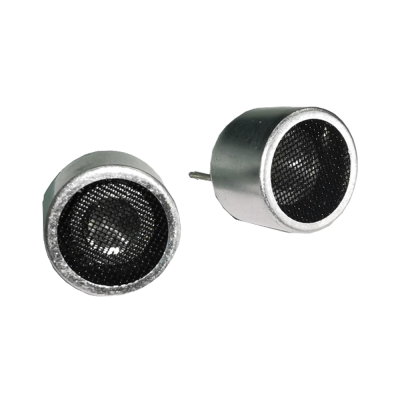
Procuring dual probe ultrasonic distance sensors requires careful attention to the specific probe configuration, as the dual probe design often separates the transmitter and receiver elements to enhance signal clarity and reduce interference. Buyers must verify that the listed product explicitly states a dual probe type, distinguishing it from single-probe integration models that may suffer from higher ringing times or reduced sensitivity in complex environments. The observed market data indicates a wide range of customization options, suggesting that standard off-the-shelf units may not meet precise application needs without specific configuration requests.
When evaluating listings, procurement teams should prioritize sensors that explicitly list "Dual Probe" as a primary attribute, ensuring the physical architecture matches the intended detection mode. The available data shows variations in probe types, including straight and dual configurations, which directly impact the measuring angle and detection range. A dual probe setup is particularly advantageous for applications requiring high sensitivity and direct reflection types, as it allows for optimized signal processing and improved performance in challenging industrial settings where standard sensors might fail.
Product Scope and Observed Listing Signals
The current market landscape for these sensors reveals a significant price variance, with observed listings ranging from $0.21 to $1905, reflecting differences in material quality, output signal types, and customization levels. Buyers must navigate this spectrum by correlating price points with specific attributes like the PC/ABS material construction or the ceramic production process, which often dictates durability and thermal stability. The minimum order quantities observed span from 1 to 5000 units, indicating that suppliers cater to both prototyping needs and large-scale industrial deployment, requiring careful negotiation of volume tiers.
Listing signals also highlight diverse output capabilities, with some units offering digital types while others provide analog signals, a critical distinction for system integration. The observed data includes specific models like the U075 and KT40 series, each with unique packing standards and dimensional specifications that must align with the buyer's mechanical constraints. It is essential to scrutinize the "Customization" attribute, as many suppliers offer tailored solutions for measuring angles, center frequencies, and terminal types, ensuring the final product fits the exact operational envelope of the target application.
Technical Specifications to Verify
Verification of the center frequency is paramount, as the supplied facts indicate a standard range of 40±1.5 kHz, though some listings specify 40±1 kHz or 40 plus or minus 1.5 kHz. Buyers must confirm that the ringing time, a critical factor for short-range accuracy, does not exceed 1.8ms, with some high-performance units achieving values as low as 1.36ms. The operating temperature range of -40 to +85 Celsius is a standard benchmark for industrial robustness, but procurement teams should validate that the specific unit selected maintains performance across the full thermal spectrum of the intended environment.
Electrical characteristics such as the maximum input voltage of 140vp-P and capacitance values around 1800±15% PF must be cross-referenced with the system's power supply and signal conditioning requirements. The detection mode, often listed as Direct Reflection Type, dictates how the sensor interacts with the target surface, while the waterproof rating of IP67 ensures reliability in harsh conditions. Additionally, the terminal configuration, such as the Xh2.54 * 2pin connector, must be compatible with the existing wiring harness to prevent costly integration errors during the assembly phase.
Compliance and Safety Documentation
Certification status is a non-negotiable aspect of procurement, with the observed data confirming the presence of both RoHS and CE certifications for the available sensor models. These certifications indicate compliance with environmental restrictions on hazardous substances and adherence to European safety standards, respectively, which are essential for exporting products to regulated markets. Buyers should request current certification documents to ensure that the specific batch of sensors being purchased maintains these valid statuses, as regulatory compliance can change over time or vary by production run.
Beyond certifications, the warranty terms provide a critical layer of protection for the investment, with the observed listings offering a standard one-year warranty period. This warranty should be reviewed to understand the scope of coverage regarding manufacturing defects, performance degradation, and the process for claiming replacements. Procurement teams must also verify the origin of the products, as the data points to China and specifically Shenzhen as the primary production locations, which may influence logistics, lead times, and the ease of communication with the manufacturing facility.
Cost Drivers and Commercial Terms
The total cost of ownership is heavily influenced by the level of customization required, as the observed data shows that many attributes like packing, standard dimensions, and even the production process can be tailored. Customized orders often incur higher unit costs and longer lead times compared to standard inventory items, so buyers must balance the need for specific performance metrics against the budget constraints. The observed MOQ range of 1 to 5000 units allows for flexibility, but larger orders typically yield better per-unit pricing, making volume planning a key strategic decision in the sourcing process.
Material composition and production processes also drive costs, with options ranging from PC/ABS plastic to ceramic-based production methods. Ceramic processes often offer superior thermal stability and durability, justifying a higher price point for applications in extreme environments. Buyers should analyze the trade-off between the standard "Aluminum (Color)" or "Black" finishes and the functional requirements of the application, ensuring that the selected material does not compromise the sensor's longevity or signal integrity in the field.
Supplier Qualification and Quality Control
Supplier qualification should focus on their ability to deliver consistent quality across the observed product range, which includes diverse models like the KT40-1431B and KT40-1231C. The presence of specific production processes like integration and ceramics suggests a mature manufacturing base, but buyers must verify the supplier's quality control protocols to ensure that every unit meets the specified capacitance and frequency tolerances. The ability to provide customization is a strong indicator of a supplier's technical capability, but it requires rigorous oversight to prevent deviations from the agreed-upon specifications during the production run.
Quality control checks must extend to the physical dimensions and packaging standards, as the observed data lists specific standard dimensions like length-74mm width-32mm height-18.6mm. Buyers should request sample units to verify that the actual product matches the listed specifications, particularly regarding the hole dimension of 19mm and the X-axis angle tolerances of 70±15 or 75±15 degrees. Consistent packaging, such as the 1300PCS Per Package standard or custom carton solutions, is also vital for protecting the sensors during transit and ensuring efficient inventory management upon arrival.
Long-Term Procurement Checks
Establishing a long-term procurement strategy requires regular audits of the sensor's performance in the field, particularly regarding the sensitivity levels which can vary between high and medium classifications. Buyers should monitor the actual operating conditions to ensure that the sensor's specified range and detection mode remain effective over time, as environmental factors like dust, moisture, or temperature fluctuations can degrade performance. The one-year warranty provides a baseline for accountability, but proactive maintenance and periodic recalibration checks are necessary to maintain optimal functionality in critical applications.
Future-proofing the supply chain involves maintaining a relationship with suppliers who can adapt to evolving technical requirements, such as changes in output signal types or frequency standards. The observed data shows a mix of digital and analog outputs, suggesting that the market is dynamic and responsive to different system architectures. Procurement teams should plan for potential obsolescence by ensuring that the selected sensors have a clear upgrade path or that the supplier can provide compatible replacements that maintain the same form factor and electrical characteristics.
FAQs
How does a Dual Probe Ultrasonic Distance Sensor improve measurement reliability?
A Dual Probe Ultrasonic Distance Sensor separates the transmitter and receiver functions, which reduces ringing time and residual reverberation so the sensor can detect closer distances with fewer false echoes. With Tx-Rx dual-use designs, ringing time is kept to 1.8 ms or less, supporting stable direct reflection detection in gas media across demanding industrial environments.
What operating temperature range can these ultrasonic sensors handle?
These sensors operate from -40 to +85 degrees Celsius, which covers cold outdoor installations as well as hot industrial equipment enclosures. At temperature extremes, the 40 kHz center frequency stays within its stated tolerance, though users should allow for minor sensitivity variation. Confirm mounting orientation and housing sealing when planning installations near the range limits.
Which protection level should I choose for wet or outdoor environments?
For wet, dusty, or washdown locations, choose the waterproof ultrasonic sensor type with an IP67 rating, which protects against temporary immersion and strong water jets. The housing is molded from PC/ABS or produced with a ceramic process, so check the material compatibility with your chemicals. Standard lower-rated models are better suited to dry, indoor control cabinets.
Can the sensors be customized for specific housing or electrical requirements?
Yes, customization is available across the range. Buyers can request custom capacitance values such as 1800 pF within a 15 percent tolerance, different packaging arrangements, custom standards, and modified mechanical dimensions. Terminal options include XH2.54 two-pin connectors, and analog or digital output types can be selected, so it is practical to match existing system interfaces rather than redesign circuits.
What electrical specifications matter when integrating the 40 kHz sensors?
Key values include a center frequency of 40 plus or minus 1.5 kHz, capacitance around 1800 pF within 15 percent, and a maximum input voltage of 140 Vp-P. Check the X-axis beam angle, which ranges from 70 to 75 degrees plus or minus 15 depending on the model, since it determines detection coverage. Ringing and aftershock times define the minimum blind zone in your design.
How should I evaluate suppliers before placing a volume order?
Compare certifications such as CE and RoHS, confirm the manufacturing location, and review customization capability against your mechanical and electrical specifications. Ask about packaging quantities, such as 1300 pieces per package for some models, and request warranty terms, which run one year on listed products. Sampling with your own drive electronics is the most reliable way to verify sensitivity and beam performance.