Source dual-purpose ceramic hair straightener for salon, hotel, and travel
Compare 30 listings of dual-purpose ceramic hair straightener with features like auto power-off, multi-temperature control, and rechargeable options. Explore models suitable for commercial, household, and professional use from verified Chinese suppliers.
Key considerations
Products List
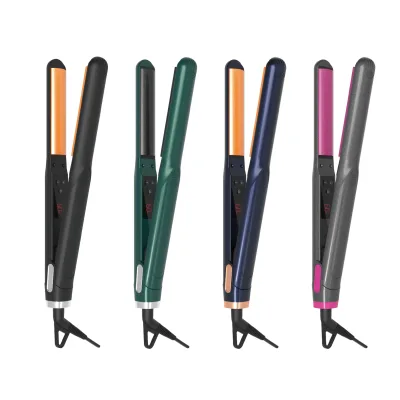
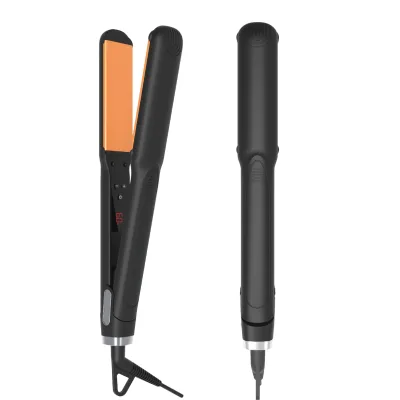
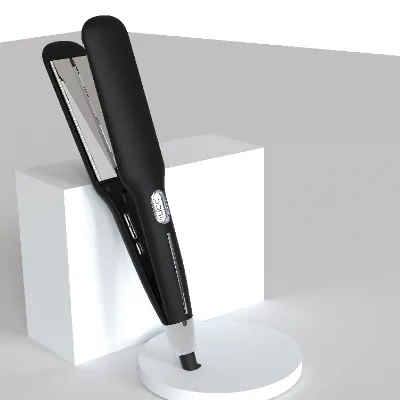
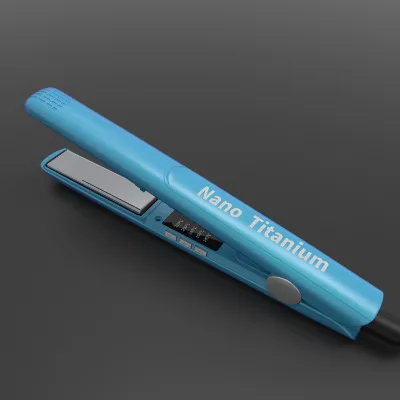
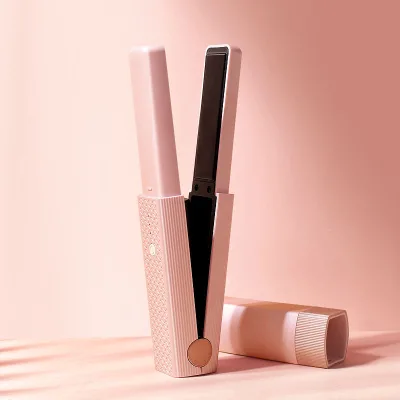


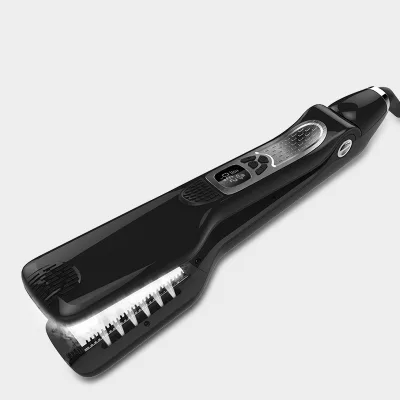


Professional Electric Ceramic Hair Straightener with Temperature Control Display
$8.91 - $11.79
MOQ: 1000 Pieces
Comprehensive Sourcing Guide
Strategic Sourcing Guide for Dual-Purpose Ceramic Hair Straighteners
Understanding the Product Category and Core Specifications
When sourcing a dual-purpose ceramic hair straightener, buyers must first distinguish between the broad category of styling tools and the specific functional attributes required for professional and commercial use. The market offers a variety of configurations, ranging from traditional flat iron plates to comb-style straighteners that integrate heating elements within a brush structure. The core keyword "dual-purpose" often implies a device capable of handling multiple styling tasks, such as straightening and curling, or a tool designed for both wet and dry application.
Based on observed product attributes in the current supply landscape, the technical foundation of these devices typically centers on specific material compositions and functional mechanisms. The primary material construction frequently involves a combination of ABS plastic, standard plastic, and metal components. This triad of materials ensures structural durability while managing heat distribution. The heating elements themselves are often described as ceramic-coated or integrated into the design to provide even heat distribution, which is critical for minimizing hair damage during styling.
The functional specifications observed in the market highlight several key capabilities that define a high-quality unit. These include auto power-off protection, a feature essential for safety in both household and commercial environments like hotels and hair salons. Additionally, multi-temperature degree control is a standard requirement, allowing stylists to adjust heat settings based on hair texture and thickness. Some advanced models in the supply chain also incorporate negative ion technology, which helps reduce static and frizz, and dual wet and dry functionality, enabling the device to be used on damp hair for faster styling.
The form factor varies significantly between models. While some units are traditional straightener irons with flat plates, others are designed as hair straightening combs or portable straighteners. These comb-style devices often feature a "Mini" or "Cordless" design, making them highly portable for travel or on-the-go professionals. The power source is predominantly electrical, though the "Rechargable" attribute is increasingly common, offering the flexibility of cordless operation. Buyers should verify the specific power source and charging capabilities of any model under consideration, as this directly impacts the workflow in a salon or the convenience for a traveling client.
Technical Performance and Functional Attributes
The technical performance of a dual-purpose ceramic hair straightener is defined by how well it executes its core functions while maintaining safety and efficiency. The presence of "Auto power off protection" is a non-negotiable safety feature for commercial-grade equipment. This function prevents the device from overheating if left unattended, reducing fire risks and extending the lifespan of the heating element. In the context of professional salons and hotels, where equipment may be used by multiple staff members or left on between clients, this feature is critical for compliance with safety standards.
Temperature control is another pivotal technical aspect. The "Multi-temperature degree" specification allows for precise thermal management. Different hair types require different heat levels; fine hair may be damaged by high heat, while coarse hair may require higher temperatures to achieve the desired style. A device that offers a wide range of adjustable temperatures provides the versatility needed to serve a diverse clientele. Furthermore, the integration of "Negative ion" technology is a significant performance differentiator. This feature works by emitting negative ions that neutralize the positive charges on hair strands, which are responsible for static and frizz. This results in smoother, shinier hair and can reduce the time required for styling.
The "Dual wet and dry" capability represents a significant functional advantage. Traditional ceramic straighteners often require hair to be completely dry before use to prevent steam burns and damage. However, models that support dual wet and dry functionality allow stylists to work on damp hair, potentially reducing overall styling time. This is particularly valuable in high-volume environments such as hair salons or hotel beauty services where efficiency is paramount. The ability to switch between wet and dry modes or to utilize the device safely in both conditions expands the utility of the tool.
Material science plays a crucial role in the performance of the heating plates. The use of metal in conjunction with ABS and plastic suggests a robust internal heating element encased in a durable housing. The ceramic coating, implied by the product category, is essential for even heat distribution. Uneven heating can lead to hot spots that damage hair or fail to style it effectively. Buyers should look for evidence of uniform heat distribution in product descriptions or test data, ensuring that the ceramic surface is consistent across the entire plate or comb teeth.
| Feature Category | Standard Observation | Strategic Value |
|---|---|---|
| Safety | Auto power off protection | Prevents overheating; essential for commercial use. |
| Temperature | Multi-temperature degree | Adapts to various hair types; prevents damage. |
| Technology | Negative ion / Ionic | Reduces frizz; enhances shine; improves finish. |
| Versatility | Dual wet and dry | Increases efficiency; allows styling on damp hair. |
| Portability | Cordless / Rechargable / Mini | Ideal for travel and mobile stylists. |
| Material | Abs, Plastic, Metal | Ensures durability and heat retention. |
Compliance, Certification, and Safety Standards
Navigating the regulatory landscape is a critical component of B2B procurement for electrical beauty appliances. The global market for hair styling tools is subject to stringent safety and electrical standards, which vary by region. When sourcing from manufacturers, particularly those located in major production hubs like China, buyers must verify that the products meet the specific certification requirements of their target markets.
The supply chain data indicates a comprehensive suite of certifications often associated with these products. These include CE, ETL, FCC, ROSH (likely referring to RoHS), PSE, KC, CB, GCC, BSMI, and JET. Each of these certifications represents compliance with specific regional or international standards. For instance, the CE mark indicates conformity with health, safety, and environmental protection standards for products sold within the European Economic Area. The ETL certification is a North American safety standard, while the FCC covers electromagnetic interference compliance in the United States.
RoHS (Restriction of Hazardous Substances) is a critical environmental standard that limits the use of specific hazardous materials in electrical and electronic equipment. This is increasingly important for buyers concerned with sustainability and environmental compliance. The PSE mark is mandatory for electrical products in Japan, while KC is the Korean certification. The CB scheme is an international certification system for electrical equipment, facilitating easier market entry into multiple countries. GCC certification is relevant for the Gulf Cooperation Council countries, and BSMI and JET are specific to Taiwan and Japan, respectively.
Buyers must not assume that a product listing implies full compliance with all these standards. Instead, they should request specific documentation, such as test reports or certificates of conformity, for the specific model and batch they intend to purchase. The presence of a certification claim on a product page is an observation, but the actual validity depends on the issuing body and the scope of the test. For example, a manufacturer may claim CE certification, but the buyer must verify if the specific model number, such as the HL675 or M11, is covered under that certificate.
In addition to electrical safety, buyers should consider the "Defectvie" rate mentioned in some product data, which is observed at 1%. While this is a specific observation, it highlights the importance of quality control. A high defect rate can lead to customer returns and reputational damage. Therefore, procurement strategies should include rigorous incoming quality inspection protocols to ensure that the actual defect rate in received shipments aligns with the supplier's claims.
Cost Drivers and Pricing Dynamics
The pricing of dual-purpose ceramic hair straighteners is influenced by a complex interplay of factors, including material costs, technological features, certification expenses, and order volume. The observed price range in the market spans from $3.20 to $68.00 USD. This wide disparity reflects the diversity of the product offerings, from basic, entry-level models to premium, feature-rich devices.
The lower end of the price spectrum, around $3.20, typically corresponds to simpler designs with fewer advanced features. These models may lack negative ion technology, have limited temperature control, or be constructed with more basic materials. They are often targeted at the budget-conscious consumer or bulk buyers looking for promotional items. In contrast, the higher end of the range, approaching $68.00, likely includes models with advanced features such as dual wet and dry capability, superior ceramic coatings, and comprehensive safety certifications. These models often target professional salons and high-end retail markets.
Order volume is a significant driver of cost. The observed Minimum Order Quantity (MOQ) ranges from 1 to 3000 units. Buyers purchasing small quantities, such as 1 unit, will likely pay a premium per unit due to the lack of economies of scale. Conversely, buyers placing large orders, potentially up to 3000 units, can negotiate significantly lower unit prices. The "Small Orders: Accepted" attribute suggests that some suppliers are flexible, allowing buyers to test the market with smaller batches before committing to large volumes. However, buyers should be aware that the unit price for small orders will be higher than the bulk rate.
Material costs also play a role in pricing. Models utilizing a combination of ABS, plastic, and metal, along with ceramic coatings, will generally cost more than those using only plastic. The inclusion of rechargeable batteries and cordless designs adds to the manufacturing complexity and cost. Additionally, the cost of obtaining and maintaining multiple international certifications (CE, ETL, FCC, etc.) is factored into the final price of compliant products.
Buyers should analyze the total cost of ownership, not just the unit price. Factors such as warranty terms, after-sales service, and the potential cost of returns due to defects should be considered. A slightly higher unit price for a product with a 1-year warranty and a "Return and Replacement" policy may offer better long-term value than a cheaper product with no support.
Typical Applications and Market Segmentation
The versatility of dual-purpose ceramic hair straighteners allows them to serve a wide range of applications across different market segments. The observed application categories include Commercial, Hair salon, Hotel, Household, Professional, Travel, Beauty, Garage, and Outdoor. This broad applicability indicates that these products are designed to meet the needs of both individual consumers and professional service providers.
In the Hair Salon and Professional sector, the demand is for high-performance tools that can withstand heavy daily use. Features like auto power-off protection, multi-temperature control, and negative ion technology are essential for stylists who need to deliver consistent results on diverse hair types. The "Dual wet and dry" capability is particularly valuable in this setting, as it allows for faster styling of clients with damp hair, increasing the number of clients a stylist can serve in a day.
The Hotel and Commercial segment requires durable, safe, and user-friendly devices. Hotels often provide hair styling tools in guest rooms or beauty centers, and these devices must be robust enough to handle use by various guests. Safety features like auto power-off are critical to prevent accidents. The "Cordless" and "Mini" attributes are also highly desirable in this context, as they offer convenience and reduce the risk of cord-related accidents in bathroom environments.
For the Household and Travel markets, portability and ease of use are paramount. The "Rechargable" and "Cordless" features make these devices ideal for travelers who need to style their hair on the go without access to a power outlet. The "Mini" size ensures that the device fits easily into luggage. The "Dual wet and dry" function is also beneficial for home users who may want to style their hair quickly after a shower.
The Beauty and Outdoor applications suggest a growing trend towards portable beauty tools. The ability to use the device in various environments, including "Garage" or "Outdoor" settings, indicates a design that prioritizes flexibility and durability. This is particularly relevant for mobile stylists or individuals who travel frequently for work or leisure.
Supplier Evaluation and Quality Control Protocols
Selecting the right supplier is a critical step in the procurement process. Buyers should evaluate potential suppliers based on their ability to meet technical specifications, provide necessary certifications, and maintain consistent quality. The "Origin" of the products is noted as China, a major manufacturing hub for beauty appliances. While this offers access to a wide range of products and competitive pricing, it also necessitates rigorous due diligence.
Suppliers should be assessed on their transparency regarding certifications. Buyers must request valid test reports and certificates for the specific models they are interested in. The presence of a broad list of certifications (CE, ETL, FCC, etc.) is a positive indicator, but the buyer must verify that these apply to the specific product batch. Additionally, the "After-sales service provided" attribute, specifically "Return and Replacement," is a strong indicator of a supplier's confidence in their product quality. Buyers should clarify the terms of this service, including the process for returns, the timeframe for replacement, and who bears the cost of shipping.
Quality control is another vital area of evaluation. The observed "Defectvie" rate of 1% provides a benchmark, but buyers should not rely solely on this figure. Instead, they should implement their own quality control measures, such as pre-shipment inspections or third-party testing. These inspections should verify that the products meet the specified material composition (ABS, Plastic, Metal), functional requirements (Auto power off, Multi-temperature), and safety standards.
Buyers should also consider the supplier's capacity to handle different order volumes. The MOQ range of 1 to 3000 units suggests flexibility, but buyers should confirm the supplier's ability to scale production if demand increases. Lead times and production capacity should be discussed early in the negotiation process to ensure that the supply chain can meet delivery deadlines.
Long-Term Procurement and Strategic Considerations
Sourcing dual-purpose ceramic hair straighteners is not just a transactional activity but a strategic decision that impacts long-term business operations. Buyers should consider the lifecycle of the product, including warranty support, maintenance requirements, and the potential for future upgrades. The "1 Year" warranty observed in some product data is a standard term, but buyers should negotiate for extended warranty periods or service level agreements that provide greater protection.
The trend towards "Cordless" and "Rechargable" devices suggests a shift in consumer preferences towards more portable and convenient solutions. Buyers should monitor these trends and consider stocking models that align with future market demands. The "Mini" and "Portable" attributes are likely to remain relevant, especially as travel and mobile beauty services continue to grow.
Furthermore, the integration of advanced technologies like "Negative ion" and "Dual wet and dry" is becoming a standard expectation rather than a luxury feature. Buyers should prioritize suppliers who can consistently deliver products with these features, as they offer a competitive advantage in the market. The ability to offer a wide range of applications, from "Commercial" to "Travel," allows buyers to diversify their product portfolio and cater to different customer segments.
Finally, buyers should establish strong relationships with their suppliers to ensure a stable supply chain. Open communication regarding quality issues, certification updates, and market trends can help mitigate risks and ensure that the procurement strategy remains aligned with business goals. By focusing on technical specifications, compliance, and long-term value, buyers can successfully source high-quality dual-purpose ceramic hair straighteners that meet the needs of their customers and drive business growth.
FAQs
What certifications do dual-purpose ceramic hair straighteners typically have?
These devices often carry multiple international safety certifications including CE, ETL, FCC, RoHS, PSE, KC, CB, GCC, BSMI, and JET. Buyers should verify specific model compliance rather than assuming all listed products meet every standard.
Can these straighteners be used on wet hair?
Yes, many models support dual wet and dry functionality for styling damp hair. This feature allows for faster styling in salons and hotels, though users must confirm the specific model supports this mode before purchase.
Which materials are used in the construction of these tools?
Common materials include ABS plastic, standard plastic, and metal components for durability and heat management. Some units also feature ceramic coatings to ensure even heat distribution and minimize hair damage during use.
How does the minimum order quantity vary for these products?
The minimum order quantity ranges from 1 to 3000 units depending on the supplier. Small orders are accepted by some vendors, allowing buyers to test products before committing to larger bulk purchases at lower unit costs.
What safety features are standard in these hair straighteners?
Auto power-off protection is a standard safety feature to prevent overheating and reduce fire risks. Multi-temperature control is also common, allowing users to adjust heat settings for different hair types and styling needs.
Where are these hair styling tools typically manufactured?
The majority of these products originate from China, which is a major production hub for electrical beauty appliances. Buyers should verify the specific origin and lead times associated with their chosen model and supplier.
What is the observed price range for these devices?
The observed price range spans from 3.2 to 68 USD per unit based on features and order volume. Lower prices often correspond to basic models, while higher prices reflect advanced features like negative ion technology and comprehensive certifications.