Source Durable Viscose Polyester Suiting Fabric for shirts uniforms and garments
Find 30 options for Durable Viscose Polyester Suiting Fabric tailored for shirts, uniforms, and garments. Compare specifications like composition, density, and features such as shrink-resistance and abrasion-resistance from suppliers in China.
Key considerations
Products List


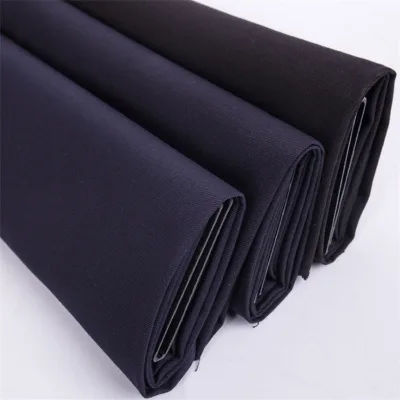


Hot Sale Polyester Rayon Viscose Tr Fabric for Mens Women Suits Fabric Suiting
$1.20 - $1.60
MOQ: 3000 Meters


High Quality Suit Material Polyester Viscose Twill Fabric Tr Suiting Fabric
$1.25 - $1.65
MOQ: 3000 Meters


Men's Trousers Pants Man Suit Fabric High Quality Stripe Polyester Viscose Suit Fabric
$0.60 - $1.20
MOQ: 3000 meters

Comprehensive Sourcing Guide
Strategic Sourcing Guide for Durable Viscose Polyester Suiting Fabric
Understanding the Technical Profile of T/R Suiting Fabrics
When sourcing Durable Viscose Polyester Suiting Fabric, buyers must first recognize that the core material is typically a blend of polyester and viscose, often designated as T/R fabric. The specific composition observed in high-quality market offerings frequently aligns with a 65% polyester and 35% viscose ratio. This blend is engineered to balance the durability and wrinkle resistance of synthetic fibers with the breathability and drape of natural cellulosic fibers. The fabric construction is critical for achieving the desired "suiting" quality, which implies a structure capable of maintaining a sharp silhouette while resisting wear.
The weave structure is a primary determinant of the fabric's performance. In the current market, air-jet loom weaving is a standard method for producing these textiles, offering high efficiency and consistent density. The resulting fabric density can vary, with specific configurations such as 91x79 threads per inch or 76x68 threads per inch being common observations. These density metrics directly influence the fabric's hand feel, opacity, and structural integrity. Furthermore, the yarn type plays a significant role; carded yarns are frequently utilized in these blends to ensure a soft texture, though the specific count of the yarn, such as 21S, 25S, or 32/2, will dictate the fineness and strength of the final cloth.
Buyers should also note that the fabric is available in plain dyed styles, which provides a versatile base for various garment applications. The standard specifications often include precise thread counts and weights, such as 250gsm or 160gsm, depending on the intended end-use. For instance, heavier weights around 205gsm or 250gsm are typical for structured garments, while lighter weights around 160gsm may be preferred for seasonal or casual suiting. The availability of customization allows manufacturers to adjust these parameters to meet specific client requirements, ensuring that the fabric meets the exacting standards of modern apparel production.
Compliance, Certification, and Quality Standards
In the global textile supply chain, compliance and certification are non-negotiable for buyers seeking reliable partners. When evaluating T/R suiting fabrics, it is essential to verify that the supplier adheres to recognized international standards. The market data indicates that certifications such as BCI (Better Cotton Initiative) and GRS (Global Recycled Standard) are available for certain product lines. These certifications are critical for brands with sustainability mandates, as they validate the ethical sourcing of raw materials and the environmental impact of the production process.
Beyond external certifications, the chemical safety of the fabric is paramount. A key quality indicator for suiting fabrics is the pH value, which should typically fall within the range of 4.5 to 7.5. This neutral to slightly acidic range ensures that the fabric is safe for direct skin contact and will not cause irritation or degrade the garment over time. Buyers must request test reports confirming that the pH balance has been maintained during the dyeing and finishing processes. Additionally, the fabric should meet specific performance standards regarding shrinkage and distortion. Features such as "shrink-resistant" and "anti-distortion" are often highlighted in product specifications, indicating that the fabric has undergone treatments to maintain its dimensions and shape after washing and wear.
The production standards also encompass the physical integrity of the material. Specifications like "2/2" twill or specific weave patterns (e.g., 99x52, 81x47) are often cited as benchmarks for quality. These numerical standards define the tightness and regularity of the weave, which directly correlates to the fabric's resistance to abrasion and pilling. When sourcing, buyers should ensure that the supplier can provide documentation proving that the fabric meets these specific standard codes. The absence of such documentation should be treated as a red flag, as it suggests a lack of quality control or adherence to industry norms.
Cost Drivers and Pricing Dynamics
The pricing of Durable Viscose Polyester Suiting Fabric is influenced by a complex interplay of factors, including raw material costs, production complexity, and order volume. The observed price range in the market is broad, spanning from approximately $0.60 to $3,000 per unit, though the latter figure likely represents bulk or specialized orders rather than standard per-meter pricing. For most procurement scenarios, the unit cost is driven by the specific blend ratio, the complexity of the weave, and the finishing treatments applied.
Order volume is a significant determinant of the final price. Minimum Order Quantities (MOQs) typically range from 1,000 meters to 3,000 meters, with some suppliers requiring up to 10,000 units for highly customized runs. Suppliers offering lower MOQs may charge a premium per meter to cover the setup costs of smaller production batches. Conversely, larger orders benefit from economies of scale, reducing the per-unit cost. The customization level also impacts pricing; options such as custom colors, specific packing requirements, or unique weave patterns will incur additional charges compared to standard off-the-shelf inventory.
Lead times and delivery terms further affect the total cost of ownership. While some suppliers offer delivery within 25 days, others may have longer lead times depending on the complexity of the order and the availability of raw materials. Buyers should factor in these timelines when calculating their overall procurement budget, as expedited shipping or rush orders often come with added costs. Additionally, the origin of the fabric, often cited as China or specifically Shandong, can influence logistics costs and tariffs, which must be considered in the total landed cost calculation.
Typical Applications and Functional Versatility
Durable Viscose Polyester Suiting Fabric is highly versatile, finding applications across a wide spectrum of garment categories. The primary use cases include shirts, uniforms, and formal wear. The fabric's ability to resist shrinkage and distortion makes it particularly suitable for uniforms that require frequent washing and maintenance without losing their professional appearance. The "plain dyed" style and "customized color" options allow designers to create cohesive brand identities for corporate uniforms or school attire.
Beyond uniforms, the fabric is ideal for creating structured garments such as blazers, trousers, and skirts. The specific density and weight of the fabric, ranging from 160gsm to 250gsm, provide the necessary body and drape required for suiting. The "air-jet loom" weave contributes to a smooth surface that is easy to cut and sew, reducing production waste and labor costs. Furthermore, the inclusion of features like "abrasion-resistant" and "anti-static" properties expands the fabric's utility to environments where durability and safety are paramount, such as workwear or industrial uniforms.
The customization capabilities of the fabric also support niche applications. Buyers can request specific finishes, such as waterproofing or flame retardancy, to meet industry-specific safety regulations. For example, the "flame retardant" feature is essential for uniforms used in high-risk environments, while "waterproof" treatments are valuable for outdoor workwear. The "man-made fiber fabric" classification ensures that the material is consistent in quality and performance, making it a reliable choice for mass production runs where consistency is key.
Supplier Evaluation and Sourcing Strategy
Selecting the right supplier is a critical step in the procurement process. Buyers should prioritize suppliers who demonstrate a clear track record of quality and reliability. An "over 30 years experience" in the factory is a strong indicator of stability and expertise, suggesting that the supplier has the technical knowledge to handle complex orders and resolve production issues efficiently. When evaluating potential partners, buyers should look for evidence of a "make to order" supply type, which indicates a flexible production model capable of adapting to specific client needs.
The supplier's location is another important factor. Many suppliers are based in China, with specific regions like Shandong emerging as hubs for textile production. Proximity to raw material sources and established logistics networks can reduce lead times and shipping costs. However, buyers should also consider the supplier's ability to communicate effectively and provide timely updates on order status. The availability of free samples, such as "2 yards," allows buyers to physically inspect the fabric's quality, texture, and color before committing to a large order.
Transparency in the supply chain is equally vital. Buyers should verify the supplier's ability to provide detailed product specifications, including composition, weave, and finishing details. The presence of certifications like BCI and GRS should be confirmed through valid documentation. Additionally, the supplier's packaging standards, such as "plastic bag inside, woven bag outside" or "roll" packaging, should be evaluated to ensure that the fabric arrives in optimal condition. A supplier who offers customized packing solutions demonstrates a commitment to meeting specific client requirements and minimizing damage during transit.
Quality Control and Long-Term Procurement Considerations
Implementing a robust quality control (QC) protocol is essential for maintaining the integrity of the supply chain. Buyers should establish clear acceptance criteria based on the observed specifications, such as the 65% polyester/35% viscose composition, the specific thread counts, and the pH value range. Regular inspections during production and before shipment can help identify defects early, preventing costly returns or rework. The "high quality" designation often seen in product listings should be backed by concrete test results and consistent performance data.
Long-term procurement considerations involve building a strategic relationship with suppliers who can scale with the buyer's needs. As order volumes grow, the ability to maintain consistent quality and pricing becomes increasingly important. Buyers should look for suppliers who offer flexible MOQs and can accommodate changes in design or specification without significant delays. The "customized" nature of the product allows for continuous improvement and adaptation to market trends, ensuring that the fabric remains relevant and competitive.
Finally, buyers should consider the environmental and social impact of their procurement decisions. Sourcing from suppliers with recognized certifications like GRS and BCI supports sustainable practices and aligns with corporate social responsibility goals. By prioritizing suppliers who adhere to high standards of quality, compliance, and sustainability, buyers can ensure a resilient and ethical supply chain that delivers value over the long term. The combination of technical expertise, reliable logistics, and a commitment to quality makes the Durable Viscose Polyester Suiting Fabric a valuable asset for any apparel manufacturer.
FAQs
What is the typical composition of Durable Viscose Polyester Suiting Fabric?
The fabric typically consists of 65% polyester and 35% viscose. This blend balances durability with breathability, making it suitable for shirts and uniforms while maintaining a sharp silhouette.
Which certifications are available for this type of suiting fabric?
Some product lines offer BCI and GRS certifications. These validate ethical sourcing and environmental impact, which are critical for brands with strict sustainability mandates and compliance requirements.
How does the pH value affect the safety of the fabric?
The pH value typically ranges from 4.5 to 7.5. This neutral to slightly acidic range ensures the fabric is safe for direct skin contact and prevents irritation or degradation over time.
Can buyers customize the color and packing of the fabric?
Yes, customization is available for both color and packing. Buyers can request specific colors and choose between roll packing or plastic and woven bag combinations to meet specific logistics needs.
What is the minimum order quantity for this fabric?
Minimum order quantities typically range from 1,000 to 3,000 meters. Some suppliers may require up to 10,000 units for highly customized runs, affecting the per-unit cost significantly.
How long is the delivery time for these suiting fabrics?
Delivery times are generally within 25 days. This timeline may vary depending on the complexity of the order and the availability of raw materials for the specific production batch.
What weaving method is used to produce this fabric?
Air-jet loom weaving is the standard method used for production. This technique offers high efficiency and consistent density, resulting in a smooth surface that is easy to cut and sew.