Source Durable Wooden Fruit Food Box for Jewelry, Food, Electronics
Compare 30 listings for the Durable Wooden Fruit Food Box from verified Chinese manufacturers. Buyers can evaluate customization options, material types, and pricing to find the right packaging for jewelry, health care products, and food items.
Key considerations
Products List







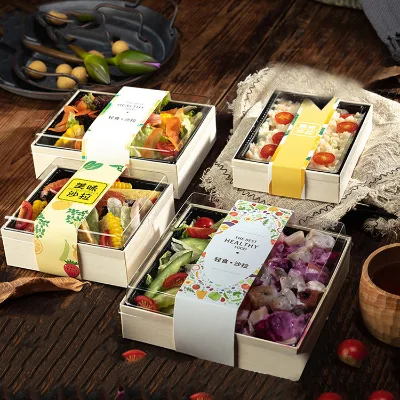


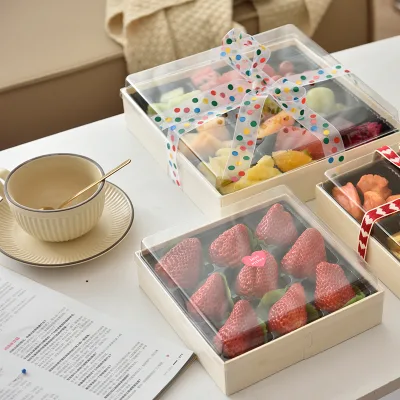
Comprehensive Sourcing Guide
Durable Wooden Fruit Food Box Sourcing Guide
Sourcing durable wooden fruit and food boxes requires a careful balance between aesthetic appeal, structural integrity, and regulatory compliance. These containers serve as premium packaging solutions that enhance product presentation while providing robust protection for delicate items. Buyers must navigate a market where customization is prevalent, allowing for tailored dimensions, shapes, and branding options to meet specific logistical and marketing needs. The following guide outlines the critical verification steps, technical considerations, and commercial terms necessary for successful procurement.
Product Scope and Observed Listing Signals
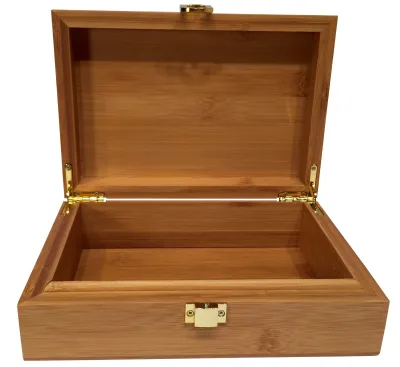
The market for wooden food containers is characterized by significant variability in design, material quality, and intended use. Observed listings indicate that these products are often marketed as portable, eco-friendly solutions suitable for a wide range of applications, including jewelry, health care products, electronics, toys, and food items. The primary material cited is solid wood, which is processed using techniques such as lacquering or varnishing to enhance durability and visual appeal. Buyers should note that while the core material is wood, the specific wood type and treatment methods can vary significantly between suppliers, impacting both the cost and the suitability of the box for direct food contact.
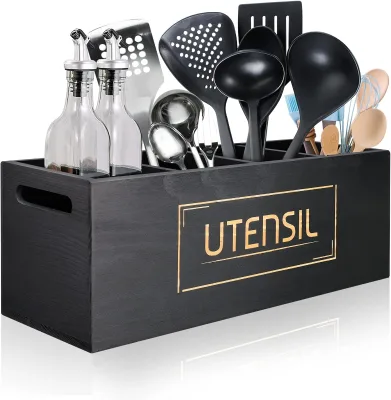
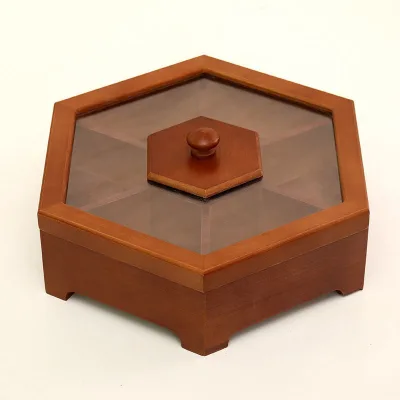
Customization is a dominant feature in this category, with suppliers frequently offering custom sizes, shapes, and colors to align with brand identity. Standard dimensions observed include specific package sizes such as 22x22x13 cm, but many manufacturers accept custom size requests to fit unique product requirements. The style of these boxes ranges from simple and European-inspired to cartoon-themed designs, catering to diverse market segments. Additionally, the inclusion of customized logos through methods like silk screen printing, laser engraving, or hot stamping allows brands to integrate their identity directly into the packaging, turning the box into a marketing tool.
Technical Specifications to Verify
When evaluating technical specifications, buyers must prioritize dimensional accuracy and load-bearing capacity to ensure the packaging performs reliably during transit and storage. Observed data suggests that dimensional tolerances are often specified as less than ±1mm, which is critical for maintaining consistency in automated packaging lines or retail displays. The load capacity for these wooden boxes is typically rated at ≤5kg, making them suitable for medium-weight items but requiring careful verification for heavier products. Buyers should request detailed engineering drawings or physical samples to confirm that the structural design can withstand the intended weight without deformation or failure.
Material thickness and surface handling are equally important technical factors that influence the longevity and safety of the container. The surface treatment, whether it is lacquer, varnish, or embossing, not only affects the aesthetic finish but also provides a barrier against moisture and wear. For food applications, it is essential to verify that the finish is non-toxic and compliant with food safety standards. Additionally, the single gross weight of the packaging, observed at approximately 1.500 kg for certain models, impacts shipping costs and handling logistics. Buyers should ensure that the weight specifications align with their freight budget and that the packaging does not add excessive bulk to the final product.
Compliance and Safety Documentation
Regulatory compliance is a non-negotiable aspect of sourcing wooden food containers, particularly when the packaging is intended for direct contact with consumable goods. Buyers must verify that suppliers hold relevant certifications such as FSC (Forest Stewardship Council) and BSCI (Business Social Compliance Initiative), which attest to sustainable sourcing and ethical manufacturing practices. These certifications are increasingly required by major retailers and consumers who prioritize environmental responsibility. Additionally, test reports from recognized bodies such as FDA, Ca65, and Reach should be requested to ensure that the materials and finishes do not contain harmful substances that could leach into food products.
Fire retardant standards are another critical compliance area, especially for products stored in environments with strict fire safety regulations. Observed listings reference standards such as ISO, ANSI, EBS, BS, and CAL, indicating that some manufacturers offer fire-resistant treatments. Buyers should clarify which specific standard applies to their order and verify that the treatment does not compromise the food safety of the container. It is also important to confirm that the supplier can provide up-to-date test reports that match the current production batch, as compliance status can change with variations in material sourcing or manufacturing processes.
Cost Drivers and Commercial Terms
The cost of wooden food boxes is influenced by several key factors, including material quality, customization level, and order volume. The observed price range for these products is broad, spanning from $0.06 to $18 per unit, reflecting the diversity in design complexity and material grade. Minimum Order Quantities (MOQs) typically range from 100 to 50,000 pieces, with some suppliers setting a standard MOQ of 500 pieces. Buyers should negotiate pricing based on their expected volume, as larger orders often qualify for significant discounts. It is also important to consider the sample fee, which is observed at $50, as this is a non-refundable cost that should be factored into the initial procurement budget.
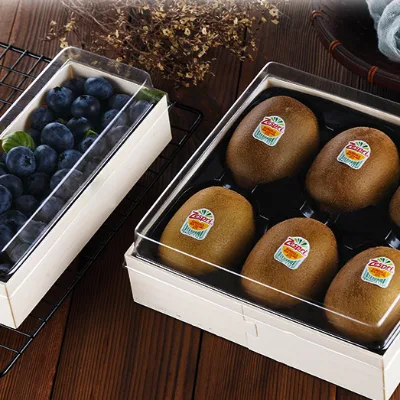
Packaging and logistics costs are additional drivers that can impact the total landed cost of the product. The standard packing method observed is carton packaging, but some suppliers offer bubble bags and inner boxes for enhanced protection during shipping. Buyers should clarify whether the quoted price includes export packaging or if additional costs apply for specialized packing requirements. Furthermore, the place of origin, often Shandong, China, can influence shipping times and freight rates. Buyers should request detailed commercial terms, including payment methods, delivery schedules, and responsibility for customs clearance, to avoid unexpected expenses.
Supplier Qualification and Quality Control
Selecting a reliable supplier requires a thorough assessment of their manufacturing capabilities and quality control processes. Buyers should verify the supplier’s production capacity and lead times to ensure they can meet demand peaks without compromising quality. The use of advanced manufacturing techniques, such as precise cutting and finishing, should be confirmed through factory audits or third-party inspections. Additionally, suppliers should have a robust quality assurance system in place, including in-process checks and final inspections, to minimize the risk of defects. Buyers should request a quality control plan that outlines the specific checkpoints and acceptance criteria for each production batch.
Brand reputation and customer feedback are also valuable indicators of supplier reliability. Buyers should review past client testimonials and case studies to gauge the supplier’s consistency and responsiveness. It is advisable to start with a small trial order to evaluate the supplier’s performance in terms of product quality, communication, and delivery reliability. Suppliers who offer customization services should demonstrate flexibility and creativity in meeting specific design requirements. Establishing a clear communication channel and defining key performance indicators (KPIs) early in the relationship can help ensure a smooth and successful procurement process.
Long-Term Procurement Checks
Sustainable sourcing and continuous improvement are essential for long-term success in the wooden packaging market. Buyers should regularly review their suppliers’ compliance with environmental and social standards, ensuring that they remain aligned with evolving regulatory requirements and consumer expectations. This includes verifying that the FSC and BSCI certifications are current and that the supplier is actively working to reduce their environmental footprint. Buyers should also encourage suppliers to innovate in material usage and production processes to enhance sustainability and efficiency.
Regular performance reviews and feedback loops are crucial for maintaining high standards and addressing any issues promptly. Buyers should conduct periodic audits of their suppliers’ facilities and quality control processes to identify areas for improvement. Additionally, maintaining a diverse supplier base can mitigate risks associated with supply chain disruptions. By fostering strong relationships with reliable suppliers and continuously monitoring performance, buyers can ensure a steady supply of high-quality wooden food boxes that meet their operational and branding needs.
FAQs
Can I customize the size and shape of the wooden box?
Yes, you can request custom sizes and shapes for the wooden box. The product accepts custom dimensions and allows for customized shapes to meet specific packaging needs while maintaining structural integrity.
What certifications does the wooden box supplier hold?
The supplier holds FSC and BSCI certifications for the wooden box. These credentials verify sustainable sourcing and ethical labor practices, ensuring the product meets international compliance standards for export.
What is the minimum order quantity for this wooden box?
The minimum order quantity is 500 pieces for the wooden box. This MOQ applies to standard orders, though bulk purchasing may offer different pricing tiers depending on the specific customization requirements.
How is the wooden box packaged for shipping?
The wooden box is packaged in cartons or bubble bags with inner boxes. This protective packaging ensures the product remains secure during transit and prevents damage from moisture or impact.
What materials are used to make the wooden box?
The wooden box is made from solid wood with a lacquer or varnish finish. This material choice provides durability and an eco-friendly profile suitable for storing food, jewelry, or electronics.
Can I add a custom logo to the wooden box?
Yes, you can add a customized logo using silk screen printing, laser engraving, or hot stamping. These methods allow for clear branding on the surface while maintaining the aesthetic quality of the wood.
What is the load capacity of the wooden box?
The wooden box has a load capacity of up to 5 kilograms. This weight limit ensures safe handling and storage for various items like food containers, health care products, or small electronics.