Source Durable Yellow Hazardous Waste Markers for Shipping, Storage, and Safety
Compare 30 listings for Durable Yellow Hazardous Waste Markers suitable for shipping, storage, and safety applications. Buyers can evaluate specifications like ink type, tip diameter, and customization options from verified suppliers in China; compare the available evidence and request quotations based on your requirements.
Key considerations
Products List


Industrial Hazardous Waste Labels for Chemicals and Heavy Metals Sticker
$6.30 - $6.39
MOQ: 1000 Rolls
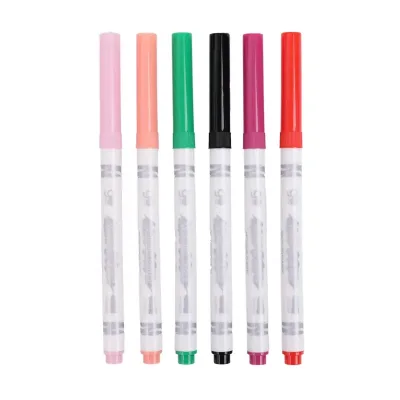
SY256200 Recycled Washable Marker with Green Environmental Friendly Package
$0.16 - $0.21
MOQ: 5000 pieces


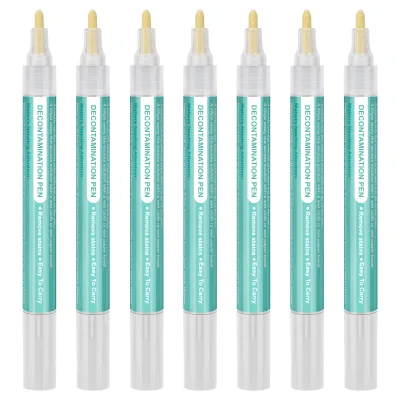
Multi Functional Stain Removing Pen to Solve Various Stains Clean Marker Pen
$0.24 - $0.26
MOQ: 1000 pieces
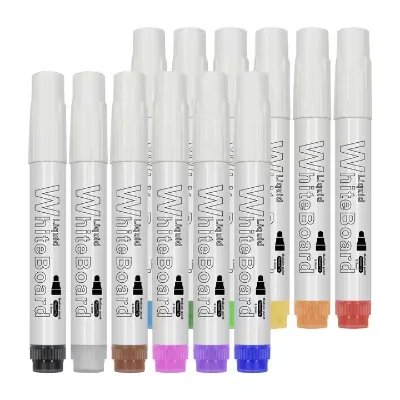


Wholesale Red Black Blue Plastic Large Capacity Dual Tip Permanent Marker
$0.12 - $0.14
MOQ: 1200 pieces

Multipurpose Non Toxic Coverable Customizable Water Based Acrylic Marker Set
$2.00 - $2.40
MOQ: 1000 sets




Comprehensive Sourcing Guide
Durable Yellow Hazardous Waste Markers Sourcing Guide
Procuring Durable Yellow Hazardous Waste Markers requires a strategic approach that balances visibility, chemical resistance, and regulatory compliance. These markers are essential for clearly identifying containers holding biohazards, chemical waste, or other dangerous materials in laboratory, industrial, and healthcare settings. The primary objective is to ensure that labels remain legible and intact despite exposure to harsh environments, including moisture, temperature fluctuations, and potential chemical splashes. Buyers must prioritize products that offer high-contrast yellow coloring to meet safety standards while ensuring the adhesive and substrate can withstand the specific conditions of their waste management protocols.
The sourcing process involves evaluating multiple product attributes, from material composition to printing technology, to determine the most suitable option for your operational needs. While many suppliers offer customizable solutions, it is crucial to verify that the chosen markers meet local and international safety regulations. This guide provides a structured framework for evaluating suppliers, understanding technical specifications, and establishing quality control measures. By focusing on evidence-based selection criteria, procurement teams can mitigate risks associated with non-compliant labeling and ensure consistent safety across all waste handling operations.
Product Scope and Observed Listing Signals
The market for hazardous waste labeling solutions includes a variety of products, ranging from adhesive stickers to specialized markers. Observed listings indicate a diverse range of materials, including paper and polypropylene (PP), each offering different levels of durability and resistance. Paper-based options may be suitable for dry, indoor environments, while PP materials provide enhanced waterproof and chemical-resistant properties, making them ideal for harsher industrial settings. Buyers should carefully review the material specifications to ensure alignment with their specific waste handling requirements, as the substrate directly impacts the longevity and legibility of the label.
Listing signals also reveal variations in printing types, with digital printing being a common feature that allows for high-quality, detailed graphics and text. This technology supports the inclusion of specific hazard symbols, barcodes, and custom text, which are critical for accurate waste identification. Additionally, some products offer custom color options, although yellow remains the standard for hazardous waste to ensure immediate visual recognition. Procurement teams should verify that the printing method used is permanent and resistant to fading, ensuring that critical safety information remains visible throughout the lifecycle of the waste container.
Technical Specifications to Verify
When evaluating technical specifications, buyers must focus on the physical properties of the markers and labels, such as size, thickness, and adhesive strength. Standard sizes like 4020mm or 15610mm are commonly available, but custom sizes may be necessary for specific container shapes or regulatory requirements. It is essential to verify that the product dimensions match your existing labeling systems and that the adhesive is strong enough to remain attached to various surfaces, including plastic, glass, and metal containers. Additionally, consider the environmental conditions where the labels will be applied, such as exposure to UV light, moisture, or extreme temperatures, to ensure long-term performance.
Another critical aspect is the ink type and its resistance properties. Permanent ink is often preferred for hazardous waste markers to prevent smudging or fading over time. Buyers should also check for features such as waterproofing and chemical resistance, which are vital for maintaining label integrity in wet or chemically active environments. Some products may offer additional features like erasability or specific hardness levels, but for hazardous waste, permanence and durability are paramount. Ensure that the selected product meets the specific technical demands of your waste management process to avoid costly re-labeling or compliance issues.
Compliance and Safety Documentation
Compliance with safety standards is non-negotiable when sourcing hazardous waste markers. Buyers must verify that the products meet relevant international and local regulations, such as ASTM or EN71 standards, which govern the safety and quality of labeling materials. These standards ensure that the markers are made from non-toxic materials and that the inks used do not pose additional health risks. Procurement teams should request documentation from suppliers to confirm that the products have been tested and certified according to these standards, providing assurance that the labels are safe for use in environments where human contact is possible.
In addition to material safety, buyers should ensure that the markers comply with specific hazardous waste labeling regulations, which often dictate the color, size, and content of the labels. Yellow is typically required for hazardous waste, and the labels must include clear, legible text and symbols that identify the type of waste and associated risks. It is crucial to work with suppliers who understand these regulatory requirements and can provide products that meet them. Failure to comply with these standards can result in legal penalties, safety hazards, and operational disruptions, making thorough verification of compliance documentation a critical step in the sourcing process.
Cost Drivers and Commercial Terms
Cost drivers for hazardous waste markers include material quality, printing complexity, and order volume. Higher-quality materials, such as waterproof PP, and advanced printing technologies like digital printing, typically come at a premium. However, these investments can lead to long-term savings by reducing the frequency of label replacement and minimizing the risk of non-compliance. Buyers should also consider the minimum order quantity (MOQ) requirements, which can range from small batches for testing to large volumes for ongoing operations. Understanding these commercial terms helps in budgeting and planning for consistent supply.
Payment terms, lead times, and shipping costs are also significant factors in the total cost of ownership. Suppliers may offer different packaging options, such as single-roll or multi-roll packaging, which can affect storage and handling efficiency. It is important to negotiate terms that align with your procurement cycle and ensure that the supplier can meet your delivery deadlines. Additionally, consider the availability of samples, as many suppliers offer free non-customized samples for evaluation. This allows buyers to test the product quality before committing to a large order, reducing the risk of purchasing unsuitable materials.
Supplier Qualification and Quality Control
Supplier qualification is a critical step in ensuring the reliability and consistency of hazardous waste markers. Buyers should assess suppliers based on their production capabilities, quality control processes, and track record in the industry. Suppliers located in manufacturing hubs like Shenzhen or Ningbo may offer competitive pricing and efficient logistics, but it is essential to verify their ability to maintain consistent quality across large orders. Requesting information about their production standards, such as adherence to European or other international standards, can provide insight into their commitment to quality.
Quality control measures should include regular inspections of raw materials, production processes, and finished products. Buyers should inquire about the supplier’s testing protocols, including checks for adhesive strength, ink permanence, and color consistency. Establishing clear quality expectations and communication channels with the supplier can help prevent issues before they arise. Additionally, consider implementing a sampling plan for incoming shipments to verify that the products meet your specifications. This proactive approach to quality control can help maintain high standards and ensure that the hazardous waste markers perform as expected in your operations.
Long-Term Procurement Checks
Long-term procurement checks involve continuous monitoring of supplier performance and product quality to ensure ongoing compliance and satisfaction. Buyers should establish key performance indicators (KPIs) to track metrics such as delivery times, defect rates, and customer service responsiveness. Regular reviews of these metrics can help identify potential issues early and allow for corrective actions to be taken. Additionally, staying updated on changes in regulatory requirements is essential, as hazardous waste labeling standards may evolve over time. Procurement teams should work closely with suppliers to ensure that products remain compliant with the latest regulations.
Another important aspect of long-term procurement is building a resilient supply chain. This includes diversifying suppliers to mitigate risks associated with single-source dependencies and ensuring that alternative options are available in case of disruptions. Regular communication with suppliers can also help in anticipating market trends and adjusting procurement strategies accordingly. By maintaining a proactive and informed approach to procurement, buyers can ensure that their hazardous waste labeling needs are met efficiently and effectively, supporting overall safety and operational excellence.
FAQs
How can buyers order custom sizes of Durable Yellow Hazardous Waste Markers?
Buyers can order custom sizes because these adhesive sticker products accept custom orders alongside the standard 40x20mm specification. Digital printing allows custom color and logo artwork on paper or PP label stock. Minimum order quantity is 5000 pieces, and suppliers in Shenzhen and Zhejiang typically confirm artwork, size, and waterproof finish before production begins.
What materials are used for Durable Yellow Hazardous Waste Markers?
Paper and PP are the listed materials, with PP offering stronger moisture resistance for demanding storage areas. Both support digital printing and a waterproof adhesive construction suitable for packaging labels, shipping labels, and bottled beverage or chemical container marking. Buyers should confirm substrate choice with the supplier, since material selection affects durability, adhesion strength, and per-unit pricing at volume.
Can Durable Yellow Hazardous Waste Markers stay legible on wet or refrigerated surfaces?
Yes, the listed products carry a waterproof feature, which supports legibility on damp bottles, chilled containers, and packaging film. Performance still depends on surface condition and application technique, so buyers should request a free sheet non-customized sample before committing to a 5000-piece order. Testing adhesion and print durability on your actual packaging is a practical verification step.
Which standards apply to adhesive warning labels in this category?
Listed products reference ASTM and EN71 standards, which buyers commonly cite for label safety and quality expectations. These are stated as applicable product standards rather than automatic guarantees, so confirm current certification documentation with each supplier. When sourcing Durable Yellow Hazardous Waste Markers, request test reports or compliance records during quotation to ensure the labels meet your regulatory and industrial use requirements.
What is the minimum order quantity for Durable Yellow Hazardous Waste Markers?
The listed MOQ is 5000 pieces, which suits facilities needing bulk rolls of shipping, packaging, or price-tag labels. Smaller trial quantities may be possible through free non-customized sample sheets, letting teams verify waterproof performance first. Single-roll and multi-roll packaging options are available, so discuss roll counts, core sizes, and packaging preferences when requesting quotes from manufacturers.
How are these markers packaged and shipped from suppliers?
Packaging options include single-roll packaging and multi-roll packaging, with supplier support for customized packing arrangements. Products originate from manufacturing hubs in Shenzhen and Zhejiang, China, where packaging printing is an established industry. Buyers should confirm carton specifications, roll protection, and shipping terms during quotation, since label rolls are vulnerable to compression damage if packed incorrectly for long transit.
What industrial uses suit Durable Yellow Hazardous Waste Markers?
Industrial uses include packaging labels, shipping labels, price tags, medicine containers, food packaging, bottled beverages, and packaging film applications. As adhesive stickers produced through digital printing, they support custom warning text and hazard symbols on yellow or custom-colored stock. Confirm chemical and surface compatibility with your specific waste containers, since adhesion performance varies across drum, glass, and plastic materials.
Can samples be obtained before placing a bulk order?
Yes, a free sheet non-customized sample is available, which lets buyers evaluate print quality, adhesive strength, and waterproof behavior without cost. Custom-printed samples may require separate approval, so clarify whether artwork setup fees apply. Sampling before a 5000-piece minimum order is a sensible step, especially when labels must withstand moisture, refrigeration, or chemical exposure in daily operations.