Find Dynamic Balance Centrifugal Pump Impeller for water, slurry, and condensate
Source 30 Dynamic Balance Centrifugal Pump Impeller options from verified Chinese manufacturers. Compare specifications including materials like stainless steel and cast iron, certifications such as ISO9001, and customization features for industrial applications.
Key considerations
Products List

$50.00 - $60.00
MOQ: 100 Pieces

$26.00 - $30.00
MOQ: 10 Pieces

and Centrifugal Pump Double Suction Impeller with Dynamic Balancing Testing
$50.00 - $200.00
MOQ: 1 Pieces

High Quality Alloy Steel Free-Flow Centrifugal Pump Impeller Replacement
$50.00 - $200.00
MOQ: 1 Pieces


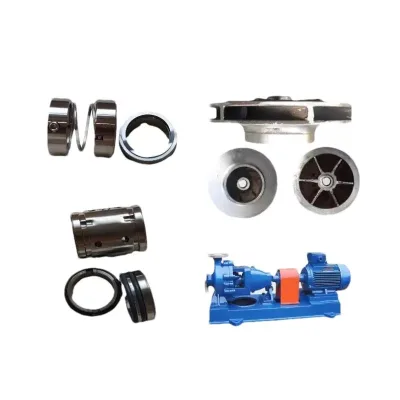


Comprehensive Sourcing Guide
Strategic Sourcing Guide for Dynamic Balance Centrifugal Pump Impellers
Understanding Technical Specifications and Design Variations
When sourcing dynamic balance centrifugal pump impellers, the primary objective is to secure components that ensure operational stability, minimize vibration, and extend the service life of the pumping system. The core technical attribute for this category is the impeller design, which varies significantly based on the fluid being handled and the required hydraulic performance. Based on observed market data, the product types include single-suction pumps and open impeller configurations. The "Open" impeller design is frequently noted in specifications, suggesting suitability for fluids containing small solids or where ease of cleaning is a priority, though closed designs are also common in high-efficiency applications.
The material composition is a critical determinant of performance and longevity. Suppliers typically offer a range of materials including Cast Iron, Wear-Resistant Cast Iron, and Cast Steel for general applications. For more demanding environments involving corrosion or high purity requirements, Stainless Steel (specifically grades like SS 304 and SS 316), Duplex Stainless Steel, and Cast Alloy Steel are available. The selection of material must align with the chemical properties of the fluid and the operating temperature. Furthermore, the impeller number often indicates a single-stage pump configuration, which is standard for many centrifugal applications but requires verification against multi-stage requirements if higher pressure is needed.
Performance metrics such as head and capacity are essential for matching the impeller to the pump system. Observed data indicates a maximum head range exceeding 150 meters for certain high-pressure models, while other configurations operate within an 80-110 meter range. Capacity specifications vary, with observed ranges including greater than 400 liters per minute and specific bands between 300-400 liters per minute. Buyers must verify these figures against their specific system curves, as the impeller geometry directly dictates the pump's ability to generate pressure and move volume. The working pressure is classified as high-pressure in several listings, necessitating rigorous stress analysis and material selection to prevent failure under load.
Compliance, Certification, and Material Standards
Ensuring that the sourced impellers meet international and industry-specific standards is paramount for risk mitigation. The supply chain for these components often references a robust set of material standards, including ASTM, ANSI, SAE, UNS, DIN, EN, ISO, and TOCT. These standards govern the chemical composition, mechanical properties, and manufacturing tolerances of the raw materials used. For instance, the choice between ASTM and DIN standards will influence the availability of specific alloy grades and the testing protocols required for validation.
Certification status serves as a proxy for the manufacturer's commitment to quality management systems. High-confidence data points to the presence of ISO 9001:2015 and ISO 14001:2004 certifications, indicating a focus on quality assurance and environmental management. Additionally, API Specification Q1 is frequently cited, which is a critical requirement for the oil and gas industry, ensuring that the supplier adheres to strict quality control procedures specific to that sector. Other certifications observed include ISO 9001:2008 and BV Certification, which further validate the manufacturing processes. Buyers should request current, valid certificates for the specific production batch to ensure compliance with the latest regulatory frameworks.
The manufacturing process itself is often dictated by the mold type. Listings indicate the use of both Investment Casting Moulds and Sand Casting Moulds. Investment casting typically offers higher precision and smoother surface finishes, suitable for complex geometries and high-performance applications, while sand casting is often utilized for larger, heavier components where cost-effectiveness is a priority. The standard for the product itself may be "According to the drawings," implying a high degree of customization where the buyer provides the specific engineering schematics. This requires a close partnership with the supplier to ensure that the casting process can accurately replicate the required tolerances and surface finishes.
Cost Drivers and Pricing Structure Analysis
The pricing of dynamic balance centrifugal pump impellers is influenced by a complex interplay of factors, including material costs, manufacturing complexity, and order volume. The observed price range in the market is extensive, spanning from 0.1 USD to 13,889 USD. This wide variance reflects the difference between small, standard-sized impellers and large, custom-engineered units made from exotic alloys. The minimum order quantity (MOQ) also plays a significant role in the unit cost, with observed ranges from 1 to 100 units. Buyers purchasing in smaller quantities may face higher per-unit costs due to the setup and tooling expenses associated with casting molds.
Material selection is the most significant cost driver. Stainless steel grades like SS 316 and Duplex SS are substantially more expensive than cast iron or standard carbon steel. Similarly, the use of investment casting molds generally incurs higher tooling and production costs compared to sand casting. The level of customization is another critical factor. While standard models like the "3x1.5-10A" or "4X6-10" may be available at lower price points, custom impellers designed "According to the drawings" require dedicated engineering time, mold creation, and specialized testing, all of which add to the final cost.
Packaging and logistics also contribute to the total landed cost. Products are typically packed in wooden cases, steel crates, or paper cartons, depending on the size and fragility of the item. The origin of the product, often cited as Zibo, Shandong Province, China, or generally China, influences shipping costs and lead times. The port of loading, such as Qingdao, is a key logistical node that buyers must consider when calculating freight expenses. Understanding these cost drivers allows procurement teams to negotiate more effectively, balancing the need for high-performance materials with budgetary constraints.
Typical Applications and Operational Context
Dynamic balance centrifugal pump impellers are utilized across a diverse array of industrial sectors, each with unique operational demands. The primary usage categories include general pumps, condensate pumps, slurry pumps, and circulating pumps. The versatility of the impeller design allows it to be adapted for various fluid types, from clean water to abrasive slurries. For instance, the "Open" impeller type is particularly well-suited for slurry applications where solids might clog a closed impeller, while high-pressure configurations are essential for condensate and circulating systems in power generation or HVAC applications.
The mounting height and position of the pump shaft are critical design considerations that dictate the application environment. Horizontal pump configurations are common, with the shaft positioned horizontally to facilitate maintenance and installation in standard plant layouts. The suction type is typically single-suction, which is standard for many centrifugal pumps but requires careful alignment to prevent cavitation. The working pressure classification as "High Pressure" suggests these impellers are designed for applications requiring significant energy transfer, such as boiler feed systems or high-rise water supply.
The driving type is specified as motor-driven, indicating that the impeller is part of a larger electromechanical system. The integration of the impeller with the motor requires precise alignment and dynamic balancing to ensure efficient power transmission. The maximum head and capacity specifications observed, such as heads exceeding 150 meters and capacities over 400 L/min, highlight the capability of these components to handle demanding hydraulic loads. Buyers must match these specifications to their specific process requirements to avoid under-sizing, which leads to inefficiency, or over-sizing, which results in unnecessary energy consumption and cost.
Supplier Evaluation and Quality Control Protocols
Evaluating suppliers for dynamic balance centrifugal pump impellers requires a rigorous assessment of their manufacturing capabilities and quality control systems. The presence of dynamic balancing as a standard testing attribute is a non-negotiable requirement for these components. Dynamic balancing ensures that the mass distribution of the impeller is uniform, minimizing vibration and preventing premature bearing failure. Buyers should verify that the supplier employs certified balancing machines and follows recognized standards, such as ISO 1940, to achieve the required balance grades.
The manufacturing process should be transparent, with clear documentation of the mold types used and the material standards adhered to. Suppliers offering customization services should demonstrate their ability to work from customer drawings, ensuring that the final product matches the specified dimensions and tolerances. The availability of certifications like ISO 9001:2015 and API Specification Q1 provides evidence of a structured quality management system. However, buyers should not rely solely on these certifications; they should request specific test reports for the batch being purchased to confirm that the dynamic balancing and material properties meet the project requirements.
Quality control should extend beyond the final product to include incoming material inspection and in-process monitoring. The use of specific material standards like ASTM and ANSI should be verified through mill test certificates. The supplier's ability to provide traceability for the raw materials is crucial, especially for applications involving corrosive fluids or high pressures. Additionally, the packaging method, whether wooden cases or steel crates, should be evaluated to ensure that the impellers are protected during transit to prevent damage that could compromise the dynamic balance.
Long-Term Procurement Considerations and Customization
Long-term procurement strategies for dynamic balance centrifugal pump impellers should focus on building a sustainable supply chain that supports operational continuity and cost efficiency. The availability of customization is a key factor, as many applications require unique impeller geometries that are not available in standard catalogs. Suppliers that offer OEM/ODM services for welding parts and impeller manufacturing can provide tailored solutions that optimize pump performance for specific fluid dynamics. This flexibility is essential for industries where standard components do not meet the unique demands of the process.
Lead times and production capacity are critical considerations for long-term planning. While specific lead times are not universally standardized, the complexity of the casting process and the level of customization will influence the time required to fulfill an order. Buyers should establish clear communication channels with suppliers to manage expectations regarding production schedules and delivery dates. The port of loading, such as Qingdao, should be factored into the logistics plan to ensure timely arrival of goods.
Sustainability and environmental compliance are increasingly important in procurement decisions. Certifications like ISO 14001:2004 indicate that the supplier has implemented environmental management systems, which can reduce the ecological footprint of the manufacturing process. Buyers should prioritize suppliers who demonstrate a commitment to sustainable practices, as this aligns with broader corporate sustainability goals. Finally, the ability of the supplier to provide after-sales support, including technical assistance and spare parts availability, is vital for maintaining the longevity of the pumping system. By selecting a supplier with a strong track record of quality and service, buyers can ensure reliable performance and minimize downtime over the life of the equipment.
FAQs
What certifications do Dynamic Balance Centrifugal Pump Impeller suppliers hold?
Suppliers typically hold ISO 9001:2015, ISO 14001:2004, and API Specification Q1 certifications. Some also provide ISO 9001:2008 and BV Certification to validate their quality management systems and adherence to industry standards.
Which materials are used for dynamic balance centrifugal pump impellers?
Common materials include Cast Iron, Wear-Resistant Cast Iron, and Cast Steel for general use. Stainless Steel grades like SS 304 and SS 316, Duplex Ss, and Cast Alloy Steel are available for corrosive or high-purity applications.
Can dynamic balance centrifugal pump impellers be customized according to drawings?
Yes, customization is available and many products are manufactured according to specific buyer drawings. Suppliers offer OEM and ODM services for welding parts, allowing for tailored dimensions and specifications to meet unique project requirements.
What is the maximum head capacity for high-pressure dynamic balance centrifugal pump impellers?
Maximum head capacity can exceed 150 meters for high-pressure models, while other configurations operate within an 80 to 110 meter range. These metrics ensure the impeller meets the specific hydraulic performance needs of the pumping system.
How are dynamic balance centrifugal pump impellers packaged for shipment?
Products are typically packed in wooden cases, steel crates, or paper cartons depending on size. The packaging options range from standard paper cartons to heavy-duty wooden cases to ensure protection during transit from the port of loading.
Where are dynamic balance centrifugal pump impellers manufactured and shipped from?
These impellers originate from China, specifically Zibo, Shandong Province. They are typically shipped from the port of Qingdao, facilitating international logistics for buyers sourcing components from this major manufacturing region.