Source eco-friendly plastic hamster cage for small pets, homes, and travel
Find 30 listings for eco-friendly plastic hamster cage options suitable for small animals, home use, and travel. Compare models like A3002 and 951B with varying sizes and materials to find the right fit for your needs.
Key considerations
Products List
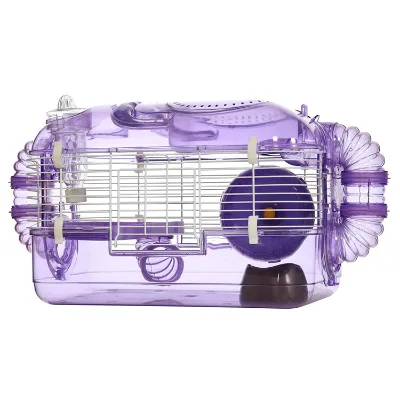
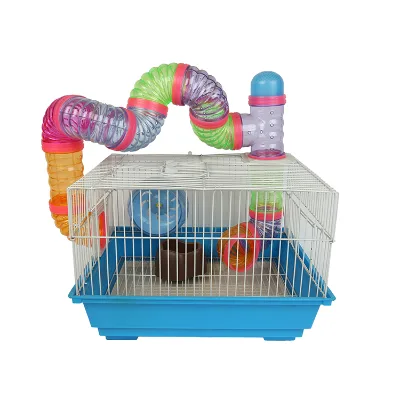


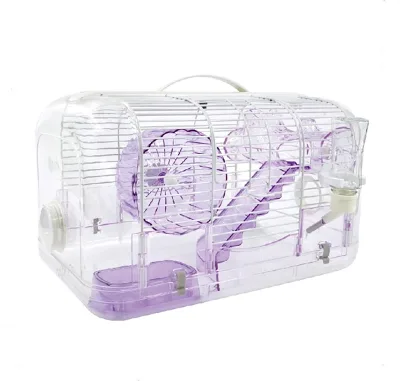
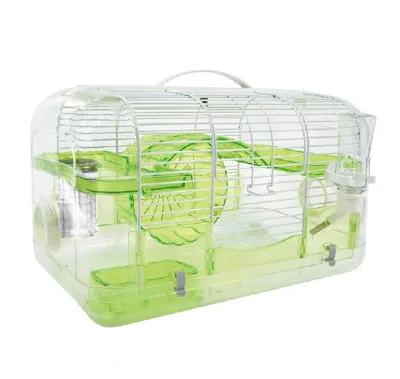


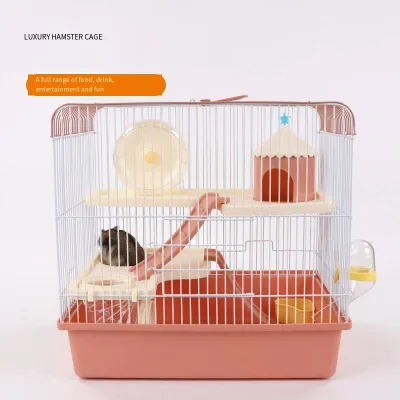
Hot Sale High Quality Luxury Hamster Cage Pet House Plastic Small Animal Cage
$5.21 - $10.60
MOQ: 150 Minimum

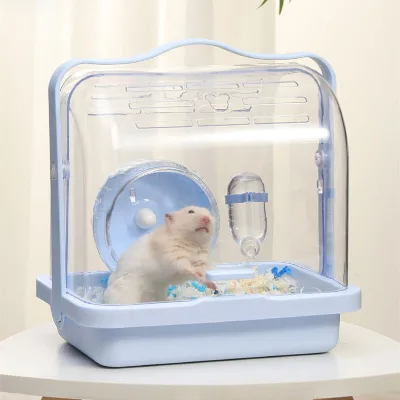
Quoll Outdoor Cage Hamster Golden Bear Creative Hamster Cage Large Acrylic Hamster Cage
$3.60 - $5.37
MOQ: 100 Pieces




Comprehensive Sourcing Guide
Eco-Friendly Plastic Hamster Cage Sourcing Guide
Sourcing eco-friendly plastic hamster cages requires a nuanced understanding of material composition, structural integrity, and supplier transparency. The term "eco-friendly" in the pet product industry often refers to the use of recyclable materials, non-toxic coatings, or durable designs that reduce waste over the product lifecycle. Buyers must distinguish between marketing claims and verifiable material properties, particularly when dealing with mixed-material constructions that combine plastic with metal or acrylic components. This guide provides a structured approach to evaluating listings, verifying technical specifications, and ensuring commercial viability for bulk procurement.
The following sections outline the critical steps for sourcing these products effectively. By focusing on observed listing signals, technical verification, compliance documentation, cost analysis, supplier qualification, and long-term checks, procurement teams can mitigate risks associated with quality inconsistencies and regulatory non-compliance. The goal is to establish a reliable supply chain that delivers safe, durable, and aesthetically pleasing habitats for small animals, specifically hamsters, while maintaining cost efficiency and operational scalability.
Product Scope and Observed Listing Signals
The current market for hamster cages exhibits a wide range of product variations, with observed prices spanning from $0.25 to $43.50 USD and minimum order quantities (MOQs) ranging from 3 to 1,000 pieces. This broad spectrum indicates a fragmented supplier base, offering everything from low-cost, basic models to premium, feature-rich enclosures. Buyers should note that the term "eco-friendly" appears frequently in product attributes, often paired with features such as "Stocked" availability and "OEM / ODM" capabilities. These signals suggest that many suppliers are prepared to handle custom branding and maintain inventory for rapid fulfillment, which is crucial for businesses seeking to scale quickly without long lead times.
Product listings reveal diverse material compositions, including iron, plastic, acrylic, and metal, with specific models like A3002, 951B, AL167, and H-03 representing different design iterations. The shape of these cages varies from quadrate and square to more complex structures, with sizes ranging from S to L, and specific dimensions such as 35x28x23cm or 360x270x250mm. Colors are not limited to a single option, with listings showing yellow, red, pink, and mixed color variants. This variety allows buyers to tailor their offerings to different market segments, but it also necessitates careful verification of material safety and structural durability, especially when "eco-friendly" claims are made for products containing multiple material types.
Technical Specifications to Verify
When evaluating hamster cages, the primary technical focus should be on the integrity of the plastic components and their interaction with metal frames. Listings indicate materials such as plastic, acrylic, and iron, with some products featuring push-up closure types and plastic tray pallets. Buyers must verify that the plastic used is free from harmful additives like BPA or phthalates, which are common concerns in pet habitats. The "eco-friendly" designation should be backed by specific material certifications or declarations, ensuring that the plastic is either recyclable, biodegradable, or derived from sustainable sources. Without this verification, the environmental claim may be misleading, potentially exposing the buyer to reputational risk.
Structural dimensions and model numbers are critical for inventory management and customer satisfaction. Models such as AL166, AL169, and AE23 come with specific standard sizes, such as 34x24x32 cm or 46x30x26.5 cm, which must be cross-referenced with supplier data to ensure accuracy. The single gross weight and volume are also important for logistics planning, although some listings report zero values, which may indicate incomplete data or packaging exclusions. Buyers should request detailed packing lists and dimensional weights to calculate shipping costs accurately. Additionally, the "Customized" attribute suggests that suppliers can modify designs, but this requires clear communication of technical requirements to avoid production errors.
Compliance and Safety Documentation
Compliance with safety standards is non-negotiable for pet products, particularly those intended for small animals like hamsters. While some listings mention certifications such as BSCI and CE, these should be treated as background information rather than guaranteed attributes. Buyers must request valid, up-to-date certification documents from suppliers to verify that the products meet relevant regional safety regulations. For example, in the European market, CE marking indicates conformity with health, safety, and environmental protection standards, while in other regions, specific pet product safety standards may apply. Without proper documentation, buyers risk importing non-compliant goods, which can lead to customs delays, fines, or product recalls.
The "Eco-Friendly" and "Stocked" attributes also imply a level of supply chain transparency that should be verified through documentation. Buyers should ask for material safety data sheets (MSDS) or declarations of conformity that specify the chemical composition of the plastic and metal components. This is particularly important for products that come into direct contact with pets, as toxic substances can leach out over time. Additionally, suppliers should provide evidence of their manufacturing processes, such as waste management practices or energy efficiency measures, to substantiate their environmental claims. This due diligence ensures that the "eco-friendly" label is not just a marketing tactic but a reflection of genuine sustainable practices.
Cost Drivers and Commercial Terms
The cost of eco-friendly plastic hamster cages is influenced by several factors, including material quality, design complexity, and order volume. The observed price range of $0.25 to $43.50 USD reflects these variations, with lower prices typically associated with simpler designs and higher MOQs, while premium features and smaller orders command higher prices. Buyers should analyze the cost structure to understand how material choices, such as the use of recycled plastic or acrylic, impact the final price. It is also important to consider the "Selling Units" attribute, which is listed as "Single item," indicating that pricing is often per unit rather than per set, which simplifies cost calculations for bulk orders.
Commercial terms, including MOQ and lead times, play a significant role in procurement strategy. The observed MOQ range of 3 to 1,000 pieces offers flexibility for buyers of different sizes, but it also requires careful negotiation to balance inventory costs with supply reliability. Suppliers offering "OEM / ODM" services may charge additional fees for customization, which should be factored into the total cost. Buyers should also inquire about payment terms, shipping options, and return policies to ensure a smooth transaction process. Clear communication of these terms upfront helps avoid unexpected costs and ensures that the procurement process aligns with the buyer's financial and operational goals.
Supplier Qualification and Quality Control
Qualifying suppliers for eco-friendly plastic hamster cages requires a thorough assessment of their manufacturing capabilities and quality control processes. Buyers should verify the supplier's production capacity, especially if they are offering "Stock" or "in Stock" items, to ensure that they can meet demand without compromising quality. The "Place of Origin: China" attribute is common in these listings, but buyers should not assume that all Chinese suppliers meet the same quality standards. It is essential to conduct factory audits or request third-party inspection reports to verify that the supplier adheres to good manufacturing practices (GMP) and maintains consistent quality across batches.
Quality control measures should include regular testing of material durability, structural integrity, and safety compliance. Buyers should ask suppliers about their internal quality control protocols, such as incoming material inspections, in-process checks, and final product testing. The "Customized" attribute suggests that suppliers can adapt to specific requirements, but this also increases the risk of quality variations if not properly managed. Buyers should establish clear quality benchmarks and communicate them to suppliers before production begins. Additionally, implementing a sample approval process can help identify potential issues early in the procurement cycle, reducing the risk of receiving defective products.
Long-Term Procurement Checks
Long-term procurement success depends on continuous monitoring of supplier performance and market trends. Buyers should establish key performance indicators (KPIs) to track supplier reliability, product quality, and compliance with environmental claims. Regular reviews of supplier performance can help identify areas for improvement and foster a collaborative relationship that benefits both parties. The "Advantage: Eco-Friendly, Stocked" attribute suggests that suppliers are committed to sustainability and availability, but buyers should verify these claims periodically to ensure they remain valid over time. This ongoing diligence helps maintain the integrity of the buyer's brand and ensures that customers receive high-quality, safe products.
Market trends and regulatory changes can also impact the sourcing of eco-friendly plastic hamster cages. Buyers should stay informed about emerging materials, technologies, and regulations that may affect product design and compliance. For example, new restrictions on certain plastics or chemicals could require suppliers to adjust their manufacturing processes, which may impact costs and lead times. By maintaining a proactive approach to market intelligence, buyers can anticipate changes and adapt their sourcing strategies accordingly. This flexibility ensures that the procurement process remains resilient and responsive to evolving market conditions, supporting long-term business growth and sustainability.
FAQs
What materials are used for the eco-friendly hamster cage?
The cage is constructed from iron and plastic or acrylic materials. Some models also incorporate metal components to ensure durability while maintaining an eco-friendly profile for small animal housing.
Which sizes are available for the hamster cage models?
Available sizes include Small, Medium, and Large dimensions. Specific measurements vary by model, with examples ranging from 35x28x23cm up to 46x30x26.5cm to suit different hamster needs.
Can I find hamster cages with custom designs available?
Yes, customized options are available for these pet cages. Buyers can request specific modifications to meet unique requirements while maintaining the core eco-friendly and classic style attributes.
How is the cage closure mechanism designed for safety?
The cage features a push-up closure type for secure access. This design ensures the small animals remain safely contained while allowing easy entry for cleaning and feeding by the owner.
What is the minimum order quantity for these cages?
The minimum order quantity is typically 100 pieces per order. Some listings may show a range starting from 3 units, but the standard bulk requirement is set at 100 pieces.
Where are these hamster cages manufactured and shipped from?
These products originate from China as the place of origin. The manufacturing location ensures consistent supply for global buyers seeking eco-friendly solutions for small animal habitats.