Source easy-to-clean chicken coop nesting pad for Farms, Homes, Retail
Explore 30 listings for an easy-to-clean chicken coop nesting pad designed for farms, home use, and retail settings. Buyers can compare specifications like material, dimensions, and warranty terms to find the right fit for their poultry breeding needs.
Key considerations
Products List
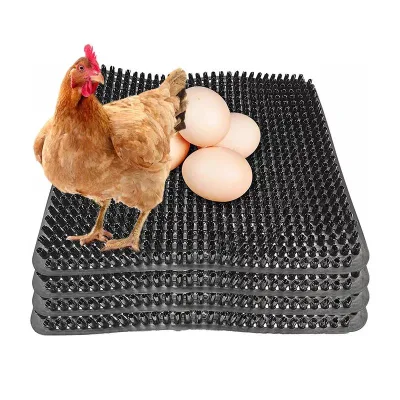

Easy Cleaning Chicken Egg Nest Pad Mat Nest Pads Laying Hen Chicken Nesting Box Pads
$0.98 - $1.00
MOQ: 100 Pieces
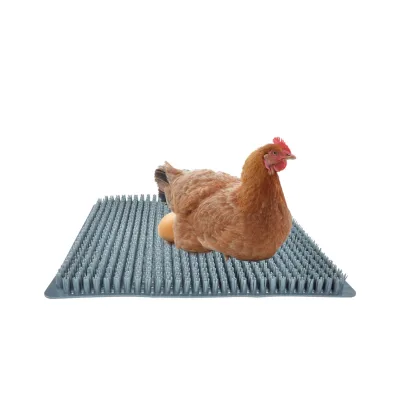
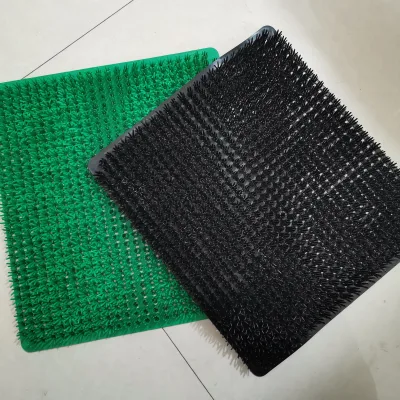
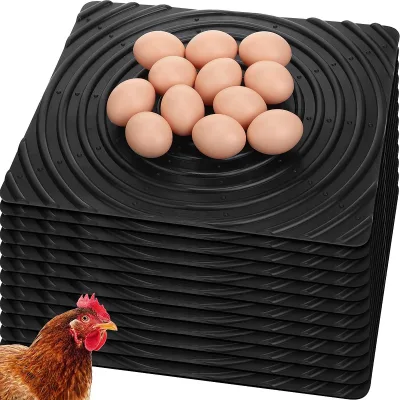
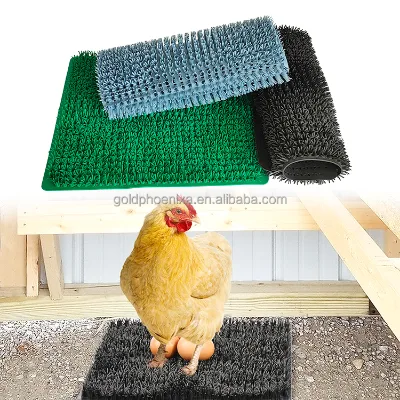
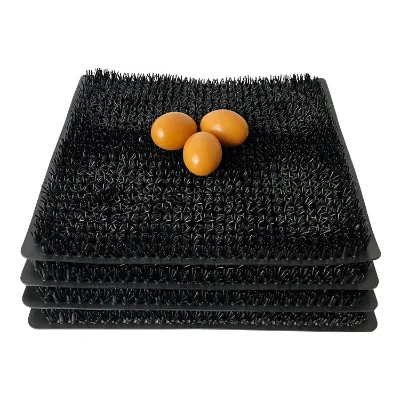
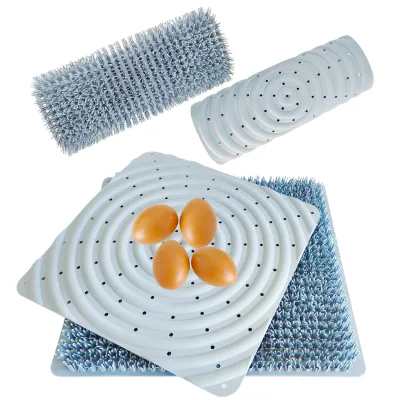
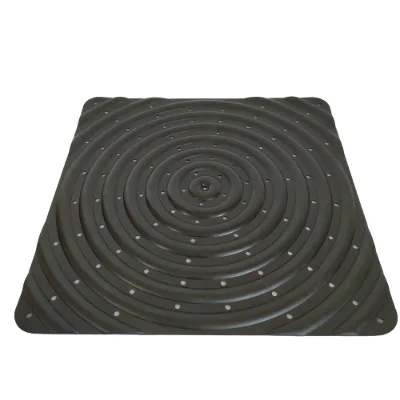
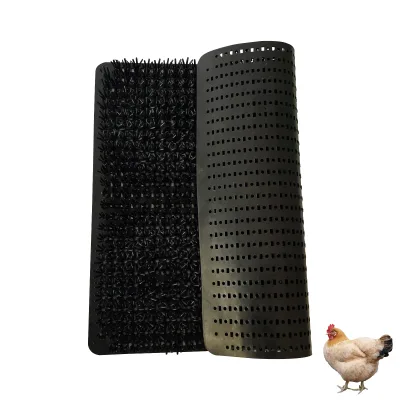
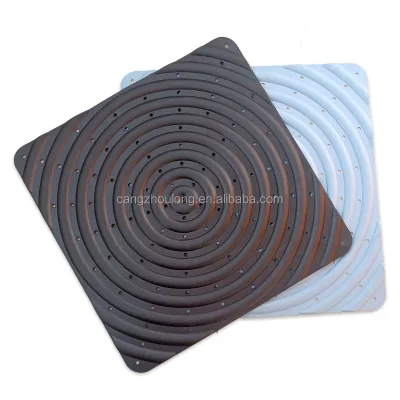
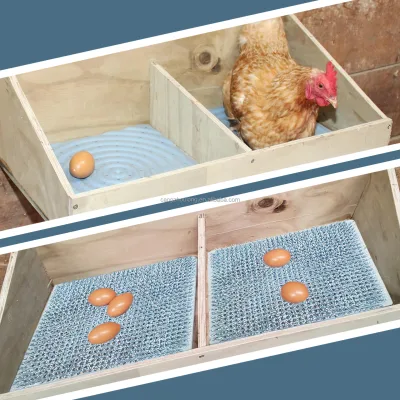
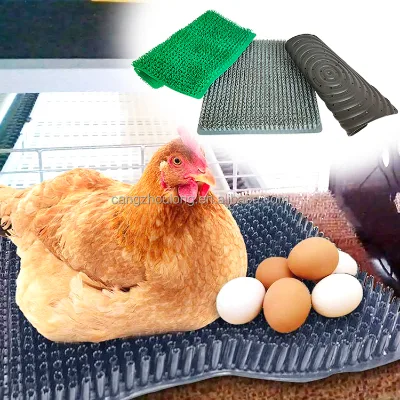
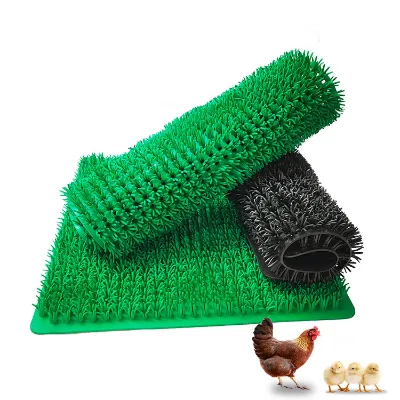
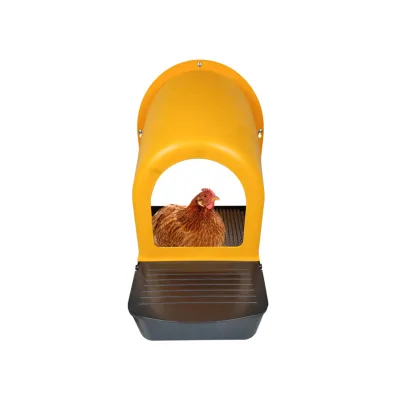
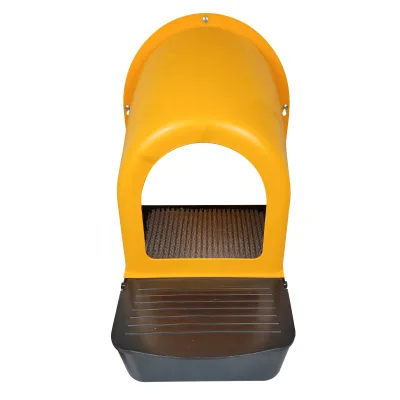
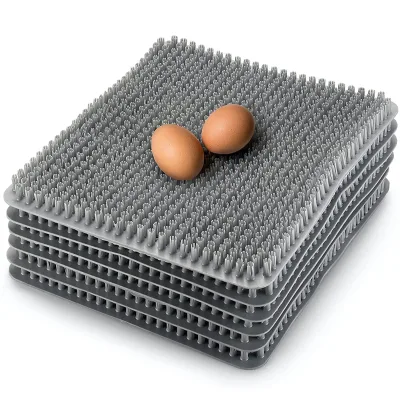


Synthetic Chicken Nesting Washable Nesting Pads Chicken Nest Box Matting
$250.00 - $320.00
MOQ: 1 Rolls


Comprehensive Sourcing Guide
Strategic Sourcing Guide for Easy-to-Clean Chicken Coop Nesting Pads
Understanding Product Specifications and Material Composition
When sourcing easy-to-clean chicken coop nesting pads, the primary objective is to identify products that balance durability with hygiene. The market offers various configurations, but the core technical specifications often revolve around dimensions, material composition, and weight. Based on available product data, a standard nesting pad typically measures approximately 35x29.5x2 cm, though variations such as 35x32x2 cm exist in the supply chain. These dimensions are critical for fitting standard poultry cages and free-range nesting boxes effectively. The physical weight of these units is generally light, ranging from 0.27 kg to 0.3 kg per unit, with a single gross weight often recorded around 1.5 kg when packaged.
Material selection is the most significant factor influencing the "easy-to-clean" attribute. The supply landscape features two primary material types: High-quality Polypropylene (PP) and Thermoplastic Elastomer (TPE). PP-based pads are noted for their structural rigidity and resistance to impact, making them suitable for high-traffic farm environments. Conversely, TPE materials offer a softer surface, which can be beneficial for bird comfort, yet they must still maintain the non-porous surface required for effective sanitation. Buyers must verify the specific material grade, as the presence of TPE or PP directly dictates the cleaning protocol and the pad's resistance to bacterial growth. The color options typically include black, grey, and white, with black being a common choice for concealing dirt and organic matter, thereby reducing the visual frequency of cleaning required.
Compliance, Certification, and Origin Verification
In the global poultry supply chain, verifying the origin and compliance status of nesting pads is essential for risk management. The primary production hubs for these items are located in China, specifically in provinces such as Shandong and Hebei Cangzhou. Suppliers from these regions often export to major markets including the United States, United Kingdom, Canada, Germany, and the Philippines, with some maintaining showrooms in these locations. However, the absence of specific certification data in general product listings means that buyers cannot assume compliance with international standards without direct verification.
Buyers must explicitly request documentation regarding material safety and manufacturing standards. While some listings mention a "prod_standard" of 35 * 29.5 * 2 cm, this refers to dimensional consistency rather than a safety or quality certification. There is no universal mandatory certification for plastic nesting pads, but reputable suppliers often adhere to internal quality control protocols. The "Video outgoing-inspection" feature is a valuable tool for remote verification, allowing buyers to witness the final quality check before shipment. When evaluating suppliers, it is crucial to confirm that the "place of origin" matches the claimed manufacturing location to avoid intermediaries who may not have direct control over quality. Additionally, buyers should verify if the supplier offers "Customized" options, as some listings indicate customization is available while others state "Non-Customized," which impacts the ability to meet specific farm infrastructure requirements.
Cost Drivers and Economic Factors
The pricing structure for chicken nesting pads is influenced by material costs, order volume, and logistical complexity. The observed market price range is broad, spanning from $0.17 to $320 USD. This variance is not indicative of a single product type but rather reflects the difference between individual unit costs and bulk packaging or specialized configurations. The Minimum Order Quantity (MOQ) is a significant cost driver, with observed ranges from 1 to 1000 pieces. A standard MOQ of 100 pieces is common for many suppliers, which allows small to medium-sized farms to enter the market without excessive capital outlay.
Supply ability also plays a role in cost stability. Suppliers with a stated capacity of 5,000 pieces per month can generally offer more competitive pricing for larger orders compared to those with limited production lines. The packaging method, such as "Carton" or "Seaq Freight" (Sea Freight), affects the final landed cost. Bulk packaging configurations, such as 70 to 150 pieces per carton, optimize shipping efficiency and reduce per-unit freight costs. Buyers should be aware that "Hot Product" status or marketing trends, such as those from 2022, may temporarily inflate prices due to high demand. Furthermore, the availability of "Sea Freight" options from ports like Qingdao, Tianjin, and Guangzhou provides cost-effective logistics for international buyers, whereas air freight would significantly increase the total cost.
Typical Applications and Farming Systems
The versatility of chicken nesting pads allows them to be deployed across various farming systems. The "Applicable Industries" data confirms suitability for Farms, Home Use, and Retail environments. Specifically, the "Farming type" classification includes both Cage systems and Free-range setups. In cage systems, the pads serve as a liner to collect eggs and prevent them from rolling into the cage floor, reducing breakage and contamination. For free-range operations, the pads provide a defined, clean area for laying, which is crucial for maintaining egg quality in open environments.
The "Application" is explicitly defined as "Chicken Eggs Laying," and the "Use" is categorized as a "chicken nest." This functional specificity means the pads are not designed for general bedding but for targeted egg collection. The "Electric" attribute is consistently marked as "Not Electric," confirming that these are passive, mechanical solutions that require no power source. This simplicity enhances reliability in remote farm locations. The "Condition" is always listed as "New," ensuring that buyers receive fresh inventory with full material integrity. Whether for a small backyard flock or a large commercial operation, the pads must withstand the specific environmental conditions of the farm, including humidity and temperature fluctuations, which the "Durable" advantage claims to address.
Supplier Evaluation and Quality Control Protocols
Evaluating a supplier for nesting pads requires a focus on their quality control processes and transparency. The presence of "Video outgoing-inspection" is a strong indicator of a supplier's confidence in their product and their willingness to engage in remote verification. Buyers should utilize this feature to inspect the surface finish, edge quality, and overall structural integrity of the pads before shipment. The "Warranty" terms are another critical evaluation metric. While some listings offer a 3-year warranty on the product, others specify a 2-year warranty on "core components." This discrepancy suggests that buyers must clarify exactly what is covered under the warranty period to avoid future disputes.
Quality control should also extend to the packaging process. The "Packing" details, such as "Carton" or "pallet," must be robust enough to prevent damage during transit. The "Single package size" of 100x100x100 cm indicates that palletized shipping is a common method for bulk orders. Buyers should verify that the supplier can accommodate "as your requirement" packaging if standard options do not fit their logistics chain. Additionally, the "Logo Printing" status is typically "Without Logo Printing," meaning the pads are usually generic. If branding is required, the "Customization" attribute must be confirmed as "Available" to ensure the supplier can meet these specific needs. The "Supply Ability" of 5,000 pieces per month should be cross-referenced with the buyer's projected demand to ensure the supplier can scale without compromising quality.
Long-Term Procurement and Lifecycle Management
Sourcing nesting pads is not merely a one-time transaction but a long-term procurement strategy that impacts farm hygiene and operational efficiency. The "Warranty of core components" and the general "Warranty" period suggest that these products are designed for longevity. However, the "Material" composition dictates the lifespan. High-quality PP and TPE materials are chosen for their resistance to degradation, but buyers should plan for periodic replacement based on wear and tear. The "Advantage" of being "Durable" implies a longer service life, but this must be validated through actual field performance.
Buyers should also consider the "Marketing Type" and product lifecycle. Items labeled as "Hot Product 2022" may be part of a specific product cycle, and buyers should ensure that replacement parts or compatible models will remain available in the future. The "Model number" variations, such as WQ-CNP1 or LJQ-021, indicate that different suppliers may use different coding systems. Standardizing on a specific model number across the farm can simplify inventory management. Finally, the "Port of dispatch" options (Qingdao, Tianjin, Guangzhou) provide flexibility for logistics planning, allowing buyers to optimize shipping routes based on their location. By focusing on these long-term factors, buyers can ensure a stable supply chain that supports continuous, hygienic egg production.
Comparative Analysis of Product Attributes
To assist in decision-making, the following table summarizes key attributes observed in the market for chicken nesting pads. This comparison highlights the variations in specifications that buyers must navigate.
| Attribute | Common Observation A | Common Observation B | Sourcing Implication |
|---|---|---|---|
| Material | High quality PP | TPE | PP offers rigidity; TPE offers softness. Verify based on bird comfort needs. |
| Dimensions | 35x29.5x2 cm | 35x32x2 cm | Ensure fit for existing cage or nest box infrastructure. |
| Weight | 0.27 kg | 0.3 kg | Minimal difference, but affects shipping weight calculations. |
| Color | Black / Grey | White / Grey / Black | Black hides dirt; White shows cleanliness. Choose based on visual inspection needs. |
| Warranty | 3 Years | 2 Years (Core Components) | Clarify coverage scope to avoid gaps in protection. |
| Customization | Non-Customized | Available | Confirm if branding or size changes are possible before ordering. |
| Origin | Shandong, China | Hebei Cangzhou, China | Both are major manufacturing hubs; verify specific factory capabilities. |
| MOQ | 100 pcs | 1-1000 pcs | Lower MOQs available for testing; higher volumes for cost efficiency. |
This table underscores the importance of verifying specific attributes rather than assuming uniformity across all listings. Buyers must align these specifications with their operational requirements to ensure the selected nesting pads meet the "easy-to-clean" criteria while maintaining durability and cost-effectiveness.
FAQs
What material is used for easy-to-clean chicken coop nesting pads?
These pads are typically made from high-quality polypropylene or thermoplastic elastomer. Polypropylene offers structural rigidity for high-traffic farms, while thermoplastic elastomer provides a softer surface for bird comfort, both maintaining non-porous surfaces for effective sanitation.
Which dimensions fit standard poultry cages for nesting pads?
Standard dimensions are approximately 35 by 29.5 by 2 centimeters, though variations like 35 by 32 by 2 centimeters exist. Buyers must verify these measurements against their specific cage or nest box infrastructure to ensure a proper fit for the farming system.
Can I find suppliers offering video outgoing-inspection for quality checks?
Yes, some suppliers provide video outgoing-inspection as a standard service to verify product quality before shipment. This feature allows buyers to witness the final quality check remotely, ensuring the pads meet durability and hygiene standards before the order is finalized.
What is the typical minimum order quantity for these nesting pads?
A standard minimum order quantity is often 100 pieces, though ranges from 1 to 1000 pieces are observed in the market. Lower quantities allow small farms to test products, while higher volumes generally secure more competitive pricing from manufacturers with sufficient supply capacity.
How long is the warranty period for the core components?
Warranty terms vary, with some listings offering a 3-year warranty on the product and others specifying a 2-year warranty for core components. Buyers should clarify the exact scope of coverage to ensure protection against defects in materials or workmanship over the long term.
Which colors are available for easy-to-clean chicken coop nesting pads?
Common color options include black, grey, and white, with black being a frequent choice to conceal dirt. Black pads reduce the visual frequency of cleaning required, while white options may be preferred for operations prioritizing immediate visual confirmation of cleanliness.
Can these nesting pads be customized with a specific logo?
Most listings indicate the pads are non-customized with no logo printing, but some suppliers state that customization is available. Buyers must explicitly confirm if branding or size changes are possible before ordering, as standard inventory typically arrives without any custom markings.