Source Body Care Plastic Spray Bottle for Lotion, Serum, and Oil
Find 30 Body Care Plastic Spray Bottle options for lotion, serum, and oil applications. Compare customization, printing, and packaging details from verified manufacturers to streamline your procurement process and ensure quality; compare the available evidence and request quotations based on your requirements.
Key considerations
Products List


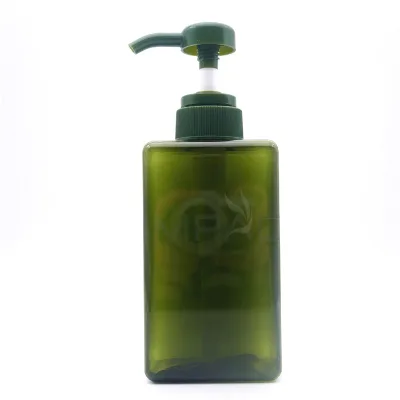
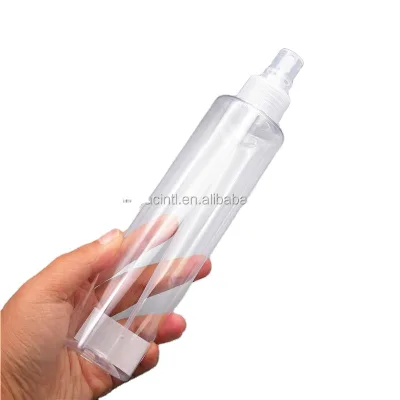


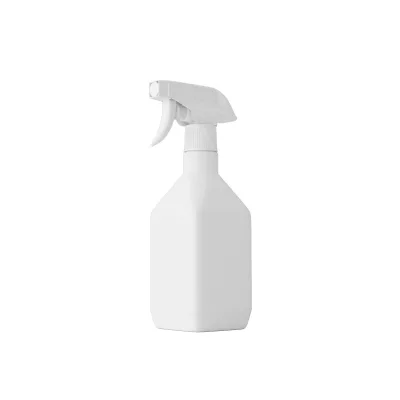


Comprehensive Sourcing Guide
Body Care Plastic Spray Bottle Sourcing Guide
Procuring body care plastic spray bottles requires careful attention to material compatibility and functional design to ensure product integrity. The observed market data indicates that these containers are predominantly manufactured from plastic, specifically designed for applications such as body lotion, hair oil, and serum dispensing. Buyers must verify that the selected bottle material is chemically resistant to the specific formulation of their cosmetic or personal care product to prevent degradation or leakage during storage and transport.
The customization landscape for these bottles is extensive, with suppliers offering options for silk printing, hot stamping, and various label applications to meet brand identity needs. While the standard shape is typically round, the market supports a wide range of volume capacities, including 50ml, 100ml, 150ml, 200ml, 400ml, and 500ml configurations. Sourcing teams should prioritize suppliers who can align their production capabilities with the specific volume and closure requirements, such as pump sprayers or lotion pumps, to ensure a seamless fit for the final product.
Product Scope and Observed Listing Signals
The current product listings reveal a diverse range of specifications, with models like HS-B06 and HS-T066 representing different capacity and design iterations available in the market. Buyers should note that while some listings specify a 200ml standard, others offer a broader spectrum including 50ml to 500ml options, indicating that volume is a critical variable in the selection process. The observed price range of 0.03 to 2 USD suggests significant variation based on customization levels, material thickness, and order volume, necessitating a clear definition of requirements before requesting quotes.
Listing signals also highlight the availability of various packaging formats, ranging from simple cartons to color boxes and inner trays with PE bags, which impacts the final unit cost and logistics planning. The observed Minimum Order Quantity (MOQ) varies significantly, with some suppliers requiring 10,000 pieces while others may accommodate smaller batches, though the dominant market standard appears to be around 10,000 units. Procurement teams must align their order volume with these thresholds to secure competitive pricing and avoid potential surcharges associated with non-standard order sizes.
Technical Specifications to Verify
Technical verification must begin with the closure mechanism, as the observed data specifies pump sprayers and lotion pumps as the primary dispensing types for these plastic bottles. Buyers need to confirm that the pump-on closure type is compatible with the viscosity of their product, whether it is a thin spray or a thicker body lotion, to ensure consistent dispensing performance. Additionally, the sealing type must be rigorously tested to prevent leakage, especially since these bottles are often used for liquid products that may expand or contract with temperature changes during shipping.
Material thickness and structural integrity are other critical technical parameters that require validation, as the observed listings mention "Other" thickness options alongside specific model numbers like HX-Bottle-479. It is essential to request physical samples to assess the rigidity of the plastic and the durability of the pump mechanism under repeated use. Buyers should also verify the color options, noting that Pantone matching is available, to ensure the final packaging aligns precisely with brand color standards without compromising the structural strength of the bottle.
Compliance and Safety Documentation
While specific certification statuses are not explicitly detailed in the provided product facts, buyers must ensure that the plastic material used complies with international safety standards for cosmetic and personal care applications. The observed HS code 3923300000 classifies these items as plastic articles for the transport or packing of goods, but this does not automatically guarantee food or cosmetic safety compliance. Procurement teams should request documentation confirming that the plastic is free from harmful substances and suitable for direct or indirect contact with skin care products.
Safety verification also extends to the printing and labeling processes, as the observed options include silk screen printing and hot stamping which involve inks and adhesives. Buyers must confirm that these printing materials are non-toxic and do not leach harmful chemicals into the product, particularly for items applied to sensitive skin areas. It is advisable to require a Declaration of Conformity or similar safety statement from the supplier to validate that all components, including the bottle, pump, and printed graphics, meet the regulatory requirements of the target export market.
Cost Drivers and Commercial Terms
The commercial landscape for these bottles is influenced heavily by the Minimum Order Quantity, with a standard threshold of 10,000 pieces observed across multiple listings. This high MOQ is a primary cost driver, as it allows suppliers to optimize production runs and reduce unit costs, but it requires buyers to have sufficient demand or storage capacity. Smaller order volumes may incur significantly higher per-unit prices or may not be accepted by suppliers who adhere strictly to their production efficiency models.
Payment terms and delivery logistics also play a crucial role in the total cost of ownership, with observed terms typically requiring a 30% deposit and a 70% balance before delivery. Lead times vary between 15 to 40 days depending on the complexity of customization and current production schedules, which impacts inventory planning and cash flow. Buyers should factor in these lead times and the associated trade terms, such as EXW or FOB, to accurately calculate the landed cost and ensure that the supply chain can meet their market launch deadlines.
Supplier Qualification and Quality Control
Supplier qualification should focus on their ability to handle customization requests, as the observed data confirms that OEM services and logo printing are acceptable and widely available. Buyers must assess the supplier's capacity to manage the entire customization workflow, from design approval to the final application of silk screen or hot stamping, ensuring that the quality of the print remains consistent across the entire production batch. The availability of 24-hour online services is a positive indicator of responsiveness, but it should be complemented by a review of their historical performance on similar projects.
Quality control protocols must be established to verify the consistency of the bottle dimensions and the functionality of the pump mechanisms before shipment. Given the observed lead time of 30-40 days for production, it is critical to implement a pre-shipment inspection process to catch any defects early. Buyers should also verify the packaging standards, ensuring that the inner trays and outer cartons are robust enough to protect the bottles during transit, as damage to the pump sprayers can render the entire batch unsellable.
Long-Term Procurement Checks
Establishing a long-term partnership requires regular audits of the supplier's production capacity and their ability to maintain consistent quality over time. Buyers should monitor the supplier's adherence to the agreed lead times, as delays in the 15-40 day window can disrupt the entire supply chain and impact product availability in the market. Regular communication regarding production updates and potential bottlenecks will help mitigate risks and ensure that the supply of body care plastic spray bottles remains uninterrupted.
Continuous evaluation of the product specifications is also necessary to ensure that the bottles continue to meet evolving market demands and regulatory requirements. As the market for cosmetic and personal care products evolves, buyers should remain flexible to adjust volume capacities, materials, or printing techniques as needed. Maintaining a relationship with a supplier who offers flexible customization and reliable service will provide the agility required to adapt to changing consumer preferences and market conditions.
FAQs
What customization options are available for these bottles?
Customization is available for these plastic bottles, allowing buyers to tailor designs. Options include silk printing, hot stamping, and label application. OEM logo printing is acceptable, and the standard can be customized to meet specific requirements for cosmetic or skin care products.
How long does it take to receive samples?
Sample delivery normally takes 3 to 5 days for standard requests. Buyers can order small quantities ranging from 1 to 5 pieces for evaluation. This quick turnaround helps verify the product quality before committing to larger orders with the required minimum quantity.
What is the minimum order quantity for these bottles?
The minimum order quantity is typically 10,000 pieces for standard production runs. Some variations may allow lower quantities, but the primary requirement is 10,000 units. Buyers should confirm specific MOQs based on the chosen model and customization needs before placing an order.
Which sealing types are used for these plastic bottles?
These bottles utilize a pump sprayer as the primary sealing type. The closure is designed as a pump-on mechanism suitable for dispensing lotions, serums, and hair oils. This ensures secure containment and controlled application for various personal care and cosmetic product formulations.
Can I get these bottles with specific volume specifications?
Yes, specific volume specifications are available, including 50ml, 100ml, 150ml, 200ml, 400ml, and 500ml options. The standard models support these capacities to fit different product needs. Buyers can select the appropriate size based on their formulation requirements and packaging preferences.
What are the lead times for production and delivery?
Production lead time ranges from 15 to 40 days depending on the order specifics. Delivery can be arranged by air, sea, or as requested by the buyer. Sample delivery is faster, typically taking 3 to 5 days, while bulk orders require the full production window.
Where are these plastic spray bottles manufactured?
These bottles are manufactured in Zhejiang, China, which is a major hub for packaging production. The origin is confirmed as China, ensuring access to established supply chains. Buyers can expect competitive pricing and efficient logistics from this region for global distribution.