Source Frosted Cork Bath Salts Jar for Storage, Cosmetics, and Spices
Find and compare 30 Frosted Cork Bath Salts Jar options from verified suppliers in China. Buyers can evaluate glass materials, capacities, and MOQs for storage, cosmetics, and spice applications.
Key considerations
Products List
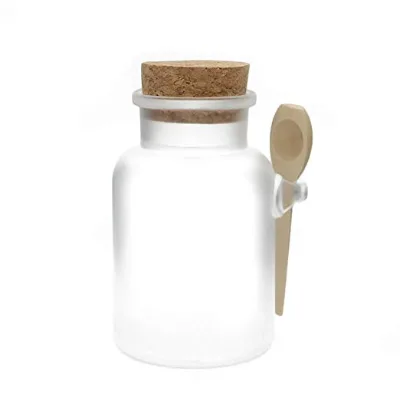
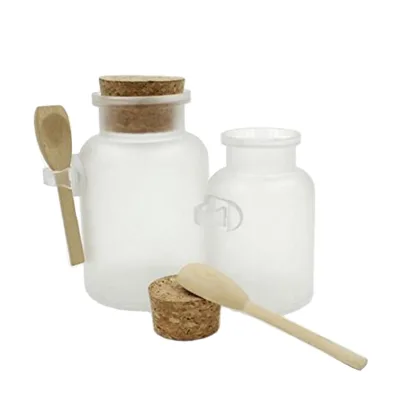
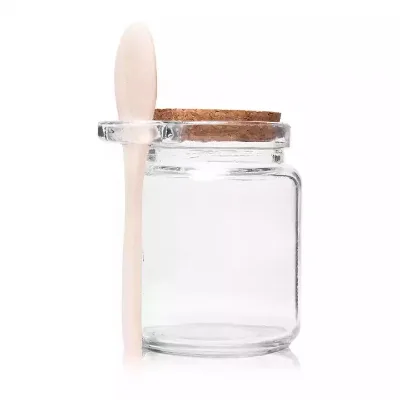
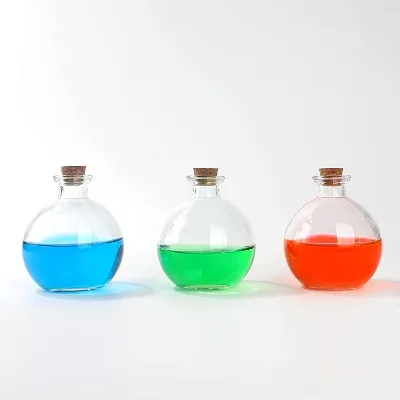
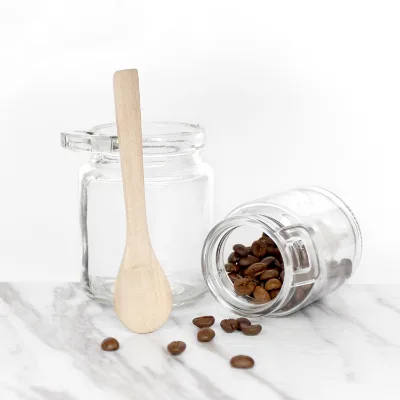
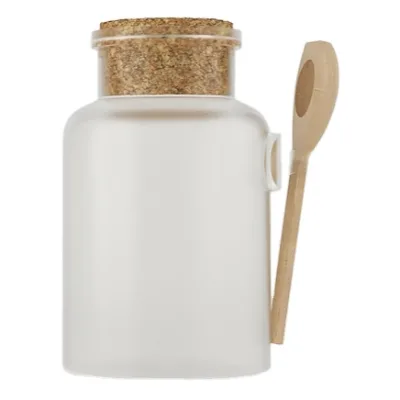
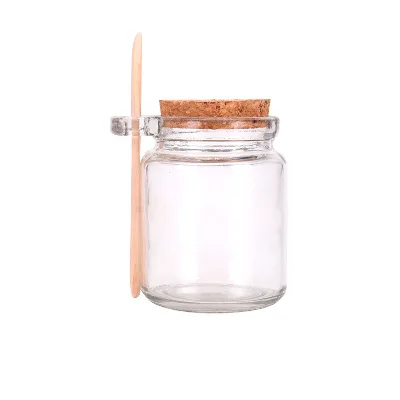
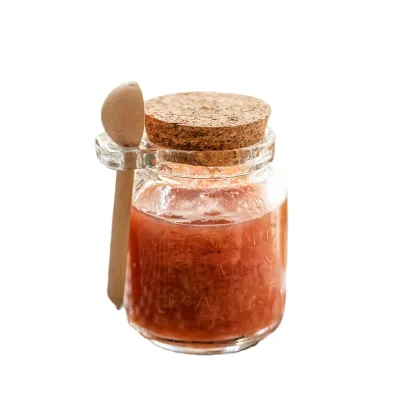
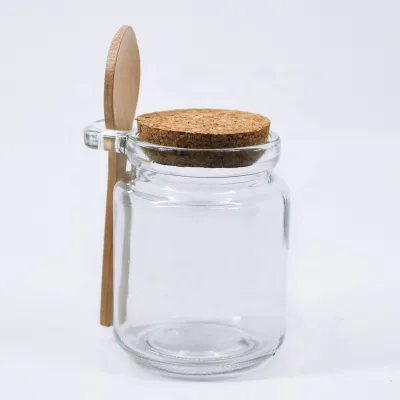
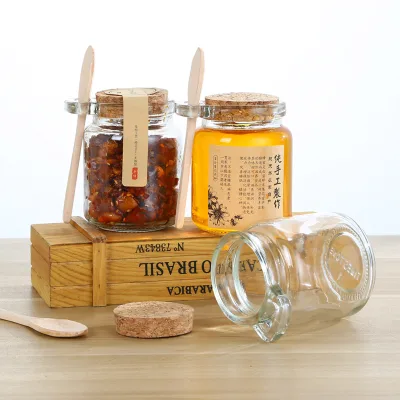
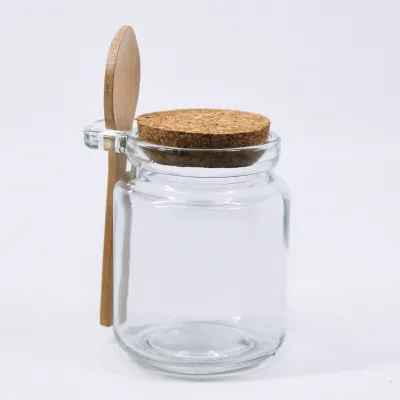
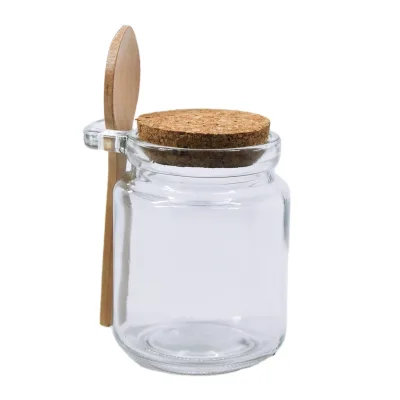
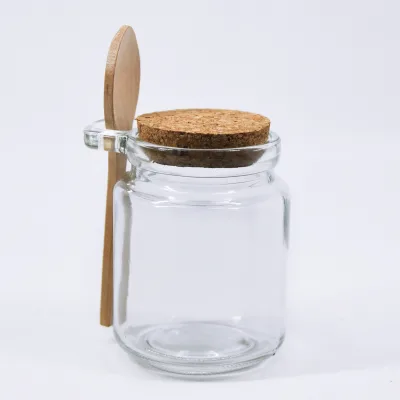
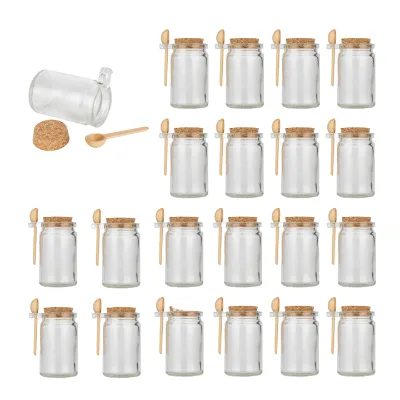
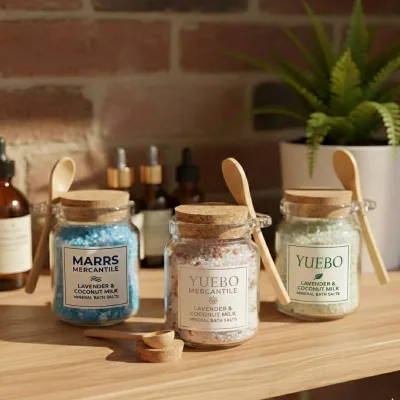
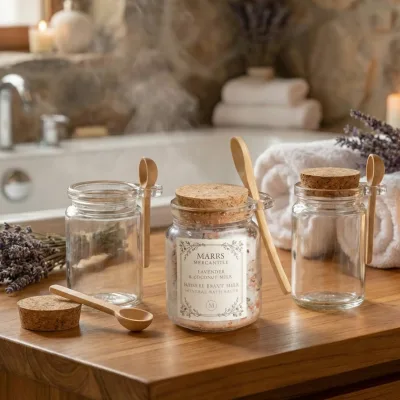
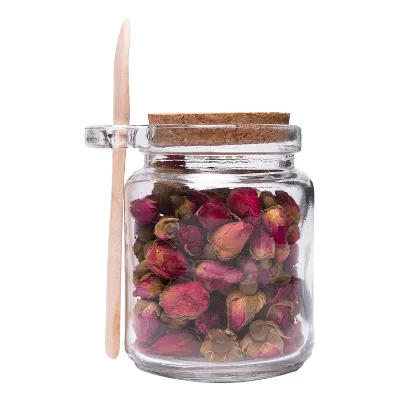
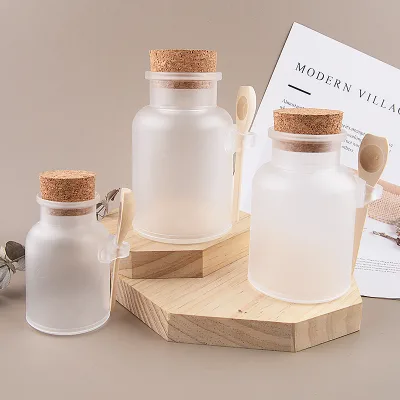
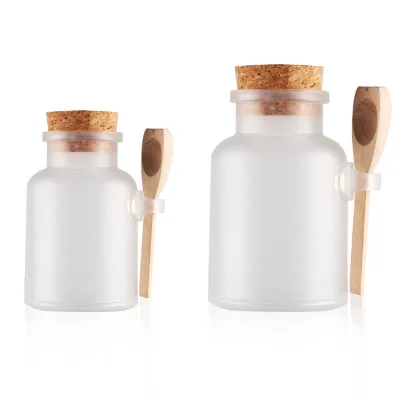
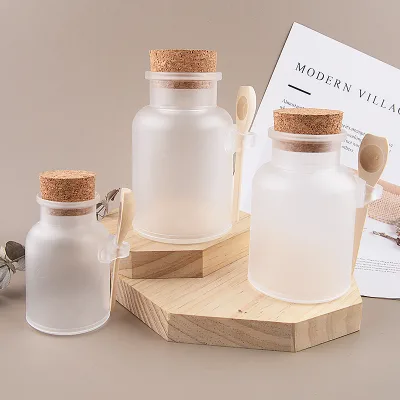
8.5oz Bath Salt Seasoning Candle Glass Jars with Cork Stopper Wooden Spoon
$0.44 - $0.53
MOQ: 5000 pieces


Comprehensive Sourcing Guide
Strategic Sourcing Guide for Frosted Cork Bath Salts Jars
The global market for premium personal care packaging has seen a significant shift toward natural, eco-conscious materials that enhance brand storytelling. Among the most sought-after items in this sector is the Frosted Cork Bath Salts Jar. This specific product combines the aesthetic appeal of frosted glass with the organic texture of cork, creating a vessel that aligns with modern wellness trends. For procurement professionals, sourcing these containers requires a nuanced understanding of material specifications, supply chain logistics, and quality assurance protocols. This guide provides a comprehensive framework for evaluating suppliers and products based on verified industry data and observed market parameters.
Technical Specifications and Material Composition
The foundation of a successful procurement strategy lies in a precise definition of technical requirements. The core product, often identified as a "frosted empty bath salts jar" or "storage jar with wooden spoon," relies heavily on the integrity of its glass and cork components. The primary material is glass, specifically noted in supplier data as "Glass Jar" or "Frosted Empty Bath Salts Jars." The frosted finish is a critical aesthetic and functional attribute, often achieved through acid etching or sandblasting, which provides a soft, matte appearance that diffuses light and hides the contents slightly.
Dimensional consistency is paramount for both the jar and its closure. Observed data indicates that suppliers often list a thickness of 0.5 cm for the glass body. This specific measurement suggests a robust container capable of holding granular products like bath salts without risk of breakage during shipping or handling. The volume capacity varies, with observed listings ranging from 0-0.5 liters, with specific examples citing 8.5 oz or 250ML. Procurement teams must verify the exact volume required for their specific formulation, as the internal dimensions of the jar directly impact the fill weight of the product.
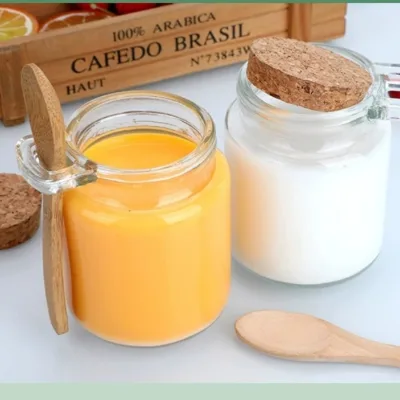
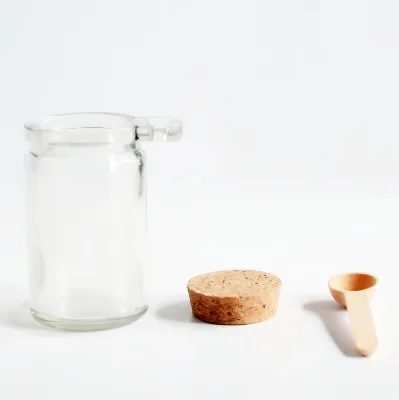
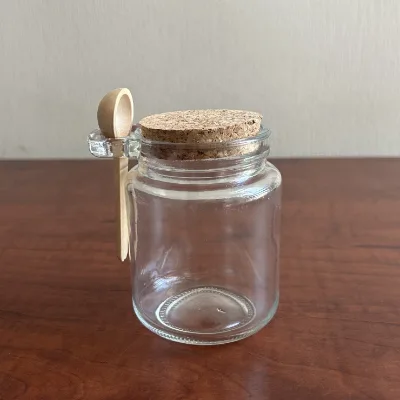
The closure mechanism is equally critical. The standard configuration involves a screw cap or a cork stopper. Some listings specify a "ball cork" shape or a "Cover" style, while others mention a "Screw" cap. The presence of a wooden spoon is a common value-added feature, often included as part of the "Item name: Storage Jar With Wooden Spoon." The spoon material must be food-grade and treated to prevent warping or mold growth in humid bathroom environments. When evaluating specifications, buyers should request detailed drawings that confirm the thread pitch for screw caps or the taper dimensions for cork stoppers to ensure a hermetic seal.
Compliance, Certification, and Safety Standards
While specific certification documents were not provided in the initial product data, the nature of the product—intended for cosmetic and bath use—demands rigorous compliance checks. The "Usage" field in supplier data frequently lists "Cosmetic," "Mask Powder," and "Body Butter Storage," which places the product under the jurisdiction of cosmetic packaging regulations. In the European Union, for instance, any glass or cork material contacting cosmetic products must comply with Regulation (EC) No 1223/2009 regarding cosmetic safety.
Buyers must verify that the glass is free from heavy metals and that the cork is treated to prevent the leaching of tannins or other compounds into the product. The "Feature: Eco-Friendly" attribute observed in several listings suggests a potential alignment with sustainability goals, but this claim requires third-party verification. Buyers should inquire about the source of the cork, ensuring it is harvested sustainably, and request documentation regarding the frosted coating's safety. If the product is intended for the food or beverage sector, as hinted by the "Condiments Container" and "Spice" usage tags, additional food-grade certifications (such as FDA compliance in the US or EFSA standards in Europe) become mandatory.
Furthermore, the "Weight tolerance: <±1%" and "Dimensional tolerance: <±1mm" specifications indicate a high level of manufacturing precision. These tolerances are essential for automated filling lines. If a buyer intends to use high-speed machinery, they must ensure the supplier can consistently maintain these tight tolerances. Deviations beyond ±1mm in the neck diameter or ±1% in weight could cause jams in filling equipment or result in inaccurate product dosing.
Cost Drivers and Pricing Dynamics
Understanding the cost structure of frosted cork bath salts jars is essential for budgeting and negotiation. The observed price range in the market spans from $0.12 to $2.80 USD per unit. This wide variance is driven by several key factors. The primary cost driver is the glass thickness and the complexity of the frosted finish. A 0.5 cm thick glass jar with a high-quality, uniform frosted surface will command a higher price than a thinner, standard clear glass alternative.
The inclusion of accessories, such as the wooden spoon, significantly impacts the final unit cost. A jar sold as a "Storage Jar With Wooden Spoon" will inherently cost more than a bare jar. Additionally, the packaging details play a crucial role. The "OEM PACKAGE" and "Single package size" of 25x15x15 cm or 25x20x20 cm suggest that the shipping volume is substantial. Buyers must calculate the landed cost, which includes the unit price, freight charges, and import duties. The "Single gross weight" of 1.000 kg per package indicates that shipping costs will be heavily influenced by the weight of the glass and the protective packaging required to prevent breakage.
Minimum Order Quantity (MOQ) is another significant cost factor. The observed MOQ range is extensive, from 2 to 20,000 units. Specific listings show MOQs of 300 pcs or 20,000 pcs. For small businesses or startups, an MOQ of 300 units may be accessible, but the per-unit cost will likely be higher due to the setup costs for the factory. Conversely, large-scale buyers can leverage the lower end of the price spectrum by meeting the 20,000-unit threshold. Buyers should also consider the "Supply Ability" of 20,000 units per month, which indicates that the supplier has the capacity to handle large orders without significant delays, provided the order volume aligns with their monthly output.
Typical Applications and Market Positioning
The versatility of the Frosted Cork Bath Salts Jar allows it to serve multiple applications beyond just bath salts. The "Usage" data highlights "Mask Powder," "Body Butter Storage," and "Canisters Cans," indicating a broad appeal in the cosmetic and wellness sectors. The "Keyword: Glass Mask Powder Cream Bottle" further reinforces its suitability for dry cosmetic powders and creams. The aesthetic of frosted glass combined with cork is particularly effective for brands positioning themselves as natural, organic, or luxury.
The "Color: Ivory" and "Color: Clear" options provide flexibility for different brand identities. An ivory frosted jar might be preferred for a soft, spa-like aesthetic, while a clear jar with a frosted finish could offer a more modern, minimalist look. The "Style: Modern" attribute suggests that these containers are designed to fit contemporary retail environments. The "Cover" style and "Screw" cap options allow for different user experiences; a cork stopper offers a tactile, premium feel, while a screw cap provides convenience and reusability.
Supplier Evaluation and Geographic Considerations
Geographic location is a critical factor in supplier selection. The data indicates origins in "Zhejiang, China" and "Jiangsu, China," with the "Port of dispatch" listed as "Ningbo." These regions are known for their glass manufacturing capabilities and established logistics networks. Ningbo is a major port city, which facilitates efficient export shipping. However, buyers must verify the specific factory location within these provinces to assess the supply chain resilience.
When evaluating suppliers, the "Brand Name" and "OEM" status are important. Some listings show "OEM" as the brand, indicating a generic manufacturer, while others list specific names like "HANHUI Glass" or "Vanjoin." Buyers should distinguish between trading companies and actual manufacturers. A manufacturer will typically offer better control over quality and customization, while a trading company might offer a broader range of products. The "Product name" variations, such as "Bath Salt Cork Jars" versus "Glass Reed Diffuser Bottle," suggest that some suppliers may diversify their product lines. Buyers should ensure the supplier specializes in cosmetic packaging to guarantee expertise in handling delicate glass and organic closures.
Quality Control and Long-Term Procurement
Quality control (QC) is non-negotiable for glass packaging. The "Dimensional tolerance: <±1mm" and "Weight tolerance: <±1%" must be validated through regular inspection protocols. Buyers should implement a pre-shipment inspection that checks for visual defects in the frosted finish, such as uneven coating or scratches. The integrity of the cork is also vital; it should be free from cracks and have a smooth finish to ensure a proper seal.
For long-term procurement, the "Supply Ability" of 20,000 units per month is a strong indicator of stability. However, buyers should establish a relationship that includes a buffer stock strategy to mitigate potential supply chain disruptions. The "Sample is available" attribute is a crucial step in the evaluation process. Buyers should always request a physical sample to test the fit of their product, the seal integrity, and the aesthetic quality before committing to a large order.
In conclusion, sourcing frosted cork bath salts jars requires a balanced approach that considers technical specifications, compliance, cost, and supplier reliability. By focusing on the observed data points such as the 0.5 cm thickness, the specific volume ranges, and the tight tolerances, buyers can make informed decisions that align with their brand's quality standards. The market offers a wide range of options, from small MOQs to large-scale production, allowing businesses of all sizes to find a suitable partner. Ultimately, the success of the procurement process depends on thorough due diligence, clear communication of requirements, and a commitment to maintaining high quality standards throughout the supply chain.
FAQs
What material is used for the Frosted Cork Bath Salts Jar?
The primary material is glass, specifically noted as a glass jar with a frosted finish. The closure often includes cork or a screw cap, and some listings mention a wooden spoon as an included accessory for storage.
How much is the minimum order quantity for these jars?
The minimum order quantity varies significantly, ranging from 2 to 20,000 units depending on the supplier. Specific listings indicate MOQs of 300 pieces or 20,000 pieces, allowing flexibility for different business sizes.
Which dimensions are standard for the Frosted Cork Bath Salts Jar?
Standard dimensions include a thickness of 0.5 cm and a volume capacity ranging from 0 to 0.5 liters, with specific examples at 8.5 oz or 250 ML. The single package size is often listed as 25x15x15 cm or 25x20x20 cm.
Can I find suppliers with a monthly supply ability of 20,000 units?
Yes, some suppliers list a supply ability of 20,000 units per month for coffee bean canisters and similar glass jars. This capacity suggests they can handle large orders without significant delays if the volume aligns with their output.
What is the price range for frosted cork bath salts jars?
The observed price range in the market spans from 0.12 to 2.8 USD per unit. This variance is driven by factors such as glass thickness, the complexity of the frosted finish, and whether accessories like wooden spoons are included.
Where are the manufacturers of these jars located?
Manufacturers are located in Zhejiang and Jiangsu provinces in China, with the port of dispatch typically listed as Ningbo. These regions are known for their glass manufacturing capabilities and established logistics networks for export.
How precise are the dimensional tolerances for these glass jars?
The dimensional tolerance is specified as less than plus or minus 1 mm, and weight tolerance is less than plus or minus 1 percent. These tight tolerances are essential for ensuring compatibility with automated filling lines.