Source Eco-Friendly Airtight Glass Jar with Bamboo Lid for Food, Tea, Decor
Compare 30 listings of Eco-Friendly Airtight Glass Jar with Bamboo Lid suitable for food storage, tea, and home decoration. These glass jars feature screw caps, various sizes, and customizable packaging options for restaurant and scientific applications; compare the available evidence and request quotations based on your requirements.
Key considerations
Products List


Eco-Friendly Glass Canisters with Bamboo Lid, 350ml High Temp Resistance
$1.69 - $2.50
MOQ: 500 Pieces


Eco Friendly 220ml 300ml 420ml 660ml 730ml Clear Storage Glass Jar with Bamboo Lid
$0.60 - $0.80
MOQ: 5000 Pieces


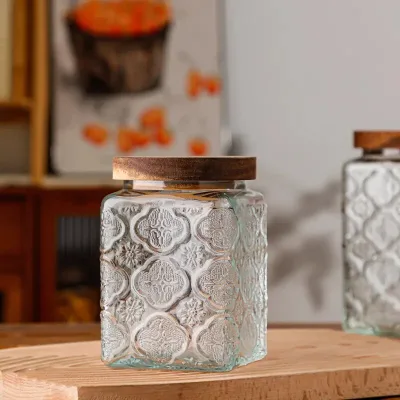


Wholesale Air Tight Clear Frosted Amber Glass Storage Jars with Bamboo Lid
$0.15 - $0.25
MOQ: 5000 Pieces

Comprehensive Sourcing Guide
Eco-Friendly Airtight Glass Jar with Bamboo Lid Sourcing Guide
Procuring eco-friendly airtight glass jars with bamboo lids requires a strategic balance between material integrity and functional sealing performance. Buyers must prioritize suppliers who demonstrate extensive manufacturing experience, as indicated by the availability of vendors with over sixteen years in the industry. This longevity often correlates with refined production processes for both the glass molding and the wooden lid fitting, ensuring consistent quality across large orders. The core appeal of these containers lies in their dual-material construction, which combines the inert, recyclable nature of pure glass with the renewable aesthetic of acacia or bamboo wood.
Sourcing decisions should also account for the versatility of these jars across multiple sectors, including home decoration, restaurant service, and scientific storage. The observed product range includes various shapes such as square and round designs, catering to diverse branding and storage needs. Buyers should verify that the supplier offers customization options for logos and packaging, as this is a common requirement for retail brands seeking to differentiate their products. Understanding the specific application, whether for food storage, candle wax, or chemical containers, will help narrow down the ideal supplier capabilities and material specifications.
Product Scope and Observed Listing Signals
The current market landscape for these jars reveals a wide variety of models, with observed listings indicating a price range of $0.10 to $3.63 USD and minimum order quantities typically starting at 500 units. These signals suggest a highly competitive market with options for both small-scale boutique orders and large-volume commercial purchases. The products are generally categorized as medium-sized packaging pots with volumes ranging from 100ml to 500ml, though larger capacities up to 800ml are also available. Buyers should carefully review the specific model numbers, such as MEM23-0525-12, to ensure they are evaluating the correct size and shape for their intended use case.
Listing attributes frequently highlight features like thick glass thickness, lead-free composition, and recyclable materials, which are critical for modern eco-conscious branding. The sealing type is predominantly screw cap, often paired with acacia wooden or bamboo lids to create an airtight environment. It is important to note that while many listings claim eco-friendly status, buyers must verify the actual material composition and sourcing practices. The presence of OEM services and customized packaging options, including bubble bags and white boxes, indicates that suppliers are equipped to handle branded retail requirements, making these jars suitable for gifting, travel, and holiday promotions.
Technical Specifications to Verify
When evaluating technical specifications, buyers must confirm the exact dimensions and volume capacities of the jars to ensure compatibility with existing shelving or packaging lines. The observed standard sizes include 120ml, 175ml, 250ml, 300ml, 380ml, 700ml, and 800ml, with the glass typically crafted using press jar and mould jar techniques. The surface handling often involves decal printing, which allows for detailed branding without compromising the glass integrity. It is crucial to verify that the glass is thick enough to withstand thermal shock if the jars are intended for hot food storage or dishwasher cleaning, as thin glass may crack under rapid temperature changes.
The wooden lid component requires specific attention to detail, particularly regarding the fit and the type of wood used. Acacia and bamboo are common choices, but buyers should request samples to assess the grain quality and the precision of the screw mechanism. The lid must create a true airtight seal, which often depends on the inclusion of a silicone or rubber gasket inside the wooden cap. Additionally, verify the shape options, as square and round designs have different stacking efficiencies and visual impacts. Confirming the exact mould models available will help prevent delays if custom shapes are required for a unique product line.
Compliance and Safety Documentation
Safety compliance is paramount when sourcing containers for food and beverage applications. Buyers must ensure that the glass is certified as lead-free and made from environmental purest glass materials to prevent chemical leaching. While FSC certification for the wooden lids is mentioned as a background possibility, it should not be assumed without explicit documentation from the supplier. Requesting proof of FSC certification ensures that the bamboo or acacia wood is sourced from responsibly managed forests, which is a key selling point for eco-conscious consumers. Without this documentation, the eco-friendly claim may be considered greenwashing by regulatory bodies or discerning customers.
Furthermore, buyers should verify that the supplier conducts inspections before shipment to guarantee product quality and safety. This step is critical for identifying defects such as cracks, chips, or improper lid fits that could compromise the airtight seal. Although ISO 14001 is listed as a potential standard, it must be confirmed through valid certificates rather than assumed. Ensuring that the supplier adheres to strict quality control measures will reduce the risk of receiving defective goods and protect the buyer’s brand reputation. Clear communication regarding safety standards and material certifications should be established before placing any orders.
Cost Drivers and Commercial Terms
Several factors influence the final cost of eco-friendly glass jars with bamboo lids, including the volume of the order, the complexity of the customization, and the shipping terms. The observed minimum order quantities range from 500 to 5000 units, with some suppliers requiring a baseline of 1000 pieces for certain models. Buyers should negotiate based on their projected annual volume to secure better pricing tiers. The choice between EXW, FOB, and CNF price terms will significantly impact the total landed cost, so it is essential to understand the responsibilities associated with each term. FOB terms, for example, place more logistical responsibility on the supplier, which may result in a higher unit price but reduced risk for the buyer.
Customization services, such as OEM logo printing and tailored packaging, often incur additional fees. Buyers should clarify whether these costs are included in the unit price or charged separately. The packaging method, whether in brown cartons, bubble bags, or palletized shipments, also affects shipping efficiency and cost. Efficient packing reduces the risk of breakage during transit, which can lead to costly replacements and delays. Understanding the full cost structure, including any mold fees for custom shapes, will help buyers make informed budgeting decisions and avoid unexpected expenses during the procurement process.
Supplier Qualification and Quality Control
Selecting a reliable supplier involves verifying their manufacturing capabilities and quality assurance processes. Suppliers with over sixteen years of experience are likely to have established protocols for glass molding and wooden lid assembly. Buyers should request detailed information about the supplier’s production capacity and lead times to ensure they can meet demand peaks. It is also important to confirm that the supplier offers OEM/ODM services, as this indicates flexibility in meeting specific design and branding requirements. A supplier’s ability to handle various moulds and existing models suggests a robust production infrastructure capable of adapting to changing market needs.
Quality control measures should be rigorously evaluated, including the supplier’s policy on inspection before shipment. Buyers should consider implementing their own third-party inspections for large orders to verify product quality and compliance with specifications. The guarantee of inspection before shipment is a positive indicator, but it should be complemented by clear defect resolution policies. Additionally, verify the supplier’s export experience, as those exporting worldwide are likely familiar with international shipping regulations and packaging standards. Building a strong relationship with a qualified supplier ensures consistent quality and reliable supply chain performance over time.
Long-Term Procurement Checks
Sustainable sourcing practices should be a key focus for long-term procurement strategies. Buyers should regularly audit their suppliers to ensure that the eco-friendly claims, such as recyclable glass and renewable wood, remain valid and compliant with evolving environmental standards. Maintaining open communication with suppliers about new material innovations or sustainability initiatives can help buyers stay ahead of market trends. It is also important to monitor the supply chain for any disruptions that could affect the availability of bamboo or acacia wood, which may be subject to seasonal or regulatory changes.
Continuous evaluation of product performance in the market is essential for maintaining customer satisfaction. Feedback from end-users regarding the durability of the glass and the longevity of the wooden lids can inform future purchasing decisions. Buyers should also stay informed about changes in international trade regulations that may impact the import of wooden products, such as phytosanitary requirements. By proactively addressing these long-term considerations, buyers can build a resilient and sustainable supply chain that supports their brand’s commitment to environmental responsibility and quality.
FAQs
How can I customize an Eco-Friendly Airtight Glass Jar with Bamboo Lid for my brand?
Customization is available on these jars, including OEM logos and customized packaging. Surface decoration is typically done with decal printing, and existing glass moulds in various models can be used to shorten development time. You can also discuss lid options, since both bamboo and acacia wooden screw lids are offered, along with shape choices such as round, square, or custom shapes.
What sizes and capacities are available for glass jars with bamboo or wooden lids?
Listed capacities range from 120ml up to 800ml, including 175ml, 250ml, 300ml, 380ml, 700ml, and 800ml options, so you can match jar size to food storage, candles, or chemical containers. Volumes of 100-500ml are common for smaller formats. Standard size grades of S, M, and L are offered, and customization lets you align capacity with your product line.
What is the minimum order quantity for these eco friendly airtight glass jars?
The stated MOQ starts at 1000 pieces per model, with some listings requiring between 500 and 5000 pieces depending on the jar type and customization level. Smaller trial quantities are generally not offered because production and carton or pallet packaging are batch-based. Confirm the exact MOQ per model before requesting a quotation, since customized decorations or packages may change it.
Which lid and sealing options can I choose for airtight food storage jars?
Screw caps with bamboo lids or acacia wooden lids are the main options, providing a screw-top seal suitable for tea, food storage, candle wax, and chemical containers. Jar shapes include round, square, and custom shapes, and styles range from simple to European. When ordering, confirm the lid material, seal fit, and jar finish together so the airtight performance meets your intended use.
How are the glass jars packed and inspected before shipment?
Standard packing is a brown carton, with carton or pallet packaging available, and individual items may be protected with bubble bags or white boxes before cartoning. Inspection is carried out before shipment as a quality guarantee. Packaging can also be customized, so you can request retail-ready boxes or protective configurations suited to export shipping and your distribution channels.
What materials and eco friendly features do these glass storage jars offer?
The jars are made from glass described as environmental purest glass, with lead-free construction and recyclable material supporting eco friendly positioning. Bamboo and acacia wooden lids are used for the screw caps. The glass is noted for thick thickness, which supports durability for food storage, candle wax, or chemical container applications, and press jar and mould jar crafts are used in production.
Which price terms and export arrangements are offered for bulk orders?
Price terms are quoted as EXW, FOB, or CNF, letting you choose between picking up goods, including freight to your port, or covering cost, freight, and charges. Products are exported all over the world, and the supplier states 16 years of experience. Request quotations under your preferred term so logistics costs and responsibilities are clear before confirming a bulk order.
What uses and applications suit these airtight glass jars with bamboo lids?
They suit home decoration, Christmas gifts, and travel ranges, with typical uses including tea, food storage, candle wax, and chemicals containers. Applications also extend to restaurants, bars, antique settings, scientific use, and artistic decoration. The transparent, simple or European styling fits home use, while screw-cap sealing keeps contents protected in retail and household storage environments.