Source Eco-Friendly Backless Camisole Vest for Retail, Gym, and Casual Wear
Find 30 eco-friendly backless camisole vest options from China. Compare materials like nylon, cotton, and polyester blends, along with features such as quick-dry and breathable fabrics, to select the best fit for your inventory needs.
Key considerations
Products List

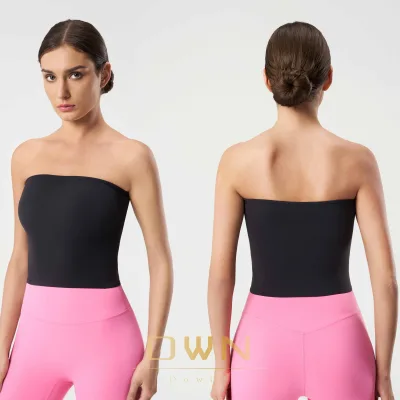
Top Rated Women's Interior Top Beautiful Back Strapless Versatile Camisole Vest
$0.85 - $0.95
MOQ: 1000 Pieces


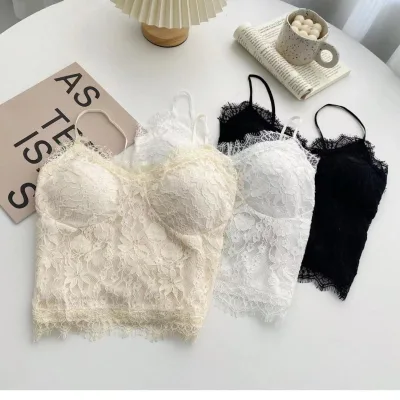
New Basic Versatile Tank Top Camisole Women's Casual Slimming Sleeveless Top
$0.85 - $0.95
MOQ: 1000 Pieces






Comprehensive Sourcing Guide
Eco-Friendly Backless Camisole Vest Sourcing Guide
Sourcing eco-friendly backless camisole vests requires a nuanced understanding of material science, supply chain transparency, and specific design constraints. The term "eco-friendly" is often used loosely in global trade, so buyers must distinguish between marketing claims and verifiable material compositions. The provided data indicates a diverse range of materials, including Nylon/Cotton blends, Spandex/Polyester mixes, and pure Polyester/Spandex combinations. While some listings explicitly mention "Eco-Friendly" features, others rely on standard synthetic fibers. A backless design introduces structural challenges regarding fit and support, necessitating careful evaluation of fabric elasticity and construction quality. Buyers should prioritize suppliers who provide clear material breakdowns and avoid vague terminology that obscures the actual environmental impact of the garment.
The market for these garments spans multiple demographics, including women, girls, and unisex categories, with seasonal variations from spring to winter. This breadth suggests that "eco-friendly" may refer to different attributes depending on the target audience, such as breathability for summer wear or durability for all-season use. The observed product models, such as WYX-1107 and JS-F2155, indicate a variety of styles, from simple tank tops to more complex beaded vests. Procurement teams must align their sourcing strategy with the specific functional requirements of their end-users, ensuring that the chosen supplier can deliver the necessary customization, such as logo printing or specific colorways, while maintaining the integrity of the eco-friendly claims.
Product Scope and Observed Listing Signals
The current market landscape for camisole vests shows a wide price range, observed between $0.7 and $22 USD, reflecting significant variation in quality, material composition, and customization levels. This disparity highlights the importance of defining clear specifications before engaging with suppliers. Lower price points often correlate with standard synthetic materials like polyester or spandex blends, which may not meet strict eco-friendly criteria unless certified. Higher price points may indicate the use of natural fiber blends, such as nylon/cotton, or more complex manufacturing processes like beading or specialized finishing techniques. Buyers should use this range as a benchmark to identify outliers and request detailed cost breakdowns to understand what drives the final price.
Minimum Order Quantities (MOQs) vary considerably, ranging from 2 to 1200 units, offering flexibility for both small boutique orders and large-scale retail purchases. This range allows buyers to test market response with low-volume orders before committing to larger production runs. However, low MOQs may come with higher per-unit costs or limited customization options. Suppliers offering MOQs as low as two units are often suitable for sampling or niche markets, while those requiring 1200 units are better suited for established brands with consistent demand. It is crucial to verify whether the MOQ applies to a single style or across a range of colors and sizes, as this can significantly impact inventory management and cash flow.
Technical Specifications to Verify
Material composition is the most critical technical specification for eco-friendly garments. The data shows materials ranging from Nylon/Cotton to Spandex/Polyester and Polyester/Spandex blends. Buyers must verify the percentage of each fiber to assess the garment's environmental footprint and performance characteristics. For instance, cotton blends may offer better breathability and biodegradability, while synthetic blends provide durability and quick-drying properties. The presence of "Eco-Friendly" features in some listings suggests that suppliers may use recycled polyester or organic cotton, but these claims must be substantiated with material test reports. Additionally, the texture and weight of the fabric, described as "Light" in some cases, should be evaluated for comfort and suitability for the intended season.
Design and fit specifications vary widely, with options including Medium Length, Short Length, and Free Size. The backless design requires careful attention to structural integrity, particularly regarding the straps and neckline. Features such as "Anti-Shrink," "Breathable," and "Quick Dry" are common, indicating a focus on performance and comfort. However, buyers should verify these claims through physical sampling, as performance can vary significantly between batches. The availability of customization, including beaded patterns, logos, and specific colors, adds complexity to the production process. Suppliers must demonstrate the ability to maintain consistent quality across customized items, ensuring that decorative elements do not compromise the garment's durability or eco-friendly status.
Compliance and Safety Documentation
While the provided data mentions OEKO-TEX as a low-confidence background standard, buyers should not assume that any supplier automatically holds this certification. OEKO-TEX Standard 100 is a widely recognized benchmark for textile safety, ensuring that products are free from harmful substances. Buyers must explicitly request proof of certification from suppliers claiming eco-friendly or safe materials. Without verifiable documentation, claims of being "Eco-Friendly" or "Anti-Static" remain unsubstantiated. It is essential to treat such claims as observations that require validation rather than guaranteed attributes. Procurement teams should include certification verification as a mandatory step in their supplier qualification process to mitigate legal and reputational risks.
In addition to material safety, buyers should inquire about the supplier's adherence to broader environmental standards and labor practices. Although specific standards are not listed in the data, reputable suppliers often comply with international regulations regarding chemical usage, water management, and waste disposal. Buyers should request information on the supplier's environmental management systems and any third-party audits they have undergone. This due diligence helps ensure that the "eco-friendly" label is not merely a marketing tactic but reflects genuine sustainable practices throughout the production chain. Transparency in compliance documentation is a key indicator of a supplier's commitment to ethical and environmental responsibility.
Cost Drivers and Commercial Terms
Several factors influence the cost of eco-friendly backless camisole vests, including material sourcing, labor costs, and customization requirements. The use of natural fibers or recycled materials typically increases production costs compared to standard synthetics. Additionally, complex designs, such as beaded vests or custom logos, require specialized labor and equipment, further driving up prices. Buyers should analyze the cost structure to identify areas where savings can be achieved without compromising quality or sustainability goals. For example, simplifying the design or reducing the number of color options may lower production costs while maintaining the core eco-friendly attributes of the garment.
Commercial terms, such as payment methods, shipping arrangements, and lead times, also play a significant role in the overall procurement cost. The data indicates a delivery time of 15 days for some products, which is relatively fast but may vary based on order size and customization. Buyers should negotiate clear terms regarding lead times and penalties for delays to ensure timely delivery. Additionally, understanding the supplier's packing methods, such as export cartons, can help optimize logistics and reduce shipping costs. It is advisable to request a detailed quotation that includes all potential costs, such as tooling fees for custom designs or sample charges, to avoid unexpected expenses later in the procurement process.
Supplier Qualification and Quality Control
Supplier qualification is a critical step in ensuring the reliability and quality of eco-friendly backless camisole vests. Buyers should conduct thorough due diligence, including site visits or virtual audits, to assess the supplier's manufacturing capabilities and quality control processes. The data shows that suppliers are located in China, with some specifically in Fujian, a region known for its textile industry. Buyers should verify the supplier's experience in producing similar garments and their ability to meet specific eco-friendly standards. Requesting references from previous clients can provide valuable insights into the supplier's performance and reliability.
Quality control measures should be established from the outset, including pre-production samples, in-line inspections, and final random inspections. Given the variability in materials and designs, it is essential to have clear quality benchmarks and acceptance criteria. Buyers should work closely with suppliers to identify potential quality issues early in the production process and implement corrective actions as needed. Additionally, establishing a robust communication channel with the supplier can help address any concerns or changes in requirements promptly. Regular quality audits and performance reviews can help maintain high standards and foster a long-term partnership with the supplier.
Long-Term Procurement Checks
Long-term procurement success depends on continuous monitoring and evaluation of supplier performance. Buyers should establish key performance indicators (KPIs) to track metrics such as on-time delivery, product quality, and responsiveness to issues. Regular reviews of these metrics can help identify areas for improvement and ensure that the supplier remains aligned with the buyer's expectations. Additionally, staying informed about changes in eco-friendly standards and regulations is crucial for maintaining compliance and competitiveness. Buyers should engage with industry associations and attend trade shows to stay updated on the latest trends and best practices in sustainable sourcing.
Building a resilient supply chain involves diversifying suppliers and developing contingency plans for potential disruptions. While the data indicates a concentration of suppliers in China, buyers should consider exploring alternative sourcing locations to mitigate risks associated with geopolitical or logistical issues. Developing strong relationships with multiple suppliers can provide flexibility and bargaining power. Furthermore, investing in supplier development programs can help improve capabilities and foster innovation. By taking a proactive approach to long-term procurement, buyers can ensure a steady supply of high-quality, eco-friendly backless camisole vests that meet their business objectives and customer expectations.
FAQs
What materials are used for the eco-friendly backless camisole vest?
The vests are constructed from blends such as Nylon and Cotton or Spandex and Polyester. These materials ensure the garments are breathable, quick-drying, and suitable for various seasons including spring and summer.
Can I customize the logo or patterns on the vest?
Yes, customization is available for beaded patterns and logos on specific models. Buyers can request tailored designs while maintaining the high quality and comfortable feel required for sports or commute occasions.
Which sizes are available for the backless camisole vest?
Standard sizing includes S, M, L, XL, and XXL, with some models offering a free size option. The clothing length varies between short and medium depending on the specific product model selected for purchase.
How long is the delivery time for these vests?
The typical delivery time is 15 days from order confirmation. This lead time applies to orders with sufficient inventory and standard packaging requirements like export cartons or general cartons.
What features do the vests offer for active wear?
The vests provide features like moisture-wicking, anti-shrink, and anti-pilling properties. Some models also include windbreak, waterproof, and anti-UV capabilities to ensure comfort and protection during sports activities.
Where are these vests manufactured?
The products originate from China, specifically from the Fujian region. This location supports the production of high-quality garments with sufficient inventory to meet buyer demands for various seasons.